
Advertisement
Research ArticleGastroenterologyMetabolism
Open Access |  10.1172/JCI202709
Inhibiting menin attenuates high-fat diet–induced weight gain by limiting intestinal lipid absorption in mice
Xiaoru Cao,1,2 Pingping Zhou,1 Haiyue Meng,1 Zhitao Guo,1 Yan Cao,3 Chenghao Wang,1 Lulu Liu,1 Yinghao Guo,1 Yue Wang,1 Guoshun Xin,1 Dabin Liu,4 Feng Geng,5,6 and Jian Ma1
1Department of Pancreatobiliary Surgery, The Second Affiliated Hospital of Harbin Medical University and Department of Immunology, School of Basic Medical Sciences, Harbin Medical University, Harbin, China.
2Central Laboratory, Yulin Hospital, The First Affiliated Hospital of Xi’an Jiaotong University, Yulin, China.
3Department of Endocrinology, First Affiliated Hospital of Harbin Medical University, Harbin, China.
4NHC Key Laboratory of Molecular Probes and Targeted Diagnosis and Therapy, The Fourth Affiliated Hospital of Harbin Medical University, Harbin, China.
5Science and Technology Research Center, Harbin Medical University Cancer Hospital, Harbin, China.
6Key Laboratory of Molecular Oncology of Heilongjiang Province, Harbin, China.
Address correspondence to: Jian Ma, No. 157, Baojian Road, Harbin, 150081, China. Phone: 86.1383031063; Email: jma@hrbmu.edu.cn. Or to: Feng Geng, No. 150, Haping Road, Harbin, 150081, China. Phone: 86.15145141075; Email: gengfeng@hrbmu.edu.cn.
Authorship note: XC and PZ contributed equally to this work.
Find articles by Cao, X. in: PubMed | Google Scholar
1Department of Pancreatobiliary Surgery, The Second Affiliated Hospital of Harbin Medical University and Department of Immunology, School of Basic Medical Sciences, Harbin Medical University, Harbin, China.
2Central Laboratory, Yulin Hospital, The First Affiliated Hospital of Xi’an Jiaotong University, Yulin, China.
3Department of Endocrinology, First Affiliated Hospital of Harbin Medical University, Harbin, China.
4NHC Key Laboratory of Molecular Probes and Targeted Diagnosis and Therapy, The Fourth Affiliated Hospital of Harbin Medical University, Harbin, China.
5Science and Technology Research Center, Harbin Medical University Cancer Hospital, Harbin, China.
6Key Laboratory of Molecular Oncology of Heilongjiang Province, Harbin, China.
Address correspondence to: Jian Ma, No. 157, Baojian Road, Harbin, 150081, China. Phone: 86.1383031063; Email: jma@hrbmu.edu.cn. Or to: Feng Geng, No. 150, Haping Road, Harbin, 150081, China. Phone: 86.15145141075; Email: gengfeng@hrbmu.edu.cn.
Authorship note: XC and PZ contributed equally to this work.
Find articles by Zhou, P. in: PubMed | Google Scholar
1Department of Pancreatobiliary Surgery, The Second Affiliated Hospital of Harbin Medical University and Department of Immunology, School of Basic Medical Sciences, Harbin Medical University, Harbin, China.
2Central Laboratory, Yulin Hospital, The First Affiliated Hospital of Xi’an Jiaotong University, Yulin, China.
3Department of Endocrinology, First Affiliated Hospital of Harbin Medical University, Harbin, China.
4NHC Key Laboratory of Molecular Probes and Targeted Diagnosis and Therapy, The Fourth Affiliated Hospital of Harbin Medical University, Harbin, China.
5Science and Technology Research Center, Harbin Medical University Cancer Hospital, Harbin, China.
6Key Laboratory of Molecular Oncology of Heilongjiang Province, Harbin, China.
Address correspondence to: Jian Ma, No. 157, Baojian Road, Harbin, 150081, China. Phone: 86.1383031063; Email: jma@hrbmu.edu.cn. Or to: Feng Geng, No. 150, Haping Road, Harbin, 150081, China. Phone: 86.15145141075; Email: gengfeng@hrbmu.edu.cn.
Authorship note: XC and PZ contributed equally to this work.
Find articles by Meng, H. in: PubMed | Google Scholar
1Department of Pancreatobiliary Surgery, The Second Affiliated Hospital of Harbin Medical University and Department of Immunology, School of Basic Medical Sciences, Harbin Medical University, Harbin, China.
2Central Laboratory, Yulin Hospital, The First Affiliated Hospital of Xi’an Jiaotong University, Yulin, China.
3Department of Endocrinology, First Affiliated Hospital of Harbin Medical University, Harbin, China.
4NHC Key Laboratory of Molecular Probes and Targeted Diagnosis and Therapy, The Fourth Affiliated Hospital of Harbin Medical University, Harbin, China.
5Science and Technology Research Center, Harbin Medical University Cancer Hospital, Harbin, China.
6Key Laboratory of Molecular Oncology of Heilongjiang Province, Harbin, China.
Address correspondence to: Jian Ma, No. 157, Baojian Road, Harbin, 150081, China. Phone: 86.1383031063; Email: jma@hrbmu.edu.cn. Or to: Feng Geng, No. 150, Haping Road, Harbin, 150081, China. Phone: 86.15145141075; Email: gengfeng@hrbmu.edu.cn.
Authorship note: XC and PZ contributed equally to this work.
Find articles by Guo, Z. in: PubMed | Google Scholar
1Department of Pancreatobiliary Surgery, The Second Affiliated Hospital of Harbin Medical University and Department of Immunology, School of Basic Medical Sciences, Harbin Medical University, Harbin, China.
2Central Laboratory, Yulin Hospital, The First Affiliated Hospital of Xi’an Jiaotong University, Yulin, China.
3Department of Endocrinology, First Affiliated Hospital of Harbin Medical University, Harbin, China.
4NHC Key Laboratory of Molecular Probes and Targeted Diagnosis and Therapy, The Fourth Affiliated Hospital of Harbin Medical University, Harbin, China.
5Science and Technology Research Center, Harbin Medical University Cancer Hospital, Harbin, China.
6Key Laboratory of Molecular Oncology of Heilongjiang Province, Harbin, China.
Address correspondence to: Jian Ma, No. 157, Baojian Road, Harbin, 150081, China. Phone: 86.1383031063; Email: jma@hrbmu.edu.cn. Or to: Feng Geng, No. 150, Haping Road, Harbin, 150081, China. Phone: 86.15145141075; Email: gengfeng@hrbmu.edu.cn.
Authorship note: XC and PZ contributed equally to this work.
Find articles by Cao, Y. in: PubMed | Google Scholar
1Department of Pancreatobiliary Surgery, The Second Affiliated Hospital of Harbin Medical University and Department of Immunology, School of Basic Medical Sciences, Harbin Medical University, Harbin, China.
2Central Laboratory, Yulin Hospital, The First Affiliated Hospital of Xi’an Jiaotong University, Yulin, China.
3Department of Endocrinology, First Affiliated Hospital of Harbin Medical University, Harbin, China.
4NHC Key Laboratory of Molecular Probes and Targeted Diagnosis and Therapy, The Fourth Affiliated Hospital of Harbin Medical University, Harbin, China.
5Science and Technology Research Center, Harbin Medical University Cancer Hospital, Harbin, China.
6Key Laboratory of Molecular Oncology of Heilongjiang Province, Harbin, China.
Address correspondence to: Jian Ma, No. 157, Baojian Road, Harbin, 150081, China. Phone: 86.1383031063; Email: jma@hrbmu.edu.cn. Or to: Feng Geng, No. 150, Haping Road, Harbin, 150081, China. Phone: 86.15145141075; Email: gengfeng@hrbmu.edu.cn.
Authorship note: XC and PZ contributed equally to this work.
Find articles by Wang, C. in: PubMed | Google Scholar
1Department of Pancreatobiliary Surgery, The Second Affiliated Hospital of Harbin Medical University and Department of Immunology, School of Basic Medical Sciences, Harbin Medical University, Harbin, China.
2Central Laboratory, Yulin Hospital, The First Affiliated Hospital of Xi’an Jiaotong University, Yulin, China.
3Department of Endocrinology, First Affiliated Hospital of Harbin Medical University, Harbin, China.
4NHC Key Laboratory of Molecular Probes and Targeted Diagnosis and Therapy, The Fourth Affiliated Hospital of Harbin Medical University, Harbin, China.
5Science and Technology Research Center, Harbin Medical University Cancer Hospital, Harbin, China.
6Key Laboratory of Molecular Oncology of Heilongjiang Province, Harbin, China.
Address correspondence to: Jian Ma, No. 157, Baojian Road, Harbin, 150081, China. Phone: 86.1383031063; Email: jma@hrbmu.edu.cn. Or to: Feng Geng, No. 150, Haping Road, Harbin, 150081, China. Phone: 86.15145141075; Email: gengfeng@hrbmu.edu.cn.
Authorship note: XC and PZ contributed equally to this work.
Find articles by Liu, L. in: PubMed | Google Scholar
1Department of Pancreatobiliary Surgery, The Second Affiliated Hospital of Harbin Medical University and Department of Immunology, School of Basic Medical Sciences, Harbin Medical University, Harbin, China.
2Central Laboratory, Yulin Hospital, The First Affiliated Hospital of Xi’an Jiaotong University, Yulin, China.
3Department of Endocrinology, First Affiliated Hospital of Harbin Medical University, Harbin, China.
4NHC Key Laboratory of Molecular Probes and Targeted Diagnosis and Therapy, The Fourth Affiliated Hospital of Harbin Medical University, Harbin, China.
5Science and Technology Research Center, Harbin Medical University Cancer Hospital, Harbin, China.
6Key Laboratory of Molecular Oncology of Heilongjiang Province, Harbin, China.
Address correspondence to: Jian Ma, No. 157, Baojian Road, Harbin, 150081, China. Phone: 86.1383031063; Email: jma@hrbmu.edu.cn. Or to: Feng Geng, No. 150, Haping Road, Harbin, 150081, China. Phone: 86.15145141075; Email: gengfeng@hrbmu.edu.cn.
Authorship note: XC and PZ contributed equally to this work.
Find articles by Guo, Y. in: PubMed | Google Scholar
1Department of Pancreatobiliary Surgery, The Second Affiliated Hospital of Harbin Medical University and Department of Immunology, School of Basic Medical Sciences, Harbin Medical University, Harbin, China.
2Central Laboratory, Yulin Hospital, The First Affiliated Hospital of Xi’an Jiaotong University, Yulin, China.
3Department of Endocrinology, First Affiliated Hospital of Harbin Medical University, Harbin, China.
4NHC Key Laboratory of Molecular Probes and Targeted Diagnosis and Therapy, The Fourth Affiliated Hospital of Harbin Medical University, Harbin, China.
5Science and Technology Research Center, Harbin Medical University Cancer Hospital, Harbin, China.
6Key Laboratory of Molecular Oncology of Heilongjiang Province, Harbin, China.
Address correspondence to: Jian Ma, No. 157, Baojian Road, Harbin, 150081, China. Phone: 86.1383031063; Email: jma@hrbmu.edu.cn. Or to: Feng Geng, No. 150, Haping Road, Harbin, 150081, China. Phone: 86.15145141075; Email: gengfeng@hrbmu.edu.cn.
Authorship note: XC and PZ contributed equally to this work.
Find articles by Wang, Y. in: PubMed | Google Scholar
1Department of Pancreatobiliary Surgery, The Second Affiliated Hospital of Harbin Medical University and Department of Immunology, School of Basic Medical Sciences, Harbin Medical University, Harbin, China.
2Central Laboratory, Yulin Hospital, The First Affiliated Hospital of Xi’an Jiaotong University, Yulin, China.
3Department of Endocrinology, First Affiliated Hospital of Harbin Medical University, Harbin, China.
4NHC Key Laboratory of Molecular Probes and Targeted Diagnosis and Therapy, The Fourth Affiliated Hospital of Harbin Medical University, Harbin, China.
5Science and Technology Research Center, Harbin Medical University Cancer Hospital, Harbin, China.
6Key Laboratory of Molecular Oncology of Heilongjiang Province, Harbin, China.
Address correspondence to: Jian Ma, No. 157, Baojian Road, Harbin, 150081, China. Phone: 86.1383031063; Email: jma@hrbmu.edu.cn. Or to: Feng Geng, No. 150, Haping Road, Harbin, 150081, China. Phone: 86.15145141075; Email: gengfeng@hrbmu.edu.cn.
Authorship note: XC and PZ contributed equally to this work.
Find articles by Xin, G. in: PubMed | Google Scholar
1Department of Pancreatobiliary Surgery, The Second Affiliated Hospital of Harbin Medical University and Department of Immunology, School of Basic Medical Sciences, Harbin Medical University, Harbin, China.
2Central Laboratory, Yulin Hospital, The First Affiliated Hospital of Xi’an Jiaotong University, Yulin, China.
3Department of Endocrinology, First Affiliated Hospital of Harbin Medical University, Harbin, China.
4NHC Key Laboratory of Molecular Probes and Targeted Diagnosis and Therapy, The Fourth Affiliated Hospital of Harbin Medical University, Harbin, China.
5Science and Technology Research Center, Harbin Medical University Cancer Hospital, Harbin, China.
6Key Laboratory of Molecular Oncology of Heilongjiang Province, Harbin, China.
Address correspondence to: Jian Ma, No. 157, Baojian Road, Harbin, 150081, China. Phone: 86.1383031063; Email: jma@hrbmu.edu.cn. Or to: Feng Geng, No. 150, Haping Road, Harbin, 150081, China. Phone: 86.15145141075; Email: gengfeng@hrbmu.edu.cn.
Authorship note: XC and PZ contributed equally to this work.
Find articles by Liu, D. in: PubMed | Google Scholar
1Department of Pancreatobiliary Surgery, The Second Affiliated Hospital of Harbin Medical University and Department of Immunology, School of Basic Medical Sciences, Harbin Medical University, Harbin, China.
2Central Laboratory, Yulin Hospital, The First Affiliated Hospital of Xi’an Jiaotong University, Yulin, China.
3Department of Endocrinology, First Affiliated Hospital of Harbin Medical University, Harbin, China.
4NHC Key Laboratory of Molecular Probes and Targeted Diagnosis and Therapy, The Fourth Affiliated Hospital of Harbin Medical University, Harbin, China.
5Science and Technology Research Center, Harbin Medical University Cancer Hospital, Harbin, China.
6Key Laboratory of Molecular Oncology of Heilongjiang Province, Harbin, China.
Address correspondence to: Jian Ma, No. 157, Baojian Road, Harbin, 150081, China. Phone: 86.1383031063; Email: jma@hrbmu.edu.cn. Or to: Feng Geng, No. 150, Haping Road, Harbin, 150081, China. Phone: 86.15145141075; Email: gengfeng@hrbmu.edu.cn.
Authorship note: XC and PZ contributed equally to this work.
Find articles by Geng, F. in: PubMed | Google Scholar
1Department of Pancreatobiliary Surgery, The Second Affiliated Hospital of Harbin Medical University and Department of Immunology, School of Basic Medical Sciences, Harbin Medical University, Harbin, China.
2Central Laboratory, Yulin Hospital, The First Affiliated Hospital of Xi’an Jiaotong University, Yulin, China.
3Department of Endocrinology, First Affiliated Hospital of Harbin Medical University, Harbin, China.
4NHC Key Laboratory of Molecular Probes and Targeted Diagnosis and Therapy, The Fourth Affiliated Hospital of Harbin Medical University, Harbin, China.
5Science and Technology Research Center, Harbin Medical University Cancer Hospital, Harbin, China.
6Key Laboratory of Molecular Oncology of Heilongjiang Province, Harbin, China.
Address correspondence to: Jian Ma, No. 157, Baojian Road, Harbin, 150081, China. Phone: 86.1383031063; Email: jma@hrbmu.edu.cn. Or to: Feng Geng, No. 150, Haping Road, Harbin, 150081, China. Phone: 86.15145141075; Email: gengfeng@hrbmu.edu.cn.
Authorship note: XC and PZ contributed equally to this work.
Find articles by Ma, J. in: PubMed | Google Scholar
Published August 11, 2026 - More info
J Clin Invest. 2026;136(19):e202709. https://doi.org/10.1172/JCI202709.
© 2026 Cao et al. This work is licensed under the Creative Commons Attribution 4.0 International License. To view a copy of this license, visit http://creativecommons.org/licenses/by/4.0/.
Received: December 10, 2025; Accepted: August 7, 2026


-
Results
IEC-specific Men1 deletion attenuates HFD-induced weight gain in mice. To investigate the physiological role of menin in the intestinal epithelium, we generated IEC-specific Men1-deficient mice (Men1ΔIEC) by crossing Men1fl/fl mice, in which loxP sites flank exons 3–8 of the Men1 gene, with Villin-Cre transgenic mice (Supplemental Figure 1, A and B; supplemental material available online with this article; https://doi.org/10.1172/JCI202709DS1). PCR genotyping confirmed the Men1fl/fl allele and Villin-Cre transgene in Men1ΔIEC mice (Supplemental Figure 1C). To assess Men1 deletion efficiency in IECs, we first prepared single-cell suspensions from intestinal tissues and confirmed by flow cytometry that IECs comprised approximately 90% of the isolated intestinal cell population (Supplemental Figure 1D). By genotyping and qPCR and Western blotting (WB) analyses, we confirmed efficient Men1 deletion in IECs of Men1ΔIEC mice (Supplemental Figure 1E). By immunohistochemistry (IHC), we found that menin was predominantly expressed in IECs of wild-type mice, whereas its expression was diminished in Men1ΔIEC mice compared with littermate Men1fl/fl controls (Supplemental Figure 1F). Furthermore, Men1 mRNA expression was lower in the proximal jejunum and colon of Men1ΔIEC mice compared with Men1fl/fl controls, while no changes were observed in other metabolic organs, such as the kidney, stomach, liver, or pancreas (Supplemental Figure 1G).
To assess the metabolic phenotypes of the mice, both male and female Men1fl/fl and Men1ΔIEC mice were fed a normal chow diet (NCD) or an HFD starting at 6 weeks of age and maintained on the assigned diet for 12 weeks (Figure 1A). Body weight was recorded weekly, and samples were collected in weeks 16 and 18 for metabolic analyses and tissue collection (Figure 1B). Compared with NCD feeding, HFD feeding increased body weight in both male and female mice (Figure 1, B and C, and Supplemental Figure 1H). However, HFD-induced body weight gain was more pronounced and sustained in male mice than in female mice. Therefore, subsequent metabolic and mechanistic analyses were performed in male mice to ensure a robust obesity-related phenotype. Of note, in male mice, no significant difference in body weight was observed between Men1fl/fl and Men1ΔIEC mice under NCD conditions (Figure 1B). However, under HFD feeding conditions, Men1ΔIEC mice gained less weight compared with Men1fl/fl mice (Figure 1, B and C), with marked reductions in adipose depot weights (Figure 1, D and E). Histological analysis revealed that compared with Men1fl/fl mice, Men1ΔIEC mice exhibited a smaller adipocyte size in both gWAT and rWAT depots (Figure 1, F and G), and Oil Red O staining demonstrated less hepatic lipid accumulation (Figure 1, H and I), consistent with decreased hepatic TG content (Figure 1J), in the Men1ΔIEC mice compared with the controls. Consistent with reduced lipid-associated metabolic burden, Men1ΔIEC mice displayed significantly lower fasting serum TG levels (Figure 1K) after 12 weeks of HFD feeding, while fasting serum cholesterol levels were unchanged as compared with controls (Supplemental Figure 2A). In addition, Men1ΔIEC mice exhibited lower fasting blood glucose (Supplemental Figure 2B), lower fasting insulin levels (Supplemental Figure 2C), and improved glucose tolerance (Supplemental Figure 2, D and E) compared with Men1fl/fl mice. These findings suggest that intestinal menin deficiency markedly mitigates HFD-induced obesity and lipid-associated metabolic dysfunction.
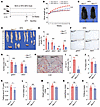 Figure 1
IEC-specific Men1 deletion attenuates HFD-induced weight gain in mice. (A) Experimental design: 6-week-old Men1fl/fl and Men1ΔIEC mice were fed either an NCD or HFD. A glucose tolerance test (GTT) was performed at week 16, and mice were sacrificed at week 18. Samples were collected at weeks 12, 16, and 18 for RNA-seq, metabolic analyses, and histological assessments. (B) Body weight of Men1fl/fl and Men1ΔIEC mice under NCD or HFD feeding. Unfilled symbols, NCD; filled symbols, HFD. (C) Images of mice after 12 weeks of HFD feeding. (D) Images of gonadal white adipose tissue (gWAT), inguinal white adipose tissue (iWAT), retroperitoneal white adipose tissue (rWAT), and brown adipose tissue (BAT) following 12 weeks of HFD. (E) Tissue weight ratios of different fat depots to total body weight. (F and G) H&E staining (F) and quantification of average adipocyte area (G) in gWAT and rWAT. Scale bars: 100 μm. (H and I) Oil Red O staining (H) and quantification of Oil Red O–positive area (I) of hepatic lipid accumulation following 12 weeks of HFD feeding. Scale bars: 100 μm. (J) Hepatic TG content following 12 weeks of HFD. (K) Fasting serum TG levels after 12 weeks of HFD feeding. (L) Average daily food intake following 10 weeks of HFD feeding. (M) Food efficiency calculated as body weight gain per gram of food intake following 10 weeks of HFD feeding. (N and O) Lipid and TG content in feces. n = 6 mice per group. For quantitative analyses, each data point represents 1 mouse. All data are presented as mean ± SD. Statistical significance was assessed by 2-way ANOVA for panels B, E, and G and by unpaired 2-tailed t test for panels I–O. *P < 0.05, **P < 0.01, ***P < 0.001.
To investigate the mechanisms underlying the improved metabolic phenotypes in the Men1ΔIEC mice, we examined intestinal lipid absorption and metabolism-related parameters. No significant differences were observed between genotypes in small or large intestinal lengths (Supplemental Figure 2F), jejunal circumference (Supplemental Figure 2G), or villus lengths (Supplemental Figure 2H). Intestinal permeability was also unchanged, as assessed by FITC-dextran assay and ZO-1 mRNA expression in IECs (Supplemental Figure 2, I and J). Similarly, genes related to bile acid transport (Asbt, Osta, and Ostb) and pancreatic lipases (Plinp and Clps) were expressed at comparable levels between groups (Supplemental Figure 2K). These findings indicate that intestinal morphology and classical mechanisms of lipid digestion and absorption were not affected by Men1 deletion.
To assess whether altered energy expenditure contributed to the lean phenotype, we performed metabolic cage studies (20). In line with the reduced adiposity, Men1ΔIEC mice showed significantly lower fat mass and fat-to-body weight ratio compared with Men1fl/fl controls (Supplemental Figure 2, L and M). However, there were no differences in the respiratory exchange ratio and total energy expenditure between Men1fl/fl and Men1ΔIEC mice during the full-day, dark-phase, and light-phase periods (Supplemental Figure 2, N–Q). Under HFD feeding, cumulative food intake was also similar between genotypes (Figure 1L). Notably, the food efficiency, which is defined as the body weight gain per unit of food consumed, was significantly lower in Men1ΔIEC mice compared with Men1fl/fl mice (Figure 1M). Measurements of fecal lipid and TG contents further showed no differences between genotypes (Figure 1, N and O), indicating that the differences in weight gain were not attributable to malabsorption or altered fecal lipid loss. Collectively, these results suggest that the reduced weight gain in Men1ΔIEC mice on HFD is not due to changes in food intake, digestion, or total energy expenditure.
Men1 deletion in IECs reduces CM formation. Having excluded systemic alterations in energy balance, we next investigated whether the reduced weight gain in HFD-fed Men1ΔIEC mice is linked to impaired intracellular processing and transport of absorbed lipids within IECs. After 6 weeks of HFD feeding, Men1fl/fl and Men1ΔIEC mice were orally gavaged with olive oil (10 μL/g body weight) (Figure 2A), and serum TG levels were measured at 0, 2, 4, and 6 hours after gavage (Figure 2B). Men1ΔIEC mice displayed significantly lower postprandial serum TG levels than Men1fl/fl controls (Figure 2, B and C). To determine whether this reduction reflected enhanced peripheral TG clearance or decreased intestinal lipid delivery, we employed tyloxapol, a lipoprotein lipase (LPL) inhibitor, to block TG uptake by peripheral tissues, before olive oil gavage (18). The reduction in serum TG levels in Men1ΔIEC mice persisted despite tyloxapol administration, indicating that the lower TG levels in these mice were not attributable to enhanced peripheral TG clearance (Figure 2, D–F). Because tyloxapol also allows circulating TG derived from hepatic VLDL secretion to accumulate, we further assessed hepatic VLDL output. Plasma VLDL-TG levels measured at 0, 1, 2, and 3 hours were comparable between Men1fl/fl and Men1ΔIEC mice (Supplemental Figure 3A), suggesting that reduced hepatic VLDL production was unlikely to account for the lower serum TG levels in Men1ΔIEC mice.
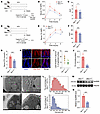 Figure 2
Men1 deletion in IECs reduces chylomicron formation. (A) Experimental design: 6-week-old Men1fl/fl and Men1ΔIEC mice were fed an HFD for 6 weeks, fasted for 12 hours, and gavaged with olive oil (10 μL/g). Serum was collected at 0, 2, 4, and 6 hours and intestinal tissues at 6 hours. FTT, fat tolerance test; FFA, free fatty acid. (B and C) Time-course analysis of serum TG levels (B) and quantification of AUC (C). (D) After a 12-hour fast, mice were injected intravenously with tyloxapol (50 mg/mL, 10 μL/g) and gavaged with olive oil 15 minutes later. (E and F) Time-course TG levels (E) and AUC (F) in LPL-inhibited mice. (G) Serum FFA levels at 6 hours postgavage. (H and I) Nile Red staining of proximal small intestinal epithelial cells (H) and quantification of Nile Red–positive area (I). Five randomly selected fields per mouse were averaged as 1 data point. Scale bars: 50 μm. (J) TG content in proximal small intestine at 6 hours postgavage. (K and L) Transmission electron microscopy images and chylomicron diameter distributions (n = 3 mice per group). Ten fields per mouse were analyzed; 372 and 383 chylomicrons were measured in Men1fl/fl and Men1ΔIEC mice, respectively. Scale bars: 2 μm; inset scale bars: 400 nm. (M and N) WB and densitometric quantification of serum ApoB48 protein (n = 3 mice per group). Unless otherwise indicated, n = 6 mice per group. Each data point in B, C, E–G, I, J, and N represents 1 mouse. All data are presented as mean ± SD. Statistical significance was assessed by 2-way ANOVA for panels B and E; by unpaired 2-tailed Student’s t test for panels C, F, G, I, J, and N; and by Gaussian distribution analysis for panel L. *P < 0.05, ***P < 0.001, ****P < 0.0001.
To evaluate whether the reduction in postprandial circulating TG levels stemmed from impaired intestinal lipid export, we assessed multiple related parameters. First, serum FFA levels after olive oil gavage were lower in Men1ΔIEC mice compared with controls (Figure 2G). Second, Nile Red staining of intestinal tissues revealed reduced lipid droplet accumulation in the IECs of Men1ΔIEC mice (Figure 2, H and I). Consistently, direct quantification of TG content in IECs showed a significant reduction in TG accumulation in Men1ΔIEC mice (Figure 2J).
The reduced intracellular TG accumulation in IECs of Men1ΔIEC mice (Figure 2J) prompted us to examine whether the biogenesis of CMs, the principal carriers of intestinal lipid export, was qualitatively altered. In IECs, resynthesized TGs are packaged by MTTP and assembled with ApoB48 into CMs for lymphatic secretion. Because CM diameter is a major determinant of lipid cargo (21), we next assessed CM size by transmission electron microscopy. This analysis revealed that CM diameter was markedly smaller in Men1ΔIEC mice (203.02 ± 5.19 nm [mean ± SD]) compared with Men1fl/fl controls (284.48 ± 12.9 nm [mean ± SD]) (Figure 2, K and L). Correspondingly, we also found that the serum levels of ApoB48, a key structural component of CMs, were also significantly lower in Men1ΔIEC mice (Figure 2, M and N), further supporting the notion that postprandial CM assembly and lipid export are impaired in the absence of menin in IECs. Together, these data indicate that IEC-specific Men1 deletion leads to reduced serum lipid levels in HFD-fed mice by impairing CM assembly and limiting dietary lipid entry into the circulation.
Men1 deletion upregulates Ces1g expression in IECs, promoting lipolysis and curbing lipid export. To elucidate the mechanism underlying reduced CM production and postprandial lipid entry into the circulation in Men1ΔIEC mice, we performed transcriptomic profiling of proximal small IECs from HFD-fed Men1fl/fl and Men1ΔIEC mice. Differential expression analysis revealed 563 upregulated and 372 downregulated genes in Men1ΔIEC IECs compared with Men1fl/fl controls (Figure 3A). Gene ontology (GO) enrichment analysis showed that the upregulated genes were primarily associated with biological processes (BP), such as fatty acid metabolism, lipid transport, and lipid catabolism, and were enriched in cellular components (CC), like apical plasma membrane, brush border, and lipoprotein particles (Figure 3B). Notably, genes involved in TG uptake and synthesis (Slc27a1, Slc27a2, Mogat2, Dgat1, Dgat2) and neutral TG lipases (Atgl, Hsl, Mgll) were unchanged, multiple carboxylesterase family genes (Ces1c, Ces1d, Ces1g, Ces2a, Ces2b) were significantly upregulated, and lipid packaging–related genes (Fabp1, Fabp2, Mttp) were downregulated (Figure 3C). RT-qPCR analysis of primary IECs showed robust upregulation of several Ces family genes in Men1ΔIEC mice, with Ces1g exhibiting the most prominent induction (Figure 3D). In contrast, genes involved in fatty acid uptake, TG synthesis, and cholesterol metabolism were largely unchanged, except for increased Cd36, whereas the lipid transport/CM-associated genes Fabp1 and Fabp2, but not Mttp, were reduced (Supplemental Figure 3, B–D).
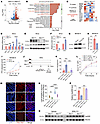 Figure 3
Men1 deletion upregulates Ces1g expression in IECs, driving lipolysis and curbing lipid export. (A–C) Volcano plot of differentially expressed genes (A), GO enrichment analysis of upregulated genes (B), and heatmap of genes involved in intestinal lipid absorption, reesterification, lipolysis, and transport (C) in IECs from HFD-fed Men1ΔIEC vs. Men1fl/fl. (D) RT-qPCR analysis of the indicated genes in IECs after 4 weeks of HFD feeding. (E and F) WB (E) and densitometric quantification (F) of menin and CES1 in IECs. (G and H) Representative immunoblotting of CES1 (G) and intracellular TG content (H) in MODE-K cells transfected with Ces1g or control vector. (I) NBD-TG–based lipid hydrolysis assay in CES1G-overexpressing or control MODE-K cells. (J) Experimental design. Men1fl/fl and Men1ΔIEC mice were fed an HFD for 6 weeks and then treated with vehicle or WWL113 (30 mg/kg, i.p.) for 2 weeks before fat tolerance testing, Nile Red staining, and ApoB48 analysis. (K) Carboxylesterase activity in proximal small intestine. (L) Serum TG levels measured at 0, 2, 4, and 6 hours during FTT. (M and N) Nile Red staining and quantification of intestinal epithelial lipid accumulation. Five randomly selected fields per mouse were averaged as 1 data point. Scale bars: 50 μm. (O and P) WB analysis and densitometric quantification of serum ApoB48 at 6 hours after the test. For A–C, E, F, O, and P, n = 3 mice per group; for D and K–N, n = 6 mice per group; for H and I, n = 3; panel G shows representative results from 3 independent experiments. All data are presented as mean ± SD. Statistical significance was assessed by 2-way ANOVA for panels D, F, I and L; by unpaired 2-tailed Student’s t test for panel H; and by 1-way ANOVA for panels K, N, and P. *P < 0.05, **P < 0.01, ***P < 0.001, ****P < 0.0001.
Because Cd36 expression was increased after Men1 depletion, we next assessed whether this change enhanced early fatty acid uptake. Using a BODIPY 500/510 C1, C12–based fluorescent fatty acid uptake assay in MODE-K cells, we found that Men1 knockdown did not increase fatty acid uptake at 5, 10, 20, or 30 minutes compared with control cells (Supplemental Figure 3E). We therefore focused on the Ces1 family, which showed the most consistent transcriptional induction. Consistent with the RNA-seq and RT-qPCR data, WB analysis confirmed substantially increased CES1 protein levels in jejunal epithelial cells from Men1ΔIEC mice compared with controls (Figure 3, E and F). Given that Ces1g exhibited the strongest induction among the Ces family genes, Ces1g was selected for downstream mechanistic studies in mice.
To assess whether Ces1g upregulation depends on HFD feeding, we examined CES1 protein levels in jejunal epithelial cells under NCD conditions. CES1 expression was markedly increased in IECs from Men1-deficient mice under NCD feeding (Supplemental Figure 3, F and G). These results indicate that CES1 induction is primarily driven by IEC Men1 deletion rather than by HFD feeding. We next examined the functional impact of CES1G on intracellular lipid metabolism by overexpressing Ces1g in MODE-K cells (Figure 3G). Following oleic acid treatment, Nile Red staining and TG quantification showed that Ces1g overexpression was associated with significantly less intracellular droplet accumulation and TG content (Supplemental Figure 3, H and I, and Figure 3H). Because reduced TG storage alone cannot establish enhanced lipid hydrolysis, we used an NBD-TG–based lipid hydrolysis assay to determine whether CES1G directly promotes TG hydrolysis in IECs. The NBD-C6 standard curve showed a linear relationship between fluorescence intensity and NBD-C6 abundance, enabling quantification of FFA release (Supplemental Figure 3J). Although steady-state FFA levels were not significantly altered in primary IECs from Men1ΔIEC mice (Supplemental Figure 3K), Ces1g overexpression induced a robust, time-dependent increase in FFA release in MODE-K cells (Figure 3I). Together, these data indicate that CES1G directly enhances TG hydrolysis in IECs, thereby contributing to reduced intracellular TG accumulation.
To further validate the essential role of CES1 in Men1 deficiency–induced lipid catabolism and reduced CM output, we knocked down CES1 in MEN1-deficient CACO-2 cells (Supplemental Figure 3L). We then established a Transwell-based human CACO-2 monolayer model to study lipid absorption and transport (Supplemental Figure 3M), which we validated using key indicators: fluorescein permeability < 2 × 10⁻⁶ cm/s (22), transepithelial electrical resistance > 400 Ω·cm² (23), and apical-to-basal alkaline phosphatase activity ratio > 2 (24) (Supplemental Figure 3, N–P). By lipid transport assays we found that MEN1 knockdown led to reduced intracellular lipid accumulation and apical-to-basal lipid transport, both of which were significantly restored by additional CES1 knockdown (Supplemental Figure 3, Q and R). Similarly, treatment of Men1-deficient MODE-K cells with WWL113, a selective inhibitor of CES1 and its murine orthologs Ces3/Ces1f, restored intracellular lipid content (Supplemental Figure 3, S–U). These findings indicate that reduced lipid accumulation and transport after MEN1 depletion were CES1 dependent.
To determine whether increased CES1 activity contributes to impaired intestinal lipid transport in Men1ΔIEC mice, we inhibited CES1 with WWL113 after 6 weeks of HFD feeding (25) (Figure 3J). WWL113 significantly reduced intestinal CES1 esterase activity in both genotypes (Figure 3K). Importantly, WWL113 increased postprandial serum TG levels and rescued the reduced TG response in Men1ΔIEC mice (Figure 3L). It also restored intestinal lipid droplet accumulation and ApoB48 expression in Men1ΔIEC mice (Figure 3, M–P). In addition, as a direct measure of lipolytic activity, NBD-TG hydrolysis assays showed that Men1 knockdown increased FFA release in a time-dependent manner, and this increase was partially suppressed by WWL113 treatment (Supplemental Figure 3V). Collectively, these in vitro and in vivo findings demonstrate that Ces1g and CES1 are critical downstream effectors of Men1/MEN1 deletion in IECs, mediating enhanced lipid hydrolysis, reduced lipid droplet accumulation, and decreased dietary lipid entry into the bloodstream.
Men1 deficiency enhances FAO capacity in IECs. As Ces1g upregulation promoted TG hydrolysis without causing a detectable increase in steady-state FFA levels in IECs, we next asked whether Men1 deficiency enhances downstream fatty acid utilization. Gene set enrichment analysis (GSEA) of intestinal epithelial transcriptomes revealed enrichment of pathways related to mitochondrial fatty acid β-oxidation, PPARα-regulated lipid metabolism, and peroxisomal lipid metabolism in Men1ΔIEC IECs (Figure 4A), suggesting the activation of lipid-catabolic programs. Consistently, RT-qPCR analysis showed that several FAO-related genes, including carnitine palmitoyltransferase 1A (Cpt1a), Acox1, Acadl, and Ehhadh, were significantly upregulated in Men1ΔIEC IECs, whereas Acadm showed a modest but nonsignificant increase (Figure 4B). WB analysis further confirmed efficient menin depletion and increased CPT1A expression in Men1ΔIEC IECs (Figure 4C).
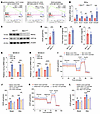 Figure 4
Men1 deficiency enhances FAO capacity in IECs. (A) Gene set enrichment analysis (GSEA) of IEC transcriptomes from Men1fl/fl and Men1ΔIEC mice, showing enrichment of mitochondrial FAO, PPARα-regulated lipid metabolism, and peroxisomal lipid metabolism pathways. (B) RT-qPCR analysis of FAO-related genes in IECs isolated from Men1fl/fl and Men1ΔIEC mice. (C) WB analysis of menin and CPT1A protein expression in IECs from Men1fl/fl and Men1ΔIEC mice. (D) Oxygen consumption rate (OCR) in primary IECs. (E) FAO activity in primary IECs. (F) CS activity in primary IECs. (G and H) RT-qPCR analysis of Ces1g (G) and Cpt1a (H) mRNA levels in MODE-K cells transduced with control vector or 2 independent Men1 shRNAs under BSA control or oleic acid treatment conditions. (I and J) Seahorse XF palmitate oxidation stress assay in control MODE-K cells treated with BSA or palmitate in the presence or absence of etomoxir (I), and quantification of basal and maximal OCR (J). FCCP, carbonyl cyanide p-trifluoromethoxyphenylhydrazone. (K and L) Seahorse XF palmitate oxidation stress assay in vector control and Men1-knockdown MODE-K cells supplied with palmitate in the presence or absence of etomoxir (K) and quantification of basal and maximal OCR (L). For B and C, n = 3 mice per group; for D–F, n = 6 mice per group; for G–L, n = 3. All data are presented as mean ± SD. Statistical significance was assessed by 2-way ANOVA for panels B, G, H, J, and L and by unpaired 2-tailed Student’s t test for panels D–F. *P < 0.05, **P < 0.01, ***P < 0.001, ****P < 0.0001.
To directly assess β-oxidation capacity, we measured metabolic activity in isolated IECs. Men1ΔIEC IECs displayed significantly higher oxygen consumption rate (OCR) and increased FAO activity compared with Men1fl/fl controls (Figure 4, D and E). In contrast, citrate synthase (CS) activity was unchanged between the 2 groups (Figure 4F), indicating that the enhanced FAO capacity was not simply due to increased mitochondrial abundance. We further validated the FAO phenotype in MODE-K cells. Men1 knockdown significantly increased Ces1g and Cpt1a expression under both BSA control and oleic acid–treated conditions (Figure 4, G and H). In palmitate oxidation stress assays, exogenous palmitate increased OCR in MODE-K cells, whereas the CPT1 inhibitor etomoxir attenuated this response, confirming the assay’s specificity (Figure 4, I and J). Importantly, Men1-knockdown MODE-K cells exhibited higher basal and maximal OCR when palmitate was supplied as the substrate, and this increase was suppressed by etomoxir treatment (Figure 4, K and L), indicating that Men1 deficiency promotes fatty acid–dependent mitochondrial respiration. Together, these results demonstrate that Men1 deficiency activates FAO-related transcriptional programs and directly enhances fatty acid–dependent mitochondrial respiration in IECs, thereby facilitating the utilization of FFAs generated by CES1-mediated TG hydrolysis.
The menin–HDAC1–LXRβ complex cooperatively represses Ces1g/CES1 transcription. To determine whether menin regulates Ces1g/CES1 transcription, we first examined Ces1g mRNA levels in Men1-knockdown MODE-K cells. Men1 knockdown significantly increased Ces1g mRNA and CES1 protein levels, whereas Men1 overexpression suppressed CES1 protein expression (Figure 5, A and B). We observed similar results in MEN1-knockdown CACO-2 cells, where both CES1 mRNA and protein levels were upregulated (Supplemental Figure 4, A and B) and were reduced upon MEN1 overexpression (Supplemental Figure 4B). Together with the upregulated Ces1g mRNA and CES1 protein levels observed in primary IECs of Men1ΔIEC mice (Figure 3E), these findings from both mouse and human intestinal cells confirm that menin negatively regulates Ces1g/CES1 transcription.
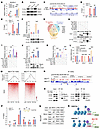 Figure 5
The menin–HDAC1–LXRβ complex cooperatively represses Ces1g/CES1 transcription. (A) RT-qPCR of Men1 and Ces1g in MODE-K cells after shMen1 knockdown (KD). (B) Immunoblotting of menin and CES1 after Men1 KD or overexpression (OE). (C) ChIP-seq of menin at the Ces1g promoter in IECs. (D and E) ChIP-qPCR of menin and polymerase II (Pol II) occupancy at Ces1g promoter regions P4 and P5. (F) Ces1g promoter luciferase activity with or without menin overexpression. (G) Overlap of transcription factors associated with CES1 regulation, metabolism, and menin interaction. (H) Co-IP of Flag-menin with HA-tagged HNF4α, LXRα, LXRβ, PPARγ, or RELA. (I) CES1 promoter activity following transcription factor OE. (J) Ces1g promoter activity in MEN1 wild-type or knockout HEK293T cells expressing LXRβ or vector. (K) Activities of wild-type and double-mutant CES1 promoter reporters in control or Men1-KO cells expressing LXRβ or vector. (L) Men1, Abca1, and Ces1g expression in control or Men1-KO MODE-K cells treated with 2 μM GSK2033. (M) Genome-wide H3 acetylation profiles around transcription start sites (±2.5 kb) in Men1fl/fl and Men1ΔIEC IECs. (N) H3 acetylation tracks at the Ces1g locus. (O) Co-IP showing LXRβ association with menin, HDAC1, and HDAC3. (P) ChIP-qPCR analysis of H3Ac, H3K27Ac, HDAC1, HDAC3, and LXRβ occupancy at promoter region P5. (Q) Sequential ChIP showing co-occupancy of menin, LXRβ, and HDAC1 at the Ces1g promoter. (R) Model of LXRβ-mediated recruitment of the menin–HDAC1 complex to repress Ces1g transcription. For A, I, K, and L, n = 3; panels B, F, H, J, O, and Q show representative results from 3 independent experiments; for D, E, and P, n = 3 mice per group. All data are presented as mean ± SD. Statistical significance was assessed by 2-way ANOVA for panels A, D, E, L, and P and by 1-way ANOVA for panels F and I–K. *P < 0.05, **P < 0.01, ***P < 0.001. LXR, liver X receptor; HDAC, histone deacetylase; HNF, hepatocyte nuclear factor.
To explore the underlying mechanism, we performed chromatin immunoprecipitation followed by sequencing (ChIP-seq) in mouse IECs. Menin was enriched at the Ces1g promoter but not at the Ces1c or Ces1d promoters, with only weak enrichment near the Ces2a promoter (Figure 5C and Supplemental Figure 4C). ChIP-qPCR at 3 candidate Ces2a promoter regions showed no significant menin enrichment (Supplemental Figure 4D), indicating that Ces2a is unlikely to be directly regulated by menin in this context. ChIP-qPCR screening covering the Ces1g promoter identified 2 regions (–426 to –658 bp and –1,921 to –2,286 bp) with specific menin enrichment, whereas adjacent sites, including –1,800 and –904 bp, showed no significant binding (Supplemental Figure 4E). Focusing on these 2 regions, we confirmed that menin occupancy was markedly reduced in Men1ΔIEC mice compared with Men1fl/fl controls, which was accompanied by increased RNA polymerase II recruitment (Figure 5, D and E) and correlated with an enhanced Ces1g transcription. Similar patterns were observed in human CACO-2 cells (Supplemental Figure 4F). In addition, dual-luciferase reporter assays further confirmed that Men1/MEN1 overexpression suppressed Ces1g and CES1 promoter activity (Figure 5F and Supplemental Figure 4G).
Because menin acts a scaffold protein that cooperates with transcription factors to coregulate lipid metabolic genes, we used transcription factor binding site predictions and literature mining (26–28) to identify 5 candidate transcription factors that potentially interact with menin to regulate CES1: HNF4α, LXRα, LXRβ, PPARγ, and RELA (Figure 5G). Co-immunoprecipitation (Co-IP) assays showed that menin interacts with HNF4α, LXRα, LXRβ, and PPARγ (Figure 5H). Dual-luciferase assays indicated that among these, LXRβ and RELA significantly enhanced CES1 promoter activity (Figure 5I). Notably, in MEN1-knockdown HEK293T cells, LXRβ exhibited an even greater effect in promoting Ces1g transcription, suggesting that menin may antagonize LXRβ-mediated CES1 transcription (Figure 5J).
As LXRβ regulates gene expression through LXR response elements (LXREs) (29), we next identified 2 conserved LXREs in the promoter regions of Ces1g and CES1 (Supplemental Figure 4, H and I) by using the JASPAR database. Of note, mutation of these LXREs diminished LXRβ-mediated transcriptional activation of Ces1g and CES1 in Men1/MEN1-knockdown cells (Figure 5K and Supplemental Figure 4J), supporting direct regulation by LXRβ. To further support this, we analyzed publicly available RNA-seq data (NCBI GEO, accession no. GSE167983) from mouse IECs treated with low-dose GW3965, a selective LXR agonist (30). Our analysis showed that LXR activation upregulated Ces1 and Ces2 expression in vivo (Supplemental Figure 5A). Conversely, treatment of MODE-K and CACO-2 cells with the LXR antagonist GSK2033 resulted in a dose-dependent suppression of Ces1g/CES1 mRNA and protein levels (Supplemental Figure 5, B–G). GSK2033 also reversed Ces1g mRNA (Figure 5L) and CES1 protein levels (Supplemental Figure 5, H and I) in Men1-deficient MODE-K cells, further supporting the notion that menin suppresses LXRβ-driven Ces1g transcription. To determine whether Men1 deficiency broadly activates canonical LXR signaling, we examined representative LXR-responsive genes involved in cholesterol efflux and lipid metabolism. Abca1, Abcg1, Acaca, Srebf1, Srebf2, Scd1, Acly, and Fasn were not significantly changed in IECs from Men1ΔIEC compared with Men1fl/fl controls (Supplemental Figure 5J). These results suggest that Men1 deficiency selectively enhanced Ces1g transcription without globally activating canonical LXR-responsive lipid metabolic programs.
Because menin can recruit chromatin-modifying enzymes to modulate chromatin accessibility at target gene loci (31), we next examined whether Men1 deletion affects histone acetylation at the Ces1g locus. ChIP-seq revealed increased in H3 acetylation (H3Ac) at the Ces1g regulatory region in Men1ΔIEC IECs (Figure 5, M and N), suggesting that menin represses transcription by maintaining a closed chromatin state. Consistently, co-IP experiments showed that LXRβ formed a complex with menin, HDAC1, and HDAC3 (Figure 5O). ChIP-qPCR analysis further revealed that Men1ΔIEC mice exhibited increased H3Ac and H3 acetylation at lysine 27 (H3K27Ac) levels at the Ces1g promoter, along with reduced HDAC1 occupancy, while HDAC3 and LXRβ binding remained unchanged (Figure 5P and Supplemental Figure 5K). Re-ChIP assays confirmed the simultaneous presence of menin, HDAC1, and LXRβ at the Ces1g promoter, supporting a cooperative repression mechanism (Figure 5Q). Collectively, these findings suggest that LXRβ recruits the menin–HDAC1 complex to the Ces1g promoter, leading to reduced histone acetylation and transcriptional repression of Ces1g (Figure 5R).
Pharmacological or genetic inhibition of intestinal menin attenuates HFD-induced weight gain in mice. To evaluate the therapeutic potential of targeting menin in obesity, we generated a tamoxifen-inducible (TAM-inducible) IEC-specific Men1-knockout mouse model (Men1ΔIEC-IND). Mice were fed an HFD starting at 6 weeks of age, followed by oral gavage with TAM at 12 weeks to induce Men1 deletion, and analyzed at 19 weeks (Figure 6A). WB analysis confirmed successful deletion of menin in the proximal intestinal epithelium of TAM-treated Men1ΔIEC-IND mice, which was accompanied by a marked increase in CES1 protein levels (Figure 6B). Under HFD conditions, Men1ΔIEC-IND mice gained significantly less weight than Men1fl/fl controls (Figure 6C). FTT further showed significantly lower postprandial serum TG levels in Men1ΔIEC-IND mice (Figure 6, D and E), and Nile Red staining revealed decreased lipid droplet accumulation in the intestinal epithelium after olive oil gavage (Figure 6, F and G). These results indicate that inducible Men1 deletion in IECs upregulates CES1 expression and mitigates HFD-induced lipid absorption and weight gain.
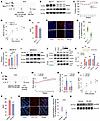 Figure 6
Pharmacological or genetic inhibition of intestinal menin attenuates HFD-induced weight gain in mice. (A) Men1fl/fl and Men1ΔIEC-IND mice were fed an HFD from 6 weeks of age, treated with tamoxifen (0.2 mg/g/d) for 5 days beginning at 12 weeks, and analyzed at 19 weeks. (B) Immunoblotting of menin and CES1 in IECs. (C) Body weight change after TAM. (D and E) Serum TG levels during the FTT and AUC. (F and G) Nile Red staining and quantification of lipid accumulation in proximal IECs. Five randomly selected fields per mouse were averaged as 1 data point. Scale bars: 50 μm. (H and I) Ces1g mRNA and menin/CES1 protein levels in MI-463–treated MODE-K cells. (J) Co-IP of Flag-menin and HA-LXRβ in MI-463–treated HEK293T cells. (K) ChIP-qPCR analysis of menin, LXRβ, H3K27Ac, and HDAC1 occupancy at the Ces1g promoter after MI-463 treatment. (L) HFD-fed C57BL/6 mice received vehicle or MI-463 (30 mg/kg/d, oral) from 12 to 18 weeks of age. (M) Body weight changes during treatment. (N) Ces1g expression in jejunum and liver. (O and P) Serum TG levels during FTT and corresponding AUC. (Q and R) Nile Red staining and quantification of intestinal epithelial lipid accumulation. Five fields per mouse were averaged as 1 data point. Scale bars: 100 μm. (S) Serum ApoB48 levels at 6 hours during FTT. For A–G and L–R, n = 6 mice per group; for S, n = 3 mice per group; for H and K, n = 3; panels I and J show representative results from 3 independent experiments. All data are presented as mean ± SD. Statistical analysis was assessed by 2-way ANOVA for panels C, D, K, and M–O; by unpaired 2-tailed Student’s t test for panels E, G, P, and R; and by 1-way ANOVA for panel H. **P < 0.01, ***P < 0.001, ****P < 0.0001.
Given that genetic ablation of Men1 could attenuate HFD-induced weight gain in mice, we investigated whether pharmacological inhibition of menin using MI-463 (32) recapitulates the metabolic benefits of genetic deletion. In MODE-K and CACO-2 cells, treatment with the menin inhibitor MI-463 dose-dependently increased Ces1g/CES1 mRNA and CES1 protein levels (Figure 6, H and I, and Supplemental Figure 6, A and B), suggesting that MI-463 activates the menin/CES1 axis. Co-IP assays revealed that MI-463 dose-dependently disrupted the interaction between menin and LXRβ (Figure 6J). ChIP-qPCR analysis showed that MI-463 treatment significantly reduced menin and HDAC1 binding at the Ces1g promoter, while increasing H3K27Ac enrichment but not affecting LXRβ binding (Figure 6K and Supplemental Figure 6C). These data support a model whereby MI-463 derepresses Ces1g/CES1 transcription by disrupting the menin–HDAC1–LXRβ complex.
To evaluate the in vivo efficacy of MI-463 in treating obesity, wild-type mice were fed on HFD for 6 weeks and then orally administered MI-463 at 30 mg/kg once daily or vehicle for an additional 6 weeks (Figure 6L). MI-463 treatment significantly attenuated HFD-induced weight gain compared with vehicle treatment (Figure 6M). Tissue gene expression analysis revealed that MI-463 specifically upregulated Ces1g in the intestine but not in the liver (Figure 6N), confirming its targeted action on intestinal lipid metabolism. In FTT assays, MI-463–treated mice exhibited lower serum TG levels (Figure 6, O and P), reduced intestinal lipid accumulation (Figure 6, Q and R), and decreased serum ApoB48 levels (Figure 6S), indicating attenuated CM formation and lipid absorption. Moreover, MI-463 treatment significantly decreased fasting insulin levels (Supplemental Figure 6D), improved glucose tolerance (Supplemental Figure 6, E and F), and enhanced insulin sensitivity (Supplemental Figure 6, G and H), suggesting a beneficial impact on glucose metabolism alongside obesity reduction. In addition, H&E staining revealed no obvious pathological changes in the heart, liver, spleen, jejunum, lung, or kidney (Supplemental Figure 6I). Serum alanine aminotransferase (ALT), aspartate aminotransferase (AST), creatinine (CRE), blood urea nitrogen (BUN), and uric acid (UA) levels were also comparable between vehicle- and MI-463–treated mice (Supplemental Figure 4, J–N), indicating no detectable liver or kidney toxicity. Collectively, these findings demonstrate that pharmacological inhibition of menin by MI-463 suppresses intestinal lipid export and substantially attenuates HFD-induced obesity and associated metabolic disturbances in mice.
MI-463 administration enhances CES1 expression and reduces lipid accumulation in human small intestinal organoids. To explore the translational relevance of CES1 in human intestinal lipid metabolism, we first analyzed proteins involved in intestinal fatty acid absorption and transport. We found high expression of enzymes responsible for fatty acid reesterification (MOGAT2, DGAT1) and CM assembly (MTTP, FABP2) while the lipolytic enzyme CES1 was expressed at low levels (Supplemental Figure 7A). These findings suggest that the human intestine predominantly favors lipid reesterification and packaging over intracellular lipolysis for lipid processing.
To validate whether menin inhibition enhances CES1 expression and modulates lipid metabolism in human intestinal epithelium, we employed a high-throughput intestinal barrier organ-on-chip system (IBAC-on-chip), derived from human small intestinal organoids (Figure 7A). Immunofluorescence staining confirmed expression of the intestinal differentiation markers VILLIN, MUC2, and CHGA, validating the intestinal identity of the organoid-derived epithelial barrier (Figure 7B). In the presence of oleic acid stimulation, MI-463 treatment dose-dependently increased CES1 mRNA expression and resulted in a dose-dependent upregulation of CES1 as measured by RT-qPCR (Figure 7C). Immunofluorescence analysis and quantitative imaging confirmed that MI-463 treatment significantly increased CES1 protein expression (Figure 7, D and E), supporting the capacity of menin inhibition to enhance the expression of this noncanonical lipase in human IECs. Furthermore, upon incubation with the fluorescent fatty acid analog BODIPY-C12, organoids treated with MI-463 displayed markedly reduced intracellular lipid staining, indicating a significant decrease in lipid accumulation within IECs (Figure 7, F and G). Collectively, these findings demonstrate that MI-463 upregulates CES1 expression and reduces lipid accumulation in a human organoid-derived intestinal epithelium model, further supporting the role of menin inhibition in modulating human intestinal metabolism.
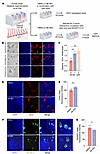 Figure 7
MI-463 administration enhances CES1 expression and reduces lipid accumulation in human small intestinal organoids. (A) Experimental design. Human small intestinal organoids were seeded in the IBAC M1 chip to establish a barrier model, treated with MI-463, and stimulated with oleic acid to mimic a high-fat condition. (B) Immunofluorescence staining of intestinal epithelial differentiation markers VILLIN, MUC2, and CHGA in the organoid-derived barrier model. Scale bars: 100 μm. (C) RT-qPCR analysis of CES1 mRNA levels in the organoid-derived barrier. (D and E) Representative immunofluorescence staining of CES1 (D) and quantification of mean CES1 fluorescence intensity (E) in organoid-derived intestinal barriers treated with DMSO or MI-463. Six randomly selected fields per chip were analyzed, and the mean value for each chip was used as 1 data point. Scale bars: 100 μm. (F and G) Representative BODIPY-C12 staining of intracellular lipid droplets (F) and quantification of mean BODIPY fluorescence intensity (G) in organoid-derived intestinal barriers treated with DMSO or MI-463 and subsequently incubated with oleic acid. Six randomly selected fields per chip were analyzed, and the mean value for each chip was used as 1 data point. Scale bars: 100 μm. For C, E, and G, n = 3; panels B, D, and F show representative results from 3 independent experiments. All data are presented as mean ± SD. Statistical significance was assessed by 1-way ANOVA for panel C and by unpaired 2-tailed t test for panels E and G. *P < 0.05, **P < 0.01.


Copyright © 2026 American Society for Clinical Investigation
ISSN: 0021-9738 (print), 1558-8238 (online)