
Advertisement
Research ArticleGeneticsNeuroscience
Open Access |  10.1172/JCI197503
AAV-mediated gene therapy in a model of SLC13A5 citrate transporter disorder rescues epileptic and metabolic phenotypes
Lauren E. Bailey,1 Raegan M. Adams,1,2 Morgan K. Schackmuth,1 Irvin T. Garza,1,2 Krishanna Knight,1 Sydni K. Holmes,1 Meghan M. Eller,1,2 MinJae Lee,3 and Rachel M. Bailey1,4
1Center for Alzheimer’s and Neurodegenerative Diseases, University of Texas Southwestern Medical Center, Dallas, Texas, USA.
2Graduate School of Biomedical Sciences, University of Texas Southwestern Medical School, Dallas, Texas, USA.
3Department of Health Data Science and Biostatistics, Peter O’Donnell Jr. School of Public Health, and
4Department of Pediatrics, University of Texas Southwestern Medical Center, Dallas, Texas, USA.
Address correspondence to: Rachel Bailey, University of Texas Southwestern Medical Center, 5323 Harry Hines Blvd., Dallas, Texas 75390, USA. Phone: 214.648.8510; Email: Rachel.Bailey@UTSouthwestern.edu.
Authorship note: LEB and RMA are co-first authors.
Find articles by Bailey, L. in: PubMed | Google Scholar
1Center for Alzheimer’s and Neurodegenerative Diseases, University of Texas Southwestern Medical Center, Dallas, Texas, USA.
2Graduate School of Biomedical Sciences, University of Texas Southwestern Medical School, Dallas, Texas, USA.
3Department of Health Data Science and Biostatistics, Peter O’Donnell Jr. School of Public Health, and
4Department of Pediatrics, University of Texas Southwestern Medical Center, Dallas, Texas, USA.
Address correspondence to: Rachel Bailey, University of Texas Southwestern Medical Center, 5323 Harry Hines Blvd., Dallas, Texas 75390, USA. Phone: 214.648.8510; Email: Rachel.Bailey@UTSouthwestern.edu.
Authorship note: LEB and RMA are co-first authors.
Find articles by Adams, R. in: PubMed | Google Scholar
1Center for Alzheimer’s and Neurodegenerative Diseases, University of Texas Southwestern Medical Center, Dallas, Texas, USA.
2Graduate School of Biomedical Sciences, University of Texas Southwestern Medical School, Dallas, Texas, USA.
3Department of Health Data Science and Biostatistics, Peter O’Donnell Jr. School of Public Health, and
4Department of Pediatrics, University of Texas Southwestern Medical Center, Dallas, Texas, USA.
Address correspondence to: Rachel Bailey, University of Texas Southwestern Medical Center, 5323 Harry Hines Blvd., Dallas, Texas 75390, USA. Phone: 214.648.8510; Email: Rachel.Bailey@UTSouthwestern.edu.
Authorship note: LEB and RMA are co-first authors.
Find articles by Schackmuth, M. in: PubMed | Google Scholar
1Center for Alzheimer’s and Neurodegenerative Diseases, University of Texas Southwestern Medical Center, Dallas, Texas, USA.
2Graduate School of Biomedical Sciences, University of Texas Southwestern Medical School, Dallas, Texas, USA.
3Department of Health Data Science and Biostatistics, Peter O’Donnell Jr. School of Public Health, and
4Department of Pediatrics, University of Texas Southwestern Medical Center, Dallas, Texas, USA.
Address correspondence to: Rachel Bailey, University of Texas Southwestern Medical Center, 5323 Harry Hines Blvd., Dallas, Texas 75390, USA. Phone: 214.648.8510; Email: Rachel.Bailey@UTSouthwestern.edu.
Authorship note: LEB and RMA are co-first authors.
Find articles by Garza, I. in: PubMed | Google Scholar
1Center for Alzheimer’s and Neurodegenerative Diseases, University of Texas Southwestern Medical Center, Dallas, Texas, USA.
2Graduate School of Biomedical Sciences, University of Texas Southwestern Medical School, Dallas, Texas, USA.
3Department of Health Data Science and Biostatistics, Peter O’Donnell Jr. School of Public Health, and
4Department of Pediatrics, University of Texas Southwestern Medical Center, Dallas, Texas, USA.
Address correspondence to: Rachel Bailey, University of Texas Southwestern Medical Center, 5323 Harry Hines Blvd., Dallas, Texas 75390, USA. Phone: 214.648.8510; Email: Rachel.Bailey@UTSouthwestern.edu.
Authorship note: LEB and RMA are co-first authors.
Find articles by Knight, K. in: PubMed | Google Scholar
1Center for Alzheimer’s and Neurodegenerative Diseases, University of Texas Southwestern Medical Center, Dallas, Texas, USA.
2Graduate School of Biomedical Sciences, University of Texas Southwestern Medical School, Dallas, Texas, USA.
3Department of Health Data Science and Biostatistics, Peter O’Donnell Jr. School of Public Health, and
4Department of Pediatrics, University of Texas Southwestern Medical Center, Dallas, Texas, USA.
Address correspondence to: Rachel Bailey, University of Texas Southwestern Medical Center, 5323 Harry Hines Blvd., Dallas, Texas 75390, USA. Phone: 214.648.8510; Email: Rachel.Bailey@UTSouthwestern.edu.
Authorship note: LEB and RMA are co-first authors.
Find articles by Holmes, S. in: PubMed | Google Scholar
1Center for Alzheimer’s and Neurodegenerative Diseases, University of Texas Southwestern Medical Center, Dallas, Texas, USA.
2Graduate School of Biomedical Sciences, University of Texas Southwestern Medical School, Dallas, Texas, USA.
3Department of Health Data Science and Biostatistics, Peter O’Donnell Jr. School of Public Health, and
4Department of Pediatrics, University of Texas Southwestern Medical Center, Dallas, Texas, USA.
Address correspondence to: Rachel Bailey, University of Texas Southwestern Medical Center, 5323 Harry Hines Blvd., Dallas, Texas 75390, USA. Phone: 214.648.8510; Email: Rachel.Bailey@UTSouthwestern.edu.
Authorship note: LEB and RMA are co-first authors.
Find articles by Eller, M. in: PubMed | Google Scholar
1Center for Alzheimer’s and Neurodegenerative Diseases, University of Texas Southwestern Medical Center, Dallas, Texas, USA.
2Graduate School of Biomedical Sciences, University of Texas Southwestern Medical School, Dallas, Texas, USA.
3Department of Health Data Science and Biostatistics, Peter O’Donnell Jr. School of Public Health, and
4Department of Pediatrics, University of Texas Southwestern Medical Center, Dallas, Texas, USA.
Address correspondence to: Rachel Bailey, University of Texas Southwestern Medical Center, 5323 Harry Hines Blvd., Dallas, Texas 75390, USA. Phone: 214.648.8510; Email: Rachel.Bailey@UTSouthwestern.edu.
Authorship note: LEB and RMA are co-first authors.
Find articles by Lee, M. in: PubMed | Google Scholar
1Center for Alzheimer’s and Neurodegenerative Diseases, University of Texas Southwestern Medical Center, Dallas, Texas, USA.
2Graduate School of Biomedical Sciences, University of Texas Southwestern Medical School, Dallas, Texas, USA.
3Department of Health Data Science and Biostatistics, Peter O’Donnell Jr. School of Public Health, and
4Department of Pediatrics, University of Texas Southwestern Medical Center, Dallas, Texas, USA.
Address correspondence to: Rachel Bailey, University of Texas Southwestern Medical Center, 5323 Harry Hines Blvd., Dallas, Texas 75390, USA. Phone: 214.648.8510; Email: Rachel.Bailey@UTSouthwestern.edu.
Authorship note: LEB and RMA are co-first authors.
Find articles by
Bailey, R.
in:
PubMed
|
Google Scholar
|

Published February 19, 2026 - More info
J Clin Invest. 2026;136(8):e197503. https://doi.org/10.1172/JCI197503.
© 2026 Bailey et al. This work is licensed under the Creative Commons Attribution 4.0 International License. To view a copy of this license, visit http://creativecommons.org/licenses/by/4.0/.
Received: July 3, 2025; Accepted: February 17, 2026


-
Results
Design and functional testing of a gene vector expressing NaCT. For downstream human application, we developed the AAV/UsP-SLC13A5 vector consisting of a ubiquitously expressed minimal synthetic JeT plus intron promoter (UsP) (24), driving the expression of codon-optimized human SLC13A5 cDNA that has a synthetic polyA tail (Figure 1A) (25). Given AAV packaging constraints (26, 27), use of the short UsP allows self-complementary packaging of the 1.7 kb SLC13A5 coding sequence, which is predicted to stably transduce at least 10-fold more cells than single-stranded AAV (26, 27). The gene insert is bounded by the AAV2 ITRs, where 1 terminal repeat has the WT 144 nt sequence and the other ITR (ΔITR) is mutated to delete the AAV DNA resolution site and D sequence to direct preferential replication and packing of self-complementary AAV (scAAV) DNA sequences (28). We chose a scAAV design to promote faster and more stable onset of transgene expression and accommodate a smaller gene load without the need for exogenous stuffer sequences. While rapid expression is not strictly required for disease maintenance, earlier functional rescue may mitigate downstream network and developmental abnormalities in SLC13A5 deficiency. This construct was packaged into an AAV9 capsid, a clinically validated serotype with strong translational precedent and broad CNS tropism. Since SLC13A5 is expressed in both the brain (neurons and glia) and liver, use of a ubiquitous promoter would allow for expression in critical cell and tissue types.
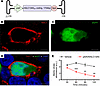 Figure 1
AAV/SLC13A5 vector design, expression, and function in cells. (A) Schematic of AAV9/SLC13A5 transgene. ITR, inverted terminal repeat. (B–D) Representative image of a HEK293T cell cotransfected with a plasmid expressing eGFP and pAAV/SLC13A5 showed that 48 hours after transfection NaCT staining was in a punctate pattern around the outer edge of the cell and that eGFP fluorescence, which was detected homogenously in the cytosol, did not colocalize with NaCT (B, NaCT; C, eGFP; D, merged NaCT, eGFP, and DAPI). Scale bar: 5 μm. (E) Uptake of citrate (1 μM) into HEK293T cells transfected with vehicle or pAAV9/SLC13A5. Citrate abundance in the media was assessed at 30, 60, 90, and 120 minutes after addition to wells via GC-MS. Two-way ANOVA, Šídák’s post hoc analysis; **P < 0.01, ***P < 0.001. n = 3 per treatment. Data shown as mean ± SEM. a.u., arbitrary units.
Expression of the AAV/SLC13A5 vector plasmid was assessed using immunocytochemistry, as commercially available NaCT antibodies did not reliably identify a band via Western blot analysis. HEK293T cells lack NaCT expression and have naturally low transport of extracellular citrate, thus providing an applicable assay to test the functional potential of the SLC13A5 gene therapy vector in human cells. To assess localization, HEK293T cells were transfected with our pAAV/SLC13A5 plasmid and a plasmid expressing eGFP protein. eGFP is a soluble protein that is diffusely located in the cytoplasm and should not overlap with plasma membrane proteins. After 48 hours, cells were fixed, and immunocytochemistry was performed with antibodies that recognize human NaCT and eGFP, respectively, to verify that NaCT localized to the plasma membrane (Figure 1, B–D). To confirm vector-expressed NaCT transports citrate into cells, we transfected HEK293T cells with pAAV9/SLC13A5 or vehicle for 48 hours. We added 1 μM of citric acid to the cell culture media, and then a time course of collected media samples was assessed for citrate using gas chromatography-MS (GC-MS). Over 2 hours, cells transfected with vehicle showed very low baseline citrate transport, while pAAV9/SLC13A5 treatment decreased extracellular citrate levels by about 70% (Figure 1E), indicating increased citrate transport from the extracellular fluid into cells. Together these results demonstrate that pAAV9/SLC13A5 results in functional NaCT protein in human cells.
AAV9/SLC13A5 treatment restores functional NaCT in Slc13a5-KO mice. To test the hypothesis that broad CNS and peripheral delivery of the human SLC13A5 gene using AAV9 can provide an effective treatment for SLC13A5 citrate transporter disorder, we utilized homozygous Slc13a5-KO mice (10). Preclinical efficacy studies were performed in postnatal day 10 (P10) pups, comparing IT delivery of either 2 × 10¹¹ vector genome (vg; low dose) or 8 × 10¹¹ vg (high dose), and mice were followed up to approximately 4 months (mo) postinjection (Figure 2A). Vehicle-treated WT and KO littermates served as controls. We first determined if AAV9/SLC13A5 treatment resulted in functional NaCT by measuring blood citrate levels. This is clinically relevant, as patients have significantly elevated citrate levels in the blood and CSF. Similarly, Slc13a5-KO mice had significantly elevated citrate levels (Figure 2B). Treatment with AAV9/SLC13A5 significantly decreased plasma citrate levels in KO mice in a dose-dependent manner as compared with control KO mice, where at 2 mo postinjection low dose–treated mouse citrate levels were decreased to 87% ± 7.7% of WT levels and high dose–treated mice were decreased to 65% ± 8.0% (Figure 2C), supporting that NaCT function was restored.
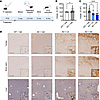 Figure 2
P10 IT administrations of AAV9/SLC13A5 gene therapy in Slc13a5-KO mice result in robust NaCT in the brain and decreased blood citrate levels. (A) Schematic of the efficacy study in Slc13a5-KO mice IT-injected at P10 with vehicle or 2 × 10¹¹ vg (low dose; LD) or 8 × 10¹¹ vg (high dose; HD) of AAV9/SLC13A5. (B and C) GC-MS detection of citrate levels 2 months posttreatment relative to WT controls. (B) Vehicle-treated WT and Slc13a5-KO mice. Student’s unpaired t test, *P < 0.05. (C) Vehicle-, AAV9/SLC13A5 LD–, and HD-treated KO mice. One-way ANOVA with Dunnett’s multiple comparisons test, *P < 0.05, ****P < 0.0001. n = 8 WT+Veh, 10 KO+Veh, 10 KO+LD, 10 KO+HD. Data shown as mean ± SEM. (D) Representative images of mouse brain and liver collected 4 months posttreatment and stained with SLC13A5/NaCT antibody in the cortex (top), brain stem (middle), and liver (bottom). Scale bar: 200 μm.
We directly assessed NaCT protein expression using immunohistochemical analysis. In WT mice, staining was indistinguishable from that observed in vehicle-treated KO mice, indicating that the NaCT antibody does not recognize endogenous mouse NaCT protein and that the signal represents nonspecific background signal (Figure 2D). In contrast, P10 AAV9/SLC13A5-treated mice showed dose-dependent, widespread expression of NaCT throughout the brain and liver (Figure 2D and Supplemental Figure 1; supplemental material available online with this article; https://doi.org/10.1172/JCI197503DS1). Notably, the staining pattern was consistent with membrane localization as shown in the Figure 2D insets, supporting appropriate plasma membrane trafficking of the transgene-encoded NaCT protein.
AAV9/SLC13A5 treatment is well tolerated in Slc13a5-KO mice. Vector treatment in KO mice was well tolerated, with no adverse effects observed across treated animals. This was supported by normal body weight gain and maintenance, survival, and general activity in all groups (Supplemental Figure 2). We also assessed urinary citrate levels. Vehicle-treated WT and KO mice exhibited comparable urinary citrate levels, albeit with high variability within each group, suggesting no baseline difference in citrate excretion (Supplemental Figure 3A). Low dose–treated mice similarly showed substantial variability and a 27% reduction in mean urinary citrate levels compared with KO+vehicle controls; however, this difference was not statistically significant (P = 0.6983; Supplemental Figure 3A). Importantly, altered blood or urinary citrate levels were not associated with kidney or liver toxicity as blood biochemistry markers remained within normal ranges across all groups. (Supplemental Figure 3, B–E).
Seizure susceptibility is attenuated with AAV9/SLC13A5 treatment of Slc13a5-KO pups. Efficacy was tested, in part, by assessing epileptiform activity using wireless telemetry devices. Representative EEG traces demonstrated that ~3-month-old Slc13a5-KO mice had increased EEG abnormalities compared with WT mice (Figure 3A). Quantification of epileptic spike trains confirmed a small, nonsignificant increase in epileptiform discharges in control KO mice compared with WT mice (Figure 3B). In KO mice, treatment with AAV9/SLC13A5 decreased the number of spike trains in a dose-dependent manner compared with vehicle treatment (Figure 3, A and B).
 Figure 3
AAV9/SLC13A5 gene therapy rescues epilepsy in Slc13a5-KO mice treated at P10. (A and B) Surface EEG was collected at 3 months of age using a wireless telemetry implant in WT and KO mice IT-injected at P10 with vehicle or 2 × 10¹¹ vg (LD) or 8 × 10¹¹ vg (HD) AAV9/SLC13A5. (A) Representative EEG traces over a 10-minute period. (B) Total spike train counts over 2 recordings, 60 hours each. (C–H) Seizure susceptibility was assessed with administration of 30 mg/kg pentylenetetrazol (PTZ) every other day for 8 total injections. (C and D) Vehicle-treated Slc13a5-KO mice were significantly more susceptible to PTZ-induced seizures compared with WT mice, exhibiting increased seizure severity (C) and decreased latency to seizure (D). (E) Survival of vehicle-treated controls over the course of 8 injections. (F–H) Treatment with AAV9/SLC13A5 in KO mice reduced seizure severity (F) and increased seizure latency compared with KO+Vehicle mice (G). (H) Survival of PTZ study mice over the course of 8 injections. Repeated measures ANOVA as compared with KO+Veh group: genotype/treatment effect *P ≤ 0.05, **P < 0.01; genotype/treatment × PTZ injection effect #P < 0.05, ##P < 0.01, ####P < 0.0001. n = 20 WT+Veh, 21 KO+Veh, 19 KO+LD, 18 KO+HD. Data shown as mean ± SEM.
Slc13a5-KO mice have occasional sporadic seizures and are more susceptible to seizure induction (11). In young adult KO mice we did not observe sporadic seizures, so we tested seizure susceptibility using a chronic induction paradigm using a fixed low dose (30 mg/kg) of 8 injections of pentylenetetrazol (PTZ) (29). PTZ is a well-established chemoconvulsant that induces seizures through antagonism of GABAA receptor-mediated inhibitory neurotransmission, thereby lowering seizure threshold. Seizure severity was scored using a modified Racine scale, where 0 to 2 represents none to partial/focal seizures, scores of 3 to 5 are generalized seizures, and a maximal score of 6 represents prolonged tonic extensions of muscles that result in death (30). On average, WT mice failed to develop generalized seizures (score of 3 or greater) while KO mice had a significant increase in seizure severity that progressed to generalized seizures and coincided with a significant reduction in latency to seize (Figure 3, C and D). KO mice treated with low-dose AAV9/SLC13A5 had significantly decreased seizure severity and increased the latency to seize with repeat PTZ injections as compared with vehicle-treated KO mice (Figure 3, F and G). KO mice treated with high-dose AAV9/SLC13A5 had similar Racine scores and latency to seize as low dose–treated KO mice and on average failed to develop generalized seizures. Additionally, 1/20 WT+Vehicle (5%), 6/21 KO+Vehicle (29%), 4/19 KO+LD (21%), and 3/18 KO+HD (18%) mice died by the eighth injection (Figure 3, E and H). Together, these results support that early gene therapy treatment reduces epileptiform activity and protects against seizure-related death in an SLC13A5 mouse model.
Adolescent AAV9/SLC13A5 treatment rescues EEG abnormalities and restores normal sleep. Previously, we reported that the vehicle-treated young adult Slc13a5-KO mice have increased activity during the light cycle, when mice typically sleep; decreased paradoxical sleep; and changes in absolute power spectral density (PSD) as compared with the vehicle-treated WT mice, indicating altered sleep architecture in KO mice (2). In treated KO mice, we found that during the dark cycle, when mice are typically active, vehicle- and virus-treated KO mice had similar levels of activity (Figure 4A). During the light cycle, the abnormally high activity in untreated KO mice was normalized with the high dose (P = 0.0022; Figure 4B), suggesting that treated KO mice spend more time asleep. Analysis of the specific sleep stages using the EEG and electromyogram (EMG) data showed that vehicle- and vector-treated KO mice spent a similar percentage of time in active wake, quiet wake, and slow wave sleep stages (Figure 4, C–E), while the low amount of time that vehicle-treated KO mice spend in paradoxical sleep was increased with gene therapy in a dose-dependent manner (low dose P = 0.0853, high dose P = 0.0223; Figure 4F).
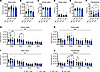 Figure 4
P10 IT delivery of AAV9/SLC13A5 rescues altered EEG sleep signatures in Slc13a5-KO mice. (A and B) Overall activity counts of WT and KO mice during the dark (A) and light (B) cycles. (C–F) Percentage of time spent in active wake (C), quiet wake (D), slow-wave sleep (E), and paradoxical sleep (F). One-way ANOVA with uncorrected Fisher’s least significant difference, *P < 0.05, **P < 0.01. (G–J) Power spectral density during active wake (G), quiet wake (H), slow-wave sleep (I), and paradoxical sleep (J), divided into delta, theta, alpha, and beta frequencies. Two-way ANOVA, genotype effect ##P < 0.01, ###P < 0.001, ####P < 0.0001, treatment effect &P < 0.05, &&P < 0.01; with Šídák’s multiple comparisons test (WT vs. KO) or Dunnett’s multiple comparisons test (KO vs. KO treated groups) *P < 0.05, **P < 0.01. n = 22 KO+Veh, 20 KO+LD, 19 KO+HD. Data shown as mean ± SEM.
We then performed PSD analysis across 0–30 Hz frequencies. Frequency bands were defined as delta (0.5–4 Hz), theta (4–8 Hz), alpha (8–12 Hz), and beta (12–30 Hz). Power band analysis of treated KO mice showed a dose-dependent decrease of slow wave activity (delta and theta waves) during the active wake stage (Dunnett’s multiple comparisons test, delta: low dose P = 0.1530, high dose P = 0.0024; theta: low dose P = 0.3327, high dose P = 0.0060). Previously, we reported that the absolute PSD during paradoxical sleep was significantly altered in vehicle-treated KO mice as compared with vehicle-treated WT mice, with theta and alpha power bands being significantly decreased in KO mice (2). In gene therapy–treated mice, we found an increase of absolute PSDs during paradoxical sleep (2-way ANOVA, treatment effect F2, 232 = 3.574, P = 0.0296), with a dose-dependent increase of theta power waves (Dunnett’s multiple comparisons test, low dose: P = 0.3573, high dose: P = 0.0582), while alpha waves were similar among all treatment groups (Figure 4, G–J). Together these results support that AAV9/SLC13A5 treatment in P10 KO mice achieves a dose-dependent rescue of sleep dysfunction.
Gene therapy treatment results in a sustained functional NaCT. Given that AAV9/SLC13A5 treatment confers neurological benefit, we next examined potential factors that may contribute to this effect. In addition to increased blood citrate levels, Slc13a5-KO mice also exhibit elevated citrate levels in the CSF, and extracellular citrate has been hypothesized to contribute to neuronal hyperexcitability in this disorder (8, 11, 31). To determine if AAV9/SLC13A5 gene replacement therapy results in a sustained decrease of CSF citrate levels, a second cohort of mice was injected at P10 with 2 × 10¹¹ vg (low dose), and CSF was collected at 6–7 months postinjection (Supplemental Figure 4A). LC-MS analysis confirmed that vehicle-treated Slc13a5-KO mice had significantly higher CSF citrate levels compared with vehicle-treated WT mice (Supplemental Figure 4B). Gene therapy treatment decreased CSF citrate levels to 81% ± 3.9% of WT levels (Supplemental Figure 4B).
To further characterize transgene expression across the brain, we examined cellular transduction patterns. Costaining of NaCT with cell-specific markers confirmed that, in agreement with prior characterizations of AAV9 tropism, the AAV9/SLC13A5 vector transduced both neurons and glia (Supplemental Figure 4, C–F) (32, 33). Importantly, this NaCT expression was observed in brains assessed up to 7 months postinjection, indicating sustained transgene expression. In KO + low-dose–treated mice, NaCT+ cells were more frequently neuronal (MAP2+) than astrocytic (S100B+). For example, within the brain stem, 16% of MAP2+ cells were NaCT+ compared with 6% of S100B+ cells, which was similar across other regions analyzed, including the hippocampus and cortex (Supplemental Figure 4, C–F). Collectively, these findings support that AAV9/SLC13A5 gene therapy results in sustained, functional NaCT expression with predominant neuronal transduction.
ICM delivery of AAV9/SLC13A5 in adult KO mice results in greater brain NaCT expression than IT delivery. Having found that gene therapy treatment in developing mice provided benefit, we then asked if treatment in adult mice, later in the disease course and after brain development is complete, is beneficial. Our prior work showed that IT lumbar puncture injection of AAV9 in adult mice results in significantly decreased brain transduction as compared with mice injected at P10 (33). To address this, we evaluated delivery route as a strategy to enhance CNS exposure in adult mice. ICM delivery has been shown by our group and others to achieve greater brain transduction than IT delivery in adult mice (32). To test this, young adult (3 mo) Slc13a5-KO and WT mice were IT- or ICM-treated injected with vehicle or AAV9/SLC13A5 and were followed for approximately 6 months postinjection (Figure 5A) (32). Adult treatment was well tolerated, with no adverse effects observed across all the animals treated as determined by body weight gain/maintenance, survival, and general activity (Supplemental Figure 5).
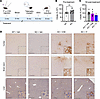 Figure 5
ICM delivery of AAV9/SLC13A5 in adult KO mice results in greater brain NaCT expression compared with IT delivery. (A) Schematic of the efficacy study in Slc13a5-KO mice ICM- or IT-injected at 3 months with vehicle or 8 × 10¹¹ vg AAV9/SLC13A5. (B and C) GC-MS analysis of plasma citrate, relative to WT+Vehicle controls. (B) Pretreatment WT and KO controls. n = 8 WT, 13 KO. Student’s unpaired t test, **P < 0.01. (C) Vehicle- AAV9/SLC13A5 ICM–, and IT-treated KO mice 1 mo posttreatment. n = 6 KO+Veh, 3 KO+ICM, 3 KO+IT. (D) Representative images of mouse brain collected 6 months posttreatment and stained with SLC13A5/NaCT antibody in the cortex (top), brain stem (middle), and liver (bottom). Scale bar: 200 μm.
Blood was assessed for citrate from a subset of WT and KO mice prior to AAV injection and 1 month postinjection. In agreement with our vehicle-treated mice from our prior study (Figure 2), we found that untreated KO mice had significantly increased blood citrate levels compared with untreated WT mice (Figure 5B). Treatment with AAV9/SLC13A5 decreased plasma citrate levels in KO mice to 93.3% ± 26.1% of WT levels via ICM administration and to 73.7% ± 10.7% via the IT route (Figure 5C). We also assessed SLC13A5 transgene expression in the brain by staining for NaCT protein. In AAV9/SLC13A5-treated mice, there was widespread expression of the SLC13A5 protein throughout the brain and liver, with higher expression achieved across the brain with ICM delivery as compared with IT delivery (Figure 5D and Supplemental Figure 6). Compared with mice treated with the same dose and via the same route at P10 (Figure 2 and Supplemental Figure 1), KO IT-injected at 3 mo had relatively lower NaCT levels throughout the brain.
AAV9/SLC13A5 treatment of adult KO mice rescues epileptic phenotypes. Mice were implanted with telemetry devices at ~5 months postinjection, and EEG, EMG, and activity data were recorded over two 60-hour recording periods. In WT mice, EEG brain activity was normal while KO mice treated with vehicle had increased epileptiform activity (Figure 6A). ICM administration of AAV9/SLC13A5 normalized brain activity of KO mice to WT levels and to a lesser extent with IT administration (Figure 6A). Quantification of spike trains showed that compared with WT mice, KO mice had significantly increased number of spike trains and that treatment with AAV9/SLC13A5 resulted in a significant decrease in the number of spike trains with ICM administration and to a lesser extent with IT administration (Figure 6B).
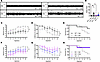 Figure 6
ICM delivery of AAV9/SLC13A5 has greater rescue of epileptic phenotypes compared with IT delivery in adult Slc13a5-KO mice. (A and B) Surface EEG collected from WT and KO mice injected at 3 months via ICM or IT with vehicle or 8 × 10¹¹ vg AAV9/SLC13A5. (A) Representative EEG traces over a 10-minute period. (B) KO mice exhibited elevated spike train counts that were reduced with gene therapy. One-way ANOVA, *P < 0.05, **P < 0.01. (C–H) Seizure susceptibility was assessed with administration of 30 mg/kg PTZ every other day for 8 total injections. (C–E) Vehicle-treated Slc13a5-KO mice were significantly more susceptible to PTZ-induced seizures compared with WT mice, exhibiting increased seizure severity (C), decreased latency to seizure (D), and increased incidence of seizure-induced death (E). (F–H) Seizure susceptibility of AAV9/SLC13A5-treated mice were compared with KO+Vehicle mice. ICM delivery resulted in significantly decreased seizure severity (F) and decreased latency to seizure (G). (H) ICM and IT delivery of AAV9/SLC13A5 reduced seizure-induced death. Repeated measures 2-way ANOVA as compared with KO+Veh group: genotype/treatment effect *P ≤ 0.05. n = 7 WT+Veh, 9 KO+Veh, 6 KO+ICM, 6 KO+IT. Data shown as mean ± SEM.
Mice were then assessed for seizure susceptibility using our PTZ kindling paradigm described above. At 9 months of age, WT mice had an average Racine Score of 2.9 ± 1.0 by injection 8. In contrast, control KO mice were significantly more susceptible to seizure induction and had a mean Racine Score of 5.2 ± 0.5 by injection 8 and a significantly reduced latency to seize as compared with WT mice (Figure 6, C and D). The increased seizure susceptibility resulted in early lethality in 2/8 WT+Vehicle mice (25%) and 6/9 KO+Vehicle mice (67%) (Figure 6E). Treatment of KO mice with AAV9/SLC13A5 decreased seizure severity with a significant improvement when delivered via the ICM route and to a lesser extent via the IT route as compared with vehicle-treated KO mice (Figure 6F). By injection 8, KO+ICM mice and KO+IT mice had an average Racine Score of 3.2 ± 1.0 and 3.8 ± 0.8, respectively. AAV9/SLC13A5-treated KO mice also had increased latency to seizure onset as compared with KO control mice (Figure 6G). By decreasing seizure susceptibility, seizure-related deaths were decreased in treated KO mice, where only 1/6 KO+ICM (17%) and 1/6 KO+IT (17%) died by the eighth injection (Figure 6H). Together, these results support that AAV9/SLC13A5 administration in young adult mice restored resistance to the onset of seizures and reduced seizure severity.
Adult AAV9/SLC13A5 treatment does not alter general activity levels. Analysis of telemetry implant data showed that at 8 months of age, conscious, freely moving KO mice had similar activity levels within their home cages during the light and dark periods as compared to WT mice (Supplemental Figure 7). When treated mice were assessed, we found that injection of AAV9/SLC13A5 by either ICM or IT delivery route did not significantly alter the activity of older KO mice (Supplemental Figure 7).
Sleep dysfunction and abnormal electrophysiologic power spectrum are ameliorated in Slc13a5-KO mice when treated as adults. At 8 months of age, KO mice spent significantly less time in the active wake phase and more time in the slow wave sleep phase as compared with WT mice (Figure 7, A–D). This supports that older adult Slc13a5-KO mice have altered sleep physiology, although in contrast with young adult animals (2), sleep dysfunction was characterized by less time spent awake and more time spent asleep. When KO mice were treated with AAV9/SLC13A5, there was a trending increase in the amount of time spent in active wake and decreased time spent sleeping as compared with vehicle-treated KO mice, with the greatest rescue seen in mice that were ICM-treated versus IT-treated (Figure 7, A–D).
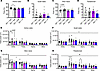 Figure 7
AAV9/SLC13A5 treatment in adult Slc13a5-KO mice ameliorates sleep abnormalities. (A–D) Assessments of percentage of time spent in active wake (A), quiet wake (B), slow-wave sleep (C), and paradoxical sleep (D) in vehicle- and AAV9/SLC13A5-treated WT and KO mice. One-way ANOVA with uncorrected Fisher’s LSD, *P < 0.05. (E–H) Power spectral density during active wake (E), quiet wake (F), slow-wave sleep (G), and paradoxical sleep (H), divided into delta, theta, alpha, and beta frequencies in WT Vehicle, KO Vehicle, and AAV9/SLC13A5 ICM- and IT-treated mice. Two-way ANOVA, genotype effect #P < 0.05, ##P < 0.01; with uncorrected Fisher’s LSD, *P < 0.05, **P < 0.01. n = 11 WT+Veh, 10 KO+Veh, 7 KO+ICM, 6 KO+IT. Data shown as mean ± SEM.
The power spectra within the specific sleep/wake stages were then assessed. We found that delta waves significantly increased in KO mice during the active wake period as compared with WT mice, which decreased with treatment of AAV9/SLC13A5, with a stronger improvement observed in the ICM route of administration (Figure 7E). In contrast, during quiet wake, slow wave sleep, and paradoxical sleep, KO mice had an overall decrease of absolute PSD across all frequencies (including delta) as compared with WT mice (Figure 7, F–H). In agreement with our prior PSD analysis of 4-month-old KO mice, theta and alpha waves in paradoxical sleep were decreased in KO mice compared with WT (Figure 7H) (2). Treatment with AAV9/SLC13A5 resulted in a general increase of the absolute spectral power during quiet wake, slow wave sleep, and paradoxical sleep (Figure 7, F–H). Additionally, during paradoxical sleep, there was a trend of increased alpha activity in ICM and IT AAV9/SLC13A5-treated KO mice as compared with vehicle-treated KO mice (Figure 7H). Together, these results support that older adult Slc13a5-KO mice have sleep disturbances that result in increased slow wave power during wake periods, which can be ameliorated with AAV9/SLC13A5 treatment.
Vector brain biodistribution was dose dependent when administered in young mice and route dependent in adult mice. To assess vector distribution with the different ages of injection, routes of delivery, and doses, liver and brain (frontal cortex, brain stem, cerebellum) were assessed via droplet digital PCR (ddPCR) for SLC13A5 transgene. Overall, Slc13a5-KO animals dosed at P10 with the high dose had a significantly greater abundance of AAV9/SLC13A5 vg/μg host genomic DNA when compared with those dosed with the low dose (Figure 8A). As expected for IT delivery of AAV9, the liver had a greater amount of vector than the brain (19, 32). KO animals dosed at 3 mo by ICM administration had a larger abundance of AAV9/SLC13A5 in the brain (cerebellum: 7.5 × 10³ ± 5.9 × 10³ vg/mouse genome) compared with animals dosed by IT administration (cerebellum: 1.2 × 10³ ± 7.4 × 10² vg/mouse genome), while the amount of vector present in the liver was comparable (ICM: 1.5 × 10⁴ ± 5.2 × 10³ vg/mouse genome; IT: 1.4 × 10⁴ ± 2.8 × 10³ vg/mouse genome; Figure 8B). In agreement with our prior work in WT mice (33), IT delivery of AAV9 in KO mice at P10 resulted in markedly higher brain transduction (cerebellum: 15.7 × 10³ ± 3.1 × 10³ vg/mouse genome) as compared with KO mice IT injected with the same dose at 3 mo (cerebellum: 1.2 × 10³ ± 7.4 × 10² vg/mouse genome). Together, the biodistribution data support that CSF delivery of AAV9/SLC13A5 via IT lumbar puncture or ICM injection efficiently transduces target tissues important for SLC13A5 citrate transporter disorder, with greater distribution achieved with administration in younger animals versus older animals.
 Figure 8
Biodistribution of AAV9/SLC13A5 following CSF delivery in Slc13a5-KO mice. (A and B) Copies of AAV9/SLC13A5 per host genome in the liver, frontal cortex, brain stem, and cerebellum in mice dosed at P10 (A) and 3 months (B). Student’s unpaired t test, *P < 0.05. n = 15 KO+LD, 14 KO+HD, 5 KO+ICM, 4 KO+IT. Data shown as mean ± SEM.


Copyright © 2026 American Society for Clinical Investigation
ISSN: 0021-9738 (print), 1558-8238 (online)