
Advertisement
Research ArticleImmunologyOncology
Open Access |  10.1172/JCI196907
A fungi-derived cyclic peptide enhances Th9-mediated antitumor immunity by targeting ZAP70 and SREBP1
Wenli Zhao,1 Yang Zhou,1 Yuyang Chen,1 Yicheng Sun,1 Jiaxin Tang,2 Yihan Zhu,1 Jie Ren,1 Tianxu Du,2 Handuo Wang,1 Yuan Gao,1 Yu Hu,3 Ling Jiang,4 Tomohiko Ohwada,5,6,7 Qi Luo,5,6,7 and Enguang Bi1
1Department of Biochemistry and Molecular Biology, School of Basic Medical Sciences, and
2Department of Urology, Zhujiang Hospital, Southern Medical University, Guangzhou, Guangdong, China.
3Division of Nephrology, Nanfang Hospital, Southern Medical University, State Key Laboratory of Multi-organ Injury Prevention and Treatment, National Clinical Research Center for Kidney Disease, Guangdong Provincial Institute of Nephrology, Guangdong Provincial Key Laboratory of Renal Failure Research, Guangzhou, Guangdong, China.
4Department of Hematology, Nanfang Hospital, and
5School of Traditional Chinese Medicine, Southern Medical University, Guangzhou, China.
6Guangdong Basic Research Center of Excellence for Integrated Traditional and Western Medicine for Qingzhi Diseases, Guangzhou, Guangdong, China.
7Guangdong Provincial Key Laboratory of Chinese Medicine Pharmaceutics, School of Traditional Chinese Medicine, Southern Medical University, Guangzhou, Guangdong, China.
Address correspondence to: Enguang Bi, Qi Luo, or Tomohiko Ohwada, Southern Medical University, 1023 Shatai Road, Guangzhou, Guangdong 510515, China. Phone: 86.20.61648795; Email: bienguang1980@smu.edu.cn (EB). Phone: 86.18664506763; Email: luoqi@smu.edu.cn (QL). Phone: 86.020.61648266; Email: ohwada@smu.edu.cn (TO).
Authorship note: WZ, Yang Zhou, YC, and YS contributed equally to this work. EB is the lead author.
Find articles by Zhao, W. in: PubMed | Google Scholar
1Department of Biochemistry and Molecular Biology, School of Basic Medical Sciences, and
2Department of Urology, Zhujiang Hospital, Southern Medical University, Guangzhou, Guangdong, China.
3Division of Nephrology, Nanfang Hospital, Southern Medical University, State Key Laboratory of Multi-organ Injury Prevention and Treatment, National Clinical Research Center for Kidney Disease, Guangdong Provincial Institute of Nephrology, Guangdong Provincial Key Laboratory of Renal Failure Research, Guangzhou, Guangdong, China.
4Department of Hematology, Nanfang Hospital, and
5School of Traditional Chinese Medicine, Southern Medical University, Guangzhou, China.
6Guangdong Basic Research Center of Excellence for Integrated Traditional and Western Medicine for Qingzhi Diseases, Guangzhou, Guangdong, China.
7Guangdong Provincial Key Laboratory of Chinese Medicine Pharmaceutics, School of Traditional Chinese Medicine, Southern Medical University, Guangzhou, Guangdong, China.
Address correspondence to: Enguang Bi, Qi Luo, or Tomohiko Ohwada, Southern Medical University, 1023 Shatai Road, Guangzhou, Guangdong 510515, China. Phone: 86.20.61648795; Email: bienguang1980@smu.edu.cn (EB). Phone: 86.18664506763; Email: luoqi@smu.edu.cn (QL). Phone: 86.020.61648266; Email: ohwada@smu.edu.cn (TO).
Authorship note: WZ, Yang Zhou, YC, and YS contributed equally to this work. EB is the lead author.
Find articles by Zhou, Y. in: PubMed | Google Scholar
1Department of Biochemistry and Molecular Biology, School of Basic Medical Sciences, and
2Department of Urology, Zhujiang Hospital, Southern Medical University, Guangzhou, Guangdong, China.
3Division of Nephrology, Nanfang Hospital, Southern Medical University, State Key Laboratory of Multi-organ Injury Prevention and Treatment, National Clinical Research Center for Kidney Disease, Guangdong Provincial Institute of Nephrology, Guangdong Provincial Key Laboratory of Renal Failure Research, Guangzhou, Guangdong, China.
4Department of Hematology, Nanfang Hospital, and
5School of Traditional Chinese Medicine, Southern Medical University, Guangzhou, China.
6Guangdong Basic Research Center of Excellence for Integrated Traditional and Western Medicine for Qingzhi Diseases, Guangzhou, Guangdong, China.
7Guangdong Provincial Key Laboratory of Chinese Medicine Pharmaceutics, School of Traditional Chinese Medicine, Southern Medical University, Guangzhou, Guangdong, China.
Address correspondence to: Enguang Bi, Qi Luo, or Tomohiko Ohwada, Southern Medical University, 1023 Shatai Road, Guangzhou, Guangdong 510515, China. Phone: 86.20.61648795; Email: bienguang1980@smu.edu.cn (EB). Phone: 86.18664506763; Email: luoqi@smu.edu.cn (QL). Phone: 86.020.61648266; Email: ohwada@smu.edu.cn (TO).
Authorship note: WZ, Yang Zhou, YC, and YS contributed equally to this work. EB is the lead author.
Find articles by Chen, Y. in: PubMed | Google Scholar
1Department of Biochemistry and Molecular Biology, School of Basic Medical Sciences, and
2Department of Urology, Zhujiang Hospital, Southern Medical University, Guangzhou, Guangdong, China.
3Division of Nephrology, Nanfang Hospital, Southern Medical University, State Key Laboratory of Multi-organ Injury Prevention and Treatment, National Clinical Research Center for Kidney Disease, Guangdong Provincial Institute of Nephrology, Guangdong Provincial Key Laboratory of Renal Failure Research, Guangzhou, Guangdong, China.
4Department of Hematology, Nanfang Hospital, and
5School of Traditional Chinese Medicine, Southern Medical University, Guangzhou, China.
6Guangdong Basic Research Center of Excellence for Integrated Traditional and Western Medicine for Qingzhi Diseases, Guangzhou, Guangdong, China.
7Guangdong Provincial Key Laboratory of Chinese Medicine Pharmaceutics, School of Traditional Chinese Medicine, Southern Medical University, Guangzhou, Guangdong, China.
Address correspondence to: Enguang Bi, Qi Luo, or Tomohiko Ohwada, Southern Medical University, 1023 Shatai Road, Guangzhou, Guangdong 510515, China. Phone: 86.20.61648795; Email: bienguang1980@smu.edu.cn (EB). Phone: 86.18664506763; Email: luoqi@smu.edu.cn (QL). Phone: 86.020.61648266; Email: ohwada@smu.edu.cn (TO).
Authorship note: WZ, Yang Zhou, YC, and YS contributed equally to this work. EB is the lead author.
Find articles by Sun, Y. in: PubMed | Google Scholar
1Department of Biochemistry and Molecular Biology, School of Basic Medical Sciences, and
2Department of Urology, Zhujiang Hospital, Southern Medical University, Guangzhou, Guangdong, China.
3Division of Nephrology, Nanfang Hospital, Southern Medical University, State Key Laboratory of Multi-organ Injury Prevention and Treatment, National Clinical Research Center for Kidney Disease, Guangdong Provincial Institute of Nephrology, Guangdong Provincial Key Laboratory of Renal Failure Research, Guangzhou, Guangdong, China.
4Department of Hematology, Nanfang Hospital, and
5School of Traditional Chinese Medicine, Southern Medical University, Guangzhou, China.
6Guangdong Basic Research Center of Excellence for Integrated Traditional and Western Medicine for Qingzhi Diseases, Guangzhou, Guangdong, China.
7Guangdong Provincial Key Laboratory of Chinese Medicine Pharmaceutics, School of Traditional Chinese Medicine, Southern Medical University, Guangzhou, Guangdong, China.
Address correspondence to: Enguang Bi, Qi Luo, or Tomohiko Ohwada, Southern Medical University, 1023 Shatai Road, Guangzhou, Guangdong 510515, China. Phone: 86.20.61648795; Email: bienguang1980@smu.edu.cn (EB). Phone: 86.18664506763; Email: luoqi@smu.edu.cn (QL). Phone: 86.020.61648266; Email: ohwada@smu.edu.cn (TO).
Authorship note: WZ, Yang Zhou, YC, and YS contributed equally to this work. EB is the lead author.
Find articles by Tang, J. in: PubMed | Google Scholar
1Department of Biochemistry and Molecular Biology, School of Basic Medical Sciences, and
2Department of Urology, Zhujiang Hospital, Southern Medical University, Guangzhou, Guangdong, China.
3Division of Nephrology, Nanfang Hospital, Southern Medical University, State Key Laboratory of Multi-organ Injury Prevention and Treatment, National Clinical Research Center for Kidney Disease, Guangdong Provincial Institute of Nephrology, Guangdong Provincial Key Laboratory of Renal Failure Research, Guangzhou, Guangdong, China.
4Department of Hematology, Nanfang Hospital, and
5School of Traditional Chinese Medicine, Southern Medical University, Guangzhou, China.
6Guangdong Basic Research Center of Excellence for Integrated Traditional and Western Medicine for Qingzhi Diseases, Guangzhou, Guangdong, China.
7Guangdong Provincial Key Laboratory of Chinese Medicine Pharmaceutics, School of Traditional Chinese Medicine, Southern Medical University, Guangzhou, Guangdong, China.
Address correspondence to: Enguang Bi, Qi Luo, or Tomohiko Ohwada, Southern Medical University, 1023 Shatai Road, Guangzhou, Guangdong 510515, China. Phone: 86.20.61648795; Email: bienguang1980@smu.edu.cn (EB). Phone: 86.18664506763; Email: luoqi@smu.edu.cn (QL). Phone: 86.020.61648266; Email: ohwada@smu.edu.cn (TO).
Authorship note: WZ, Yang Zhou, YC, and YS contributed equally to this work. EB is the lead author.
Find articles by Zhu, Y. in: PubMed | Google Scholar
1Department of Biochemistry and Molecular Biology, School of Basic Medical Sciences, and
2Department of Urology, Zhujiang Hospital, Southern Medical University, Guangzhou, Guangdong, China.
3Division of Nephrology, Nanfang Hospital, Southern Medical University, State Key Laboratory of Multi-organ Injury Prevention and Treatment, National Clinical Research Center for Kidney Disease, Guangdong Provincial Institute of Nephrology, Guangdong Provincial Key Laboratory of Renal Failure Research, Guangzhou, Guangdong, China.
4Department of Hematology, Nanfang Hospital, and
5School of Traditional Chinese Medicine, Southern Medical University, Guangzhou, China.
6Guangdong Basic Research Center of Excellence for Integrated Traditional and Western Medicine for Qingzhi Diseases, Guangzhou, Guangdong, China.
7Guangdong Provincial Key Laboratory of Chinese Medicine Pharmaceutics, School of Traditional Chinese Medicine, Southern Medical University, Guangzhou, Guangdong, China.
Address correspondence to: Enguang Bi, Qi Luo, or Tomohiko Ohwada, Southern Medical University, 1023 Shatai Road, Guangzhou, Guangdong 510515, China. Phone: 86.20.61648795; Email: bienguang1980@smu.edu.cn (EB). Phone: 86.18664506763; Email: luoqi@smu.edu.cn (QL). Phone: 86.020.61648266; Email: ohwada@smu.edu.cn (TO).
Authorship note: WZ, Yang Zhou, YC, and YS contributed equally to this work. EB is the lead author.
Find articles by Ren, J. in: PubMed | Google Scholar
1Department of Biochemistry and Molecular Biology, School of Basic Medical Sciences, and
2Department of Urology, Zhujiang Hospital, Southern Medical University, Guangzhou, Guangdong, China.
3Division of Nephrology, Nanfang Hospital, Southern Medical University, State Key Laboratory of Multi-organ Injury Prevention and Treatment, National Clinical Research Center for Kidney Disease, Guangdong Provincial Institute of Nephrology, Guangdong Provincial Key Laboratory of Renal Failure Research, Guangzhou, Guangdong, China.
4Department of Hematology, Nanfang Hospital, and
5School of Traditional Chinese Medicine, Southern Medical University, Guangzhou, China.
6Guangdong Basic Research Center of Excellence for Integrated Traditional and Western Medicine for Qingzhi Diseases, Guangzhou, Guangdong, China.
7Guangdong Provincial Key Laboratory of Chinese Medicine Pharmaceutics, School of Traditional Chinese Medicine, Southern Medical University, Guangzhou, Guangdong, China.
Address correspondence to: Enguang Bi, Qi Luo, or Tomohiko Ohwada, Southern Medical University, 1023 Shatai Road, Guangzhou, Guangdong 510515, China. Phone: 86.20.61648795; Email: bienguang1980@smu.edu.cn (EB). Phone: 86.18664506763; Email: luoqi@smu.edu.cn (QL). Phone: 86.020.61648266; Email: ohwada@smu.edu.cn (TO).
Authorship note: WZ, Yang Zhou, YC, and YS contributed equally to this work. EB is the lead author.
Find articles by Du, T. in: PubMed | Google Scholar
1Department of Biochemistry and Molecular Biology, School of Basic Medical Sciences, and
2Department of Urology, Zhujiang Hospital, Southern Medical University, Guangzhou, Guangdong, China.
3Division of Nephrology, Nanfang Hospital, Southern Medical University, State Key Laboratory of Multi-organ Injury Prevention and Treatment, National Clinical Research Center for Kidney Disease, Guangdong Provincial Institute of Nephrology, Guangdong Provincial Key Laboratory of Renal Failure Research, Guangzhou, Guangdong, China.
4Department of Hematology, Nanfang Hospital, and
5School of Traditional Chinese Medicine, Southern Medical University, Guangzhou, China.
6Guangdong Basic Research Center of Excellence for Integrated Traditional and Western Medicine for Qingzhi Diseases, Guangzhou, Guangdong, China.
7Guangdong Provincial Key Laboratory of Chinese Medicine Pharmaceutics, School of Traditional Chinese Medicine, Southern Medical University, Guangzhou, Guangdong, China.
Address correspondence to: Enguang Bi, Qi Luo, or Tomohiko Ohwada, Southern Medical University, 1023 Shatai Road, Guangzhou, Guangdong 510515, China. Phone: 86.20.61648795; Email: bienguang1980@smu.edu.cn (EB). Phone: 86.18664506763; Email: luoqi@smu.edu.cn (QL). Phone: 86.020.61648266; Email: ohwada@smu.edu.cn (TO).
Authorship note: WZ, Yang Zhou, YC, and YS contributed equally to this work. EB is the lead author.
Find articles by Wang, H. in: PubMed | Google Scholar
1Department of Biochemistry and Molecular Biology, School of Basic Medical Sciences, and
2Department of Urology, Zhujiang Hospital, Southern Medical University, Guangzhou, Guangdong, China.
3Division of Nephrology, Nanfang Hospital, Southern Medical University, State Key Laboratory of Multi-organ Injury Prevention and Treatment, National Clinical Research Center for Kidney Disease, Guangdong Provincial Institute of Nephrology, Guangdong Provincial Key Laboratory of Renal Failure Research, Guangzhou, Guangdong, China.
4Department of Hematology, Nanfang Hospital, and
5School of Traditional Chinese Medicine, Southern Medical University, Guangzhou, China.
6Guangdong Basic Research Center of Excellence for Integrated Traditional and Western Medicine for Qingzhi Diseases, Guangzhou, Guangdong, China.
7Guangdong Provincial Key Laboratory of Chinese Medicine Pharmaceutics, School of Traditional Chinese Medicine, Southern Medical University, Guangzhou, Guangdong, China.
Address correspondence to: Enguang Bi, Qi Luo, or Tomohiko Ohwada, Southern Medical University, 1023 Shatai Road, Guangzhou, Guangdong 510515, China. Phone: 86.20.61648795; Email: bienguang1980@smu.edu.cn (EB). Phone: 86.18664506763; Email: luoqi@smu.edu.cn (QL). Phone: 86.020.61648266; Email: ohwada@smu.edu.cn (TO).
Authorship note: WZ, Yang Zhou, YC, and YS contributed equally to this work. EB is the lead author.
Find articles by Gao, Y. in: PubMed | Google Scholar
1Department of Biochemistry and Molecular Biology, School of Basic Medical Sciences, and
2Department of Urology, Zhujiang Hospital, Southern Medical University, Guangzhou, Guangdong, China.
3Division of Nephrology, Nanfang Hospital, Southern Medical University, State Key Laboratory of Multi-organ Injury Prevention and Treatment, National Clinical Research Center for Kidney Disease, Guangdong Provincial Institute of Nephrology, Guangdong Provincial Key Laboratory of Renal Failure Research, Guangzhou, Guangdong, China.
4Department of Hematology, Nanfang Hospital, and
5School of Traditional Chinese Medicine, Southern Medical University, Guangzhou, China.
6Guangdong Basic Research Center of Excellence for Integrated Traditional and Western Medicine for Qingzhi Diseases, Guangzhou, Guangdong, China.
7Guangdong Provincial Key Laboratory of Chinese Medicine Pharmaceutics, School of Traditional Chinese Medicine, Southern Medical University, Guangzhou, Guangdong, China.
Address correspondence to: Enguang Bi, Qi Luo, or Tomohiko Ohwada, Southern Medical University, 1023 Shatai Road, Guangzhou, Guangdong 510515, China. Phone: 86.20.61648795; Email: bienguang1980@smu.edu.cn (EB). Phone: 86.18664506763; Email: luoqi@smu.edu.cn (QL). Phone: 86.020.61648266; Email: ohwada@smu.edu.cn (TO).
Authorship note: WZ, Yang Zhou, YC, and YS contributed equally to this work. EB is the lead author.
Find articles by Hu, Y. in: PubMed | Google Scholar
1Department of Biochemistry and Molecular Biology, School of Basic Medical Sciences, and
2Department of Urology, Zhujiang Hospital, Southern Medical University, Guangzhou, Guangdong, China.
3Division of Nephrology, Nanfang Hospital, Southern Medical University, State Key Laboratory of Multi-organ Injury Prevention and Treatment, National Clinical Research Center for Kidney Disease, Guangdong Provincial Institute of Nephrology, Guangdong Provincial Key Laboratory of Renal Failure Research, Guangzhou, Guangdong, China.
4Department of Hematology, Nanfang Hospital, and
5School of Traditional Chinese Medicine, Southern Medical University, Guangzhou, China.
6Guangdong Basic Research Center of Excellence for Integrated Traditional and Western Medicine for Qingzhi Diseases, Guangzhou, Guangdong, China.
7Guangdong Provincial Key Laboratory of Chinese Medicine Pharmaceutics, School of Traditional Chinese Medicine, Southern Medical University, Guangzhou, Guangdong, China.
Address correspondence to: Enguang Bi, Qi Luo, or Tomohiko Ohwada, Southern Medical University, 1023 Shatai Road, Guangzhou, Guangdong 510515, China. Phone: 86.20.61648795; Email: bienguang1980@smu.edu.cn (EB). Phone: 86.18664506763; Email: luoqi@smu.edu.cn (QL). Phone: 86.020.61648266; Email: ohwada@smu.edu.cn (TO).
Authorship note: WZ, Yang Zhou, YC, and YS contributed equally to this work. EB is the lead author.
Find articles by Jiang, L. in: PubMed | Google Scholar
1Department of Biochemistry and Molecular Biology, School of Basic Medical Sciences, and
2Department of Urology, Zhujiang Hospital, Southern Medical University, Guangzhou, Guangdong, China.
3Division of Nephrology, Nanfang Hospital, Southern Medical University, State Key Laboratory of Multi-organ Injury Prevention and Treatment, National Clinical Research Center for Kidney Disease, Guangdong Provincial Institute of Nephrology, Guangdong Provincial Key Laboratory of Renal Failure Research, Guangzhou, Guangdong, China.
4Department of Hematology, Nanfang Hospital, and
5School of Traditional Chinese Medicine, Southern Medical University, Guangzhou, China.
6Guangdong Basic Research Center of Excellence for Integrated Traditional and Western Medicine for Qingzhi Diseases, Guangzhou, Guangdong, China.
7Guangdong Provincial Key Laboratory of Chinese Medicine Pharmaceutics, School of Traditional Chinese Medicine, Southern Medical University, Guangzhou, Guangdong, China.
Address correspondence to: Enguang Bi, Qi Luo, or Tomohiko Ohwada, Southern Medical University, 1023 Shatai Road, Guangzhou, Guangdong 510515, China. Phone: 86.20.61648795; Email: bienguang1980@smu.edu.cn (EB). Phone: 86.18664506763; Email: luoqi@smu.edu.cn (QL). Phone: 86.020.61648266; Email: ohwada@smu.edu.cn (TO).
Authorship note: WZ, Yang Zhou, YC, and YS contributed equally to this work. EB is the lead author.
Find articles by Ohwada, T. in: PubMed | Google Scholar
1Department of Biochemistry and Molecular Biology, School of Basic Medical Sciences, and
2Department of Urology, Zhujiang Hospital, Southern Medical University, Guangzhou, Guangdong, China.
3Division of Nephrology, Nanfang Hospital, Southern Medical University, State Key Laboratory of Multi-organ Injury Prevention and Treatment, National Clinical Research Center for Kidney Disease, Guangdong Provincial Institute of Nephrology, Guangdong Provincial Key Laboratory of Renal Failure Research, Guangzhou, Guangdong, China.
4Department of Hematology, Nanfang Hospital, and
5School of Traditional Chinese Medicine, Southern Medical University, Guangzhou, China.
6Guangdong Basic Research Center of Excellence for Integrated Traditional and Western Medicine for Qingzhi Diseases, Guangzhou, Guangdong, China.
7Guangdong Provincial Key Laboratory of Chinese Medicine Pharmaceutics, School of Traditional Chinese Medicine, Southern Medical University, Guangzhou, Guangdong, China.
Address correspondence to: Enguang Bi, Qi Luo, or Tomohiko Ohwada, Southern Medical University, 1023 Shatai Road, Guangzhou, Guangdong 510515, China. Phone: 86.20.61648795; Email: bienguang1980@smu.edu.cn (EB). Phone: 86.18664506763; Email: luoqi@smu.edu.cn (QL). Phone: 86.020.61648266; Email: ohwada@smu.edu.cn (TO).
Authorship note: WZ, Yang Zhou, YC, and YS contributed equally to this work. EB is the lead author.
Find articles by Luo, Q. in: PubMed | Google Scholar
1Department of Biochemistry and Molecular Biology, School of Basic Medical Sciences, and
2Department of Urology, Zhujiang Hospital, Southern Medical University, Guangzhou, Guangdong, China.
3Division of Nephrology, Nanfang Hospital, Southern Medical University, State Key Laboratory of Multi-organ Injury Prevention and Treatment, National Clinical Research Center for Kidney Disease, Guangdong Provincial Institute of Nephrology, Guangdong Provincial Key Laboratory of Renal Failure Research, Guangzhou, Guangdong, China.
4Department of Hematology, Nanfang Hospital, and
5School of Traditional Chinese Medicine, Southern Medical University, Guangzhou, China.
6Guangdong Basic Research Center of Excellence for Integrated Traditional and Western Medicine for Qingzhi Diseases, Guangzhou, Guangdong, China.
7Guangdong Provincial Key Laboratory of Chinese Medicine Pharmaceutics, School of Traditional Chinese Medicine, Southern Medical University, Guangzhou, Guangdong, China.
Address correspondence to: Enguang Bi, Qi Luo, or Tomohiko Ohwada, Southern Medical University, 1023 Shatai Road, Guangzhou, Guangdong 510515, China. Phone: 86.20.61648795; Email: bienguang1980@smu.edu.cn (EB). Phone: 86.18664506763; Email: luoqi@smu.edu.cn (QL). Phone: 86.020.61648266; Email: ohwada@smu.edu.cn (TO).
Authorship note: WZ, Yang Zhou, YC, and YS contributed equally to this work. EB is the lead author.
Find articles by Bi, E. in: PubMed | Google Scholar
Published December 9, 2025 - More info
J Clin Invest. 2026;136(3):e196907. https://doi.org/10.1172/JCI196907.
© 2025 Zhao et al. This work is licensed under the Creative Commons Attribution 4.0 International License. To view a copy of this license, visit http://creativecommons.org/licenses/by/4.0/.
Received: June 18, 2025; Accepted: December 4, 2025


-
Results
Identification of EpA as a potent enhancer of Th9 cell differentiation. To identify natural small molecules that enhance the antitumor potential of Th9 cells, we constructed a chemically and structurally defined small-molecule library derived from endophytic fungi isolated from G. lucidum and Periplaneta americana (Supplemental Table 1; supplemental material available online with this article; https://doi.org/10.1172/JCI196907DS1). This library comprised 65 structurally diverse metabolites classified into 11 distinct scaffold families, with each compound structurally elucidated via NMR spectroscopy and verified against previously reported spectral data. To functionally evaluate the immunomodulatory potential of these compounds, we systematically screened the library for their ability to promote Th9 cell differentiation, assessed by intracellular IL-9 expression using flow cytometry (Figure 1, A and B). Among the screened candidates, a previously reported but functionally uncharacterized cyclolipopeptide — anteiso-C15 Leu7 surfactin (31), herein referred to as EpA — emerged as the most potent enhancer of Th9 polarization (Supplemental Table 2 and Figure 1, B and C). EpA robustly induced IL-9 expression and was therefore selected for subsequent mechanistic and functional studies.
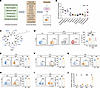 Figure 1
Identification of EpA as a potent and selective enhancer of Th9 cell differentiation. (A) Schematic overview of the natural product screening pipeline used to identify small molecules that promote Th9 polarization. (B) Scatter plot showing fold changes in IL-9 production by Th9 cells treated with 65 structurally distinct natural compounds (10 μM) compared with the DMSO control. (C) Chemical structure of EpA, a cyclic peptide isolated from Endomelanconiopsis sp. (D) Dose-response analysis of EpA on IL-9+ Th9 cell differentiation. Naive CD4+ T cells were cultured under Th9-polarizing conditions and analyzed by flow cytometry; representative plots and quantification are shown (n = 6). (E–I) Flow cytometric analysis of CD4+ T cells cultured under Th0- (E), Th1- (F), Th2- (G), Th17- (H), and Treg-polarizing (I) conditions, with or without EpA. Representative plots (left) and quantification (right) of cytokine or Foxp3 expression are shown (n = 4). (J) Quantitative RT-PCR analysis of Th9 signature genes (Irf4, Batf3, Batf, and Il9) in control or EpA-treated Th9 cells (n = 3). Statistical analysis was performed using 1-way ANOVA with Tukey’s post hoc test (D), 2-tailed unpaired Student’s t test (E–J). Data are presented as the mean ± SEM. *P < 0.05, **P < 0.01, ***P < 0.001, ****P < 0.0001.
To determine the optimal dose, naive CD4+ T cells were cultured under Th9-polarizing conditions with increasing concentrations of EpA. IL-9 expression peaked at 10 μM, which was used for all subsequent experiments (Figure 1D). As shown in Figure 1, E–I, EpA did not affect the polarization of Th0 cell, Th1 cell, Th17 cell, or Treg subsets, while inducing only a minor increase in Th2 differentiation, indicating a selective immunomodulatory activity toward the Th9 subset.
In addition to IL-9, EpA treatment significantly upregulated key Th9-associated transcription factors and effector cytokines at the transcriptomic level (Figure 1J). These data demonstrated that EpA specifically enhances Th9 cell differentiation.
EpA confers superior antitumor efficacy to Th9 cells in a CD8+ T cell–dependent manner. To evaluate the antitumor efficacy of EpA-induced Th9 (EpA-Th9) cells, we employed the B16-OVA melanoma model in C57BL/6 mice. CD45.1+ OT-II Th9 cells, differentiated with or without EpA, were adoptively transferred into tumor-bearing hosts. Mice receiving EpA-Th9 cells exhibited significantly improved tumor control compared with those treated with conventional Th9 cells (Figure 2A). No significant differences in body weight or serum IL-6 levels were observed among control and treatment groups (Supplemental Figure 1, A and B), indicating that EpA-Th9 therapy was well tolerated. Following transfer, EpA-Th9 cells expanded robustly in the spleen and moderately in the lymph nodes (Figure 2B and Supplemental Figure 1, C and D). Within tumors, although the frequency of transferred cells remained comparable, their absolute numbers were markedly increased (Figure 2C and Supplemental Figure 1E), suggesting that EpA-Th9 cells may undergo peripheral expansion before infiltrating the tumor microenvironment.
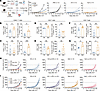 Figure 2
EpA enhances the antitumor activity of Th9 cells in a CD8+ T cell–dependent manner. (A) Schematic of the therapeutic model. C57BL/6 mice were subcutaneously inoculated with B16-OVA melanoma cells (5 × 10⁵) and preconditioned with cyclophosphamide (CTX) on day 4. On day 5, mice received PBS, OT-II Th9 cells (control), or EpA-treated OT-II Th9 cells (EpA) (2 × 10⁶, i.v.) (n = 4 mice per group). (B–G) Flow-cytometric analysis of transferred CD45.1+ OT-II Th9 cells (B and C) and endogenous CD4+ (D and E) and CD8+ T cells (F and G) in spleens and tumors, showing frequencies and absolute numbers (n = 4 mice per group). (H) Tumor growth curves in B16-OVA–bearing C57BL/6 or β2-microglobulin–deficient (β2m-KO) mice following transfer of control or EpA-treated OT-II Th9 cells (n = 4 mice per group). (I) C57BL/6 mice bearing B16-OVA tumors were treated with control or EpA-induced OT-II Th9 cells (2 × 10⁶, i.v., day 5), followed by anti–PD-1 antibody (200 μg, i.p.) on day 7, and (100 μg, i.p.) on day 10 and 12. Tumor growth is shown with individual trajectories (n = 6 mice per group). Statistical analysis was performed using 2-tailed unpaired Student’s t test (A, B–G) or 1-way ANOVA with Tukey’s post hoc test (H and I). All data are presented as the mean ± SEM. *P < 0.05, **P < 0.01, ***P < 0.001. Schematic in A created using BioRender (https://Biorender.com).
To determine whether EpA-Th9 cells influence endogenous immune responses, we analyzed host T cell compartments across lymphoid organs and tumors. The frequencies and absolute numbers of endogenous CD4+ T cells showed minimal changes in the spleens, lymph nodes, and tumors (Figure 2, D and E, and Supplemental Figure 1, F–H). In contrast, endogenous CD8+ T cells were markedly increased in both frequency and absolute number within the spleens and tumors of EpA-Th9–treated mice (Figure 2, F and G), with a modest frequency increase in lymph nodes despite unchanged total numbers (Supplemental Figure 1I). Moreover, DC frequencies and total counts were significantly elevated in both spleens and lymph nodes of EpA-Th9–treated mice, whereas NK cells increased only in the spleen (Supplemental Figure 1, J–M).
To directly assess the requirement for endogenous CD8+ T cells, we utilized β2-microglobulin–deficient (β2m-KO) mice, which lack functional MHC class I and are therefore devoid of CD8+ T cells (32). In this context, the antitumor activity of conventional Th9 cells was preserved, consistent with previous findings that their therapeutic effects are largely CD8+ T cell independent (Figure 2H and Supplemental Figure 2A) (15). In contrast, the enhanced antitumor efficacy conferred by EpA-Th9 cells was completely abolished in β2m-KO hosts, rendering their effect comparable to that of conventional Th9 cells (Figure 2H). These results demonstrate that the superior tumor control mediated by EpA-Th9 cells is critically dependent on the presence of functional CD8+ T cells.
Finally, we examined whether the CD8+ T cell–supporting capacity of EpA-Th9 cells could synergize with immune checkpoint blockade (ICB) therapy. B16-OVA tumor-bearing mice were treated with Th9 or EpA-Th9 cells in combination with anti–PD-1 antibody (Supplemental Figure 2B). While conventional Th9 cells conferred no additional benefit in this context, EpA-Th9 cells significantly enhanced the therapeutic response to PD-1 blockade (Figure 2I), further underscoring their capacity to potentiate CD8+ T cell–mediated immunity.
Collectively, these data demonstrate that EpA enhances the antitumor activity of Th9 cells by promoting their persistence and licensing of endogenous CD8+ T cells.
EpA promotes the differentiation of cytotoxic Th9 cells with enhanced Th1-like transition in vivo. To elucidate the molecular mechanisms underlying the CD8+ T cell–dependent antitumor activity of EpA-Th9 cells, we performed integrated RNA-seq and transposase-accessible chromatin using sequencing (ATAC-seq) analyses to assess global transcriptional changes and chromatin accessibility. Principal component analysis revealed clear separation of gene expression between EpA-Th9 and control Th9 cells (Supplemental Figure 3A), consistent with widespread transcriptional divergence (Supplemental Figure 3B). Differential expression analysis identified 228 upregulated and 271 downregulated genes upon EpA treatment (Figure 3A). Notably, canonical Th9 cytokines — Il9, Il4, Il5, and Il13 — as well as lineage-defining transcription factors, including Spi1 and Batf, were upregulated (Figure 3B). GSEA confirmed activation of Th9-associated pathways, including enrichment of asthma-related signatures (Supplemental Figure 3C). Moreover, increased PD-1 expression indicated a more activated phenotype in EpA-Th9 cells (Supplemental Figure 3D).
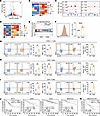 Figure 3
EpA promotes the differentiation of cytotoxic Th9 cells while reinforcing lineage identity. (A) Volcano plot depicting differentially expressed genes between EpA-treated Th9 cells and controls on day 4 in vitro polarization. (B) Heatmap showing normalized expression of Th9-related signature genes from RNA-seq analysis. (C) Integrated genome tracks illustrating transcript abundance and chromatin accessibility at the Il9 and Ifng loci. (D) Heatmap of selected cytotoxicity-associated genes upregulated in EpA-treated Th9 cells. (E) GSEA revealing enrichment of the TNF signaling pathway in EpA-Th9 cells. (F) Representative flow cytometry and quantification of TNF-α expression in EpA-treated Th9 cells (mean ± SEM, n = 6). (G–I) Flow cytometric analysis of adoptively transferred CD45.1+ Th9 cells and endogenous T cells from spleens. EpA treatment increased IFN-γ+, TNF-α+, and granzyme B+ perforin+ populations among donor Th9 (G), endogenous CD8+ (H), and CD4+ T cells (I). Data in G–I are shown as mean ± SEM from n = 4 mice per group. (J and K) Kaplan-Meier survival analysis of patients with BLCA, SARC, and UCEC (J) and patients with melanoma and patients with melanoma receiving ICB therapy (K) based on the expression of canonical Th9-related signature genes (B) and cytotoxicity-associated genes (D) in EpA-treated Th9 cells. Statistical significance was determined using 2-tailed unpaired Student’s t test (F–I). *P < 0.05, **P < 0.01, ****P < 0.0001.
ATAC-seq analysis revealed that global chromatin accessibility was only modestly affected by EpA (Supplemental Figure 3E). However, locus-specific inspection showed increased accessibility and transcription at the Il9 locus, while both accessibility and expression of Ifng were further reduced — despite already being low in conventional Th9 cells — reinforcing Th9 identity (Figure 3C). Strikingly, EpA-Th9 cells exhibited strong upregulation of cytotoxic effector molecules, including Tnf, Lta, and Fasl, as well as activation of the TNF signaling pathway (Figure 3, D and E, and Supplemental Figure 3F). TNF-α induction was validated at the protein level (Figure 3F), indicating that EpA promotes a cytotoxic transcriptional program within the Th9 lineage, distinct from conventional Th1 conversion.
Given that Th1 cells are known to potentiate CD8+ CTL responses via IFN-γ and TNF-α, but Th9 cells generally lack this capability owing to limited Th1 transition in vivo, we hypothesized that EpA promotes deeper Th1-like differentiation in vivo. Supporting this, analysis of public transcriptomic datasets revealed that Th9 cells, despite displaying heightened TCR signaling signatures (Supplemental Figure 3G), expressed lower levels of cytotoxicity-associated genes and exhibited lower cytotoxic pathways compared with Th1 cells after transfer (Supplemental Figure 3, H–J) (15).
In contrast, adoptively transferred EpA-Th9 cells exhibited markedly increased expression of IFN-γ, TNF-α, and cytolytic molecules, including granzyme B and perforin, in the spleen compared with control Th9 cells (Figure 3G), indicative of enhanced Th1-like effector reprogramming. Within the tumor microenvironment, IFN-γ expression was also elevated in EpA-Th9 cells (Supplemental Figure 4A), whereas TNF-α levels remained unchanged (Supplemental Figure 4B). Notably, the frequency of granzyme B+ perforin+ EpA-Th9 cells was significantly higher in tumors (Supplemental Figure 4C), suggesting that EpA treatment promotes a cytotoxic effector phenotype.
To further examine whether EpA-Th9 cells influence endogenous T cell functionality, we analyzed the expression of IFN-γ, TNF-α, granzyme B, and perforin in host T cell populations. EpA-Th9 transfer led to a pronounced increase in granzyme B+ perforin+ CD8+ and CD4+ T cells in the spleen (Figure 3, H and I), with similar elevations observed within the tumor microenvironment (Supplemental Figure 4, D–I). In addition, both CD8+ and CD4+ T cells in tumors displayed upregulated TNF-α expression (Supplemental Figure 4E and H), further supporting an enhanced cytotoxic and proinflammatory response, although TNF-α expression in splenic T cells remained unchanged (Figure 3, H and I). Moreover, PD-1 expression was comparable between groups across both donor Th9 and endogenous T cell compartments (Supplemental Figure 4, J–L), indicating that the augmented effector activity induced by EpA occurred independently of changes in T cell exhaustion status.
To evaluate the clinical relevance of the EpA-induced cytotoxic Th9 program, we constructed a gene signature based on the upregulated genes in Figure 3, B and D, and applied it to publicly available datasets of patients with cancer. Patients stratified by high expression of this cytotoxic Th9 signature exhibited significantly improved overall survival across multiple cancer types, including bladder urothelial carcinoma (BLCA), sarcoma (SARC), uterine corpus endometrial carcinoma (UCEC), and melanoma (Figure 3J). Furthermore, patients with melanoma with elevated cytotoxic Th9 signature scores were predicted to derive greater clinical benefit from ICB therapy (Figure 3K). These analyses underscore the potential translational value of cytotoxic Th9 cells in human cancer immunotherapy.
Collectively, these results demonstrate that EpA drives the differentiation of a cytotoxic Th9 subset with enhanced Th1-like features and the capacity to license endogenous CD8+ T cell responses, thereby addressing a key limitation of conventional Th9 cells and offering a promising strategy for adoptive T cell therapy.
EpA enhances the metabolic fitness of Th9 cells. T cell functionality is intimately linked to its metabolic state, which governs differentiation, persistence, and effector capacity (33–36). GSEA of transcriptomic data revealed significant enrichment of glycolytic and carbon metabolism pathways in EpA-treated Th9 cells (Figure 4A and Supplemental Figure 5A). This transcriptional shift was corroborated by extracellular flux analysis using the Seahorse platform, which demonstrated a marked increase in the extracellular acidification rate (ECAR) — a surrogate marker of glycolytic activity (Figure 4B). Both basal and maximal ECAR levels were significantly elevated in EpA-Th9 cells compared with controls (Figure 4, C and D), indicating enhanced glycolytic flux.
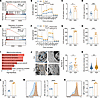 Figure 4
EpA enhances metabolic fitness in Th9 cells. (A) GSEA of RNA-seq data showing enrichment of glycolysis-related gene signatures in EpA-treated Th9 cells compared with controls. (B–D) Real-time extracellular acidification rate (ECAR) measurement using a Seahorse XF analyzer with sequential injection of glucose, oligomycin, and 2-deoxyglucose (2-DG) (B), followed by quantification of basal glycolysis (C) and glycolytic capacity (D) (n = 6). (E) GSEA of oxidative phosphorylation–associated gene sets in EpA-treated Th9 cells. (F–H) Oxygen consumption rate (OCR) analysis using a Seahorse XF analyzer with sequential addition of oligomycin, FCCP, and rotenone/antimycin A (F), followed by quantification of basal (G) and maximal respiration (H) (n = 5). (I) Pathway enrichment analysis of upregulated genes highlighting mitochondrial function–related categories. (J and K) Transmission electron microscopy (TEM) analysis of mitochondrial ultrastructure showing representative images and quantification of mitochondrial number per cell (J) and mitochondrial diameter (K). Scale bars: 1 μm (low magnification); 500 nm (high magnification) (n = 13 randomly selected microscope fields). (L) Intracellular ATP levels measured by a luminescence-based assay normalized to cell number (n = 4). (M and N) Flow-cytometric assessment of mitochondrial mass using MitoTracker Deep Red (M) and mitochondrial membrane potential using TMRM (N) (n = 5). Statistical significance was determined using 2-tailed unpaired Student’s t test (C, D, G, H, and J–N). Data are presented as mean ± SEM. *P < 0.05, **P < 0.01, ***P < 0.001, ****P < 0.0001.
At the molecular level, SLC2A1 expression, which encodes the glucose transporter GLUT1 and is a critical regulator of glucose uptake, was markedly upregulated following EpA treatment (Supplemental Figure 5B), consistent with increased glucose metabolism.
Mitochondria serve as central hubs for bioenergetic control and are indispensable for sustaining T cell–mediated immune responses (37–41). Correspondingly, GSEA also highlighted upregulation of oxidative phosphorylation–related gene sets in EpA-Th9 cells (Figure 4E). Seahorse analysis of the oxygen consumption rate (OCR) further revealed higher basal and maximal respiration upon EpA treatment (Figure 4, F–H), reflecting enhanced mitochondrial oxidative capacity.
Moreover, pathway enrichment analysis identified multiple mitochondrial categories, including those involved in translation and ribosomal function (Figure 4I). Transmission electron microscopy directly confirmed an increased number and diameter of mitochondria in EpA-treated Th9 cells (Figure 4, J and K). Consistently, intracellular ATP levels were significantly elevated in EpA-Th9 cells (Figure 4L). Moreover, assessments of mitochondrial quality and functionality demonstrated elevated mitochondrial membrane potential and improved mitochondrial integrity in the EpA-Th9 group (Figure 4, M and N).
Collectively, these results demonstrate that EpA markedly enhances the metabolic fitness of Th9 cells by promoting both glycolytic and oxidative metabolism.
EpA targets ZAP70 to amplify TCR-MEK-ERK signaling. To identify the molecular target of EpA in Th9 cells, we synthesized a biotin-conjugated EpA derivative and performed affinity purification using streptavidin-conjugated magnetic beads, followed by mass spectrometry analysis (Supplemental Figure 6 and Supplemental Figure 7A). Among the proteins specifically enriched by EpA pulldown, ZAP70 emerged as a top candidate based on both mass spectrometric abundance and high-affinity scores from molecular docking simulations (Figure 5A, Supplemental Figure 7B, and Supplemental Table 3), suggesting it as a primary target within the TCR signaling cascade (42).
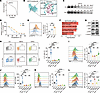 Figure 5
EpA promotes Th9 effector function by binding and activating ZAP70 in a MEK-ERK–dependent manner. (A) Identification and ranking of EpA-interacting proteins by affinity pulldown and LC-MS/MS, ordered by in silico binding energy predictions. The line graph shows proteins with binding energy scores of less than 0. (B) Predicted binding model of EpA (pink) within the kinase domain of murine ZAP70 (blue), with hydrogen bonding interactions shown as yellow dashed lines. (C and D) Cellular thermal shift assay (CETSA) of ZAP70 in Jurkat cell lysates treated with control or EpA, showing representative immunoblots (C) and quantification of normalized band intensities across the temperature gradient (D). (E) Flow-cytometric analysis of phosphorylated ZAP70 in Th9 cells 10 minutes after TCR activation (mean ± SEM, n = 3). (F) Pathway enrichment analysis of RNA-seq data showing MAPK/ERK-related pathways in EpA-treated Th9 cells. (G) Immunoblot analysis of total and phosphorylated MEK1/2 and ERK1/2 in control and EpA-treated Th9 cells. (H–L) Functional consequences of MEK or ERK inhibition in EpA-treated Th9 cells. Flow-cytometric quantification of IL-9 (H), TNF-α (I), CD69 (J), PD-1 (K), and mitochondrial membrane potential measured by MitoTracker (L) following treatment with EpA with or without MEK inhibitor (trametinib, 10 nM) or ERK inhibitor (temuterkib, 100 nM). Data in H–K are shown as mean ± SEM (n = 5) and in L as mean ± SEM (n = 3). Statistical significance was determined using 1-way ANOVA followed by Tukey’s test (E, H–L). *P < 0.05, **P < 0.01, ***P < 0.001, ****P < 0.0001.
In silico molecular docking confirmed strong binding between EpA and the kinase domain of ZAP70 (Figure 5B), and this interaction was experimentally validated by cellular thermal shift assay (CETSA), which showed increased thermal stability of ZAP70 in the presence of EpA, particularly in the 49°C–55°C range (Figure 5, C and D). These results strongly support direct binding of EpA to ZAP70.
To determine the functional consequence of this interaction, we evaluated ZAP70 phosphorylation in naive CD4+ T cells activated under Th9-polarizing conditions. EpA treatment significantly enhanced ZAP70 phosphorylation at 30 minutes after activation (Figure 5E), indicating potentiation of proximal TCR signaling. Transcriptomic data also revealed enrichment of calcium ion–binding gene sets, consistent with activated TCR downstream signaling (Supplemental Figure 7C) (42).
ZAP70 is known to phosphorylate LAT, initiating TCR signalosome formation and triggering downstream pathways such as NF-κB, PI3K/AKT, and MAPK/ERK (42). GSEA analysis indicated activation of the MAPK/ERK pathway (Figure 5F), which was confirmed by Western blot showing increased phosphorylation of MEK and ERK (Figure 5G) but not of AKT or NF-κB components (Supplemental Figure 7D). Given the key role of mTOR signaling downstream of TCR activation, we next examined mTOR activity. Both total and phosphorylated mTOR levels remained unchanged in EpA-treated Th9 cells (Supplemental Figure 7D), and GSEA similarly showed no enrichment of mTOR-related gene sets (Supplemental Figure 7E). Collectively, these results indicate that EpA specifically activates the MEK-ERK branch of TCR signaling without engaging the AKT, NF-κB, or mTOR pathways.
To assess the functional role of MEK-ERK signaling in EpA-Th9 polarization, we treated differentiating T cells with pharmacological inhibitors of MEK (trametinib) and ERK (temuterkib). Both inhibitors almost completely abrogated IL-9 production, and EpA was unable to restore it (Figure 5H), indicating that Th9 cell differentiation is MEK-ERK–dependent. Similarly, expression of TNF-α and activation markers CD69 and PD-1 were significantly reduced upon MEK/ERK blockade, even in the presence of EpA (Figure 5, I–K).
Interestingly, pharmacological inhibition of MEK/ERK signaling resulted in a paradoxical increase in mitochondrial membrane potential in EpA-treated Th9 cells (Figure 5L), indicating that this aspect of mitochondrial enhancement is independent of the ZAP70-MEK-ERK axis. While activation of this pathway promotes Th9 cell differentiation and effector function, it may concurrently impose constraints on mitochondrial biogenesis or activity. These findings suggest that EpA exerts its full immunometabolic effects through additional, yet unidentified, signaling mechanisms that cooperate with ZAP70-ERK activation to support Th9 cell metabolic fitness.
SREBP1 is an additional functional target of EpA and regulates Th9 cell differentiation and mitochondrial fitness. To uncover additional molecular targets of EpA, we examined RNA-seq data alongside relevant metabolic pathways. Notably, multiple lipid-related pathways were markedly downregulated after EpA treatment (Figure 6A). Downregulation trends were also observed for pathways related to long-chain fatty acid transport, intracellular sterol transport, and sterol transfer activity, though statistical significance was not reached (Supplemental Figure 8, A–C). Given recent reports that fatty acid biosynthesis restrains Th9 cell differentiation (43), we hypothesized that EpA enhances Th9 function, in part, by repressing lipid synthesis to improve metabolic fitness.
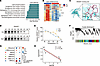 Figure 6
SREBP1 is an additional EpA target in Th9 cells. (A) Pathway analysis of RNA-seq data depicting of lipid metabolism pathways in EpA-treated Th9 cells. (B) Untargeted lipidomics profiling of Th9 cells on day 4 showing global differences in lipid species abundance between control and EpA-treated groups. (C) Predicted binding model of EpA (pink) within SREBP1 (blue). (D and E) CETSA validating EpA–SREBP1 binding. Representative Western blot (D) and quantification (E) of normalized SREBP1 signal intensities across a temperature gradient (°C). (F) Weighted gene coexpression network analysis (WGCNA) of RNA-seq datasets identifying 7 gene modules. (G) Module-trait correlation heatmap revealing a negative association between Il9 and Srebp1-associated gene modules. (H) Validation of inverse correlation between Il9 and Srebf1 expression using RNA-seq data from 12 independent Th9 samples.
To explore this, we conducted untargeted lipidomic profiling of EpA-treated and control Th9 cells. EpA-Th9 cells exhibited a global reduction in lipid species, corroborating transcriptomic findings (Figure 6B). We next focused on transcription factors known to regulate lipid biosynthesis (44) — ChREBP, SREBP1, USF1, and LXR-α — and evaluated their potential interaction with EpA via in silico docking analysis (Figure 6C and Supplemental Figure 8, D–F). Among these, SREBP1 showed the second highest binding affinity but the most abundantly expressed, identifying it as the most likely regulatory target (Supplemental Table 4). This prediction was validated using CETSA, which revealed enhanced thermal stability of SREBP1 in the presence of EpA, indicating a direct binding interaction (Figure 6, D and E).
To assess the relationship between SREBP1 and Th9 cell differentiation, we performed weighted gene coexpression network analysis (WGCNA) of our RNA-seq data, which could be partitioned into 7 gene modules (Figure 6F). We analyzed the correlations between Il9, Srebf1, and the 7 modules and found that the modules positively correlated with Il9 were negatively correlated with Srebf1 (Figure 6G). The correlation analysis also suggested a potential negative correlation between Il9 and Srebf1 (Figure 6H).
To functionally validate SREBP1 as a mediator of EpA’s immunometabolic effects, we first employed fatostatin, a well-characterized pharmacological inhibitor of SREBP1. Inhibition of SREBP1 alone significantly upregulated IL-9 production in Th9 cells, and this effect was further enhanced when combined with EpA (Figure 7A). Consistently, Il9 transcript levels showed a similar trend (Figure 7B). TNF-α production and CD69 expression were also elevated in the combination group, suggesting amplified effector activation (Figure 7, C and D). While PD-1 expression was not further increased in EpA-Th9 cells treated with fatostatin, fatostatin alone induced PD-1 upregulation in control Th9 cells (Figure 7E), indicating distinct regulatory effects depending on the activation context.
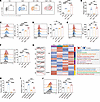 Figure 7
SREBP1 inhibition potentiates the immunometabolic effects of EpA in Th9 cells. (A) Flow-cytometric analysis of intracellular IL-9 expression in Th9 cells treated with vehicle, EpA (10 μM), fatostatin (5 μM), or both EpA and fatostatin, with representative plots and quantification (n = 4). (B) Quantitative PCR analysis of Il9 mRNA expression in cells treated as in A (n = 3). (C–F) Flow cytometric analysis of TNF-α production (C), CD69 expression (D), PD-1 expression (E), and mitochondrial membrane potential measured by MitoTracker staining (F) in Th9 cells treated with the indicated conditions (n = 4 for C–E; n = 3 for F). (G) Hierarchical clustering heatmap of RNA-seq data from Th9 cells treated with vehicle, EpA, fatostatin, or both EpA and fatostatin. Cluster 2 includes genes related to calcium signaling, glycolysis, oxidative phosphorylation, and ERK signaling; cluster 6 includes genes associated with lipid biosynthesis. (H–J) Il9 (H) and Tnf (I) mRNA expression and mitochondrial membrane potential (J) in Th9 cells overexpressing SREBP1, with or without EpA treatment (n = 3 for mRNA, n = 4 for mitochondrial analysis). Statistical significance was determined using 1-way ANOVA followed by Tukey’s post hoc test (A–F and H–J). Data are presented as mean ± SEM (A–F and H–J). **P < 0.01, ***P < 0.001, ****P < 0.0001.
Strikingly, mitochondrial membrane potential was further augmented in EpA-Th9 cells upon SREBP1 inhibition (Figure 7F), indicating additive effects on mitochondrial fitness. This was accompanied by reduced expression of Srebp1 as well as Fads1, a key enzyme in the synthesis of long-chain polyunsaturated fatty acids, reinforcing the inhibition of lipid anabolic programs (Supplemental Figure 8, G and H) (45). To assess the global transcriptional consequences of SREBP1 inhibition in combination with EpA, RNA-seq analysis was performed on 4 groups (vehicle control, EpA, fatostatin, and EpA and fatostatin). Gene clustering analysis revealed 6 distinct gene expression modules (Figure 7G). EpA treatment notably upregulated genes within cluster 2, which were further enhanced by fatostatin. This cluster was enriched for genes involved in calcium ion transport, glycolysis, oxidative phosphorylation, and ERK signaling — pathways critical for T cell effector function and metabolic activation. In contrast, genes involved in lipid biosynthesis were enriched in cluster, were progressively downregulated by EpA, and were further suppressed by fatostatin, indicating concerted repression of lipogenic programs.
Consistent with these findings, supplementation with oleic acid (OA), a downstream product of fatty acid biosynthesis (Supplemental Figure 8, I and J), reinforced the notion that lipid accumulation antagonizes Th9 polarization. Furthermore, SREBP1 overexpression markedly suppressed the EpA-induced increases in IL-9 and TNF-α at both the mRNA and protein levels (Figure 7, H and I, and Supplemental Figure 8, K–N) and abolished the EpA-induced enhancements in mitochondrial membrane potential (Figure 7J).
Together, these findings establish SREBP1 as a direct functional target of EpA. By repressing SREBP1 activity, EpA alleviates lipid-mediated metabolic burden, redirects biosynthetic flux toward oxidative metabolism, and stabilizes Th9 identity and mitochondrial fitness. This lipid-signaling axis works in concert with TCR-ZAP70-ERK activation to endow Th9 cells with a metabolically optimal, cytotoxic phenotype well-suited for adoptive immunotherapy.
EpA promotes human Th9 cell differentiation and enhances tumor therapeutic efficacy. To assess the translational relevance of EpA, we evaluated its effects on human Th9 cell differentiation. Naive CD4+ T cells isolated from peripheral blood were cultured under Th9-polarizing conditions in the presence or absence of EpA. As previously reported, IL-9 production declined between day 5 and day 6 of culture (46); however, EpA-treated cells maintained significantly elevated IL-9 expression throughout this period (Figure 8, A and B). Correspondingly, EpA upregulated IL9 and the Th9 lineage–defining transcription factors IRF4 and SPI1 at the mRNA level (Figure 8C). EpA also enhanced the metabolic profile of human Th9 cells, as shown by increased mitochondrial membrane potential, and ATP production (Figure 8, D and E), indicating improved metabolic fitness — an essential feature for sustained T cell function in adoptive immunotherapy. Similar to murine EpA-Th9 cells, human EpA-Th9 cells exhibited increased phosphorylation of ZAP70 and higher TNF-α expression (Figure 8, F and G). Furthermore, treatment with the SREBP1 inhibitor fatostatin further augmented IL-9 production and mitochondrial membrane potential in EpA-Th9 cells during polarization (Supplemental Figure 9, A and B). Collectively, these findings demonstrate that EpA promotes the generation of metabolically active and functionally competent Th9 cells in humans, consistent with its effects in mouse Th9 cells.
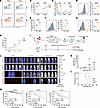 Figure 8
EpA promotes human Th9 cell differentiation and enhances the antitumor activity of Th9 CAR T cells. (A and B) Flow-cytometric analysis of IL-9 production in human CD4+ T cells cultured under Th9-polarizing conditions with or without EpA treatment during in vitro differentiation. Representative plots (A) and quantification (B) (n = 4). (C) Quantitative PCR analysis of IL9, IRF4, and SPI1 mRNA expression in human Th9 cells (n = 3). (D) Flow-cytometric analysis of mitochondrial membrane potential in human Th9 cells (n = 3). (E) Luciferase-based assay analysis of intracellular ATP levels in human Th9 cells (n = 5). (F) Flow-cytometric analysis of phosphorylated ZAP70 in human Th9 cells (n = 3). (G) Flow-cytometric analysis of TNF-α expression in human Th9 cells (n = 4). (H) Cytotoxicity assay of EpA-treated or control CD19 CAR Th9 cells against Raji lymphoma target cells at indicated effector-to-target (E/T) ratios (n = 3). (I) Schematic diagram of the in vivo Raji-luciferase xenograft model in NSG mice receiving control or EpA-treated human Th9 CAR T cells. (J and K) Representative bioluminescence imaging (J) and quantification of tumor radiance (K) in NSG mice at indicated time points after adoptive transfer. (L) Kaplan-Meier survival curves of NSG mice treated as in J. Data in J–L are shown from n = 5 mice per group. (M) Kaplan-Meier survival analysis of patients with BRCA, SARC, and LIHC from the TCGA dataset based on the expression of the top 10 most upregulated genes (Il9, H19, Fbxl21, Myh11, Lhx6, Rab27b, C1s1, Hao1, Ccdc159, Il1rn) in EpA-Th9 cells. Statistical significance was determined using 2-tailed unpaired Student’s t test (B–H), 2-way ANOVA followed by Šidák’s post hoc test (K), and log-rank test (L). Data are presented as mean ± SEM. *P < 0.05, ***P < 0.001, ****P < 0.0001. Schematic in I created using BioRender (https://Biorender.com).
Given the clinical success of chimeric antigen receptor (CAR) T cell therapy, we next investigated whether EpA could enhance the performance of human Th9 CAR T cells. CD4+ Th9 cells were engineered to express a CD19-targeting CAR and treated with EpA during polarization (Supplemental Figure 9C). EpA-treated Th9 CAR T cells exhibited increased IL-9 production (Supplemental Figure 9, D and E), alongside elevated mitochondrial potential and ATP output (Supplemental Figure 9, F and G). Functionally, these cells demonstrated significantly greater cytotoxicity against Raji lymphoma cells in vitro (Figure 8H).
To evaluate antitumor activity in vivo, Raji-luciferase tumor cells were injected intravenously into NSG mice, followed by treatment with control or EpA-Th9 CAR T cells (Figure 8I). EpA-Th9 CAR T cell–treated mice showed markedly reduced tumor burden and significantly prolonged survival (Figure 8, J–L). Moreover, granzyme B levels were elevated in EpA-treated CAR T cells after transfer, indicating enhanced cytolytic function in vivo (Supplemental Figure 9, H and I). To further assess the clinical relevance of EpA-Th9–associated transcriptional changes, the top 10 most upregulated genes in EpA-Th9 cells were defined as constituting an EpA-Th9 gene signature. Kaplan-Meier survival analysis using The Cancer Genome Atlas (TCGA) dataset revealed that patients with higher expression of the EpA-Th9 signature exhibited improved overall survival in breast cancer (BRCA), liver hepatocellular carcinoma (LIHC), and SARC (Figure 8M), supporting the translational potential of EpA-enhanced Th9 cell therapy.
Collectively, these results demonstrate that EpA promotes the differentiation and metabolic activation of human Th9 cells and substantially improves the antitumor efficacy of Th9 CAR T cells both in vitro and in vivo.


Copyright © 2026 American Society for Clinical Investigation
ISSN: 0021-9738 (print), 1558-8238 (online)