
Advertisement
Research ArticleImmunologyOncology
Open Access |  10.1172/JCI195668
T cell–intrinsic VISTA expression promotes resistance to CTLA-4 blockade by restricting CD8+ T cell responses
Cassandra Gilmour,1 Elizabeth DeLaney,1 Prerana B. Parthasarathy,2 Dia Roy,1 Hieu M. Ta,1 Amin Zakeri,1 Paolo Elguera Grandez,1 Sachin Patnaik,1 Keman Zhang,1 Ivan Juric,2 Rahul Rangan,3 Zahraa Al-Hilli,3 Anthony Tufaro,4 Booki Min,5 Samuel E. Weinberg,6 Timothy A. Chan,2 Natalie L. Silver,2 Stefanie Avril,7,8 Tyler Alban,2 and Li Lily Wang1,8
1Department of Translational Hematology & Oncology Research,
2Center for Immunotherapy & Precision Immuno-Oncology,
3Breast Center, Integrated Surgical Institute, and
4Plastic Surgery, Cleveland Clinic, Cleveland, Ohio, USA.
5Department of Microbiology and Immunology and
6Department of Pathology, Northwestern University Feinberg School of Medicine, Chicago, Illinois, USA.
7Department of Pathology, University Hospitals Cleveland Medical Center, Case Western Reserve University School of Medicine, Cleveland, Ohio, USA.
8Case Comprehensive Cancer Center, Cleveland, Ohio, USA.
Address correspondence to: Tyler Alban, Cancer Sciences, Cleveland Clinic Research, 9500 Euclid Avenue, Cleveland, Ohio 44195, USA. Email: albant@ccf.org. Or to: Li Lily Wang, Cancer Sciences, Cleveland Clinic Research, NE6-309, 2111 East 96th Street, Cleveland, Ohio 44195, USA. Phone: 216.973.5628; Email: wangl9@ccf.org.
Authorship note: CG, ED, and PBP are co–first authors.
Find articles by Gilmour, C. in: PubMed | Google Scholar
1Department of Translational Hematology & Oncology Research,
2Center for Immunotherapy & Precision Immuno-Oncology,
3Breast Center, Integrated Surgical Institute, and
4Plastic Surgery, Cleveland Clinic, Cleveland, Ohio, USA.
5Department of Microbiology and Immunology and
6Department of Pathology, Northwestern University Feinberg School of Medicine, Chicago, Illinois, USA.
7Department of Pathology, University Hospitals Cleveland Medical Center, Case Western Reserve University School of Medicine, Cleveland, Ohio, USA.
8Case Comprehensive Cancer Center, Cleveland, Ohio, USA.
Address correspondence to: Tyler Alban, Cancer Sciences, Cleveland Clinic Research, 9500 Euclid Avenue, Cleveland, Ohio 44195, USA. Email: albant@ccf.org. Or to: Li Lily Wang, Cancer Sciences, Cleveland Clinic Research, NE6-309, 2111 East 96th Street, Cleveland, Ohio 44195, USA. Phone: 216.973.5628; Email: wangl9@ccf.org.
Authorship note: CG, ED, and PBP are co–first authors.
Find articles by DeLaney, E. in: PubMed | Google Scholar
1Department of Translational Hematology & Oncology Research,
2Center for Immunotherapy & Precision Immuno-Oncology,
3Breast Center, Integrated Surgical Institute, and
4Plastic Surgery, Cleveland Clinic, Cleveland, Ohio, USA.
5Department of Microbiology and Immunology and
6Department of Pathology, Northwestern University Feinberg School of Medicine, Chicago, Illinois, USA.
7Department of Pathology, University Hospitals Cleveland Medical Center, Case Western Reserve University School of Medicine, Cleveland, Ohio, USA.
8Case Comprehensive Cancer Center, Cleveland, Ohio, USA.
Address correspondence to: Tyler Alban, Cancer Sciences, Cleveland Clinic Research, 9500 Euclid Avenue, Cleveland, Ohio 44195, USA. Email: albant@ccf.org. Or to: Li Lily Wang, Cancer Sciences, Cleveland Clinic Research, NE6-309, 2111 East 96th Street, Cleveland, Ohio 44195, USA. Phone: 216.973.5628; Email: wangl9@ccf.org.
Authorship note: CG, ED, and PBP are co–first authors.
Find articles by Parthasarathy, P. in: PubMed | Google Scholar
1Department of Translational Hematology & Oncology Research,
2Center for Immunotherapy & Precision Immuno-Oncology,
3Breast Center, Integrated Surgical Institute, and
4Plastic Surgery, Cleveland Clinic, Cleveland, Ohio, USA.
5Department of Microbiology and Immunology and
6Department of Pathology, Northwestern University Feinberg School of Medicine, Chicago, Illinois, USA.
7Department of Pathology, University Hospitals Cleveland Medical Center, Case Western Reserve University School of Medicine, Cleveland, Ohio, USA.
8Case Comprehensive Cancer Center, Cleveland, Ohio, USA.
Address correspondence to: Tyler Alban, Cancer Sciences, Cleveland Clinic Research, 9500 Euclid Avenue, Cleveland, Ohio 44195, USA. Email: albant@ccf.org. Or to: Li Lily Wang, Cancer Sciences, Cleveland Clinic Research, NE6-309, 2111 East 96th Street, Cleveland, Ohio 44195, USA. Phone: 216.973.5628; Email: wangl9@ccf.org.
Authorship note: CG, ED, and PBP are co–first authors.
Find articles by Roy, D. in: PubMed | Google Scholar
1Department of Translational Hematology & Oncology Research,
2Center for Immunotherapy & Precision Immuno-Oncology,
3Breast Center, Integrated Surgical Institute, and
4Plastic Surgery, Cleveland Clinic, Cleveland, Ohio, USA.
5Department of Microbiology and Immunology and
6Department of Pathology, Northwestern University Feinberg School of Medicine, Chicago, Illinois, USA.
7Department of Pathology, University Hospitals Cleveland Medical Center, Case Western Reserve University School of Medicine, Cleveland, Ohio, USA.
8Case Comprehensive Cancer Center, Cleveland, Ohio, USA.
Address correspondence to: Tyler Alban, Cancer Sciences, Cleveland Clinic Research, 9500 Euclid Avenue, Cleveland, Ohio 44195, USA. Email: albant@ccf.org. Or to: Li Lily Wang, Cancer Sciences, Cleveland Clinic Research, NE6-309, 2111 East 96th Street, Cleveland, Ohio 44195, USA. Phone: 216.973.5628; Email: wangl9@ccf.org.
Authorship note: CG, ED, and PBP are co–first authors.
Find articles by Ta, H. in: PubMed | Google Scholar
1Department of Translational Hematology & Oncology Research,
2Center for Immunotherapy & Precision Immuno-Oncology,
3Breast Center, Integrated Surgical Institute, and
4Plastic Surgery, Cleveland Clinic, Cleveland, Ohio, USA.
5Department of Microbiology and Immunology and
6Department of Pathology, Northwestern University Feinberg School of Medicine, Chicago, Illinois, USA.
7Department of Pathology, University Hospitals Cleveland Medical Center, Case Western Reserve University School of Medicine, Cleveland, Ohio, USA.
8Case Comprehensive Cancer Center, Cleveland, Ohio, USA.
Address correspondence to: Tyler Alban, Cancer Sciences, Cleveland Clinic Research, 9500 Euclid Avenue, Cleveland, Ohio 44195, USA. Email: albant@ccf.org. Or to: Li Lily Wang, Cancer Sciences, Cleveland Clinic Research, NE6-309, 2111 East 96th Street, Cleveland, Ohio 44195, USA. Phone: 216.973.5628; Email: wangl9@ccf.org.
Authorship note: CG, ED, and PBP are co–first authors.
Find articles by Zakeri, A. in: PubMed | Google Scholar
1Department of Translational Hematology & Oncology Research,
2Center for Immunotherapy & Precision Immuno-Oncology,
3Breast Center, Integrated Surgical Institute, and
4Plastic Surgery, Cleveland Clinic, Cleveland, Ohio, USA.
5Department of Microbiology and Immunology and
6Department of Pathology, Northwestern University Feinberg School of Medicine, Chicago, Illinois, USA.
7Department of Pathology, University Hospitals Cleveland Medical Center, Case Western Reserve University School of Medicine, Cleveland, Ohio, USA.
8Case Comprehensive Cancer Center, Cleveland, Ohio, USA.
Address correspondence to: Tyler Alban, Cancer Sciences, Cleveland Clinic Research, 9500 Euclid Avenue, Cleveland, Ohio 44195, USA. Email: albant@ccf.org. Or to: Li Lily Wang, Cancer Sciences, Cleveland Clinic Research, NE6-309, 2111 East 96th Street, Cleveland, Ohio 44195, USA. Phone: 216.973.5628; Email: wangl9@ccf.org.
Authorship note: CG, ED, and PBP are co–first authors.
Find articles by Elguera Grandez, P. in: PubMed | Google Scholar
1Department of Translational Hematology & Oncology Research,
2Center for Immunotherapy & Precision Immuno-Oncology,
3Breast Center, Integrated Surgical Institute, and
4Plastic Surgery, Cleveland Clinic, Cleveland, Ohio, USA.
5Department of Microbiology and Immunology and
6Department of Pathology, Northwestern University Feinberg School of Medicine, Chicago, Illinois, USA.
7Department of Pathology, University Hospitals Cleveland Medical Center, Case Western Reserve University School of Medicine, Cleveland, Ohio, USA.
8Case Comprehensive Cancer Center, Cleveland, Ohio, USA.
Address correspondence to: Tyler Alban, Cancer Sciences, Cleveland Clinic Research, 9500 Euclid Avenue, Cleveland, Ohio 44195, USA. Email: albant@ccf.org. Or to: Li Lily Wang, Cancer Sciences, Cleveland Clinic Research, NE6-309, 2111 East 96th Street, Cleveland, Ohio 44195, USA. Phone: 216.973.5628; Email: wangl9@ccf.org.
Authorship note: CG, ED, and PBP are co–first authors.
Find articles by Patnaik, S. in: PubMed | Google Scholar
1Department of Translational Hematology & Oncology Research,
2Center for Immunotherapy & Precision Immuno-Oncology,
3Breast Center, Integrated Surgical Institute, and
4Plastic Surgery, Cleveland Clinic, Cleveland, Ohio, USA.
5Department of Microbiology and Immunology and
6Department of Pathology, Northwestern University Feinberg School of Medicine, Chicago, Illinois, USA.
7Department of Pathology, University Hospitals Cleveland Medical Center, Case Western Reserve University School of Medicine, Cleveland, Ohio, USA.
8Case Comprehensive Cancer Center, Cleveland, Ohio, USA.
Address correspondence to: Tyler Alban, Cancer Sciences, Cleveland Clinic Research, 9500 Euclid Avenue, Cleveland, Ohio 44195, USA. Email: albant@ccf.org. Or to: Li Lily Wang, Cancer Sciences, Cleveland Clinic Research, NE6-309, 2111 East 96th Street, Cleveland, Ohio 44195, USA. Phone: 216.973.5628; Email: wangl9@ccf.org.
Authorship note: CG, ED, and PBP are co–first authors.
Find articles by Zhang, K. in: PubMed | Google Scholar
1Department of Translational Hematology & Oncology Research,
2Center for Immunotherapy & Precision Immuno-Oncology,
3Breast Center, Integrated Surgical Institute, and
4Plastic Surgery, Cleveland Clinic, Cleveland, Ohio, USA.
5Department of Microbiology and Immunology and
6Department of Pathology, Northwestern University Feinberg School of Medicine, Chicago, Illinois, USA.
7Department of Pathology, University Hospitals Cleveland Medical Center, Case Western Reserve University School of Medicine, Cleveland, Ohio, USA.
8Case Comprehensive Cancer Center, Cleveland, Ohio, USA.
Address correspondence to: Tyler Alban, Cancer Sciences, Cleveland Clinic Research, 9500 Euclid Avenue, Cleveland, Ohio 44195, USA. Email: albant@ccf.org. Or to: Li Lily Wang, Cancer Sciences, Cleveland Clinic Research, NE6-309, 2111 East 96th Street, Cleveland, Ohio 44195, USA. Phone: 216.973.5628; Email: wangl9@ccf.org.
Authorship note: CG, ED, and PBP are co–first authors.
Find articles by Juric, I. in: PubMed | Google Scholar
1Department of Translational Hematology & Oncology Research,
2Center for Immunotherapy & Precision Immuno-Oncology,
3Breast Center, Integrated Surgical Institute, and
4Plastic Surgery, Cleveland Clinic, Cleveland, Ohio, USA.
5Department of Microbiology and Immunology and
6Department of Pathology, Northwestern University Feinberg School of Medicine, Chicago, Illinois, USA.
7Department of Pathology, University Hospitals Cleveland Medical Center, Case Western Reserve University School of Medicine, Cleveland, Ohio, USA.
8Case Comprehensive Cancer Center, Cleveland, Ohio, USA.
Address correspondence to: Tyler Alban, Cancer Sciences, Cleveland Clinic Research, 9500 Euclid Avenue, Cleveland, Ohio 44195, USA. Email: albant@ccf.org. Or to: Li Lily Wang, Cancer Sciences, Cleveland Clinic Research, NE6-309, 2111 East 96th Street, Cleveland, Ohio 44195, USA. Phone: 216.973.5628; Email: wangl9@ccf.org.
Authorship note: CG, ED, and PBP are co–first authors.
Find articles by Rangan, R. in: PubMed | Google Scholar
1Department of Translational Hematology & Oncology Research,
2Center for Immunotherapy & Precision Immuno-Oncology,
3Breast Center, Integrated Surgical Institute, and
4Plastic Surgery, Cleveland Clinic, Cleveland, Ohio, USA.
5Department of Microbiology and Immunology and
6Department of Pathology, Northwestern University Feinberg School of Medicine, Chicago, Illinois, USA.
7Department of Pathology, University Hospitals Cleveland Medical Center, Case Western Reserve University School of Medicine, Cleveland, Ohio, USA.
8Case Comprehensive Cancer Center, Cleveland, Ohio, USA.
Address correspondence to: Tyler Alban, Cancer Sciences, Cleveland Clinic Research, 9500 Euclid Avenue, Cleveland, Ohio 44195, USA. Email: albant@ccf.org. Or to: Li Lily Wang, Cancer Sciences, Cleveland Clinic Research, NE6-309, 2111 East 96th Street, Cleveland, Ohio 44195, USA. Phone: 216.973.5628; Email: wangl9@ccf.org.
Authorship note: CG, ED, and PBP are co–first authors.
Find articles by Al-Hilli, Z. in: PubMed | Google Scholar
1Department of Translational Hematology & Oncology Research,
2Center for Immunotherapy & Precision Immuno-Oncology,
3Breast Center, Integrated Surgical Institute, and
4Plastic Surgery, Cleveland Clinic, Cleveland, Ohio, USA.
5Department of Microbiology and Immunology and
6Department of Pathology, Northwestern University Feinberg School of Medicine, Chicago, Illinois, USA.
7Department of Pathology, University Hospitals Cleveland Medical Center, Case Western Reserve University School of Medicine, Cleveland, Ohio, USA.
8Case Comprehensive Cancer Center, Cleveland, Ohio, USA.
Address correspondence to: Tyler Alban, Cancer Sciences, Cleveland Clinic Research, 9500 Euclid Avenue, Cleveland, Ohio 44195, USA. Email: albant@ccf.org. Or to: Li Lily Wang, Cancer Sciences, Cleveland Clinic Research, NE6-309, 2111 East 96th Street, Cleveland, Ohio 44195, USA. Phone: 216.973.5628; Email: wangl9@ccf.org.
Authorship note: CG, ED, and PBP are co–first authors.
Find articles by Tufaro, A. in: PubMed | Google Scholar
1Department of Translational Hematology & Oncology Research,
2Center for Immunotherapy & Precision Immuno-Oncology,
3Breast Center, Integrated Surgical Institute, and
4Plastic Surgery, Cleveland Clinic, Cleveland, Ohio, USA.
5Department of Microbiology and Immunology and
6Department of Pathology, Northwestern University Feinberg School of Medicine, Chicago, Illinois, USA.
7Department of Pathology, University Hospitals Cleveland Medical Center, Case Western Reserve University School of Medicine, Cleveland, Ohio, USA.
8Case Comprehensive Cancer Center, Cleveland, Ohio, USA.
Address correspondence to: Tyler Alban, Cancer Sciences, Cleveland Clinic Research, 9500 Euclid Avenue, Cleveland, Ohio 44195, USA. Email: albant@ccf.org. Or to: Li Lily Wang, Cancer Sciences, Cleveland Clinic Research, NE6-309, 2111 East 96th Street, Cleveland, Ohio 44195, USA. Phone: 216.973.5628; Email: wangl9@ccf.org.
Authorship note: CG, ED, and PBP are co–first authors.
Find articles by
Min, B.
in:
PubMed
|
Google Scholar
|

1Department of Translational Hematology & Oncology Research,
2Center for Immunotherapy & Precision Immuno-Oncology,
3Breast Center, Integrated Surgical Institute, and
4Plastic Surgery, Cleveland Clinic, Cleveland, Ohio, USA.
5Department of Microbiology and Immunology and
6Department of Pathology, Northwestern University Feinberg School of Medicine, Chicago, Illinois, USA.
7Department of Pathology, University Hospitals Cleveland Medical Center, Case Western Reserve University School of Medicine, Cleveland, Ohio, USA.
8Case Comprehensive Cancer Center, Cleveland, Ohio, USA.
Address correspondence to: Tyler Alban, Cancer Sciences, Cleveland Clinic Research, 9500 Euclid Avenue, Cleveland, Ohio 44195, USA. Email: albant@ccf.org. Or to: Li Lily Wang, Cancer Sciences, Cleveland Clinic Research, NE6-309, 2111 East 96th Street, Cleveland, Ohio 44195, USA. Phone: 216.973.5628; Email: wangl9@ccf.org.
Authorship note: CG, ED, and PBP are co–first authors.
Find articles by
Weinberg, S.
in:
PubMed
|
Google Scholar
|
1Department of Translational Hematology & Oncology Research,
2Center for Immunotherapy & Precision Immuno-Oncology,
3Breast Center, Integrated Surgical Institute, and
4Plastic Surgery, Cleveland Clinic, Cleveland, Ohio, USA.
5Department of Microbiology and Immunology and
6Department of Pathology, Northwestern University Feinberg School of Medicine, Chicago, Illinois, USA.
7Department of Pathology, University Hospitals Cleveland Medical Center, Case Western Reserve University School of Medicine, Cleveland, Ohio, USA.
8Case Comprehensive Cancer Center, Cleveland, Ohio, USA.
Address correspondence to: Tyler Alban, Cancer Sciences, Cleveland Clinic Research, 9500 Euclid Avenue, Cleveland, Ohio 44195, USA. Email: albant@ccf.org. Or to: Li Lily Wang, Cancer Sciences, Cleveland Clinic Research, NE6-309, 2111 East 96th Street, Cleveland, Ohio 44195, USA. Phone: 216.973.5628; Email: wangl9@ccf.org.
Authorship note: CG, ED, and PBP are co–first authors.
Find articles by Chan, T. in: PubMed | Google Scholar
1Department of Translational Hematology & Oncology Research,
2Center for Immunotherapy & Precision Immuno-Oncology,
3Breast Center, Integrated Surgical Institute, and
4Plastic Surgery, Cleveland Clinic, Cleveland, Ohio, USA.
5Department of Microbiology and Immunology and
6Department of Pathology, Northwestern University Feinberg School of Medicine, Chicago, Illinois, USA.
7Department of Pathology, University Hospitals Cleveland Medical Center, Case Western Reserve University School of Medicine, Cleveland, Ohio, USA.
8Case Comprehensive Cancer Center, Cleveland, Ohio, USA.
Address correspondence to: Tyler Alban, Cancer Sciences, Cleveland Clinic Research, 9500 Euclid Avenue, Cleveland, Ohio 44195, USA. Email: albant@ccf.org. Or to: Li Lily Wang, Cancer Sciences, Cleveland Clinic Research, NE6-309, 2111 East 96th Street, Cleveland, Ohio 44195, USA. Phone: 216.973.5628; Email: wangl9@ccf.org.
Authorship note: CG, ED, and PBP are co–first authors.
Find articles by Silver, N. in: PubMed | Google Scholar
1Department of Translational Hematology & Oncology Research,
2Center for Immunotherapy & Precision Immuno-Oncology,
3Breast Center, Integrated Surgical Institute, and
4Plastic Surgery, Cleveland Clinic, Cleveland, Ohio, USA.
5Department of Microbiology and Immunology and
6Department of Pathology, Northwestern University Feinberg School of Medicine, Chicago, Illinois, USA.
7Department of Pathology, University Hospitals Cleveland Medical Center, Case Western Reserve University School of Medicine, Cleveland, Ohio, USA.
8Case Comprehensive Cancer Center, Cleveland, Ohio, USA.
Address correspondence to: Tyler Alban, Cancer Sciences, Cleveland Clinic Research, 9500 Euclid Avenue, Cleveland, Ohio 44195, USA. Email: albant@ccf.org. Or to: Li Lily Wang, Cancer Sciences, Cleveland Clinic Research, NE6-309, 2111 East 96th Street, Cleveland, Ohio 44195, USA. Phone: 216.973.5628; Email: wangl9@ccf.org.
Authorship note: CG, ED, and PBP are co–first authors.
Find articles by Avril, S. in: PubMed | Google Scholar
1Department of Translational Hematology & Oncology Research,
2Center for Immunotherapy & Precision Immuno-Oncology,
3Breast Center, Integrated Surgical Institute, and
4Plastic Surgery, Cleveland Clinic, Cleveland, Ohio, USA.
5Department of Microbiology and Immunology and
6Department of Pathology, Northwestern University Feinberg School of Medicine, Chicago, Illinois, USA.
7Department of Pathology, University Hospitals Cleveland Medical Center, Case Western Reserve University School of Medicine, Cleveland, Ohio, USA.
8Case Comprehensive Cancer Center, Cleveland, Ohio, USA.
Address correspondence to: Tyler Alban, Cancer Sciences, Cleveland Clinic Research, 9500 Euclid Avenue, Cleveland, Ohio 44195, USA. Email: albant@ccf.org. Or to: Li Lily Wang, Cancer Sciences, Cleveland Clinic Research, NE6-309, 2111 East 96th Street, Cleveland, Ohio 44195, USA. Phone: 216.973.5628; Email: wangl9@ccf.org.
Authorship note: CG, ED, and PBP are co–first authors.
Find articles by
Alban, T.
in:
PubMed
|
Google Scholar
|
1Department of Translational Hematology & Oncology Research,
2Center for Immunotherapy & Precision Immuno-Oncology,
3Breast Center, Integrated Surgical Institute, and
4Plastic Surgery, Cleveland Clinic, Cleveland, Ohio, USA.
5Department of Microbiology and Immunology and
6Department of Pathology, Northwestern University Feinberg School of Medicine, Chicago, Illinois, USA.
7Department of Pathology, University Hospitals Cleveland Medical Center, Case Western Reserve University School of Medicine, Cleveland, Ohio, USA.
8Case Comprehensive Cancer Center, Cleveland, Ohio, USA.
Address correspondence to: Tyler Alban, Cancer Sciences, Cleveland Clinic Research, 9500 Euclid Avenue, Cleveland, Ohio 44195, USA. Email: albant@ccf.org. Or to: Li Lily Wang, Cancer Sciences, Cleveland Clinic Research, NE6-309, 2111 East 96th Street, Cleveland, Ohio 44195, USA. Phone: 216.973.5628; Email: wangl9@ccf.org.
Authorship note: CG, ED, and PBP are co–first authors.
Find articles by Wang, L. in: PubMed | Google Scholar
Published March 16, 2026 - More info
J Clin Invest. 2026;136(6):e195668. https://doi.org/10.1172/JCI195668.
© 2026 Gilmour et al. This work is licensed under the Creative Commons Attribution 4.0 International License. To view a copy of this license, visit http://creativecommons.org/licenses/by/4.0/.
Received: June 3, 2025; Accepted: January 22, 2026


-
Results
VISTA expression was detected on murine and human CD8+ TILs. We first analyzed the expression of VISTA on tumor-infiltrating lymphocytes (TILs) in murine tumor models and human tumor tissues. Murine tumor models such as B16bl6 melanoma, E0771 breast cancer, MC38 colon carcinoma, and Lewis lung carcinoma (LLC) tumors showed abundant VISTA expression on CD8+ TILs (Figure 1A). Expression of PD-1, 4-1BB, or CD103 may mark tumor-specific subsets within polyclonal CD8+ TIL populations (19–21). We observed that VISTA was coexpressed with these markers, as well as TIM3, on subsets of CTLs (Supplemental Figure 1; supplemental material available online with this article; https://doi.org/10.1172/JCI195668DS1). While VISTA expression on total PD-1+ CTLs remained stable, its expression on the PD1+CD103+ subset increased as tumors progressed (Figure 1B). VISTA expression was also detected on CD8+ TILs from human tumor tissues, including melanoma, head and neck cancer, endometrial cancer, and triple-negative breast cancer (Figure 1C). These results collectively indicate that VISTA is highly expressed on CD8+ TILs in solid tumor tissues and may modulate the functional responses of tumor-specific T cells.
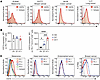 Figure 1
VISTA is abundantly expressed on CD8+ TILs in murine and human tumor tissues. (A) Mice were inoculated on the flank with murine tumors, including B16bl6 melanoma (100,000), E0771 breast cancer (100,000), MC38 colon cancer (100,000), and LLC lung cancer cells (100,000). Tumors were harvested when reaching diameters of approximately 7–8 mm, and TILs were examined for VISTA expression. At least 2 tumors were analyzed for each tumor type. Representative results are shown. (B) VISTA expression was quantified by MFI on CD8+ TILs from B16.OVA tumors, including the PD-1+ and PD-1+CD103+ subsets. *P < 0.05, ***P < 0.001, and ****P < 0.0001. Significance was determined by 1-way ANOVA. Data are presented as mean ± SEM. (C) VISTA expression on CD8+ TILs from surgically resected human tumor tissues was analyzed by flow cytometry. The data presented include CD8+ TILs from melanoma tissues, head and neck tumors, endometrial tumors, and breast cancer tissues. When available, multiple patient (Pt) specimens were included in the analysis.
Deletion of T cell–intrinsic VISTA augmented the early responses of tumor-specific T cells. The inhibitory effects of VISTA on proximal TCR signaling have been attributed to its cis-interaction with LRIG1, a coinhibitory receptor (16). However, the impact of T cell–intrinsic VISTA on antitumor T cell responses remains unclear. To address this question, we generated VISTA-KO OT1 CD8+ TCR transgenic mice on a CD45.2 background (Vsir–/– OT1.CD45.2) and WT OT1 mice expressing the Thy1.1 congenic marker. To interrogate the behavior of OT1 T cells in response to tumor growth, we adoptively transferred Vsir–/– OT1.CD45.2 OT1 T cells together with WT.Thy1.1.OT1 T cells at a 1:1 ratio (5,000 each) into CD45.1 congenic hosts bearing established B16.OVA tumors (Figure 2A). This cotransfer approach permits WT and Vsir–/– OT1 T cells to coexist within the same tumor microenvironment (TME) while exhibiting distinct responses to the tumor, eliminating biases due to tumor size or structure. On day 6 after transfer, Vsir–/– OT1 T cells had accumulated to higher numbers than WT cells in the tumor tissues (Figure 2B). On day 11 after transfer, VISTA-KO OT1 T cells persisted in higher abundance than WT cells, although both populations declined (Figure 2B). Vsir–/– OT1 T cells exhibited enhanced proliferation, as indicated by increased BrdU incorporation (Figure 2C) and reduced cell death (Figure 2D). In addition to tumor tissues, Vsir–/– OT1 T cells also showed superior survival and accumulation in the tumor-draining lymph node (Supplemental Figure 2), indicating that the accumulation of Vsir–/– T cells within the tumor tissue was not due to elevated recruitment or retention. To investigate how VISTA regulates T cell survival, we analyzed apoptotic signaling in ex vivo activated T cells. Compared with WT T cells, Vsir–/– T cells displayed reduced expression of FAS and activated caspase-8, lower mitochondrial reactive oxygen species (ROS) levels (Figure 2, E–G, and gating strategies in Supplemental Figure 3), and increased Bcl-xL expression (Figure 2H). These changes were associated with decreased proportions of early apoptotic cells (annexin V+ 7AAD–) (Figure 2I). Moreover, we confirmed that Vsir–/– tumor-specific OT1 T cells exhibited reduced expression of FAS, diminished caspase-8 activation, and lower mitochondrial ROS levels within tumor tissues (Figure 2, J–L). These results suggest that VISTA promotes apoptosis in tumor-specific T cells.
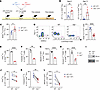 Figure 2
T cell–intrinsic VISTA deficiency enhanced the survival and accumulation of tumor-specific T cells in tumor tissues. Congenically marked WT OT1 (Thy1.1+) and Vsir–/– OT1 (CD45.2+) were mixed at a 1:1 ratio and adoptively cotransferred into C57bl/6 mice bearing 4-day established B16.OVA tumors. On days 6 and 11 after transfer, tumors were harvested, and the tumor-infiltrating OT1 T cells were examined. (A) Outline of the experimental design. (B) Percentages of WT and Vsir–/– OT1 T cells among total CD8+ TILs on days 6 and 11 after transfer. (C) Percentages of dead cells in WT and Vsir–/– OT1 TILs. (D) Mice were treated with BrdU 16 hours before tissue harvest and flow cytometry analysis. Percentages of BrdU+ OT1 T cells are shown. (E–I) WT and Vsir–/– CD8+ T cells were activated in vitro with anti-CD3 (3 mg/mL) for 48 hours before analysis. Shown are the expression levels of FAS and caspase-8 (E and F), mitochondrial ROS levels (G), and the frequencies of early apoptotic cells (annexin V+ 7AAD–) (H). Total cell lysates were collected and analyzed by Western blotting. Expression of Bcl-xL and β-actin is shown in I. (J–L) WT and Vsir–/– OT1 T cells were mixed and cotransferred into mice bearing B16.OVA tumors as in A. On day 10 after transfer, tumor-infiltrating OT1 T cells were analyzed for FAS (J) and caspase-8 (K) expression and mitoSOX levels (L). For B and C, N = 5. For D, N = 7. For E–G, and I, N = 4. For J–L, N = 4. *P < 0.05, **P < 0.01, ****P < 0.0001. Significance was determined by unpaired 2-tailed Student’s t test in all panels. Data are presented as mean ± SEM.
To assess whether T cell–intrinsic VISTA regulates early antitumor T cell responses, WT and Vsir–/– OT1 cells were cotransferred into naive hosts 24 hours before tumor inoculation. By day 12 after transfer, VISTA-deficient OT1 cells showed greater accumulation in both the tumor-draining lymph node and tumor tissues compared with WT cells (Supplemental Figure 4, A and B). These results indicate that blocking T cell–intrinsic VISTA augments the initial response of tumor-specific CD8+ T cells by promoting their expansion and survival.
T cell–intrinsic VISTA deficiency alone was insufficient to control tumor progression, owing to immunosuppression mediated by myeloid cell–derived VISTA. To investigate how T cell–intrinsic VISTA controls tumor growth, we generated T cell–specific VISTA conditional KO mice by breeding Vsir fl/fl mice to CD4cre mice on the C57BL/6 background (15, 22). We have previously shown that the B16bl6 melanoma grew at similar rates in VISTA global KO mice and their WT littermates, likely due to the nonimmunogenic nature of this tumor model (11). Treatment with a peptide vaccine composed of TRP2-derived peptides together with TLR7/8/9 agonists CpG and R848 as adjuvants induced tumor regression in VISTA global KO mice (11). To assess the contribution of T cell–intrinsic VISTA to vaccine-induced antitumor immunity, T cell–specific VISTA conditional KO mice (Vsirfl/fl CD4cre) and WT (Vsirfl/fl) littermates bearing 3-day established B16l6 tumors were treated with the TRP2 peptide vaccine and monitored for tumor growth. Unexpectedly, vaccination did not affect tumor progression in T cell–intrinsic VISTA-KO mice (Figure 3A).
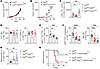 Figure 3
Myeloid-derived VISTA exerted a stronger suppressive effect on antitumor T cell responses than T cell–intrinsic VISTA. (A and B) T cell–specific VISTA-KO mice (Vsirfl/fl CD4Cre) (A), myeloid-specific VISTA-KO mice (Vsirfl/fl Cx3cr1Cre) (B), and WT controls (Vsirfl/fl) were inoculated with B16bl6 melanoma cells and treated with a TRP2 peptide vaccine on days 3 and 10. Tumor growths were monitored by a caliper. (C–G) WT and VISTA conditional KO mice as indicated were inoculated with B16bl6 melanoma cells and treated with 1 reduced dose of vaccine. Phenotypes of CD8+ TILs were examined by flow cytometry on days 14–16 after vaccine treatment. Normalized numbers of CD8+ TILs are shown in C. TCF1 expression levels, measured as MFI, and frequencies of TCF1+TIM3– stem-like cells are shown in D. Frequencies of TCF1+CD62L+PD-1– quiescent T cells are shown in E. Frequencies of TCF1–Tim3+ T cells and TIM3 expression levels are shown in F. Granzyme B expression is shown in G. (H) Mice were inoculated with B16bl6 melanoma and treated with peptide vaccine on days 3 and 10 or treated with anti-VISTA antibodies (200 mg per mouse) every 2–3 days. Mice survival up to 60 days after tumor inoculation is shown. Data are presented as mean ± SEM. For A, N = 10 (Vsirfl/fl) and 9 (Vsirfl/fl CD4Cre). For B, N = 10 (Vsirfl/fl) and 11 (Vsirfl/fl Cx3cr1Cre). For C–E, N = 7 (Vsirfl/fl), 11 (Vsirfl/fl CD4Cre), and 7 (Vsirfl/fl Cx3cr1Cre). For F, N = 12 (Vsirfl/fl), 16 (Vsirfl/fl CD4Cre), and 10 (Vsirfl/fl Cx3cr1Cre). For G, N = 7 (Vsirfl/fl), 6 (Vsirfl/fl CD4Cre), and 7 (Vsirfl/fl Cx3cr1Cre). For H, N = 7 (Vsirfl/fl), 10 (Vsirfl/fl+mAb), 9 (Vsirfl/fl CD4Cre), and 10 (Vsirfl/flCD4Cre+mAb). **P < 0.01, ***P < 0.001, ****P < 0.0001. Significance was determined using 2-way ANOVA with a Šidák’s multiple-comparison test (A and B), 1-way ANOVA (C and E–G), or log-rank Mantel-Cox test (H). All experiments were repeated 2–3 times.
This finding contrasts with the robust tumor control seen in global VISTA-KO mice (11) and suggests the involvement of additional immunosuppressive mechanisms. Recent studies have shown that tumor-associated MDSCs, DCs, or macrophages express high levels of VISTA (14, 15). VISTA-deficient T cells remain sensitive to trans-VISTA–mediated suppression through LRIG1-dependent inhibitory signaling (Supplemental Figure 5) (16). We hypothesized that trans-VISTA expressed on tumor-associated myeloid cells promotes dysfunction of VISTA-deficient T cells. To evaluate the role of myeloid-derived VISTA, we examined the growth of B16bl6 tumors in myeloid-specific VISTA-KO mice (Vsir fl/fl Cx3CR1cre/+). VISTA deficiency in myeloid cells inhibited tumor growth following peptide vaccination (Figure 3B). To determine the mechanisms of tumor control, we compared the phenotypes of CD8+ TILs in mice with T cell–intrinsic versus myeloid-specific VISTA deletion. We observed that tumor control in myeloid-specific VISTA-KO mice was associated with increased accumulation of CD8+ TILs (Figure 3C). While TCF1 expression and the frequency of TCF1+TIM3–CD8+ TILs remained unchanged (Figure 3D), CD8+ TILs within the myeloid-specific VISTA-deficient TME (Vsirfl/fl Cx3cr1Cre) exhibited reduced frequencies of quiescent (TCF1+CD62L+PD-1–) (Figure 3E) and exhausted (TCF1–TIM3+) phenotypic subsets (Figure 3F), accompanied by increased granzyme B expression (Figure 3G). In contrast, deletion of T cell–intrinsic VISTA did not significantly reduce the quiescent subset or increase granzyme B expression, although it did reduce TIM3 expression (Figure 3, E–G). Anti-VISTA antibody treatment suppressed tumor growth in T cell–intrinsic VISTA-KO mice as effectively as global VISTA blockade in WT mice (Figure 3H). Taken together, these results indicate that VISTA-deficient T cells remain susceptible to myeloid-derived trans-VISTA, which plays a dominant role in enforcing T cell quiescence and limiting their cytotoxic function.
CTLA-4 blockade synergized with T cell–intrinsic VISTA deficiency enhanced antitumor T cell responses. Given the unrestrained tumor progression seen in T cell–intrinsic VISTA-KO mice, we hypothesized that additional immune checkpoint receptors may contribute to the dysfunction of VISTA-deficient T cells. An earlier study showed that VISTA-blocking antibodies synergized with CTLA-4 inhibitors to control tumor growth in a preclinical model of squamous cell carcinoma (23). We found that Vsir–/– CTLs expressed higher levels of CTLA-4 than WT CD8+ T cells, both in vitro (Supplemental Figure 6) and in vivo (Figure 4A). Moreover, treatment with CTLA-4 blocking antibody synergized with VISTA deficiency to optimally expand T cells (Figure 4B). These results prompted us to evaluate the effects of CTLA-4 blockade in WT and Vsirfl/fl CD4cre mice bearing B16 melanoma. Treatment with a peptide vaccine combined with anti–CTLA-4 antibodies effectively inhibited tumor progression in Vsir fl/fl CD4cre mice, but not in WT controls (Figure 4C). A substantial portion of VISTA-KO mice achieved tumor-free survival for at least 60 days, whereas all WT mice succumbed to tumor burden (Figure 4D). To assess polyclonal T cells in tumor-free mice, we analyzed CD8+ T cell phenotypes across spleen, lymph nodes, liver, BM, and blood at day 60 after tumor regression. T cell abundance and activation status, as defined by CD44 and CD62L expression, were comparable between tumor-free mice and naive controls (Supplemental Figure 7, A–C), indicating normal baseline T cell homeostasis after tumor clearance. TRP2-specific CD8+ T cells, identified using a TRP2-specific dextramer, were more enriched in the BM and liver of tumor-free mice (Supplemental Figure 7D). To assess their effector function, we stimulated T cells ex vivo with TRP2 peptides. Compared with naive controls, BM CD8+ T cells from tumor-free VISTA-KO mice showed increased expression of CD107a and TNF-α (Supplemental Figure 7, E and F), consistent with the generation of TRP2-specific memory CD8+ T cells following tumor clearance.
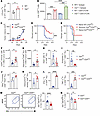 Figure 4
T cell–intrinsic VISTA deficiency synergized with CTLA-4 blockade to boost antitumor T cell responses. (A) CTLA-4 expression on tumor-infiltrating OT1 T cells adoptively transferred into mice bearing B16.OVA tumors. N = 3. (B) WT and Vsir–/– CD8+ T cells were activated with anti-CD3 in the presence of anti–CTLA-4 antibody or isotype IgG. Expanded live T cells after 72 hours were enumerated. N = 4. (C and D) VISTA-KO mice (Vsirfl/fl CD4Cre, N = 22) and WT controls (N = 18) bearing B16bl6 tumors were treated with a peptide vaccine and anti–CTLA-4 antibodies. Tumor progression is shown in C. Mice survival up to 60 days is shown in D. (E) Tumor-free mice were rechallenged with melanoma cells and monitored for tumor growth. N = 5 (naive WT), 11 (tumor-free Vsirfl/fl CD4Cre), and 4 (naive Vsirfl/fl CD4Cre). (F–M) CD8+ TILs were analyzed on day 16 after treatment with the vaccine and anti-CTLA4 antibodies. (F) Numbers of CD45+ TILs. (G) Frequencies of CD8+ TILs recognized by TRP2-specific dextramer. N = 7 for F and G. (H) Frequencies of dead CD8+ TILs. N = 10 (Vsirfl/fl), 9 (Vsirfl/fl CD4Cre). (I) Frequencies of quiescent CD8+ TILs (TCF1+CD62L+PD-1–). N = 6. (J) Frequencies of BrdU-incorporating CD8+ TILs. N = 4. (K) Expression of granzyme B (N = 5). (L) Expression of IFN-γ and TNF-α. N = 6 (Vsirfl/fl) and 4 (Vsirfl/fl CD4Cre). (M) Representative flow plots of CD8+ TILs stained with MG and MDR dyes and frequencies of MG+MDRlo cells. (N) WT and Vsir–/– OT1 T cells (N = 7) were cotransferred at a 1:1 ratio into mice bearing B16.OVA tumors and analyzed after 9 days. Frequencies of MG+MDRlo OT1 TILs are shown. For M, N = 10 (Vsirfl/fl) and 15 (Vsirfl/fl CD4Cre). *P < 0.05, **P < 0.01, ***P < 0.001, ****P < 0.0001. Significance was assessed using unpaired 2-tailed Student’s t test (A and F–N), 1-way ANOVA (B), 2-way ANOVA with a Šidák’s multiple-comparison test (C), or log-rank Mantel-Cox test (D and E). Data are presented as mean ± SEM. All experiments were repeated 2–3 times.
To evaluate the protective capacity of memory responses, tumor-free mice were rechallenged with tumors on day 60 after the initial treatment. Naive WT mice and Vsir fl/fl CD4cre mice were analyzed as parallel controls. A significant fraction of tumor-free VISTA-KO survivor mice was resistant to tumor rechallenge (Figure 4E), indicating protection mediated by tumor-specific memory T cell responses. Similar results were seen in the MC38 colon cancer model, where combined CTLA-4 blockade and peptide vaccination led to tumor-free survival in T cell–intrinsic VISTA-KO mice, which also resisted tumor rechallenge (Supplemental Figure 8).
To understand the mechanisms of tumor control in T cell–intrinsic VISTA-KO mice, we investigated the abundance, phenotypes, and effector function of CD8+ TILs by flow cytometry. Higher numbers of total CD45+ tumor-infiltrating immune cells were seen in VISTA-deficient mice (Figure 4F). Using TRP2-specific dextramer, we detected a higher abundance of tumor-specific Vsir–/– CD8+ TILs than WT cells (Figure 4G). Furthermore, Vsir–/– CD8+ TILs exhibited reduced death (Figure 4H) and a decreased proportion of quiescent T cells (TCF1+CD62L+PD-1–) (Figure 4I). TIM3+ Vsir–/– CD8+ TILs were more proliferative than WT counterparts, as indicated by increased BrdU incorporation (Figure 4J). Vsir–/– CD8+ TILs exhibited enhanced effector activity, with elevated expression of granzyme B (Figure 4K) and effector cytokines IFN-γ and TNF-α (Figure 4L). Taken together, these results indicate that in conjunction with CTLA-4 blockade, loss of T cell–intrinsic VISTA enhanced the proliferation, survival, and effector function of tumor-specific CD8+ T cells.
We next explored the mechanisms by which T cell–intrinsic VISTA regulates the survival and function of tumor-specific T cells in the context of CTLA-4 blockade. We hypothesized that the augmented proliferative capacity and effector function of Vsir–/– CD8+ T cells may result from metabolic adaptations, as previous studies have implicated dysfunctional mitochondria as early drivers of T cell dysfunction (24, 25). We examined mitochondrial status in polyclonal CD8+ TILs using the mitochondria-specific dyes MitoTracker Green FM (MG) and MitoStain Deep Red (MDR) that detect mitochondrial mass and membrane polarization, respectively (26–28). Our results revealed that VISTA-deficient CD8+ TILs contained a reduced proportion of MGhiMDRlo cells carrying depolarized mitochondria (Figure 4M). To confirm this observation in tumor-specific CD8+ T cells, we analyzed mitochondria in WT versus Vsir–/– OT1 T cells cotransferred into B16.OVA tumor-bearing mice and observed similar results (Figure 4N). To investigate the role of T cell–intrinsic VISTA in modulating mitochondrial bioenergetics, we performed a Seahorse XF Mito stress test to assess the oxidative consumption rate (OCR) of in vitro–cultured OT1 T cells. Forty-eight hours after anti-CD3/CD28 stimulation, Vsir–/– T cells exhibited a modest increase in basal respiration and a significantly enhanced spare reserve capacity (SRC) (Supplemental Figure 9A). Since repeated TCR stimulation drives T cell dysfunction (24), we examined mitochondrial respiration after a second round of TCR stimulation. Vsir–/– T cells maintained superior mitochondrial SRC compared with WT T cells (Supplemental Figure 9B). These findings corroborate with elevated mitochondrial membrane potential in Vsir–/– CD8+ TILs and indicate that T cell–intrinsic VISTA acts to impair mitochondrial bioenergetics and metabolic fitness of CD8+ T cells.
Single-cell profiling revealed that T cell–intrinsic VISTA deficiency expanded the effector memory subset and increased the TCR diversity in CD8+ TILs. Previous studies have determined that tumor-associated lymphocytes are heterogeneous and that ICI therapies elicit measurable alterations in T cell repertoire, differentiation, and functional states (29–34). To understand the heterogeneity of CD8+ T cells, we isolated WT and Vsir–/– CD8+ TILs and performed single-cell transcriptomic profiling coupled with single-cell TCR repertoire analysis. After quality control, we identified 5,861 WT and 4,555 Vsir–/– CD8+ TILs. Unsupervised clustering gave rise to 10 distinct clusters (Figure 5A). Cluster identities were defined based on markers associated with T cell activation and functional states (35) (Figure 5B and Supplemental Figure 10). Multiple clusters (C0, C1, C5, C6, C8, and C9) expressed Tcf7, a gene associated with T cell stemness (36, 37). Both C1 and C6 lacked Sell and Ccr7 expression but expressed other memory-like genes (e.g., Tcf7, Il7r, Klf2, Lef1, S1pr1, and Slamf6) and activation/effector function genes (e.g., Klrk1, Cd44, Cd69, Ifng, Tnf, Gzmb, and Prf1). C6 also expressed Itgae, the marker for tissue resident memory (Trm) cells (38). Thus, C1 resembled effector memory-like (Tem) cells, and C6 resembled Trm cells. Compared with C1, C0/C5/C9 expressed lower levels of Tcf7 but lost several memory/stem-like markers (e.g., Il7r, Ccr7, and Lef1). They expressed effector function genes (Ifng, Tnf, Gzmb, and Prf1) and intermediate levels of inhibitory receptors (e.g., Pdcd1 and Tigit) but not Havcr2. C5/C9 also expressed Lag3 and CTLA-4, as well as transcription factors Nr4a2 and Tox. Thus, C0/C5/C9 clusters represent progenitor exhausted (Tpex) T cells at distinct stages of differentiation, with C0 as earlier stage Tpex than C5/C9. C8 expressed high levels of naive/stem-like gene signatures (e.g., Tcf7, Il7r, Sell, Ccr7, Klf2, Lef1, S1pr1, and Slamf6) but lacked expression of inhibitory receptors and effector function genes. The majority of C8 cells expressed activation marker Cd69 and resembled central memory-like cells. A fraction of C8 cells were negative for Cd69, resembling the quiescent naive-like subset. The remaining clusters C2/C3/C4/C7 lacked Tcf7 expression, consistent with a terminally differentiated phenotype. C4/C7 expressed Mki67, indicating their proliferative states (proliferating effector cells). C2 and C3 were not proliferative based on the lack of Mki67 expression and expressed inhibitory receptors (e.g., Pdcd1, Lag3, Harvcr2, Tigit, and CTLA-4) and transcription factors (Nr4a2 and Tox). Thus, C2/C3 represented terminally exhausted (Tex) subsets, although C2 appeared less exhausted, exhibiting lower expression of Havcr2 and Cd101 (39).
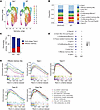 Figure 5
Single-cell transcriptome analysis revealed the molecular pathways in CD8+ T cells that were regulated by T cell–intrinsic VISTA. T cell–specific VISTA-KO mice (Vsirfl/fl CD4Cre) and WT littermates bearing B16 melanoma were treated with a combination of peptide vaccine and anti–CTLA-4 antibodies. On day 18 after treatment, CD8+ TILs were isolated from pooled tumor tissues (6–8 tumors for each genotype) and analyzed by scRNA-seq. (A) UMAP clusters of CD8+ TIL subsets. (B) The identities and proportions of WT and Vsir–/– CD8+ TIL subsets. (C) The proportions of the early-stage Tpex-I and effector memory Tem subsets in WT versus Vsir–/– CD8+ TILs. (D) Ctla4 gene expression in WT and Vsir–/– CD8+ TIL subsets. (E) GSEA leading-edge analysis of CD8+ TILs was performed to identify molecular pathways enriched in Vsir–/– CD8+ TILs. Shared molecular pathways enriched in several Vsir–/– CD8+ TIL subsets are shown.
Quantification of clusters revealed that VISTA-deficient CD8+ TILs contained a higher abundance of effector memory subset (C1, from 12.9% in WT T cells to 17.5% in VISTA-KO T cells) and early Tex subset (C2, from 9.1% in WT T cells to 12.9% in VISTA-KO T cells). In contrast, VISTA deficiency reduced the frequency of the early-stage Tpex-I subset (C0, from 32.76% in WT T cells to 24.08% in VISTA-KO T cells) (Figure 5, B and C). These findings suggest that VISTA deficiency promotes the differentiation of CD8+ T cells toward effector memory and less exhausted phenotypes, contributing to more sustained tumor control.
To investigate the molecular programs regulated by VISTA, we analyzed differentially expressed genes in CD8+ TILs. Notably, Ctla4 gene expression was upregulated across multiple subsets of VISTA-deficient CD8+ TILs (Figure 5D), consistent with findings in in vitro–activated T cells (Supplemental Figure 6) and in vivo OT1 CD8+ TILs (Figure 4A). Next, we performed GSEA to elucidate VISTA-dependent molecular pathways (Figure 5E). Volcano plots display representative profiles of differential gene expression in Tpex-I and Tem subsets (Supplemental Figure 11). Several pathways, such as allograft rejection, IL-2/STAT5 signaling, inflammatory response, IFN-α and IFN-γ response, mTORC1 signaling, AKT_MTOR signaling, and TNF-α signaling via NF-κB were upregulated in multiple subsets of Vsir–/– CD8+ TILs, including the Tpex populations (C0/C5/C9), Tem (C1), and early Tex (C2) subsets. IL-2/STAT5 signaling is known to antagonize the TOX-mediated T cell exhaustion program, while MTOR signaling promotes cell growth, metabolism, and survival (40–42). These pathway alterations indicate that T cell–intrinsic VISTA regulates the expansion, survival, and effector function of tumor-specific CD8+ T cells.
Beyond effects on gene expression, we postulated that VISTA deficiency may modulate the TCR repertoire, thereby promoting more effective antitumor responses. This hypothesis is supported by studies showing that greater TCR repertoire diversity correlates with improved clinical responses to CTLA-4 blockade (29–34). To formally address this hypothesis, we examined single-cell TCR sequences in the context of transcriptionally defined CD8+ TIL subsets. Analysis of overlapping clonotypes revealed that both WT and Vsir–/– CD8+ TILs showed the highest degree of overlap among the Tpex subsets C0, C5, and C9, suggesting a closely related differentiation relationship between these populations (Figure 6A). The proliferating subsets C4 and C7 shared high levels of overlapping clonotypes with each other and with the Tpex C0 and the Tex C2/C3 subsets, indicating their interconnected differentiation relationship. The Tem C1 exhibited lower clonotype overlaps with other subsets, indicating that Tem cells follow a distinct differentiation trajectory (Figure 6A). Moreover, the degrees of clonotype overlap between all subsets were consistently lower in Vsir–/– CD8+ T cells than in WT T cells (Figure 6A). Quantification of the number and frequency of unique clonotypes revealed that Vsir–/– CD8+ T cells harbored a greater number of unique clonotypes across all subsets (Figure 6, B and C) and contained fewer hyperexpanded clonotypes (Figure 6D), thereby exhibiting greater TCR repertoire diversity based on the inverse Simpson index (Figure 6E). These findings suggest that T cell–intrinsic VISTA deficiency enhances clonotype diversity, which contributes to durable tumor control in combination with CTLA-4 blockade.
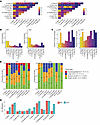 Figure 6
Single-cell TCR analysis revealed increased TCR repertoire diversity in VISTA-deficient CD8+ TILs. The TCR repertoire of WT and VISTA-deficient CD8+ TILs was sequenced and analyzed. (A) The extent of clonotype overlap between CTL subsets was quantified. (B) The number of unique TCR clonotypes was quantified within each CTL subset. (C) The percentages of cells harboring unique TCR clonotypes are displayed for each CTL subset. (D) TCR clonotypes were classified based on their expansion levels into hyperexpanded, large, medium, and small categories, and their distribution across each CTL subset is presented. (E) The overall TCR repertoire diversity was quantified using the inverse Simpson index and presented for each T cell subset.
A gene signature enriched in VISTA-deficient CD8+ T cells is associated with improved clinical responses to immunotherapy. Our transcriptomic analysis revealed reprogramming of gene expression in VISTA-deficient T cells. Since VISTA is expressed on CD8+ TILs in human tumors, we investigated the prognostic role of T cell–intrinsic VISTA in human melanoma. We identified the top 40 differentially expressed genes enriched in murine Vsir–/– CD8+ TILs and mapped them to their human orthologs (Supplemental Figure 12, A and B). This gene module reflects the functional profile of CD8+ CTLs regulated by VISTA and thus designated the VISTAdeficient CTL signature. Using a public scRNA-seq dataset of pan-cancer tissues (43), we confirmed that this signature is most strongly enriched in tumor-infiltrating T cells compared with malignant cells and other immune populations (Supplemental Figure 12C). We evaluated the association between this signature and clinical responses in patients with triple-negative breast cancer treated with chemotherapies and PD-L1 blockade (44). The VISTAdeficient CTL signature was significantly enriched in pretreatment CD8+ TILs from responders compared with nonresponders (P = 0.047), supporting its prognostic value (Supplemental Figure 12D).
Since CTLA-4 is upregulated in murine VISTA-deficient T cells (Figure 4A and Figure 5D), we analyzed Ctla4 expression in human CD8+ TILs using a public scRNA-seq dataset from melanoma tumors (45). Ctla4 expression was elevated in T cells with higher signature scores (Supplemental Figure 13). Next, we examined the association of the VISTAdeficient CTL signature with clinical responses in melanoma patients treated with ipilimumab (46). In pretreatment tissues, the signature score was significantly higher in responders than in nonresponders (P = 0.0031) (Figure 7A) and was associated with improved progression-free survival (PFS; P = 0.022), while showing a trend toward improved overall survival (OS; P = 0.093) (Figure 7B). Lastly, we evaluated the prognostic relevance of the CTL signature in patients with metastatic clear-cell renal cell carcinoma treated with PD-1 and/or CTLA-4 inhibitors (47). The VISTAdeficient CTL signature was more enriched in responders than in nonresponders (Figure 7C), correlated with improved OS (P = 0.0069), and showed a trend toward better PFS (P = 0.088) (Figure 7D). These results collectively indicate that T cell–intrinsic VISTA plays a key role in restraining antitumor CD8+ T cell responses and diminishing clinical efficacy of immunotherapies targeting CTLA-4 and PD-L1/PD-1.
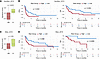 Figure 7
The prognostic role of the VISTAdeficient CTL gene signature in human cancers treated with ICI. Bulk RNA-seq datasets, including the melanoma study by Van Allen et al. (46) (A and B) and the clear-cell renal cell carcinoma study by Miao et al. (47) (C and D), were analyzed. Expression of the VISTAdeficient CTL signature is shown in A and C. The association between the signature score and survival outcomes, including PFS and OS, is shown in B and D. Significance was determined using unpaired 2-tailed Student’s t test (A and C) and log-rank Mantel-Cox test (B and D).


Copyright © 2026 American Society for Clinical Investigation
ISSN: 0021-9738 (print), 1558-8238 (online)