
Advertisement
Research ArticleAgingEndocrinologyMetabolism
Open Access |  10.1172/JCI192355
Reduced glycoprotein hormone β5 links male aging and testosterone decline to increased adiposity
Gengmiao Xiao,1,2 Aijun Qian,3 Zhuo Gao,4 Tingting Dai,5 Hui Liang,6 Shuai Wang,3 Mulan Deng,3 Yunjing Yan,3 Xindan Zhang,7 Xuedi Zhang,3 Yunping Mu,3 Jiqiu Wang,8 Aibo Gao,8 Huijie Zhang,1,2 Fanghong Li,9 and Allan Zijian Zhao9
1Department of Endocrinology and Metabolism, Nanfang Hospital, Southern Medical University, Guangzhou, China.
2Department of Endocrinology and Metabolism, Zhongshan Hospital, Fudan University, Shanghai, China.
3The School of Biomedical and Pharmaceutical Sciences, Guangdong University of Technology, Guangzhou, China.
4Department of Clinical Laboratory, the Fourth Affiliated Hospital of Harbin Medical University, Harbin, China.
5Hunan University of Medicine General Hospital, Huaihua, China.
6Department of General Surgery, The First Affiliated Hospital of Nanjing Medical University, Nanjing, China.
7Guangzhou Quality Supervision and Testing Institute, Collaborative Innovation Center for NQI-Quality Safety of Guangzhou, Guangzhou, China.
8Department of Endocrine and Metabolic Diseases, Shanghai Institute of Endocrine and Metabolic Diseases, Ruijin Hospital, Shanghai Jiao Tong University School of Medicine, Shanghai, China.
9The Institute of International Translational Medicine, GuangDong Engineering Technology Research Center of Metabolic Disorders Interdisciplinary Precision Prevention and Digital Healthcare, The Eighth Affiliated Hospital, Southern Medical University, Foshan, China.
Address correspondence to: Allan Zijian Zhao or Fanghong Li, No. 1 Jiazi Road, Licun, Lunjiao Street, Shunde District, Foshan, 528308, Guangdong Province, China; Phone: 86.18027330698; Email: azzhao@gdut.edu.cn (AZZ). Phone: 86.18027330798; Email: fli@gdut.edu.cn (FL).
Find articles by Xiao, G. in: PubMed | Google Scholar
1Department of Endocrinology and Metabolism, Nanfang Hospital, Southern Medical University, Guangzhou, China.
2Department of Endocrinology and Metabolism, Zhongshan Hospital, Fudan University, Shanghai, China.
3The School of Biomedical and Pharmaceutical Sciences, Guangdong University of Technology, Guangzhou, China.
4Department of Clinical Laboratory, the Fourth Affiliated Hospital of Harbin Medical University, Harbin, China.
5Hunan University of Medicine General Hospital, Huaihua, China.
6Department of General Surgery, The First Affiliated Hospital of Nanjing Medical University, Nanjing, China.
7Guangzhou Quality Supervision and Testing Institute, Collaborative Innovation Center for NQI-Quality Safety of Guangzhou, Guangzhou, China.
8Department of Endocrine and Metabolic Diseases, Shanghai Institute of Endocrine and Metabolic Diseases, Ruijin Hospital, Shanghai Jiao Tong University School of Medicine, Shanghai, China.
9The Institute of International Translational Medicine, GuangDong Engineering Technology Research Center of Metabolic Disorders Interdisciplinary Precision Prevention and Digital Healthcare, The Eighth Affiliated Hospital, Southern Medical University, Foshan, China.
Address correspondence to: Allan Zijian Zhao or Fanghong Li, No. 1 Jiazi Road, Licun, Lunjiao Street, Shunde District, Foshan, 528308, Guangdong Province, China; Phone: 86.18027330698; Email: azzhao@gdut.edu.cn (AZZ). Phone: 86.18027330798; Email: fli@gdut.edu.cn (FL).
Find articles by Qian, A. in: PubMed | Google Scholar
1Department of Endocrinology and Metabolism, Nanfang Hospital, Southern Medical University, Guangzhou, China.
2Department of Endocrinology and Metabolism, Zhongshan Hospital, Fudan University, Shanghai, China.
3The School of Biomedical and Pharmaceutical Sciences, Guangdong University of Technology, Guangzhou, China.
4Department of Clinical Laboratory, the Fourth Affiliated Hospital of Harbin Medical University, Harbin, China.
5Hunan University of Medicine General Hospital, Huaihua, China.
6Department of General Surgery, The First Affiliated Hospital of Nanjing Medical University, Nanjing, China.
7Guangzhou Quality Supervision and Testing Institute, Collaborative Innovation Center for NQI-Quality Safety of Guangzhou, Guangzhou, China.
8Department of Endocrine and Metabolic Diseases, Shanghai Institute of Endocrine and Metabolic Diseases, Ruijin Hospital, Shanghai Jiao Tong University School of Medicine, Shanghai, China.
9The Institute of International Translational Medicine, GuangDong Engineering Technology Research Center of Metabolic Disorders Interdisciplinary Precision Prevention and Digital Healthcare, The Eighth Affiliated Hospital, Southern Medical University, Foshan, China.
Address correspondence to: Allan Zijian Zhao or Fanghong Li, No. 1 Jiazi Road, Licun, Lunjiao Street, Shunde District, Foshan, 528308, Guangdong Province, China; Phone: 86.18027330698; Email: azzhao@gdut.edu.cn (AZZ). Phone: 86.18027330798; Email: fli@gdut.edu.cn (FL).
Find articles by Gao, Z. in: PubMed | Google Scholar
1Department of Endocrinology and Metabolism, Nanfang Hospital, Southern Medical University, Guangzhou, China.
2Department of Endocrinology and Metabolism, Zhongshan Hospital, Fudan University, Shanghai, China.
3The School of Biomedical and Pharmaceutical Sciences, Guangdong University of Technology, Guangzhou, China.
4Department of Clinical Laboratory, the Fourth Affiliated Hospital of Harbin Medical University, Harbin, China.
5Hunan University of Medicine General Hospital, Huaihua, China.
6Department of General Surgery, The First Affiliated Hospital of Nanjing Medical University, Nanjing, China.
7Guangzhou Quality Supervision and Testing Institute, Collaborative Innovation Center for NQI-Quality Safety of Guangzhou, Guangzhou, China.
8Department of Endocrine and Metabolic Diseases, Shanghai Institute of Endocrine and Metabolic Diseases, Ruijin Hospital, Shanghai Jiao Tong University School of Medicine, Shanghai, China.
9The Institute of International Translational Medicine, GuangDong Engineering Technology Research Center of Metabolic Disorders Interdisciplinary Precision Prevention and Digital Healthcare, The Eighth Affiliated Hospital, Southern Medical University, Foshan, China.
Address correspondence to: Allan Zijian Zhao or Fanghong Li, No. 1 Jiazi Road, Licun, Lunjiao Street, Shunde District, Foshan, 528308, Guangdong Province, China; Phone: 86.18027330698; Email: azzhao@gdut.edu.cn (AZZ). Phone: 86.18027330798; Email: fli@gdut.edu.cn (FL).
Find articles by Dai, T. in: PubMed | Google Scholar
1Department of Endocrinology and Metabolism, Nanfang Hospital, Southern Medical University, Guangzhou, China.
2Department of Endocrinology and Metabolism, Zhongshan Hospital, Fudan University, Shanghai, China.
3The School of Biomedical and Pharmaceutical Sciences, Guangdong University of Technology, Guangzhou, China.
4Department of Clinical Laboratory, the Fourth Affiliated Hospital of Harbin Medical University, Harbin, China.
5Hunan University of Medicine General Hospital, Huaihua, China.
6Department of General Surgery, The First Affiliated Hospital of Nanjing Medical University, Nanjing, China.
7Guangzhou Quality Supervision and Testing Institute, Collaborative Innovation Center for NQI-Quality Safety of Guangzhou, Guangzhou, China.
8Department of Endocrine and Metabolic Diseases, Shanghai Institute of Endocrine and Metabolic Diseases, Ruijin Hospital, Shanghai Jiao Tong University School of Medicine, Shanghai, China.
9The Institute of International Translational Medicine, GuangDong Engineering Technology Research Center of Metabolic Disorders Interdisciplinary Precision Prevention and Digital Healthcare, The Eighth Affiliated Hospital, Southern Medical University, Foshan, China.
Address correspondence to: Allan Zijian Zhao or Fanghong Li, No. 1 Jiazi Road, Licun, Lunjiao Street, Shunde District, Foshan, 528308, Guangdong Province, China; Phone: 86.18027330698; Email: azzhao@gdut.edu.cn (AZZ). Phone: 86.18027330798; Email: fli@gdut.edu.cn (FL).
Find articles by Liang, H. in: PubMed | Google Scholar
1Department of Endocrinology and Metabolism, Nanfang Hospital, Southern Medical University, Guangzhou, China.
2Department of Endocrinology and Metabolism, Zhongshan Hospital, Fudan University, Shanghai, China.
3The School of Biomedical and Pharmaceutical Sciences, Guangdong University of Technology, Guangzhou, China.
4Department of Clinical Laboratory, the Fourth Affiliated Hospital of Harbin Medical University, Harbin, China.
5Hunan University of Medicine General Hospital, Huaihua, China.
6Department of General Surgery, The First Affiliated Hospital of Nanjing Medical University, Nanjing, China.
7Guangzhou Quality Supervision and Testing Institute, Collaborative Innovation Center for NQI-Quality Safety of Guangzhou, Guangzhou, China.
8Department of Endocrine and Metabolic Diseases, Shanghai Institute of Endocrine and Metabolic Diseases, Ruijin Hospital, Shanghai Jiao Tong University School of Medicine, Shanghai, China.
9The Institute of International Translational Medicine, GuangDong Engineering Technology Research Center of Metabolic Disorders Interdisciplinary Precision Prevention and Digital Healthcare, The Eighth Affiliated Hospital, Southern Medical University, Foshan, China.
Address correspondence to: Allan Zijian Zhao or Fanghong Li, No. 1 Jiazi Road, Licun, Lunjiao Street, Shunde District, Foshan, 528308, Guangdong Province, China; Phone: 86.18027330698; Email: azzhao@gdut.edu.cn (AZZ). Phone: 86.18027330798; Email: fli@gdut.edu.cn (FL).
Find articles by Wang, S. in: PubMed | Google Scholar
1Department of Endocrinology and Metabolism, Nanfang Hospital, Southern Medical University, Guangzhou, China.
2Department of Endocrinology and Metabolism, Zhongshan Hospital, Fudan University, Shanghai, China.
3The School of Biomedical and Pharmaceutical Sciences, Guangdong University of Technology, Guangzhou, China.
4Department of Clinical Laboratory, the Fourth Affiliated Hospital of Harbin Medical University, Harbin, China.
5Hunan University of Medicine General Hospital, Huaihua, China.
6Department of General Surgery, The First Affiliated Hospital of Nanjing Medical University, Nanjing, China.
7Guangzhou Quality Supervision and Testing Institute, Collaborative Innovation Center for NQI-Quality Safety of Guangzhou, Guangzhou, China.
8Department of Endocrine and Metabolic Diseases, Shanghai Institute of Endocrine and Metabolic Diseases, Ruijin Hospital, Shanghai Jiao Tong University School of Medicine, Shanghai, China.
9The Institute of International Translational Medicine, GuangDong Engineering Technology Research Center of Metabolic Disorders Interdisciplinary Precision Prevention and Digital Healthcare, The Eighth Affiliated Hospital, Southern Medical University, Foshan, China.
Address correspondence to: Allan Zijian Zhao or Fanghong Li, No. 1 Jiazi Road, Licun, Lunjiao Street, Shunde District, Foshan, 528308, Guangdong Province, China; Phone: 86.18027330698; Email: azzhao@gdut.edu.cn (AZZ). Phone: 86.18027330798; Email: fli@gdut.edu.cn (FL).
Find articles by Deng, M. in: PubMed | Google Scholar
1Department of Endocrinology and Metabolism, Nanfang Hospital, Southern Medical University, Guangzhou, China.
2Department of Endocrinology and Metabolism, Zhongshan Hospital, Fudan University, Shanghai, China.
3The School of Biomedical and Pharmaceutical Sciences, Guangdong University of Technology, Guangzhou, China.
4Department of Clinical Laboratory, the Fourth Affiliated Hospital of Harbin Medical University, Harbin, China.
5Hunan University of Medicine General Hospital, Huaihua, China.
6Department of General Surgery, The First Affiliated Hospital of Nanjing Medical University, Nanjing, China.
7Guangzhou Quality Supervision and Testing Institute, Collaborative Innovation Center for NQI-Quality Safety of Guangzhou, Guangzhou, China.
8Department of Endocrine and Metabolic Diseases, Shanghai Institute of Endocrine and Metabolic Diseases, Ruijin Hospital, Shanghai Jiao Tong University School of Medicine, Shanghai, China.
9The Institute of International Translational Medicine, GuangDong Engineering Technology Research Center of Metabolic Disorders Interdisciplinary Precision Prevention and Digital Healthcare, The Eighth Affiliated Hospital, Southern Medical University, Foshan, China.
Address correspondence to: Allan Zijian Zhao or Fanghong Li, No. 1 Jiazi Road, Licun, Lunjiao Street, Shunde District, Foshan, 528308, Guangdong Province, China; Phone: 86.18027330698; Email: azzhao@gdut.edu.cn (AZZ). Phone: 86.18027330798; Email: fli@gdut.edu.cn (FL).
Find articles by Yan, Y. in: PubMed | Google Scholar
1Department of Endocrinology and Metabolism, Nanfang Hospital, Southern Medical University, Guangzhou, China.
2Department of Endocrinology and Metabolism, Zhongshan Hospital, Fudan University, Shanghai, China.
3The School of Biomedical and Pharmaceutical Sciences, Guangdong University of Technology, Guangzhou, China.
4Department of Clinical Laboratory, the Fourth Affiliated Hospital of Harbin Medical University, Harbin, China.
5Hunan University of Medicine General Hospital, Huaihua, China.
6Department of General Surgery, The First Affiliated Hospital of Nanjing Medical University, Nanjing, China.
7Guangzhou Quality Supervision and Testing Institute, Collaborative Innovation Center for NQI-Quality Safety of Guangzhou, Guangzhou, China.
8Department of Endocrine and Metabolic Diseases, Shanghai Institute of Endocrine and Metabolic Diseases, Ruijin Hospital, Shanghai Jiao Tong University School of Medicine, Shanghai, China.
9The Institute of International Translational Medicine, GuangDong Engineering Technology Research Center of Metabolic Disorders Interdisciplinary Precision Prevention and Digital Healthcare, The Eighth Affiliated Hospital, Southern Medical University, Foshan, China.
Address correspondence to: Allan Zijian Zhao or Fanghong Li, No. 1 Jiazi Road, Licun, Lunjiao Street, Shunde District, Foshan, 528308, Guangdong Province, China; Phone: 86.18027330698; Email: azzhao@gdut.edu.cn (AZZ). Phone: 86.18027330798; Email: fli@gdut.edu.cn (FL).
Find articles by Zhang, X. in: PubMed | Google Scholar
1Department of Endocrinology and Metabolism, Nanfang Hospital, Southern Medical University, Guangzhou, China.
2Department of Endocrinology and Metabolism, Zhongshan Hospital, Fudan University, Shanghai, China.
3The School of Biomedical and Pharmaceutical Sciences, Guangdong University of Technology, Guangzhou, China.
4Department of Clinical Laboratory, the Fourth Affiliated Hospital of Harbin Medical University, Harbin, China.
5Hunan University of Medicine General Hospital, Huaihua, China.
6Department of General Surgery, The First Affiliated Hospital of Nanjing Medical University, Nanjing, China.
7Guangzhou Quality Supervision and Testing Institute, Collaborative Innovation Center for NQI-Quality Safety of Guangzhou, Guangzhou, China.
8Department of Endocrine and Metabolic Diseases, Shanghai Institute of Endocrine and Metabolic Diseases, Ruijin Hospital, Shanghai Jiao Tong University School of Medicine, Shanghai, China.
9The Institute of International Translational Medicine, GuangDong Engineering Technology Research Center of Metabolic Disorders Interdisciplinary Precision Prevention and Digital Healthcare, The Eighth Affiliated Hospital, Southern Medical University, Foshan, China.
Address correspondence to: Allan Zijian Zhao or Fanghong Li, No. 1 Jiazi Road, Licun, Lunjiao Street, Shunde District, Foshan, 528308, Guangdong Province, China; Phone: 86.18027330698; Email: azzhao@gdut.edu.cn (AZZ). Phone: 86.18027330798; Email: fli@gdut.edu.cn (FL).
Find articles by Zhang, X. in: PubMed | Google Scholar
1Department of Endocrinology and Metabolism, Nanfang Hospital, Southern Medical University, Guangzhou, China.
2Department of Endocrinology and Metabolism, Zhongshan Hospital, Fudan University, Shanghai, China.
3The School of Biomedical and Pharmaceutical Sciences, Guangdong University of Technology, Guangzhou, China.
4Department of Clinical Laboratory, the Fourth Affiliated Hospital of Harbin Medical University, Harbin, China.
5Hunan University of Medicine General Hospital, Huaihua, China.
6Department of General Surgery, The First Affiliated Hospital of Nanjing Medical University, Nanjing, China.
7Guangzhou Quality Supervision and Testing Institute, Collaborative Innovation Center for NQI-Quality Safety of Guangzhou, Guangzhou, China.
8Department of Endocrine and Metabolic Diseases, Shanghai Institute of Endocrine and Metabolic Diseases, Ruijin Hospital, Shanghai Jiao Tong University School of Medicine, Shanghai, China.
9The Institute of International Translational Medicine, GuangDong Engineering Technology Research Center of Metabolic Disorders Interdisciplinary Precision Prevention and Digital Healthcare, The Eighth Affiliated Hospital, Southern Medical University, Foshan, China.
Address correspondence to: Allan Zijian Zhao or Fanghong Li, No. 1 Jiazi Road, Licun, Lunjiao Street, Shunde District, Foshan, 528308, Guangdong Province, China; Phone: 86.18027330698; Email: azzhao@gdut.edu.cn (AZZ). Phone: 86.18027330798; Email: fli@gdut.edu.cn (FL).
Find articles by Mu, Y. in: PubMed | Google Scholar
1Department of Endocrinology and Metabolism, Nanfang Hospital, Southern Medical University, Guangzhou, China.
2Department of Endocrinology and Metabolism, Zhongshan Hospital, Fudan University, Shanghai, China.
3The School of Biomedical and Pharmaceutical Sciences, Guangdong University of Technology, Guangzhou, China.
4Department of Clinical Laboratory, the Fourth Affiliated Hospital of Harbin Medical University, Harbin, China.
5Hunan University of Medicine General Hospital, Huaihua, China.
6Department of General Surgery, The First Affiliated Hospital of Nanjing Medical University, Nanjing, China.
7Guangzhou Quality Supervision and Testing Institute, Collaborative Innovation Center for NQI-Quality Safety of Guangzhou, Guangzhou, China.
8Department of Endocrine and Metabolic Diseases, Shanghai Institute of Endocrine and Metabolic Diseases, Ruijin Hospital, Shanghai Jiao Tong University School of Medicine, Shanghai, China.
9The Institute of International Translational Medicine, GuangDong Engineering Technology Research Center of Metabolic Disorders Interdisciplinary Precision Prevention and Digital Healthcare, The Eighth Affiliated Hospital, Southern Medical University, Foshan, China.
Address correspondence to: Allan Zijian Zhao or Fanghong Li, No. 1 Jiazi Road, Licun, Lunjiao Street, Shunde District, Foshan, 528308, Guangdong Province, China; Phone: 86.18027330698; Email: azzhao@gdut.edu.cn (AZZ). Phone: 86.18027330798; Email: fli@gdut.edu.cn (FL).
Find articles by
Wang, J.
in:
PubMed
|
Google Scholar
|

1Department of Endocrinology and Metabolism, Nanfang Hospital, Southern Medical University, Guangzhou, China.
2Department of Endocrinology and Metabolism, Zhongshan Hospital, Fudan University, Shanghai, China.
3The School of Biomedical and Pharmaceutical Sciences, Guangdong University of Technology, Guangzhou, China.
4Department of Clinical Laboratory, the Fourth Affiliated Hospital of Harbin Medical University, Harbin, China.
5Hunan University of Medicine General Hospital, Huaihua, China.
6Department of General Surgery, The First Affiliated Hospital of Nanjing Medical University, Nanjing, China.
7Guangzhou Quality Supervision and Testing Institute, Collaborative Innovation Center for NQI-Quality Safety of Guangzhou, Guangzhou, China.
8Department of Endocrine and Metabolic Diseases, Shanghai Institute of Endocrine and Metabolic Diseases, Ruijin Hospital, Shanghai Jiao Tong University School of Medicine, Shanghai, China.
9The Institute of International Translational Medicine, GuangDong Engineering Technology Research Center of Metabolic Disorders Interdisciplinary Precision Prevention and Digital Healthcare, The Eighth Affiliated Hospital, Southern Medical University, Foshan, China.
Address correspondence to: Allan Zijian Zhao or Fanghong Li, No. 1 Jiazi Road, Licun, Lunjiao Street, Shunde District, Foshan, 528308, Guangdong Province, China; Phone: 86.18027330698; Email: azzhao@gdut.edu.cn (AZZ). Phone: 86.18027330798; Email: fli@gdut.edu.cn (FL).
Find articles by Gao, A. in: PubMed | Google Scholar
1Department of Endocrinology and Metabolism, Nanfang Hospital, Southern Medical University, Guangzhou, China.
2Department of Endocrinology and Metabolism, Zhongshan Hospital, Fudan University, Shanghai, China.
3The School of Biomedical and Pharmaceutical Sciences, Guangdong University of Technology, Guangzhou, China.
4Department of Clinical Laboratory, the Fourth Affiliated Hospital of Harbin Medical University, Harbin, China.
5Hunan University of Medicine General Hospital, Huaihua, China.
6Department of General Surgery, The First Affiliated Hospital of Nanjing Medical University, Nanjing, China.
7Guangzhou Quality Supervision and Testing Institute, Collaborative Innovation Center for NQI-Quality Safety of Guangzhou, Guangzhou, China.
8Department of Endocrine and Metabolic Diseases, Shanghai Institute of Endocrine and Metabolic Diseases, Ruijin Hospital, Shanghai Jiao Tong University School of Medicine, Shanghai, China.
9The Institute of International Translational Medicine, GuangDong Engineering Technology Research Center of Metabolic Disorders Interdisciplinary Precision Prevention and Digital Healthcare, The Eighth Affiliated Hospital, Southern Medical University, Foshan, China.
Address correspondence to: Allan Zijian Zhao or Fanghong Li, No. 1 Jiazi Road, Licun, Lunjiao Street, Shunde District, Foshan, 528308, Guangdong Province, China; Phone: 86.18027330698; Email: azzhao@gdut.edu.cn (AZZ). Phone: 86.18027330798; Email: fli@gdut.edu.cn (FL).
Find articles by
Zhang, H.
in:
PubMed
|
Google Scholar
|
1Department of Endocrinology and Metabolism, Nanfang Hospital, Southern Medical University, Guangzhou, China.
2Department of Endocrinology and Metabolism, Zhongshan Hospital, Fudan University, Shanghai, China.
3The School of Biomedical and Pharmaceutical Sciences, Guangdong University of Technology, Guangzhou, China.
4Department of Clinical Laboratory, the Fourth Affiliated Hospital of Harbin Medical University, Harbin, China.
5Hunan University of Medicine General Hospital, Huaihua, China.
6Department of General Surgery, The First Affiliated Hospital of Nanjing Medical University, Nanjing, China.
7Guangzhou Quality Supervision and Testing Institute, Collaborative Innovation Center for NQI-Quality Safety of Guangzhou, Guangzhou, China.
8Department of Endocrine and Metabolic Diseases, Shanghai Institute of Endocrine and Metabolic Diseases, Ruijin Hospital, Shanghai Jiao Tong University School of Medicine, Shanghai, China.
9The Institute of International Translational Medicine, GuangDong Engineering Technology Research Center of Metabolic Disorders Interdisciplinary Precision Prevention and Digital Healthcare, The Eighth Affiliated Hospital, Southern Medical University, Foshan, China.
Address correspondence to: Allan Zijian Zhao or Fanghong Li, No. 1 Jiazi Road, Licun, Lunjiao Street, Shunde District, Foshan, 528308, Guangdong Province, China; Phone: 86.18027330698; Email: azzhao@gdut.edu.cn (AZZ). Phone: 86.18027330798; Email: fli@gdut.edu.cn (FL).
Find articles by Li, F. in: PubMed | Google Scholar
1Department of Endocrinology and Metabolism, Nanfang Hospital, Southern Medical University, Guangzhou, China.
2Department of Endocrinology and Metabolism, Zhongshan Hospital, Fudan University, Shanghai, China.
3The School of Biomedical and Pharmaceutical Sciences, Guangdong University of Technology, Guangzhou, China.
4Department of Clinical Laboratory, the Fourth Affiliated Hospital of Harbin Medical University, Harbin, China.
5Hunan University of Medicine General Hospital, Huaihua, China.
6Department of General Surgery, The First Affiliated Hospital of Nanjing Medical University, Nanjing, China.
7Guangzhou Quality Supervision and Testing Institute, Collaborative Innovation Center for NQI-Quality Safety of Guangzhou, Guangzhou, China.
8Department of Endocrine and Metabolic Diseases, Shanghai Institute of Endocrine and Metabolic Diseases, Ruijin Hospital, Shanghai Jiao Tong University School of Medicine, Shanghai, China.
9The Institute of International Translational Medicine, GuangDong Engineering Technology Research Center of Metabolic Disorders Interdisciplinary Precision Prevention and Digital Healthcare, The Eighth Affiliated Hospital, Southern Medical University, Foshan, China.
Address correspondence to: Allan Zijian Zhao or Fanghong Li, No. 1 Jiazi Road, Licun, Lunjiao Street, Shunde District, Foshan, 528308, Guangdong Province, China; Phone: 86.18027330698; Email: azzhao@gdut.edu.cn (AZZ). Phone: 86.18027330798; Email: fli@gdut.edu.cn (FL).
Find articles by Zhao, A. in: PubMed | Google Scholar
Published February 3, 2026 - More info
J Clin Invest. 2026;136(6):e192355. https://doi.org/10.1172/JCI192355.
© 2026 Xiao et al. This work is licensed under the Creative Commons Attribution 4.0 International License. To view a copy of this license, visit http://creativecommons.org/licenses/by/4.0/.
Received: February 12, 2025; Accepted: January 22, 2026

-
Results
The association of blood GPHB5 and testosterone in different age groups. As an initial attempt to evaluate the changes of GPHB5 in different age groups, we measured the blood levels of GPHB5 in samples collected from cohorts intended for regular physical checkup in 2 different local hospitals (see Supplemental Table 1; supplemental material available online with this article; https://doi.org/10.1172/JCI192355DS1). In men, circulating GPHB5 concentrations gradually decline with age, with a significant negative correlation (Figure 1A and Supplemental Figure 1A). In the blood samples, the median levels of GPHB5 reached 0.43 ng/mL in the young adult group (aged 21–30 years). In the age group between 51 and 60 years, the median value had declined to 0.25 ng/mL; this decline was even more drastic (to as low as 0.19 ng/mL) when we looked at the cohort of men of advanced age (older than 70 years) (Supplemental Table 1). In women, blood concentrations of GPHB5 were generally lower across different age groups (age 21–50 years) than those of the same age bracket until they reached advanced age (older than 60 years) (Supplemental Table 1). However, contrary to the findings in men, a significant positive correlation was identified with women’s ages (Figure 1B and Supplemental Figure 1B), primarily owing to the uptick in GPHB5 concentration in postmenopausal women. In the clinical cohort in this study, we did not find a significant correlation between GPHB5 concentration and fasting blood glucose, triglyceride (TG), total cholesterol (TC), low-density lipoprotein cholesterol (LDL-C), and high-density lipoprotein cholesterol (HDL-C) levels in men (Supplemental Figure 1, C–G) or women (Supplemental Figure 1, H–L).
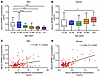 Figure 1
Serum GPHB5 levels in men and women during aging. Serum GPHB5 levels versus age in men (A) and women (B). The box plots display the 25th, 50th, and 75th percentiles (horizontal bars), with the whiskers extending to ± 1.5× IQRs. Correlation of testosterone with GPHB5 levels in men (C) and women (D). n = 171 for men and n = 152 for women. Statistical significance was determined by Kruskal-Wallis test with Dunn’s test for multiple comparisons (A and B); for correlation analyses, Spearman correlation coefficients (Spearman r) and P values are reported (C and D). *P < 0.05, ***P < 0.001, ****P < 0.0001.
Circulating testosterone concentrations decline with aging in men (7–9). Subsequent analysis of the total testosterone readings in the clinical samples from our cohort revealed a strong positive correlation with the blood concentrations of GPHB5 in men (Figure 1C), implying a potential regulatory role of testosterone on GPHB5 expression. In fact, a strong positive correlation also existed in women (Figure 1D). Curiously, serum GPHB5 was negatively correlated with circulating 17β-estradiol (Supplemental Figure 1M) in women. It appears that the circulating GPHB5 levels in women are the result of interplay between estrogen and testosterone. The data thus far prompted us to check the expression of GPHB5 in patients with polycystic ovary syndrome (PCOS), who usually have elevated testosterone concentrations (30). Using the published expression profiles in National Center for Biotechnology Information Gene Expression Omnibus (https://www.ncbi.nlm.nih.gov/geo/), we analyzed GPHB5 mRNA levels in the skeletal muscle (accession no. GSE8157) among patients with PCOS and healthy control participants without PCOS. The mRNA expression of GPHB5 in the samples of patients with PCOS was markedly higher than in those of the control group (Supplemental Figure 1N), further indicating a positive correlation between testosterone and GPHB5 in human blood samples.
Testosterone regulates the production of GPHB5. To verify that testosterone indeed directly regulates GPHB5 expression in vivo, we performed bilateral orchiectomy in male C57BL/6 mice to reduce blood testosterone concentrations (Figure 2A). Owing to the lack of a reliable GPHB5 ELISA kit to detect circulating GPHB5 in mouse blood samples, we examined the GPHB5 transcript levels in different tissues by real-time PCR. The castration led to a sharp drop in circulating testosterone levels and, importantly, a substantial decrease (~50%) of tissue GPHB5 expression in the same mice (Figure 2B), implying that testosterone is a crucial factor controlling GPHB5 expression; however, other regulatory factors are also involved.
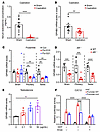 Figure 2
Testosterone regulated the production of GPHB5. The testosterone levels in serum (A) and GPHB5 mRNA levels in brain (B) of male mice (n = 12 per group). (C) GPHB5 mRNA levels in brain, pituitary, and testis of mice in which AR was inhibited by flutamide for 10 days and 21 days (n = 4–5 per group). Con, control. (D) GPHB5 mRNA levels in brain, pituitary, and testis of mice (n = 6 for WT and n = 8 for AR–/– mice). (E) GPHB5 mRNA levels in C2C12 cells treated with testosterone for 1 day. (F) Relative luciferase activities in the C2C12 cells transfected with the WT and mutation GPHB5 promoter luciferase reporter plasmid. Cells were treated with DHT (10 nM) or enzalutamide (Enza; 0.1 μM) or both. NC, negative control. All data represent mean ± SEM; significant differences were determined by unpaired 2-tailed Student’s t test (A, B, and D); 1-way ANOVA with Dunnett’s multiple comparisons test (C and E); and 2-way ANOVA with Tukey’s multiple comparisons test (F). *P < 0.05, **P < 0.01, ***P < 0.001, ****P < 0.0001.
To confirm the regulatory role of testosterone, we blocked the functions of AR through either the pharmacological inhibitor flutamide or gene deletion with CRISPR/Cas9 technology (AR–/– mice) (Supplemental Figure 1O). Pharmacological blockade of AR caused marked diminution of GPHB5 expression in the tissue samples (e.g., pituitary, testis) (Figure 2C). Similarly, in the male AR–/– mice, deletion of AR gene led to the reduction of GPHB5 expression (as evident in the brain, pituitary, and testis samples) (Figure 2D). These findings were corroborated by a cellular study in which co-incubation of testosterone with mouse myoblast C2C12 cells generated a dose-dependent stimulatory effect on GPHB5 expression (Figure 2E). However, in a parallel experiment, co-incubation of 17β-estradiol with the C2C12 cells did not alter GPHB5 expression (Supplemental Figure 1P), suggesting the regulation of GPHB5 is a sex-biased (or sex hormone–biased) physiological process.
To elucidate how testosterone exerts its direct stimulatory effect on GPHB5 expression, we systematically scanned the promoter region of human GPHB5 gene (https://jaspar.genereg.net/) for potential AR-binding sites and found 6 regions fitting as highly probable interaction sites (Supplemental Table 2). An expression plasmid with the luciferase reporter gene placed under the control of GPHB5 promoter was then transfected into the C2C12 cells. The luciferase reporter expression was greatly increased after addition of dihydrotestosterone (DHT), an AR agonist, in the transfected cells, but was dramatically tamed after incubation with the AR antagonist enzalutamide (Figure 2F). To further solidify the concept of direct regulation by AR, we mutated all the AR-binding sites of the GPHB5 promoter and found that neither DHT nor enzalutamide could affect GPHB5 expression (Figure 2F).
Although these findings cannot answer which AR-binding element is the most critical, they do demonstrate that testosterone directly stimulates the expression of GPHB5 via the AR-binding sites in the promoter of the GPHB5 gene. Taken together, these findings indicate the expression of GPHB5 is a result of direct regulation by testosterone, but not estrogen. Diminution of circulating testosterone levels, as in the case of male aging or blockade of ARs, will impede GPHB5 expression.
GPHB5 deficiency leads to development of obesity. We postulated that the decline of GPHB5 production is the primary cause of aging- and testosterone-waning–associated obesity in men and that GPHB5 serves as the intermediate player linking testosterone, energy balance, and adiposity. To test this hypothesis, we generated GPHB5-knockout (GPHB5–/–) mice with C57BL/6 background using CRISPR/Cas9 technology. Two independent lines of the knockout were generated, with both showing deletion of exons 2 and 3 (Supplemental Figure 2A), subsequently confirmed through a PCR analysis with specific primer sets (Supplemental Table 3). A systematic off-target analysis (combining bioinformatic predictions of the potential off-target sites and subsequent sequencing analysis) revealed no off-target deletion of genes (Supplemental Figure 2, B and C). The ablation of GPHB5 expression was also verified with a real-time PCR assay (Supplemental Figure 3A). Similar to the findings of previously published studies (31, 32), the knockout of GPHB5 did not influence the blood concentrations of either triiodothyronine (T3) or thyroxine (T4) when compared with those in the WT mice, even though GPHB5 or CGH uses TSHR as the canonical receptor (Supplemental Figure 3, B and C). We also confirmed that the deficiency of GPHB5 did not influence the expression of GPHA2 (the heterodimeric partner in CGH), further confirming the metabolic phenotypes were due to the mutation in GPHB5, not GPHA2 (Supplemental Figure 3D). Interestingly, the blood testosterone levels of the GPHB5–/– mice were substantially elevated (Supplemental Figure 3E), implying a negative feedback loop of GPHB5 exists on testosterone production. Importantly, the elevated concentration of blood testosterone still could not exert its catabolic actions in the absence of GPHB5 expression (discussed later in this section).
Generation of the GPHB5–/– mice allowed us to monitor the changes in body weight and adiposity over time. Compared with their WT littermates, the body weight of the male GPHB5–/– mice diverged as early as 6 weeks of age, and these mice weighed more throughout the entire observation period (at least 31 weeks) (Figure 3, A and B). In contrast, very little difference in body weight was observed between the female GPHB5–/– and their WT littermates (Supplemental Figure 3F), further confirming that the regulation of adiposity and body weight by GPHB5 is sexually dimorphic and that estrogen plays an expected prominent role in regulating female body weight.
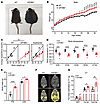 Figure 3
Lack of GPHB5 expression led to obesity in mice. (A) Pictures of male WT mice (left) and GPHB5–/– mice (right) at 35 weeks of age. (B) Body weight curve for male mice (n = 18 for WT and n = 16 for GPHB5–/– mice). The body weight of mice was tracked weekly from the age of 6 weeks to 31 weeks. (C) Energy expenditure in mice (n = 8 per group) was measured by indirect calorimetry and analyzed by ANCOVA. (D) Body temperature of mice (n = 8 per group) at room temperature (22°C). (E) Body fat mass and lean mass of mice were detected by EchoMRI (n = 6 per group). (F) Micro-CT images of WT mice (left) and GPHB5–/– mice (right). The yellow parts in the coronal plane image represents WAT. (G) BAT between scapula, visceral fat (vis. fat), and subcutaneous fat (sub. fat) of mice (n = 5 per group) by micro-CT. All data represent mean ± SEM; significant differences were determined by 2-way ANOVA with Šídák’s multiple comparisons test (B); ANCOVA with energy expenditure as a dependent variable and body weight as covariate (C); and Student’s 2-tailed, unpaired t test (D, E, and G). *P < 0.05, **P < 0.01, ***P < 0.001, ****P < 0.0001.
Indirect calorimetry analysis showed that the energy expenditure of the male GPHB5–/– mice was markedly lower than that of the WT control (Figure 3C and Supplemental Figure 3G), whereas respiratory exchange ratio (RER) and daily food intake were essentially the same between the 2 genotypes (Supplemental Figure 3, H and I). In this context, the reduced energy expenditure of the knockout mice was confirmed by ANCOVA, using body mass as a covariate, as previously reported (33, 34). Consistent with these observations, the body temperature of GPHB5–/– mice was also markedly lower than that of WT mice (Figure 3D), further solidifying the notion that the increase in body weight of the male knockout mice was due to their reduced energy expenditure.
Using EchoMRI analysis to assess body composition, we discovered that the male GPHB5–/– mice had sharply elevated fat mass and a small, yet substantial, increase in lean mass compared with the WT male littermates (Figure 3E). Such an increase in lean mass is likely attributed to the considerably elevated circulating testosterone levels in the knockout mice, because testosterone is well known to increase muscle mass and bone density (35, 36). By inference, the fat ratio in the overall body weight was also higher in the knockout mice than in the WT control mice (Supplemental Figure 3J), indicating that adipose accumulation was the primary cause of weight gain in the GPHB5-/- mice. A whole-body micro-CT scan further verified that the body fat mass of the knockout male mice was considerably greater than that of the WT counterpart (Figure 3F and Supplemental Figure 3K), with both the visceral and subcutaneous fat accumulation as the prominent features (Figure 3G). Although the weights of ex vivo brown adipose tissue (BAT) dissected from the WT and GPHB5 mice were essentially the same, the weights of inguinal white adipose tissue (iWAT) and epididymal white adipose tissue (eWAT) of the knockout mice were much greater compared with those of their WT littermates (Supplemental Figure 3, L and M), a finding consistent with the results of the micro-CT scans.
GPHB5 deficiency leads to reduced WAT browning and body temperature. The decreased body temperature in GPHB5–/– mice prompted us to investigate their thermogenic potential. After being exposed to a 4°C environment for 24 hours, both the knockout and WT mice had reduced body core temperature, but GPHB5 deficiency led to sharp drop in body temperature to 33°C–34°C (Figure 4A). Such a remarkable phenotype led us to speculate that GPHB5-/- deficiency might have decreased white-fat browning. Indeed, after the cold exposure and dissection of subcutaneous iWAT, the expression of uncoupling protein 1 (UCP1), a prominent marker of browning, was markedly reduced at both the mRNA and protein levels (Figure 4, B and C). Consistent with such an observation, the mRNA expression levels of several important genes transcriptionally controlling the browning process, such as PPARγ, PPARγ coactivator 1-α, and PR-domain containing 16, were all markedly decreased (Figure 4B). In parallel assays, several lipolysis-promoting genes, such as hormone-sensitive lipase (HSL), perilipin 1 (PLIN1), and adipose triglyceride lipase, also exhibited lower expression in the iWAT relative to those in the WT tissues (Figure 4B). Histopathology assay and IHC both revealed considerably larger fat cells and tamed UCP1 staining in the samples from the GPHB5–/– mice than those from the WT mice (Figure 4D). In contrast, we did not see the characteristics of BAT whitening, such as enlargement of lipid droplets or reduction of multilocular droplets, in the knockout mice. In addition, the expression of UCP1 and lipid metabolic genes was not altered in the BAT.
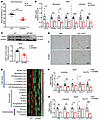 Figure 4
Mice lacking GPHB5 had decreased body temperature, browning, and fat metabolism. (A) Core body temperature of mice after cold exposure (4°C, 24 hours; n = 7 per group). (B and C) qPCR analysis of browning and lipolysis-associated genes, n = 6–7 per group (B) and Western blot analysis of UCP1, n = 7 for WT and n = 6 for GPHB5–/– mice (C) in iWAT after cold exposure (4°C, 24 hours). Quantification of UCP1 protein levels also is shown. (D) Representative images of H&E-stained iWAT and UCP1-specific IHC of iWAT from mice after cold exposure (4°C, 24 hours; n = 7 per group). Scale bars: 100 μm. (E) Metabolite heatmaps of mice iWAT (n = 8 per group) at room temperature (22°C). Rows reflected normalized (z-score) metabolite concentrations. (F and G) qPCR analysis of lipolysis and GLUTs associated genes in iWAT (F) and eWAT (G) of mice (n = 7 per group) at room temperature (22°C). All data represent mean ± SEM; significant differences between treatments were determined by unpaired 2-tailed Student’s t test (A and C) or Mann-Whitney U test (B, F, and G). *P < 0.05, **P < 0.01, ***P < 0.001, ****P < 0.0001.
These findings indicated that GPHB5 knockout did not influence the thermogenic ability of BAT (Supplemental Figure 3, N and O). Thus, GPHB5 deficiency led to decreased thermogenic ability with attenuated fat browning and lipid degradation as the underlying mechanisms.
GPHB5 deficiency leads to decreased fat metabolism. Next, we further explored the metabolic changes within the adipose tissue of the GPHB5-/- mice. To this end, we examined the changes of various metabolites in iWAT by mass spectrometry. Compared with the samples from the WT littermates, there were 24 metabolites with marked changes as a result of GPHB5 deficiency (Figure 4E and Supplemental Table 4), among which free fatty acid (FA) metabolite levels dropped sharply, supporting the finding that GPHB5 deficiency caused reduction of fat breakdown upon cold exposure (Figure 4B). Indeed, even when housed at room temperature (~22°C), the GPHB5-/- mutation substantially dampened the expression of those genes inducing lipolysis in both the epididymal and subcutaneous WATs (Figure 4, F and G). In fact, the change of metabolites in the fat tissues of the knockout mice was reflected not just in lipids but also in amino acids and carbohydrates, among which the glucose content decreased surprisingly by 70% (Figure 4E and Supplemental Table 4). Consistent with this observation, the expression of glucose transporter type 4 (GLUT4) was also markedly reduced (Figure 4, F and G). Diminution of GLUT4 expression in the fat tissue not only contributed to the insulin-resistant phenotypes of the GPHB5-deficient mice (discussed next) but also reflected the preference of adipocytes toward lipid, not glucose, absorption.
GPHB5 deficiency leads to strong insulin resistance and severe hepatic steatosis. Even maintained with a regular chow diet, the GPHB5–/– mice already displayed strong insulin resistance, as evident in the pronounced glucose intolerance in glucose tolerance tests (Figure 5A and Supplemental Figure 4A) and reduced insulin sensitivity in insulin tolerance tests (Figure 5B and Supplemental Figure 4B). GPHB5 deficiency also caused excessive ectopic fat deposition in the liver. H&E staining revealed severe steatosis and hepatocyte ballooning (Figure 5C) in the liver sections of GPHB5–/– mice. The fatty liver phenotype was also quantitatively verified by the markedly increased hepatic TG content in the knockout mice (Figure 5D). Measurement of liver functions revealed that alanine aminotransferase levels were elevated and a trend toward increase in aspartate aminotransferase levels in the blood samples of GPHB5–/– mice (Supplemental Figure 4, C and D), indicative of impaired liver functions.
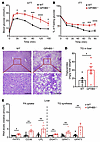 Figure 5
Lack of GPHB5 led to glucose intolerance, insulin resistance, and hepatic lipid accumulation. Glucose tolerance test (GTT) (A) and insulin tolerance test (ITT) results (B) of mice (n = 5 for WT and n = 4–5 for GPHB5–/– mice). (C) Representative images of H&E-stained liver sections from WT and GPHB5–/– mice. Scale bars: 100 μm. (D) TG levels in liver of mice (n = 7 per group). (E) qPCR analysis of FA uptake– and TG synthesis–associated genes in liver of mice (n = 7 per group). All data represent mean ± SEM; significant differences between treatments were determined by 2-way ANOVA with Šídák’s multiple comparisons test (A and B); unpaired 2-tailed Student’s t test (D); and Mann-Whitney U test (E). *P < 0.05, **P < 0.01, ***P < 0.001, ****P < 0.0001.
Surprisingly, despite the heavy accumulation of fat, hepatic expression of those genes encoding the transporters for FA uptake, such as fatty acid transport protein 1, cluster of differentiation 36 (CD36), and lipoprotein lipase, were still markedly increased; the expression of some of genes increased sharply (Figure 5E). Furthermore, the expression of the enzymes for TG synthesis was also strongly elevated, such as for diacylglycerol O-acyltransferase 1 (DGAT1), glycerol-3-phosphate acyltransferase 1 (GPAT1), and GPAT3 (Figure 5E).
The strong insulin resistance phenotype further prompted us to evaluate the expression of those genes governing hepatic gluconeogenesis. Null mutation of GPHB5 substantially decreased hepatic expression of phosphoenolpyruvate carboxykinase and glucose-6-phosphatase, indicative of reduced ability of gluconeogenesis. In contrast, the hepatic expression of glucokinase, the enzyme playing critical roles in keeping glucose inside hepatocytes and subsequent glycogen synthesis, was substantially elevated (Supplemental Figure 4E). These changes, together, did not alter hepatic glycogen storage content in the GPHB5–/– mice (Supplemental Figure 4F). Thus, GPHB5 deficiency caused not only development of obesity but also ectopic lipid deposition, as well as dysregulation of hepatic lipid synthesis and uptake.
Reconstitution of GPHB5 leads to decreased adiposity in GPHB5–/– or AR–/– mice. GPHB5 typically exists and functions through heterologous dimerization with GPHA2 (26, 27) to form CGH. To solidify the linkage between circulating GPHB5 level and testosterone, we first expressed recombinant human CGH protein (rCGH) in a Chinese hamster ovarian cell line and purified it to near homogeneity (Supplemental Figure 5A). In the initial test of the function of this recombinantly expressed product, differentiated 3T3-L1 adipocytes were incubated with 0 μM, 0.5 μM, and 1 μM rCGH for 24 hours. Oil Red O staining revealed that rCGH decreased the lipid content in mature adipocytes (Supplemental Figure 5, B and C). Following the treatment of rCGH, the reduction of TG content as well as the increase in glycerol release from adipocytes demonstrated the promotion of lipolysis by rCGH (Supplemental Figure 5, D and E). Immunoblotting further showed that the phosphorylation levels of lipolysis-promoting enzymes, such as HSL and PLIN1, were elevated in the differentiated 3T3-L1 adipocytes (Supplemental Figure 5, F and G). Collectively, these findings indicated CGH could directly control lipid accumulation in adipocytes by regulating lipolysis.
To further ascertain whether the metabolic phenotypes of GPHB5 were mediated through a TSHR-initiated cAMP/PKA pathway, we pretreated 3T3-L1 adipocytes with H89, a specific inhibitor of PKA. The rCGH-stimulated glycerol release from the adipocytes was completely inhibited by H89 (Supplemental Figure 5H) and blocked the inhibitory effect of rCGH on intracellular TG content (Supplemental Figure 5I), indicating that H89 was able to neutralize rCGH-induced lipid lipolysis. Although the phosphorylation levels of HSL, PLIN1, and cAMP response element binding protein (CREB) were markedly elevated after the treatment with rCGH, when co-incubated with H89, these effects of rCGH completely disappeared (Supplemental Figure 5, J–M). Taken together, these findings strongly supported a role of GPHB5 in lipid metabolism, which was dependent on cAMP/PKA signal transduction.
We initially evaluated the safety of rCGH treatment at the tested dose. In WT mice, intravenous delivery of rCGH (10 mg/kg) did not cause substantial changes in the blood biochemical indices, including liver and kidney functions (Supplemental Figure 6, A–F), indicating little toxicity. Reconstitution of rCGH in the GPHB5–/– mice also did not influence the expression of GPHA2 (Supplemental Figure 6G), suggesting that any metabolic phenotype after rCGH treatment was unlikely due to the changes in GPHA2 activity. Next, male GPHB5–/– mice and their WT littermates were intravenously given either vehicle control (PBS) or 10 mg/kg rCGH once and subjected to indirect calorimetry evaluation. Introduction of rCGH, but not the vehicle control, into GPHB5–/– mice elevated energy expenditure (Figure 6A) and restored body temperature to a level equivalent to that of WT mice (Figure 6B). In contrast, the energy expenditure of WT mice did not change after the injection of rCGH (Figure 6A), further supporting that the observed effect of the rCGH was unlikely due to some nonspecific event.
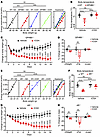 Figure 6
rCGH reversed the phenotypes of GPHB5–/– and AR–/– mice. Energy expenditure (A) and core body temperature (B) of mice treated with vehicle (Veh) or 10 mg/kg rCGH (n = 7 for WT and GPHB5–/– mice). (C) Body weight change of GPHB5–/– mice treated with vehicle or 5 mg/kg rCGH (n = 7 per group). (D) Percentage change in body weight, fat mass, and lean mass at day 16 compared with day 0 in GPHB5–/– mice (n = 7 per group). (E and F) Energy expenditure (E) and core body temperature (F) of mice treated with vehicle or 10 mg/kg rCGH (n = 7 for WT and AR–/– mice). (G) Body weight change of AR–/– mice treated with vehicle or 5 mg/kg rCGH (n = 7 per group). (H) Percentage change in body weight, fat mass, and lean mass at day 16 compared with day 0 in AR–/– mice (n = 7 per group). All data represent mean ± SEM; significant differences were determined by ANCOVA with energy expenditure as a dependent variable and body weight as covariate (A and E); unpaired 2-tailed Student’s t test (D); 2-way ANOVA with Šídák’s multiple comparisons test (B, C, F, and G); and Mann-Whitney U test (H). *P < 0.05, **P < 0.01, ***P < 0.001, ****P < 0.0001.
We further investigated whether reconstitution of GPHB5 (in the form of CGH) can diminish adiposity, using a prolonged treatment module in the GPHB5–/– mice. Consecutive daily intraperitoneal injection of rCGH or vehicle was performed for 16 days. At the end of treatment, GPHB5–/– mice had a marked loss of total body weight by 5.5%, which was primarily due to a 22.6% decrease in fat mass (even with a modest increase in lean mass) (Figure 6, C and D). The diminishment of adiposity was primarily a result of increased energy expenditure and not the changes in RER and caloric intake (Figure 6A and Supplemental Figure 6, H and I). In parallel, the vehicle-treated group still had an increase in fat mass (Figure 6D).
While examining the expression of lipolysis-related genes in both iWAT and eWAT, we found that the prolonged treatment with rCGH markedly increased the phosphorylation levels of HSL and CREB in both iWAT and eWAT (Supplemental Figure 6, J–M) and, at least in iWAT, the treatment elevated the protein expression of HSL and PLIN1 and restored the expression of GLUT4 (Supplemental Figure 6, J and K). These results indicated that the prolonged daily delivery of the recombinant protein decreased adiposity by activating lipolysis in the adipose tissue.
A previous study revealed that blockade of testosterone function through gene deletion of AR led to reduced energy expenditure without changes in food intake (15). In the present study, we have also revealed the reduction of circulating GPHB5 in the AR–/– mice. A crucial test is to see if restoration of GPHB5 (in the form of CGH) in the AR–/– mice can alter energy metabolism, particularly by elevating energy expenditure. The AR–/– and WT littermates were given, once, either the vehicle control or 10 mg/kg rCGH protein via intravenous injection. In the ensuing indirect calorimetry analysis, we found that the rCGH substantially increased energy expenditure in the AR–/– mice but not in the WT mice (Figure 6E). The parallel vehicle treatment did not generate any ostensible change in energy expenditure in either the AR–/– or WT mice (Figure 6E). Consistent with these findings, at the end of 24-hour observation in metabolic cages, the body temperature of the AR–/– mice was elevated and nearly identical to that of the WT mice (Figure 6F).
To investigate the impact on adiposity following a prolonged treatment regimen with rCGH, AR–/– mice were subjected to a consecutive daily treatment with rCGH for 16 days. Similar to the findings in GPHB5–/– mice, the AR–/– mice given rCGH had a marked reduction in both body weight and fat mass (Figure 6, G and H). CGH supplementation did not change food intake in the AR–/– mice (Supplemental Figure 7A). Thus, introduction of rGPHB5 (in the form of CGH) increased energy expenditure despite the blockade of testosterone function.
We must emphasize that although both GPHB5 and CGH have been postulated to mimic the functions of TSH by stimulating the production of T3 and T4 in thyroid (26, 27), the treatment with rCGH in either GPHB5–/– or AR–/– mice did not result in an increase in serum T3, T4, and TSH concentrations (Supplemental Figure 7, B–G), demonstrating that the increase in energy expenditure and the reduction of fat mass was independent of thyroid hormones.
GPHB5 regulates energy expenditure and adiposity in male ob/ob and female postmenopausal models. We further investigated how GPHB5 expression might change in a general context of obesity, such as diet-induced obesity, in addition to androgen deficiency, such as the AR–/– mouse model, and whether the physiological functions of GPHB5 can be expanded beyond GPHB5–/– or AR–/– models. Measurement of GPHB5 expression in the skeletal muscle tissues collected from mice fed a high-fat diet did not show marked alteration in GPHB5 expression (Figure 7A), indicating that obesity per se does not necessarily modify GPHB5 levels and that testosterone is still the inherently determining factor for GPHB5 production. On the contrary, administration of recombinant GPHB5 (in the form of rCGH) into ob/ob mice, a widely used model of severe obesity with genetic deficiency in leptin (37), generated similar metabolic phenotypes to those observed in GPHB5–/– and AR–/– mice. Accordingly, after rCGH supplementation in ob/ob mice, there was a marked increase in energy expenditure (Figure 7B), as evidenced by the elevated body temperature (Figure 7C). No alteration in food intake as a result of treatment was observed (Figure 7D). The elevation of energy expenditure led to a notable reduction in the rate of weight gain (Figure 7E). Importantly, rCGH-treated ob/ob mice had a reduction only in fat mass, without compromising lean mass (Figure 7F).
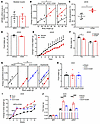 Figure 7
Impact of rCGH supplementation on metabolic parameters in ob/ob mice and OVX mice. (A) Quantification of GPHB5 expression in the skeletal muscle of mice with diet-induced obesity compared with control mice (n = 6 per group). (B–E) Energy expenditure (B), core body temperature (C), food intake (D), and body weight change (E) of ob/ob mice treated with vehicle (Veh) or 5 mg/kg rCGH (n = 4 per group). (F) Fat mass and lean mass of ob/ob mice treated with vehicle or 5 mg/kg rCGH (n = 4 per group). (G–J) Energy expenditure (G), food intake (H), body weight change (I), and fat mass (J) of OVX mice treated with vehicle or 5 mg/kg rCGH (n = 4–6 per group). All data represent mean ± SEM; significant differences were determined by unpaired 2-tailed Student’s t test (A, C, D, and F); ANCOVA with energy expenditure as a dependent variable and body weight as covariate (B and G); 1-way ANOVA with Dunnett’s multiple comparisons test (H and J); and 2-way ANOVA with Šídák’s multiple comparisons test (E and I). *P < 0.05, **P < 0.01, ***P < 0.001, ****P < 0.0001. HFD, high-fat diet.
To further broaden the therapeutic potential of rCGH, particularly against obesity, in women, we tested its effects in an ovariectomy model (OVX) to simulate the metabolic dysfunctions and obesity in postmenopausal women. As expected, the energy expenditure of OVX mice substantially decreased compared with the sham-operated mice (Figure 7G). However, intravenous delivery of rCGH substantially increased the energy expenditure of OVX mice to the level of the sham group (Figure 7G). The quantity of food intake was not affected (Figure 7H), thus excluding the impact of energy-intake changes on the metabolic phenotype. Further analysis showed that rCGH treatment effectively restrained the growth of body weight in OVX mice (Figure 7I), demonstrating that rCGH can therapeutically suppress the body weight increase in the context of estrogen deficiency. rCGH did not change the weight of BAT, but markedly decreased the weight of iWAT and eWAT (Figure 7J), confirming that rCGH can reduce the quantity of WATs and attenuate the accumulation of body fat by promoting energy expenditure in the women with diminishing estrogen levels. Taken together, these findings indicate GPHB5 exerts a direct role in enhancing energy expenditure and reducing fat mass, which is not confined to the context of GPHB5–/– or AR–/– mice models, and that recombinant GPHB5 may be developed as a fat-reducing agent without affecting food intake.


Copyright © 2026 American Society for Clinical Investigation
ISSN: 0021-9738 (print), 1558-8238 (online)