
Advertisement
Research ArticleGeneticsOtology
Open Access |  10.1172/JCI192090
Carboxypeptidase D deficiency causes hearing loss amenable to treatment
Memoona Ramzan,1 Natalie Ortiz-Vega,2,3 Mohammad Faraz Zafeer,1 Amanda G. Lobato,2,3 Tahir Atik,4 Clemer Abad,1 Nirmal Vadgama,5 Duygu Duman,6,7 Nazım Bozan,8 Enise Avcı Durmuşalioǧlu,4 Sunny Greene,2 Shengru Guo,1 Suna Tokgöz-Yılmaz,6 Merve Koç Yekedüz,9,10 Fatma Tuba Eminoğlu,7,9 Mehmet Aydın,8 Serhat Seyhan,11 Ioannis Karakikes,5 Vladimir Camarena,1 Maria Camila Robayo,1 Tijana Canic,3 Güney Bademci,12 Gaofeng Wang,1,12 Amjad Farooq,13 Mei-ling Joiner,14 Katherina Walz,1,12,15 Daniel F. Eberl,14 Jamal Nasir,16 R. Grace Zhai,2,3 and Mustafa Tekin1,12
1John P. Hussman Institute for Human Genomics and
2Department of Molecular and Cellular Pharmacology, University of Miami Miller School of Medicine, Miami, Florida, USA.
3Department of Neurology, University of Chicago, Chicago, Illinois, USA.
4Division of Pediatric Genetics, Department of Pediatrics, School of Medicine, Ege University, Izmir, Turkey.
5Department of Cardiothoracic Surgery, Stanford University, Stanford, California, USA.
6Department of Audiology, Ankara University Faculty of Health Sciences, Ankara, Turkey.
7Ankara University Rare Diseases Application and Research Center, Ankara, Turkey.
8Department of Otolaryngology, Faculty of Medicine, Yüzüncü Yıl University, Van, Turkey.
9Division of Pediatric Metabolic Diseases, Department of Pediatrics, Ankara University School of Medicine, Ankara, Turkey.
10Harvard Medical School, Boston Children’s Hospital, Department of Anesthesiology, Critical Care and Pain Medicine, Boston, Massachusetts, USA.
11Laboratory of Genetics, Memorial Şişli Hospital, Istanbul, Turkey.
12Dr. John T. Macdonald Foundation Department of Human Genetics and
13Department of Biochemistry, University of Miami Miller School of Medicine, Miami, Florida, USA.
14Department of Biology, University of Iowa, Iowa City, Iowa, USA.
15Instituto de Química Biológica de la Facultad de Ciencias Exactas y Naturales (IQUIBICEN) CONICET, Buenos Aires, Argentina.
16Division of Life Sciences, University of Northampton, Northampton, United Kingdom.
Address correspondence to: Mustafa Tekin, University of Miami, Miller School of Medicine, 1501 NW 10th Avenue, BRB-610 (M860), Miami, Florida 33136, USA. Phone: 305.243.2381; Email: mtekin@med.miami.edu. Or to: R. Grace Zhai, University of Chicago, 5812 South Ellis Avenue, MC 2030, SBRI J310, Chicago, Illinois 60637, USA. Phone: 773.702.6390; Email: rgzhai@uchicago.edu.
Authorship note: MR, NOV, MFZ, and AGL contributed equally to this work.
Find articles by Ramzan, M. in: PubMed | Google Scholar
1John P. Hussman Institute for Human Genomics and
2Department of Molecular and Cellular Pharmacology, University of Miami Miller School of Medicine, Miami, Florida, USA.
3Department of Neurology, University of Chicago, Chicago, Illinois, USA.
4Division of Pediatric Genetics, Department of Pediatrics, School of Medicine, Ege University, Izmir, Turkey.
5Department of Cardiothoracic Surgery, Stanford University, Stanford, California, USA.
6Department of Audiology, Ankara University Faculty of Health Sciences, Ankara, Turkey.
7Ankara University Rare Diseases Application and Research Center, Ankara, Turkey.
8Department of Otolaryngology, Faculty of Medicine, Yüzüncü Yıl University, Van, Turkey.
9Division of Pediatric Metabolic Diseases, Department of Pediatrics, Ankara University School of Medicine, Ankara, Turkey.
10Harvard Medical School, Boston Children’s Hospital, Department of Anesthesiology, Critical Care and Pain Medicine, Boston, Massachusetts, USA.
11Laboratory of Genetics, Memorial Şişli Hospital, Istanbul, Turkey.
12Dr. John T. Macdonald Foundation Department of Human Genetics and
13Department of Biochemistry, University of Miami Miller School of Medicine, Miami, Florida, USA.
14Department of Biology, University of Iowa, Iowa City, Iowa, USA.
15Instituto de Química Biológica de la Facultad de Ciencias Exactas y Naturales (IQUIBICEN) CONICET, Buenos Aires, Argentina.
16Division of Life Sciences, University of Northampton, Northampton, United Kingdom.
Address correspondence to: Mustafa Tekin, University of Miami, Miller School of Medicine, 1501 NW 10th Avenue, BRB-610 (M860), Miami, Florida 33136, USA. Phone: 305.243.2381; Email: mtekin@med.miami.edu. Or to: R. Grace Zhai, University of Chicago, 5812 South Ellis Avenue, MC 2030, SBRI J310, Chicago, Illinois 60637, USA. Phone: 773.702.6390; Email: rgzhai@uchicago.edu.
Authorship note: MR, NOV, MFZ, and AGL contributed equally to this work.
Find articles by Ortiz-Vega, N. in: PubMed | Google Scholar
1John P. Hussman Institute for Human Genomics and
2Department of Molecular and Cellular Pharmacology, University of Miami Miller School of Medicine, Miami, Florida, USA.
3Department of Neurology, University of Chicago, Chicago, Illinois, USA.
4Division of Pediatric Genetics, Department of Pediatrics, School of Medicine, Ege University, Izmir, Turkey.
5Department of Cardiothoracic Surgery, Stanford University, Stanford, California, USA.
6Department of Audiology, Ankara University Faculty of Health Sciences, Ankara, Turkey.
7Ankara University Rare Diseases Application and Research Center, Ankara, Turkey.
8Department of Otolaryngology, Faculty of Medicine, Yüzüncü Yıl University, Van, Turkey.
9Division of Pediatric Metabolic Diseases, Department of Pediatrics, Ankara University School of Medicine, Ankara, Turkey.
10Harvard Medical School, Boston Children’s Hospital, Department of Anesthesiology, Critical Care and Pain Medicine, Boston, Massachusetts, USA.
11Laboratory of Genetics, Memorial Şişli Hospital, Istanbul, Turkey.
12Dr. John T. Macdonald Foundation Department of Human Genetics and
13Department of Biochemistry, University of Miami Miller School of Medicine, Miami, Florida, USA.
14Department of Biology, University of Iowa, Iowa City, Iowa, USA.
15Instituto de Química Biológica de la Facultad de Ciencias Exactas y Naturales (IQUIBICEN) CONICET, Buenos Aires, Argentina.
16Division of Life Sciences, University of Northampton, Northampton, United Kingdom.
Address correspondence to: Mustafa Tekin, University of Miami, Miller School of Medicine, 1501 NW 10th Avenue, BRB-610 (M860), Miami, Florida 33136, USA. Phone: 305.243.2381; Email: mtekin@med.miami.edu. Or to: R. Grace Zhai, University of Chicago, 5812 South Ellis Avenue, MC 2030, SBRI J310, Chicago, Illinois 60637, USA. Phone: 773.702.6390; Email: rgzhai@uchicago.edu.
Authorship note: MR, NOV, MFZ, and AGL contributed equally to this work.
Find articles by Zafeer, M. in: PubMed | Google Scholar
1John P. Hussman Institute for Human Genomics and
2Department of Molecular and Cellular Pharmacology, University of Miami Miller School of Medicine, Miami, Florida, USA.
3Department of Neurology, University of Chicago, Chicago, Illinois, USA.
4Division of Pediatric Genetics, Department of Pediatrics, School of Medicine, Ege University, Izmir, Turkey.
5Department of Cardiothoracic Surgery, Stanford University, Stanford, California, USA.
6Department of Audiology, Ankara University Faculty of Health Sciences, Ankara, Turkey.
7Ankara University Rare Diseases Application and Research Center, Ankara, Turkey.
8Department of Otolaryngology, Faculty of Medicine, Yüzüncü Yıl University, Van, Turkey.
9Division of Pediatric Metabolic Diseases, Department of Pediatrics, Ankara University School of Medicine, Ankara, Turkey.
10Harvard Medical School, Boston Children’s Hospital, Department of Anesthesiology, Critical Care and Pain Medicine, Boston, Massachusetts, USA.
11Laboratory of Genetics, Memorial Şişli Hospital, Istanbul, Turkey.
12Dr. John T. Macdonald Foundation Department of Human Genetics and
13Department of Biochemistry, University of Miami Miller School of Medicine, Miami, Florida, USA.
14Department of Biology, University of Iowa, Iowa City, Iowa, USA.
15Instituto de Química Biológica de la Facultad de Ciencias Exactas y Naturales (IQUIBICEN) CONICET, Buenos Aires, Argentina.
16Division of Life Sciences, University of Northampton, Northampton, United Kingdom.
Address correspondence to: Mustafa Tekin, University of Miami, Miller School of Medicine, 1501 NW 10th Avenue, BRB-610 (M860), Miami, Florida 33136, USA. Phone: 305.243.2381; Email: mtekin@med.miami.edu. Or to: R. Grace Zhai, University of Chicago, 5812 South Ellis Avenue, MC 2030, SBRI J310, Chicago, Illinois 60637, USA. Phone: 773.702.6390; Email: rgzhai@uchicago.edu.
Authorship note: MR, NOV, MFZ, and AGL contributed equally to this work.
Find articles by Lobato, A. in: PubMed | Google Scholar
1John P. Hussman Institute for Human Genomics and
2Department of Molecular and Cellular Pharmacology, University of Miami Miller School of Medicine, Miami, Florida, USA.
3Department of Neurology, University of Chicago, Chicago, Illinois, USA.
4Division of Pediatric Genetics, Department of Pediatrics, School of Medicine, Ege University, Izmir, Turkey.
5Department of Cardiothoracic Surgery, Stanford University, Stanford, California, USA.
6Department of Audiology, Ankara University Faculty of Health Sciences, Ankara, Turkey.
7Ankara University Rare Diseases Application and Research Center, Ankara, Turkey.
8Department of Otolaryngology, Faculty of Medicine, Yüzüncü Yıl University, Van, Turkey.
9Division of Pediatric Metabolic Diseases, Department of Pediatrics, Ankara University School of Medicine, Ankara, Turkey.
10Harvard Medical School, Boston Children’s Hospital, Department of Anesthesiology, Critical Care and Pain Medicine, Boston, Massachusetts, USA.
11Laboratory of Genetics, Memorial Şişli Hospital, Istanbul, Turkey.
12Dr. John T. Macdonald Foundation Department of Human Genetics and
13Department of Biochemistry, University of Miami Miller School of Medicine, Miami, Florida, USA.
14Department of Biology, University of Iowa, Iowa City, Iowa, USA.
15Instituto de Química Biológica de la Facultad de Ciencias Exactas y Naturales (IQUIBICEN) CONICET, Buenos Aires, Argentina.
16Division of Life Sciences, University of Northampton, Northampton, United Kingdom.
Address correspondence to: Mustafa Tekin, University of Miami, Miller School of Medicine, 1501 NW 10th Avenue, BRB-610 (M860), Miami, Florida 33136, USA. Phone: 305.243.2381; Email: mtekin@med.miami.edu. Or to: R. Grace Zhai, University of Chicago, 5812 South Ellis Avenue, MC 2030, SBRI J310, Chicago, Illinois 60637, USA. Phone: 773.702.6390; Email: rgzhai@uchicago.edu.
Authorship note: MR, NOV, MFZ, and AGL contributed equally to this work.
Find articles by Atik, T. in: PubMed | Google Scholar
1John P. Hussman Institute for Human Genomics and
2Department of Molecular and Cellular Pharmacology, University of Miami Miller School of Medicine, Miami, Florida, USA.
3Department of Neurology, University of Chicago, Chicago, Illinois, USA.
4Division of Pediatric Genetics, Department of Pediatrics, School of Medicine, Ege University, Izmir, Turkey.
5Department of Cardiothoracic Surgery, Stanford University, Stanford, California, USA.
6Department of Audiology, Ankara University Faculty of Health Sciences, Ankara, Turkey.
7Ankara University Rare Diseases Application and Research Center, Ankara, Turkey.
8Department of Otolaryngology, Faculty of Medicine, Yüzüncü Yıl University, Van, Turkey.
9Division of Pediatric Metabolic Diseases, Department of Pediatrics, Ankara University School of Medicine, Ankara, Turkey.
10Harvard Medical School, Boston Children’s Hospital, Department of Anesthesiology, Critical Care and Pain Medicine, Boston, Massachusetts, USA.
11Laboratory of Genetics, Memorial Şişli Hospital, Istanbul, Turkey.
12Dr. John T. Macdonald Foundation Department of Human Genetics and
13Department of Biochemistry, University of Miami Miller School of Medicine, Miami, Florida, USA.
14Department of Biology, University of Iowa, Iowa City, Iowa, USA.
15Instituto de Química Biológica de la Facultad de Ciencias Exactas y Naturales (IQUIBICEN) CONICET, Buenos Aires, Argentina.
16Division of Life Sciences, University of Northampton, Northampton, United Kingdom.
Address correspondence to: Mustafa Tekin, University of Miami, Miller School of Medicine, 1501 NW 10th Avenue, BRB-610 (M860), Miami, Florida 33136, USA. Phone: 305.243.2381; Email: mtekin@med.miami.edu. Or to: R. Grace Zhai, University of Chicago, 5812 South Ellis Avenue, MC 2030, SBRI J310, Chicago, Illinois 60637, USA. Phone: 773.702.6390; Email: rgzhai@uchicago.edu.
Authorship note: MR, NOV, MFZ, and AGL contributed equally to this work.
Find articles by Abad, C. in: PubMed | Google Scholar
1John P. Hussman Institute for Human Genomics and
2Department of Molecular and Cellular Pharmacology, University of Miami Miller School of Medicine, Miami, Florida, USA.
3Department of Neurology, University of Chicago, Chicago, Illinois, USA.
4Division of Pediatric Genetics, Department of Pediatrics, School of Medicine, Ege University, Izmir, Turkey.
5Department of Cardiothoracic Surgery, Stanford University, Stanford, California, USA.
6Department of Audiology, Ankara University Faculty of Health Sciences, Ankara, Turkey.
7Ankara University Rare Diseases Application and Research Center, Ankara, Turkey.
8Department of Otolaryngology, Faculty of Medicine, Yüzüncü Yıl University, Van, Turkey.
9Division of Pediatric Metabolic Diseases, Department of Pediatrics, Ankara University School of Medicine, Ankara, Turkey.
10Harvard Medical School, Boston Children’s Hospital, Department of Anesthesiology, Critical Care and Pain Medicine, Boston, Massachusetts, USA.
11Laboratory of Genetics, Memorial Şişli Hospital, Istanbul, Turkey.
12Dr. John T. Macdonald Foundation Department of Human Genetics and
13Department of Biochemistry, University of Miami Miller School of Medicine, Miami, Florida, USA.
14Department of Biology, University of Iowa, Iowa City, Iowa, USA.
15Instituto de Química Biológica de la Facultad de Ciencias Exactas y Naturales (IQUIBICEN) CONICET, Buenos Aires, Argentina.
16Division of Life Sciences, University of Northampton, Northampton, United Kingdom.
Address correspondence to: Mustafa Tekin, University of Miami, Miller School of Medicine, 1501 NW 10th Avenue, BRB-610 (M860), Miami, Florida 33136, USA. Phone: 305.243.2381; Email: mtekin@med.miami.edu. Or to: R. Grace Zhai, University of Chicago, 5812 South Ellis Avenue, MC 2030, SBRI J310, Chicago, Illinois 60637, USA. Phone: 773.702.6390; Email: rgzhai@uchicago.edu.
Authorship note: MR, NOV, MFZ, and AGL contributed equally to this work.
Find articles by
Vadgama, N.
in:
PubMed
|
Google Scholar
|

1John P. Hussman Institute for Human Genomics and
2Department of Molecular and Cellular Pharmacology, University of Miami Miller School of Medicine, Miami, Florida, USA.
3Department of Neurology, University of Chicago, Chicago, Illinois, USA.
4Division of Pediatric Genetics, Department of Pediatrics, School of Medicine, Ege University, Izmir, Turkey.
5Department of Cardiothoracic Surgery, Stanford University, Stanford, California, USA.
6Department of Audiology, Ankara University Faculty of Health Sciences, Ankara, Turkey.
7Ankara University Rare Diseases Application and Research Center, Ankara, Turkey.
8Department of Otolaryngology, Faculty of Medicine, Yüzüncü Yıl University, Van, Turkey.
9Division of Pediatric Metabolic Diseases, Department of Pediatrics, Ankara University School of Medicine, Ankara, Turkey.
10Harvard Medical School, Boston Children’s Hospital, Department of Anesthesiology, Critical Care and Pain Medicine, Boston, Massachusetts, USA.
11Laboratory of Genetics, Memorial Şişli Hospital, Istanbul, Turkey.
12Dr. John T. Macdonald Foundation Department of Human Genetics and
13Department of Biochemistry, University of Miami Miller School of Medicine, Miami, Florida, USA.
14Department of Biology, University of Iowa, Iowa City, Iowa, USA.
15Instituto de Química Biológica de la Facultad de Ciencias Exactas y Naturales (IQUIBICEN) CONICET, Buenos Aires, Argentina.
16Division of Life Sciences, University of Northampton, Northampton, United Kingdom.
Address correspondence to: Mustafa Tekin, University of Miami, Miller School of Medicine, 1501 NW 10th Avenue, BRB-610 (M860), Miami, Florida 33136, USA. Phone: 305.243.2381; Email: mtekin@med.miami.edu. Or to: R. Grace Zhai, University of Chicago, 5812 South Ellis Avenue, MC 2030, SBRI J310, Chicago, Illinois 60637, USA. Phone: 773.702.6390; Email: rgzhai@uchicago.edu.
Authorship note: MR, NOV, MFZ, and AGL contributed equally to this work.
Find articles by
Duman, D.
in:
PubMed
|
Google Scholar
|
1John P. Hussman Institute for Human Genomics and
2Department of Molecular and Cellular Pharmacology, University of Miami Miller School of Medicine, Miami, Florida, USA.
3Department of Neurology, University of Chicago, Chicago, Illinois, USA.
4Division of Pediatric Genetics, Department of Pediatrics, School of Medicine, Ege University, Izmir, Turkey.
5Department of Cardiothoracic Surgery, Stanford University, Stanford, California, USA.
6Department of Audiology, Ankara University Faculty of Health Sciences, Ankara, Turkey.
7Ankara University Rare Diseases Application and Research Center, Ankara, Turkey.
8Department of Otolaryngology, Faculty of Medicine, Yüzüncü Yıl University, Van, Turkey.
9Division of Pediatric Metabolic Diseases, Department of Pediatrics, Ankara University School of Medicine, Ankara, Turkey.
10Harvard Medical School, Boston Children’s Hospital, Department of Anesthesiology, Critical Care and Pain Medicine, Boston, Massachusetts, USA.
11Laboratory of Genetics, Memorial Şişli Hospital, Istanbul, Turkey.
12Dr. John T. Macdonald Foundation Department of Human Genetics and
13Department of Biochemistry, University of Miami Miller School of Medicine, Miami, Florida, USA.
14Department of Biology, University of Iowa, Iowa City, Iowa, USA.
15Instituto de Química Biológica de la Facultad de Ciencias Exactas y Naturales (IQUIBICEN) CONICET, Buenos Aires, Argentina.
16Division of Life Sciences, University of Northampton, Northampton, United Kingdom.
Address correspondence to: Mustafa Tekin, University of Miami, Miller School of Medicine, 1501 NW 10th Avenue, BRB-610 (M860), Miami, Florida 33136, USA. Phone: 305.243.2381; Email: mtekin@med.miami.edu. Or to: R. Grace Zhai, University of Chicago, 5812 South Ellis Avenue, MC 2030, SBRI J310, Chicago, Illinois 60637, USA. Phone: 773.702.6390; Email: rgzhai@uchicago.edu.
Authorship note: MR, NOV, MFZ, and AGL contributed equally to this work.
Find articles by Bozan, N. in: PubMed | Google Scholar
1John P. Hussman Institute for Human Genomics and
2Department of Molecular and Cellular Pharmacology, University of Miami Miller School of Medicine, Miami, Florida, USA.
3Department of Neurology, University of Chicago, Chicago, Illinois, USA.
4Division of Pediatric Genetics, Department of Pediatrics, School of Medicine, Ege University, Izmir, Turkey.
5Department of Cardiothoracic Surgery, Stanford University, Stanford, California, USA.
6Department of Audiology, Ankara University Faculty of Health Sciences, Ankara, Turkey.
7Ankara University Rare Diseases Application and Research Center, Ankara, Turkey.
8Department of Otolaryngology, Faculty of Medicine, Yüzüncü Yıl University, Van, Turkey.
9Division of Pediatric Metabolic Diseases, Department of Pediatrics, Ankara University School of Medicine, Ankara, Turkey.
10Harvard Medical School, Boston Children’s Hospital, Department of Anesthesiology, Critical Care and Pain Medicine, Boston, Massachusetts, USA.
11Laboratory of Genetics, Memorial Şişli Hospital, Istanbul, Turkey.
12Dr. John T. Macdonald Foundation Department of Human Genetics and
13Department of Biochemistry, University of Miami Miller School of Medicine, Miami, Florida, USA.
14Department of Biology, University of Iowa, Iowa City, Iowa, USA.
15Instituto de Química Biológica de la Facultad de Ciencias Exactas y Naturales (IQUIBICEN) CONICET, Buenos Aires, Argentina.
16Division of Life Sciences, University of Northampton, Northampton, United Kingdom.
Address correspondence to: Mustafa Tekin, University of Miami, Miller School of Medicine, 1501 NW 10th Avenue, BRB-610 (M860), Miami, Florida 33136, USA. Phone: 305.243.2381; Email: mtekin@med.miami.edu. Or to: R. Grace Zhai, University of Chicago, 5812 South Ellis Avenue, MC 2030, SBRI J310, Chicago, Illinois 60637, USA. Phone: 773.702.6390; Email: rgzhai@uchicago.edu.
Authorship note: MR, NOV, MFZ, and AGL contributed equally to this work.
Find articles by Avcı Durmuşalioǧlu, E. in: PubMed | Google Scholar
1John P. Hussman Institute for Human Genomics and
2Department of Molecular and Cellular Pharmacology, University of Miami Miller School of Medicine, Miami, Florida, USA.
3Department of Neurology, University of Chicago, Chicago, Illinois, USA.
4Division of Pediatric Genetics, Department of Pediatrics, School of Medicine, Ege University, Izmir, Turkey.
5Department of Cardiothoracic Surgery, Stanford University, Stanford, California, USA.
6Department of Audiology, Ankara University Faculty of Health Sciences, Ankara, Turkey.
7Ankara University Rare Diseases Application and Research Center, Ankara, Turkey.
8Department of Otolaryngology, Faculty of Medicine, Yüzüncü Yıl University, Van, Turkey.
9Division of Pediatric Metabolic Diseases, Department of Pediatrics, Ankara University School of Medicine, Ankara, Turkey.
10Harvard Medical School, Boston Children’s Hospital, Department of Anesthesiology, Critical Care and Pain Medicine, Boston, Massachusetts, USA.
11Laboratory of Genetics, Memorial Şişli Hospital, Istanbul, Turkey.
12Dr. John T. Macdonald Foundation Department of Human Genetics and
13Department of Biochemistry, University of Miami Miller School of Medicine, Miami, Florida, USA.
14Department of Biology, University of Iowa, Iowa City, Iowa, USA.
15Instituto de Química Biológica de la Facultad de Ciencias Exactas y Naturales (IQUIBICEN) CONICET, Buenos Aires, Argentina.
16Division of Life Sciences, University of Northampton, Northampton, United Kingdom.
Address correspondence to: Mustafa Tekin, University of Miami, Miller School of Medicine, 1501 NW 10th Avenue, BRB-610 (M860), Miami, Florida 33136, USA. Phone: 305.243.2381; Email: mtekin@med.miami.edu. Or to: R. Grace Zhai, University of Chicago, 5812 South Ellis Avenue, MC 2030, SBRI J310, Chicago, Illinois 60637, USA. Phone: 773.702.6390; Email: rgzhai@uchicago.edu.
Authorship note: MR, NOV, MFZ, and AGL contributed equally to this work.
Find articles by Greene, S. in: PubMed | Google Scholar
1John P. Hussman Institute for Human Genomics and
2Department of Molecular and Cellular Pharmacology, University of Miami Miller School of Medicine, Miami, Florida, USA.
3Department of Neurology, University of Chicago, Chicago, Illinois, USA.
4Division of Pediatric Genetics, Department of Pediatrics, School of Medicine, Ege University, Izmir, Turkey.
5Department of Cardiothoracic Surgery, Stanford University, Stanford, California, USA.
6Department of Audiology, Ankara University Faculty of Health Sciences, Ankara, Turkey.
7Ankara University Rare Diseases Application and Research Center, Ankara, Turkey.
8Department of Otolaryngology, Faculty of Medicine, Yüzüncü Yıl University, Van, Turkey.
9Division of Pediatric Metabolic Diseases, Department of Pediatrics, Ankara University School of Medicine, Ankara, Turkey.
10Harvard Medical School, Boston Children’s Hospital, Department of Anesthesiology, Critical Care and Pain Medicine, Boston, Massachusetts, USA.
11Laboratory of Genetics, Memorial Şişli Hospital, Istanbul, Turkey.
12Dr. John T. Macdonald Foundation Department of Human Genetics and
13Department of Biochemistry, University of Miami Miller School of Medicine, Miami, Florida, USA.
14Department of Biology, University of Iowa, Iowa City, Iowa, USA.
15Instituto de Química Biológica de la Facultad de Ciencias Exactas y Naturales (IQUIBICEN) CONICET, Buenos Aires, Argentina.
16Division of Life Sciences, University of Northampton, Northampton, United Kingdom.
Address correspondence to: Mustafa Tekin, University of Miami, Miller School of Medicine, 1501 NW 10th Avenue, BRB-610 (M860), Miami, Florida 33136, USA. Phone: 305.243.2381; Email: mtekin@med.miami.edu. Or to: R. Grace Zhai, University of Chicago, 5812 South Ellis Avenue, MC 2030, SBRI J310, Chicago, Illinois 60637, USA. Phone: 773.702.6390; Email: rgzhai@uchicago.edu.
Authorship note: MR, NOV, MFZ, and AGL contributed equally to this work.
Find articles by
Guo, S.
in:
PubMed
|
Google Scholar
|
1John P. Hussman Institute for Human Genomics and
2Department of Molecular and Cellular Pharmacology, University of Miami Miller School of Medicine, Miami, Florida, USA.
3Department of Neurology, University of Chicago, Chicago, Illinois, USA.
4Division of Pediatric Genetics, Department of Pediatrics, School of Medicine, Ege University, Izmir, Turkey.
5Department of Cardiothoracic Surgery, Stanford University, Stanford, California, USA.
6Department of Audiology, Ankara University Faculty of Health Sciences, Ankara, Turkey.
7Ankara University Rare Diseases Application and Research Center, Ankara, Turkey.
8Department of Otolaryngology, Faculty of Medicine, Yüzüncü Yıl University, Van, Turkey.
9Division of Pediatric Metabolic Diseases, Department of Pediatrics, Ankara University School of Medicine, Ankara, Turkey.
10Harvard Medical School, Boston Children’s Hospital, Department of Anesthesiology, Critical Care and Pain Medicine, Boston, Massachusetts, USA.
11Laboratory of Genetics, Memorial Şişli Hospital, Istanbul, Turkey.
12Dr. John T. Macdonald Foundation Department of Human Genetics and
13Department of Biochemistry, University of Miami Miller School of Medicine, Miami, Florida, USA.
14Department of Biology, University of Iowa, Iowa City, Iowa, USA.
15Instituto de Química Biológica de la Facultad de Ciencias Exactas y Naturales (IQUIBICEN) CONICET, Buenos Aires, Argentina.
16Division of Life Sciences, University of Northampton, Northampton, United Kingdom.
Address correspondence to: Mustafa Tekin, University of Miami, Miller School of Medicine, 1501 NW 10th Avenue, BRB-610 (M860), Miami, Florida 33136, USA. Phone: 305.243.2381; Email: mtekin@med.miami.edu. Or to: R. Grace Zhai, University of Chicago, 5812 South Ellis Avenue, MC 2030, SBRI J310, Chicago, Illinois 60637, USA. Phone: 773.702.6390; Email: rgzhai@uchicago.edu.
Authorship note: MR, NOV, MFZ, and AGL contributed equally to this work.
Find articles by Tokgöz-Yılmaz, S. in: PubMed | Google Scholar
1John P. Hussman Institute for Human Genomics and
2Department of Molecular and Cellular Pharmacology, University of Miami Miller School of Medicine, Miami, Florida, USA.
3Department of Neurology, University of Chicago, Chicago, Illinois, USA.
4Division of Pediatric Genetics, Department of Pediatrics, School of Medicine, Ege University, Izmir, Turkey.
5Department of Cardiothoracic Surgery, Stanford University, Stanford, California, USA.
6Department of Audiology, Ankara University Faculty of Health Sciences, Ankara, Turkey.
7Ankara University Rare Diseases Application and Research Center, Ankara, Turkey.
8Department of Otolaryngology, Faculty of Medicine, Yüzüncü Yıl University, Van, Turkey.
9Division of Pediatric Metabolic Diseases, Department of Pediatrics, Ankara University School of Medicine, Ankara, Turkey.
10Harvard Medical School, Boston Children’s Hospital, Department of Anesthesiology, Critical Care and Pain Medicine, Boston, Massachusetts, USA.
11Laboratory of Genetics, Memorial Şişli Hospital, Istanbul, Turkey.
12Dr. John T. Macdonald Foundation Department of Human Genetics and
13Department of Biochemistry, University of Miami Miller School of Medicine, Miami, Florida, USA.
14Department of Biology, University of Iowa, Iowa City, Iowa, USA.
15Instituto de Química Biológica de la Facultad de Ciencias Exactas y Naturales (IQUIBICEN) CONICET, Buenos Aires, Argentina.
16Division of Life Sciences, University of Northampton, Northampton, United Kingdom.
Address correspondence to: Mustafa Tekin, University of Miami, Miller School of Medicine, 1501 NW 10th Avenue, BRB-610 (M860), Miami, Florida 33136, USA. Phone: 305.243.2381; Email: mtekin@med.miami.edu. Or to: R. Grace Zhai, University of Chicago, 5812 South Ellis Avenue, MC 2030, SBRI J310, Chicago, Illinois 60637, USA. Phone: 773.702.6390; Email: rgzhai@uchicago.edu.
Authorship note: MR, NOV, MFZ, and AGL contributed equally to this work.
Find articles by Yekedüz, M. in: PubMed | Google Scholar
1John P. Hussman Institute for Human Genomics and
2Department of Molecular and Cellular Pharmacology, University of Miami Miller School of Medicine, Miami, Florida, USA.
3Department of Neurology, University of Chicago, Chicago, Illinois, USA.
4Division of Pediatric Genetics, Department of Pediatrics, School of Medicine, Ege University, Izmir, Turkey.
5Department of Cardiothoracic Surgery, Stanford University, Stanford, California, USA.
6Department of Audiology, Ankara University Faculty of Health Sciences, Ankara, Turkey.
7Ankara University Rare Diseases Application and Research Center, Ankara, Turkey.
8Department of Otolaryngology, Faculty of Medicine, Yüzüncü Yıl University, Van, Turkey.
9Division of Pediatric Metabolic Diseases, Department of Pediatrics, Ankara University School of Medicine, Ankara, Turkey.
10Harvard Medical School, Boston Children’s Hospital, Department of Anesthesiology, Critical Care and Pain Medicine, Boston, Massachusetts, USA.
11Laboratory of Genetics, Memorial Şişli Hospital, Istanbul, Turkey.
12Dr. John T. Macdonald Foundation Department of Human Genetics and
13Department of Biochemistry, University of Miami Miller School of Medicine, Miami, Florida, USA.
14Department of Biology, University of Iowa, Iowa City, Iowa, USA.
15Instituto de Química Biológica de la Facultad de Ciencias Exactas y Naturales (IQUIBICEN) CONICET, Buenos Aires, Argentina.
16Division of Life Sciences, University of Northampton, Northampton, United Kingdom.
Address correspondence to: Mustafa Tekin, University of Miami, Miller School of Medicine, 1501 NW 10th Avenue, BRB-610 (M860), Miami, Florida 33136, USA. Phone: 305.243.2381; Email: mtekin@med.miami.edu. Or to: R. Grace Zhai, University of Chicago, 5812 South Ellis Avenue, MC 2030, SBRI J310, Chicago, Illinois 60637, USA. Phone: 773.702.6390; Email: rgzhai@uchicago.edu.
Authorship note: MR, NOV, MFZ, and AGL contributed equally to this work.
Find articles by Eminoğlu, F. in: PubMed | Google Scholar
1John P. Hussman Institute for Human Genomics and
2Department of Molecular and Cellular Pharmacology, University of Miami Miller School of Medicine, Miami, Florida, USA.
3Department of Neurology, University of Chicago, Chicago, Illinois, USA.
4Division of Pediatric Genetics, Department of Pediatrics, School of Medicine, Ege University, Izmir, Turkey.
5Department of Cardiothoracic Surgery, Stanford University, Stanford, California, USA.
6Department of Audiology, Ankara University Faculty of Health Sciences, Ankara, Turkey.
7Ankara University Rare Diseases Application and Research Center, Ankara, Turkey.
8Department of Otolaryngology, Faculty of Medicine, Yüzüncü Yıl University, Van, Turkey.
9Division of Pediatric Metabolic Diseases, Department of Pediatrics, Ankara University School of Medicine, Ankara, Turkey.
10Harvard Medical School, Boston Children’s Hospital, Department of Anesthesiology, Critical Care and Pain Medicine, Boston, Massachusetts, USA.
11Laboratory of Genetics, Memorial Şişli Hospital, Istanbul, Turkey.
12Dr. John T. Macdonald Foundation Department of Human Genetics and
13Department of Biochemistry, University of Miami Miller School of Medicine, Miami, Florida, USA.
14Department of Biology, University of Iowa, Iowa City, Iowa, USA.
15Instituto de Química Biológica de la Facultad de Ciencias Exactas y Naturales (IQUIBICEN) CONICET, Buenos Aires, Argentina.
16Division of Life Sciences, University of Northampton, Northampton, United Kingdom.
Address correspondence to: Mustafa Tekin, University of Miami, Miller School of Medicine, 1501 NW 10th Avenue, BRB-610 (M860), Miami, Florida 33136, USA. Phone: 305.243.2381; Email: mtekin@med.miami.edu. Or to: R. Grace Zhai, University of Chicago, 5812 South Ellis Avenue, MC 2030, SBRI J310, Chicago, Illinois 60637, USA. Phone: 773.702.6390; Email: rgzhai@uchicago.edu.
Authorship note: MR, NOV, MFZ, and AGL contributed equally to this work.
Find articles by Aydın, M. in: PubMed | Google Scholar
1John P. Hussman Institute for Human Genomics and
2Department of Molecular and Cellular Pharmacology, University of Miami Miller School of Medicine, Miami, Florida, USA.
3Department of Neurology, University of Chicago, Chicago, Illinois, USA.
4Division of Pediatric Genetics, Department of Pediatrics, School of Medicine, Ege University, Izmir, Turkey.
5Department of Cardiothoracic Surgery, Stanford University, Stanford, California, USA.
6Department of Audiology, Ankara University Faculty of Health Sciences, Ankara, Turkey.
7Ankara University Rare Diseases Application and Research Center, Ankara, Turkey.
8Department of Otolaryngology, Faculty of Medicine, Yüzüncü Yıl University, Van, Turkey.
9Division of Pediatric Metabolic Diseases, Department of Pediatrics, Ankara University School of Medicine, Ankara, Turkey.
10Harvard Medical School, Boston Children’s Hospital, Department of Anesthesiology, Critical Care and Pain Medicine, Boston, Massachusetts, USA.
11Laboratory of Genetics, Memorial Şişli Hospital, Istanbul, Turkey.
12Dr. John T. Macdonald Foundation Department of Human Genetics and
13Department of Biochemistry, University of Miami Miller School of Medicine, Miami, Florida, USA.
14Department of Biology, University of Iowa, Iowa City, Iowa, USA.
15Instituto de Química Biológica de la Facultad de Ciencias Exactas y Naturales (IQUIBICEN) CONICET, Buenos Aires, Argentina.
16Division of Life Sciences, University of Northampton, Northampton, United Kingdom.
Address correspondence to: Mustafa Tekin, University of Miami, Miller School of Medicine, 1501 NW 10th Avenue, BRB-610 (M860), Miami, Florida 33136, USA. Phone: 305.243.2381; Email: mtekin@med.miami.edu. Or to: R. Grace Zhai, University of Chicago, 5812 South Ellis Avenue, MC 2030, SBRI J310, Chicago, Illinois 60637, USA. Phone: 773.702.6390; Email: rgzhai@uchicago.edu.
Authorship note: MR, NOV, MFZ, and AGL contributed equally to this work.
Find articles by Seyhan, S. in: PubMed | Google Scholar
1John P. Hussman Institute for Human Genomics and
2Department of Molecular and Cellular Pharmacology, University of Miami Miller School of Medicine, Miami, Florida, USA.
3Department of Neurology, University of Chicago, Chicago, Illinois, USA.
4Division of Pediatric Genetics, Department of Pediatrics, School of Medicine, Ege University, Izmir, Turkey.
5Department of Cardiothoracic Surgery, Stanford University, Stanford, California, USA.
6Department of Audiology, Ankara University Faculty of Health Sciences, Ankara, Turkey.
7Ankara University Rare Diseases Application and Research Center, Ankara, Turkey.
8Department of Otolaryngology, Faculty of Medicine, Yüzüncü Yıl University, Van, Turkey.
9Division of Pediatric Metabolic Diseases, Department of Pediatrics, Ankara University School of Medicine, Ankara, Turkey.
10Harvard Medical School, Boston Children’s Hospital, Department of Anesthesiology, Critical Care and Pain Medicine, Boston, Massachusetts, USA.
11Laboratory of Genetics, Memorial Şişli Hospital, Istanbul, Turkey.
12Dr. John T. Macdonald Foundation Department of Human Genetics and
13Department of Biochemistry, University of Miami Miller School of Medicine, Miami, Florida, USA.
14Department of Biology, University of Iowa, Iowa City, Iowa, USA.
15Instituto de Química Biológica de la Facultad de Ciencias Exactas y Naturales (IQUIBICEN) CONICET, Buenos Aires, Argentina.
16Division of Life Sciences, University of Northampton, Northampton, United Kingdom.
Address correspondence to: Mustafa Tekin, University of Miami, Miller School of Medicine, 1501 NW 10th Avenue, BRB-610 (M860), Miami, Florida 33136, USA. Phone: 305.243.2381; Email: mtekin@med.miami.edu. Or to: R. Grace Zhai, University of Chicago, 5812 South Ellis Avenue, MC 2030, SBRI J310, Chicago, Illinois 60637, USA. Phone: 773.702.6390; Email: rgzhai@uchicago.edu.
Authorship note: MR, NOV, MFZ, and AGL contributed equally to this work.
Find articles by
Karakikes, I.
in:
PubMed
|
Google Scholar
|
1John P. Hussman Institute for Human Genomics and
2Department of Molecular and Cellular Pharmacology, University of Miami Miller School of Medicine, Miami, Florida, USA.
3Department of Neurology, University of Chicago, Chicago, Illinois, USA.
4Division of Pediatric Genetics, Department of Pediatrics, School of Medicine, Ege University, Izmir, Turkey.
5Department of Cardiothoracic Surgery, Stanford University, Stanford, California, USA.
6Department of Audiology, Ankara University Faculty of Health Sciences, Ankara, Turkey.
7Ankara University Rare Diseases Application and Research Center, Ankara, Turkey.
8Department of Otolaryngology, Faculty of Medicine, Yüzüncü Yıl University, Van, Turkey.
9Division of Pediatric Metabolic Diseases, Department of Pediatrics, Ankara University School of Medicine, Ankara, Turkey.
10Harvard Medical School, Boston Children’s Hospital, Department of Anesthesiology, Critical Care and Pain Medicine, Boston, Massachusetts, USA.
11Laboratory of Genetics, Memorial Şişli Hospital, Istanbul, Turkey.
12Dr. John T. Macdonald Foundation Department of Human Genetics and
13Department of Biochemistry, University of Miami Miller School of Medicine, Miami, Florida, USA.
14Department of Biology, University of Iowa, Iowa City, Iowa, USA.
15Instituto de Química Biológica de la Facultad de Ciencias Exactas y Naturales (IQUIBICEN) CONICET, Buenos Aires, Argentina.
16Division of Life Sciences, University of Northampton, Northampton, United Kingdom.
Address correspondence to: Mustafa Tekin, University of Miami, Miller School of Medicine, 1501 NW 10th Avenue, BRB-610 (M860), Miami, Florida 33136, USA. Phone: 305.243.2381; Email: mtekin@med.miami.edu. Or to: R. Grace Zhai, University of Chicago, 5812 South Ellis Avenue, MC 2030, SBRI J310, Chicago, Illinois 60637, USA. Phone: 773.702.6390; Email: rgzhai@uchicago.edu.
Authorship note: MR, NOV, MFZ, and AGL contributed equally to this work.
Find articles by
Camarena, V.
in:
PubMed
|
Google Scholar
|
1John P. Hussman Institute for Human Genomics and
2Department of Molecular and Cellular Pharmacology, University of Miami Miller School of Medicine, Miami, Florida, USA.
3Department of Neurology, University of Chicago, Chicago, Illinois, USA.
4Division of Pediatric Genetics, Department of Pediatrics, School of Medicine, Ege University, Izmir, Turkey.
5Department of Cardiothoracic Surgery, Stanford University, Stanford, California, USA.
6Department of Audiology, Ankara University Faculty of Health Sciences, Ankara, Turkey.
7Ankara University Rare Diseases Application and Research Center, Ankara, Turkey.
8Department of Otolaryngology, Faculty of Medicine, Yüzüncü Yıl University, Van, Turkey.
9Division of Pediatric Metabolic Diseases, Department of Pediatrics, Ankara University School of Medicine, Ankara, Turkey.
10Harvard Medical School, Boston Children’s Hospital, Department of Anesthesiology, Critical Care and Pain Medicine, Boston, Massachusetts, USA.
11Laboratory of Genetics, Memorial Şişli Hospital, Istanbul, Turkey.
12Dr. John T. Macdonald Foundation Department of Human Genetics and
13Department of Biochemistry, University of Miami Miller School of Medicine, Miami, Florida, USA.
14Department of Biology, University of Iowa, Iowa City, Iowa, USA.
15Instituto de Química Biológica de la Facultad de Ciencias Exactas y Naturales (IQUIBICEN) CONICET, Buenos Aires, Argentina.
16Division of Life Sciences, University of Northampton, Northampton, United Kingdom.
Address correspondence to: Mustafa Tekin, University of Miami, Miller School of Medicine, 1501 NW 10th Avenue, BRB-610 (M860), Miami, Florida 33136, USA. Phone: 305.243.2381; Email: mtekin@med.miami.edu. Or to: R. Grace Zhai, University of Chicago, 5812 South Ellis Avenue, MC 2030, SBRI J310, Chicago, Illinois 60637, USA. Phone: 773.702.6390; Email: rgzhai@uchicago.edu.
Authorship note: MR, NOV, MFZ, and AGL contributed equally to this work.
Find articles by Robayo, M. in: PubMed | Google Scholar
1John P. Hussman Institute for Human Genomics and
2Department of Molecular and Cellular Pharmacology, University of Miami Miller School of Medicine, Miami, Florida, USA.
3Department of Neurology, University of Chicago, Chicago, Illinois, USA.
4Division of Pediatric Genetics, Department of Pediatrics, School of Medicine, Ege University, Izmir, Turkey.
5Department of Cardiothoracic Surgery, Stanford University, Stanford, California, USA.
6Department of Audiology, Ankara University Faculty of Health Sciences, Ankara, Turkey.
7Ankara University Rare Diseases Application and Research Center, Ankara, Turkey.
8Department of Otolaryngology, Faculty of Medicine, Yüzüncü Yıl University, Van, Turkey.
9Division of Pediatric Metabolic Diseases, Department of Pediatrics, Ankara University School of Medicine, Ankara, Turkey.
10Harvard Medical School, Boston Children’s Hospital, Department of Anesthesiology, Critical Care and Pain Medicine, Boston, Massachusetts, USA.
11Laboratory of Genetics, Memorial Şişli Hospital, Istanbul, Turkey.
12Dr. John T. Macdonald Foundation Department of Human Genetics and
13Department of Biochemistry, University of Miami Miller School of Medicine, Miami, Florida, USA.
14Department of Biology, University of Iowa, Iowa City, Iowa, USA.
15Instituto de Química Biológica de la Facultad de Ciencias Exactas y Naturales (IQUIBICEN) CONICET, Buenos Aires, Argentina.
16Division of Life Sciences, University of Northampton, Northampton, United Kingdom.
Address correspondence to: Mustafa Tekin, University of Miami, Miller School of Medicine, 1501 NW 10th Avenue, BRB-610 (M860), Miami, Florida 33136, USA. Phone: 305.243.2381; Email: mtekin@med.miami.edu. Or to: R. Grace Zhai, University of Chicago, 5812 South Ellis Avenue, MC 2030, SBRI J310, Chicago, Illinois 60637, USA. Phone: 773.702.6390; Email: rgzhai@uchicago.edu.
Authorship note: MR, NOV, MFZ, and AGL contributed equally to this work.
Find articles by Canic, T. in: PubMed | Google Scholar
1John P. Hussman Institute for Human Genomics and
2Department of Molecular and Cellular Pharmacology, University of Miami Miller School of Medicine, Miami, Florida, USA.
3Department of Neurology, University of Chicago, Chicago, Illinois, USA.
4Division of Pediatric Genetics, Department of Pediatrics, School of Medicine, Ege University, Izmir, Turkey.
5Department of Cardiothoracic Surgery, Stanford University, Stanford, California, USA.
6Department of Audiology, Ankara University Faculty of Health Sciences, Ankara, Turkey.
7Ankara University Rare Diseases Application and Research Center, Ankara, Turkey.
8Department of Otolaryngology, Faculty of Medicine, Yüzüncü Yıl University, Van, Turkey.
9Division of Pediatric Metabolic Diseases, Department of Pediatrics, Ankara University School of Medicine, Ankara, Turkey.
10Harvard Medical School, Boston Children’s Hospital, Department of Anesthesiology, Critical Care and Pain Medicine, Boston, Massachusetts, USA.
11Laboratory of Genetics, Memorial Şişli Hospital, Istanbul, Turkey.
12Dr. John T. Macdonald Foundation Department of Human Genetics and
13Department of Biochemistry, University of Miami Miller School of Medicine, Miami, Florida, USA.
14Department of Biology, University of Iowa, Iowa City, Iowa, USA.
15Instituto de Química Biológica de la Facultad de Ciencias Exactas y Naturales (IQUIBICEN) CONICET, Buenos Aires, Argentina.
16Division of Life Sciences, University of Northampton, Northampton, United Kingdom.
Address correspondence to: Mustafa Tekin, University of Miami, Miller School of Medicine, 1501 NW 10th Avenue, BRB-610 (M860), Miami, Florida 33136, USA. Phone: 305.243.2381; Email: mtekin@med.miami.edu. Or to: R. Grace Zhai, University of Chicago, 5812 South Ellis Avenue, MC 2030, SBRI J310, Chicago, Illinois 60637, USA. Phone: 773.702.6390; Email: rgzhai@uchicago.edu.
Authorship note: MR, NOV, MFZ, and AGL contributed equally to this work.
Find articles by Bademci, G. in: PubMed | Google Scholar
1John P. Hussman Institute for Human Genomics and
2Department of Molecular and Cellular Pharmacology, University of Miami Miller School of Medicine, Miami, Florida, USA.
3Department of Neurology, University of Chicago, Chicago, Illinois, USA.
4Division of Pediatric Genetics, Department of Pediatrics, School of Medicine, Ege University, Izmir, Turkey.
5Department of Cardiothoracic Surgery, Stanford University, Stanford, California, USA.
6Department of Audiology, Ankara University Faculty of Health Sciences, Ankara, Turkey.
7Ankara University Rare Diseases Application and Research Center, Ankara, Turkey.
8Department of Otolaryngology, Faculty of Medicine, Yüzüncü Yıl University, Van, Turkey.
9Division of Pediatric Metabolic Diseases, Department of Pediatrics, Ankara University School of Medicine, Ankara, Turkey.
10Harvard Medical School, Boston Children’s Hospital, Department of Anesthesiology, Critical Care and Pain Medicine, Boston, Massachusetts, USA.
11Laboratory of Genetics, Memorial Şişli Hospital, Istanbul, Turkey.
12Dr. John T. Macdonald Foundation Department of Human Genetics and
13Department of Biochemistry, University of Miami Miller School of Medicine, Miami, Florida, USA.
14Department of Biology, University of Iowa, Iowa City, Iowa, USA.
15Instituto de Química Biológica de la Facultad de Ciencias Exactas y Naturales (IQUIBICEN) CONICET, Buenos Aires, Argentina.
16Division of Life Sciences, University of Northampton, Northampton, United Kingdom.
Address correspondence to: Mustafa Tekin, University of Miami, Miller School of Medicine, 1501 NW 10th Avenue, BRB-610 (M860), Miami, Florida 33136, USA. Phone: 305.243.2381; Email: mtekin@med.miami.edu. Or to: R. Grace Zhai, University of Chicago, 5812 South Ellis Avenue, MC 2030, SBRI J310, Chicago, Illinois 60637, USA. Phone: 773.702.6390; Email: rgzhai@uchicago.edu.
Authorship note: MR, NOV, MFZ, and AGL contributed equally to this work.
Find articles by Wang, G. in: PubMed | Google Scholar
1John P. Hussman Institute for Human Genomics and
2Department of Molecular and Cellular Pharmacology, University of Miami Miller School of Medicine, Miami, Florida, USA.
3Department of Neurology, University of Chicago, Chicago, Illinois, USA.
4Division of Pediatric Genetics, Department of Pediatrics, School of Medicine, Ege University, Izmir, Turkey.
5Department of Cardiothoracic Surgery, Stanford University, Stanford, California, USA.
6Department of Audiology, Ankara University Faculty of Health Sciences, Ankara, Turkey.
7Ankara University Rare Diseases Application and Research Center, Ankara, Turkey.
8Department of Otolaryngology, Faculty of Medicine, Yüzüncü Yıl University, Van, Turkey.
9Division of Pediatric Metabolic Diseases, Department of Pediatrics, Ankara University School of Medicine, Ankara, Turkey.
10Harvard Medical School, Boston Children’s Hospital, Department of Anesthesiology, Critical Care and Pain Medicine, Boston, Massachusetts, USA.
11Laboratory of Genetics, Memorial Şişli Hospital, Istanbul, Turkey.
12Dr. John T. Macdonald Foundation Department of Human Genetics and
13Department of Biochemistry, University of Miami Miller School of Medicine, Miami, Florida, USA.
14Department of Biology, University of Iowa, Iowa City, Iowa, USA.
15Instituto de Química Biológica de la Facultad de Ciencias Exactas y Naturales (IQUIBICEN) CONICET, Buenos Aires, Argentina.
16Division of Life Sciences, University of Northampton, Northampton, United Kingdom.
Address correspondence to: Mustafa Tekin, University of Miami, Miller School of Medicine, 1501 NW 10th Avenue, BRB-610 (M860), Miami, Florida 33136, USA. Phone: 305.243.2381; Email: mtekin@med.miami.edu. Or to: R. Grace Zhai, University of Chicago, 5812 South Ellis Avenue, MC 2030, SBRI J310, Chicago, Illinois 60637, USA. Phone: 773.702.6390; Email: rgzhai@uchicago.edu.
Authorship note: MR, NOV, MFZ, and AGL contributed equally to this work.
Find articles by Farooq, A. in: PubMed | Google Scholar
1John P. Hussman Institute for Human Genomics and
2Department of Molecular and Cellular Pharmacology, University of Miami Miller School of Medicine, Miami, Florida, USA.
3Department of Neurology, University of Chicago, Chicago, Illinois, USA.
4Division of Pediatric Genetics, Department of Pediatrics, School of Medicine, Ege University, Izmir, Turkey.
5Department of Cardiothoracic Surgery, Stanford University, Stanford, California, USA.
6Department of Audiology, Ankara University Faculty of Health Sciences, Ankara, Turkey.
7Ankara University Rare Diseases Application and Research Center, Ankara, Turkey.
8Department of Otolaryngology, Faculty of Medicine, Yüzüncü Yıl University, Van, Turkey.
9Division of Pediatric Metabolic Diseases, Department of Pediatrics, Ankara University School of Medicine, Ankara, Turkey.
10Harvard Medical School, Boston Children’s Hospital, Department of Anesthesiology, Critical Care and Pain Medicine, Boston, Massachusetts, USA.
11Laboratory of Genetics, Memorial Şişli Hospital, Istanbul, Turkey.
12Dr. John T. Macdonald Foundation Department of Human Genetics and
13Department of Biochemistry, University of Miami Miller School of Medicine, Miami, Florida, USA.
14Department of Biology, University of Iowa, Iowa City, Iowa, USA.
15Instituto de Química Biológica de la Facultad de Ciencias Exactas y Naturales (IQUIBICEN) CONICET, Buenos Aires, Argentina.
16Division of Life Sciences, University of Northampton, Northampton, United Kingdom.
Address correspondence to: Mustafa Tekin, University of Miami, Miller School of Medicine, 1501 NW 10th Avenue, BRB-610 (M860), Miami, Florida 33136, USA. Phone: 305.243.2381; Email: mtekin@med.miami.edu. Or to: R. Grace Zhai, University of Chicago, 5812 South Ellis Avenue, MC 2030, SBRI J310, Chicago, Illinois 60637, USA. Phone: 773.702.6390; Email: rgzhai@uchicago.edu.
Authorship note: MR, NOV, MFZ, and AGL contributed equally to this work.
Find articles by Joiner, M. in: PubMed | Google Scholar
1John P. Hussman Institute for Human Genomics and
2Department of Molecular and Cellular Pharmacology, University of Miami Miller School of Medicine, Miami, Florida, USA.
3Department of Neurology, University of Chicago, Chicago, Illinois, USA.
4Division of Pediatric Genetics, Department of Pediatrics, School of Medicine, Ege University, Izmir, Turkey.
5Department of Cardiothoracic Surgery, Stanford University, Stanford, California, USA.
6Department of Audiology, Ankara University Faculty of Health Sciences, Ankara, Turkey.
7Ankara University Rare Diseases Application and Research Center, Ankara, Turkey.
8Department of Otolaryngology, Faculty of Medicine, Yüzüncü Yıl University, Van, Turkey.
9Division of Pediatric Metabolic Diseases, Department of Pediatrics, Ankara University School of Medicine, Ankara, Turkey.
10Harvard Medical School, Boston Children’s Hospital, Department of Anesthesiology, Critical Care and Pain Medicine, Boston, Massachusetts, USA.
11Laboratory of Genetics, Memorial Şişli Hospital, Istanbul, Turkey.
12Dr. John T. Macdonald Foundation Department of Human Genetics and
13Department of Biochemistry, University of Miami Miller School of Medicine, Miami, Florida, USA.
14Department of Biology, University of Iowa, Iowa City, Iowa, USA.
15Instituto de Química Biológica de la Facultad de Ciencias Exactas y Naturales (IQUIBICEN) CONICET, Buenos Aires, Argentina.
16Division of Life Sciences, University of Northampton, Northampton, United Kingdom.
Address correspondence to: Mustafa Tekin, University of Miami, Miller School of Medicine, 1501 NW 10th Avenue, BRB-610 (M860), Miami, Florida 33136, USA. Phone: 305.243.2381; Email: mtekin@med.miami.edu. Or to: R. Grace Zhai, University of Chicago, 5812 South Ellis Avenue, MC 2030, SBRI J310, Chicago, Illinois 60637, USA. Phone: 773.702.6390; Email: rgzhai@uchicago.edu.
Authorship note: MR, NOV, MFZ, and AGL contributed equally to this work.
Find articles by Walz, K. in: PubMed | Google Scholar
1John P. Hussman Institute for Human Genomics and
2Department of Molecular and Cellular Pharmacology, University of Miami Miller School of Medicine, Miami, Florida, USA.
3Department of Neurology, University of Chicago, Chicago, Illinois, USA.
4Division of Pediatric Genetics, Department of Pediatrics, School of Medicine, Ege University, Izmir, Turkey.
5Department of Cardiothoracic Surgery, Stanford University, Stanford, California, USA.
6Department of Audiology, Ankara University Faculty of Health Sciences, Ankara, Turkey.
7Ankara University Rare Diseases Application and Research Center, Ankara, Turkey.
8Department of Otolaryngology, Faculty of Medicine, Yüzüncü Yıl University, Van, Turkey.
9Division of Pediatric Metabolic Diseases, Department of Pediatrics, Ankara University School of Medicine, Ankara, Turkey.
10Harvard Medical School, Boston Children’s Hospital, Department of Anesthesiology, Critical Care and Pain Medicine, Boston, Massachusetts, USA.
11Laboratory of Genetics, Memorial Şişli Hospital, Istanbul, Turkey.
12Dr. John T. Macdonald Foundation Department of Human Genetics and
13Department of Biochemistry, University of Miami Miller School of Medicine, Miami, Florida, USA.
14Department of Biology, University of Iowa, Iowa City, Iowa, USA.
15Instituto de Química Biológica de la Facultad de Ciencias Exactas y Naturales (IQUIBICEN) CONICET, Buenos Aires, Argentina.
16Division of Life Sciences, University of Northampton, Northampton, United Kingdom.
Address correspondence to: Mustafa Tekin, University of Miami, Miller School of Medicine, 1501 NW 10th Avenue, BRB-610 (M860), Miami, Florida 33136, USA. Phone: 305.243.2381; Email: mtekin@med.miami.edu. Or to: R. Grace Zhai, University of Chicago, 5812 South Ellis Avenue, MC 2030, SBRI J310, Chicago, Illinois 60637, USA. Phone: 773.702.6390; Email: rgzhai@uchicago.edu.
Authorship note: MR, NOV, MFZ, and AGL contributed equally to this work.
Find articles by Eberl, D. in: PubMed | Google Scholar
1John P. Hussman Institute for Human Genomics and
2Department of Molecular and Cellular Pharmacology, University of Miami Miller School of Medicine, Miami, Florida, USA.
3Department of Neurology, University of Chicago, Chicago, Illinois, USA.
4Division of Pediatric Genetics, Department of Pediatrics, School of Medicine, Ege University, Izmir, Turkey.
5Department of Cardiothoracic Surgery, Stanford University, Stanford, California, USA.
6Department of Audiology, Ankara University Faculty of Health Sciences, Ankara, Turkey.
7Ankara University Rare Diseases Application and Research Center, Ankara, Turkey.
8Department of Otolaryngology, Faculty of Medicine, Yüzüncü Yıl University, Van, Turkey.
9Division of Pediatric Metabolic Diseases, Department of Pediatrics, Ankara University School of Medicine, Ankara, Turkey.
10Harvard Medical School, Boston Children’s Hospital, Department of Anesthesiology, Critical Care and Pain Medicine, Boston, Massachusetts, USA.
11Laboratory of Genetics, Memorial Şişli Hospital, Istanbul, Turkey.
12Dr. John T. Macdonald Foundation Department of Human Genetics and
13Department of Biochemistry, University of Miami Miller School of Medicine, Miami, Florida, USA.
14Department of Biology, University of Iowa, Iowa City, Iowa, USA.
15Instituto de Química Biológica de la Facultad de Ciencias Exactas y Naturales (IQUIBICEN) CONICET, Buenos Aires, Argentina.
16Division of Life Sciences, University of Northampton, Northampton, United Kingdom.
Address correspondence to: Mustafa Tekin, University of Miami, Miller School of Medicine, 1501 NW 10th Avenue, BRB-610 (M860), Miami, Florida 33136, USA. Phone: 305.243.2381; Email: mtekin@med.miami.edu. Or to: R. Grace Zhai, University of Chicago, 5812 South Ellis Avenue, MC 2030, SBRI J310, Chicago, Illinois 60637, USA. Phone: 773.702.6390; Email: rgzhai@uchicago.edu.
Authorship note: MR, NOV, MFZ, and AGL contributed equally to this work.
Find articles by
Nasir, J.
in:
PubMed
|
Google Scholar
|
1John P. Hussman Institute for Human Genomics and
2Department of Molecular and Cellular Pharmacology, University of Miami Miller School of Medicine, Miami, Florida, USA.
3Department of Neurology, University of Chicago, Chicago, Illinois, USA.
4Division of Pediatric Genetics, Department of Pediatrics, School of Medicine, Ege University, Izmir, Turkey.
5Department of Cardiothoracic Surgery, Stanford University, Stanford, California, USA.
6Department of Audiology, Ankara University Faculty of Health Sciences, Ankara, Turkey.
7Ankara University Rare Diseases Application and Research Center, Ankara, Turkey.
8Department of Otolaryngology, Faculty of Medicine, Yüzüncü Yıl University, Van, Turkey.
9Division of Pediatric Metabolic Diseases, Department of Pediatrics, Ankara University School of Medicine, Ankara, Turkey.
10Harvard Medical School, Boston Children’s Hospital, Department of Anesthesiology, Critical Care and Pain Medicine, Boston, Massachusetts, USA.
11Laboratory of Genetics, Memorial Şişli Hospital, Istanbul, Turkey.
12Dr. John T. Macdonald Foundation Department of Human Genetics and
13Department of Biochemistry, University of Miami Miller School of Medicine, Miami, Florida, USA.
14Department of Biology, University of Iowa, Iowa City, Iowa, USA.
15Instituto de Química Biológica de la Facultad de Ciencias Exactas y Naturales (IQUIBICEN) CONICET, Buenos Aires, Argentina.
16Division of Life Sciences, University of Northampton, Northampton, United Kingdom.
Address correspondence to: Mustafa Tekin, University of Miami, Miller School of Medicine, 1501 NW 10th Avenue, BRB-610 (M860), Miami, Florida 33136, USA. Phone: 305.243.2381; Email: mtekin@med.miami.edu. Or to: R. Grace Zhai, University of Chicago, 5812 South Ellis Avenue, MC 2030, SBRI J310, Chicago, Illinois 60637, USA. Phone: 773.702.6390; Email: rgzhai@uchicago.edu.
Authorship note: MR, NOV, MFZ, and AGL contributed equally to this work.
Find articles by Zhai, R. in: PubMed | Google Scholar
1John P. Hussman Institute for Human Genomics and
2Department of Molecular and Cellular Pharmacology, University of Miami Miller School of Medicine, Miami, Florida, USA.
3Department of Neurology, University of Chicago, Chicago, Illinois, USA.
4Division of Pediatric Genetics, Department of Pediatrics, School of Medicine, Ege University, Izmir, Turkey.
5Department of Cardiothoracic Surgery, Stanford University, Stanford, California, USA.
6Department of Audiology, Ankara University Faculty of Health Sciences, Ankara, Turkey.
7Ankara University Rare Diseases Application and Research Center, Ankara, Turkey.
8Department of Otolaryngology, Faculty of Medicine, Yüzüncü Yıl University, Van, Turkey.
9Division of Pediatric Metabolic Diseases, Department of Pediatrics, Ankara University School of Medicine, Ankara, Turkey.
10Harvard Medical School, Boston Children’s Hospital, Department of Anesthesiology, Critical Care and Pain Medicine, Boston, Massachusetts, USA.
11Laboratory of Genetics, Memorial Şişli Hospital, Istanbul, Turkey.
12Dr. John T. Macdonald Foundation Department of Human Genetics and
13Department of Biochemistry, University of Miami Miller School of Medicine, Miami, Florida, USA.
14Department of Biology, University of Iowa, Iowa City, Iowa, USA.
15Instituto de Química Biológica de la Facultad de Ciencias Exactas y Naturales (IQUIBICEN) CONICET, Buenos Aires, Argentina.
16Division of Life Sciences, University of Northampton, Northampton, United Kingdom.
Address correspondence to: Mustafa Tekin, University of Miami, Miller School of Medicine, 1501 NW 10th Avenue, BRB-610 (M860), Miami, Florida 33136, USA. Phone: 305.243.2381; Email: mtekin@med.miami.edu. Or to: R. Grace Zhai, University of Chicago, 5812 South Ellis Avenue, MC 2030, SBRI J310, Chicago, Illinois 60637, USA. Phone: 773.702.6390; Email: rgzhai@uchicago.edu.
Authorship note: MR, NOV, MFZ, and AGL contributed equally to this work.
Find articles by
Tekin, M.
in:
PubMed
|
Google Scholar
|
Published September 30, 2025 - More info
J Clin Invest. 2025;135(23):e192090. https://doi.org/10.1172/JCI192090.
© 2025 Ramzan et al. This work is licensed under the Creative Commons Attribution 4.0 International License. To view a copy of this license, visit http://creativecommons.org/licenses/by/4.0/.
Received: February 7, 2025; Accepted: September 24, 2025


-
Results
CPD variants in 3 families with deafness. The families reported here are a part of an international cohort comprising 1,012 families with SNHL. Among these, 441 families remained unsolved after exclusion of single-nucleotide variants, small insertions and deletions, and copy number variants in all known deafness genes via ES and GS. Affected individuals in 3 Turkish families presented in this study have congenital or prelingual-onset, bilateral severe-profound or profound SNHL (Figure 1A and Supplemental Figure 1; supplemental material available online with this article; https://doi.org/10.1172/JCI192090DS1). The detailed systemic physical examinations in the affected individuals showed no other clinical findings associated with HL, and gross vestibular function was normal (Table 1 and Supplemental Tables 1 and 2).
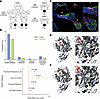 Figure 1
Pedigrees, CPD variant enrichment in HL population, protein localization, and in silico modeling. (A) Pedigrees of 3 participating families with variant segregation are shown. Males are represented by squares and females by circles; filled symbols indicate affected individuals; and double lines denote consanguinity. Arrows mark probands. (B) Comparison of the frequency of disease-causing variants in CPD between hearing loss (HL) cohorts and controls reveals a higher occurrence of protein-altering (2.69% vs. 2.19%), missense (0.26% vs. 0.15%), and loss-of-function (LoF) variants (0.07% vs. 0.02%) in patients, suggesting a stronger contribution of these variants to HL. The forest plot displays ORs with 95% CIs for disease-causing CPD variants. The red dotted line (OR = 1) represents no association. ORs were significantly elevated for combined variants (OR = 1.97), LoF variants (OR = 3.02), and prioritized missense variants (OR = 1.81), confirming a strong association between CPD variants and HL. (C) CPD localization in the mouse inner ear. Representative staining of P0 cochlear sections shows CPD (green), MYO7A (magenta), neurofilament (red), and DAPI (blue). The right panels show magnified views of the boxed regions. Spiral ganglion (SG), organ of Corti (OC), and stria vascularis (SV) are labeled. CPD localizes prominently to the SG, SV, and OC. Scale bar: 60 μm; right panels: 15 μm. (D and E) Ribbon representation of the structural model of the wild-type protein and the variant harboring the M563R/Q791R/R833H triplet of human CP domain 2 (residues 501–875). CP domain 2 comprises 2 subdomains: an N-terminal αβ-fold harboring a Zn2+ divalent ion (yellow sphere) as a cofactor at the heart of the active site, followed by a C-terminal β-barrel. The protein backbone is gray; side chains of the M563R/Q791R/R833H triplet are blue, with interacting partners in green. The peptidomimetic inhibitor GEMSA is depicted in red.
As detailed in Methods, we analyzed ES and GS data, focusing on rare variants cosegregating with HL in each family. The proband of family 1 is homozygous for a missense variant, c.1688T>G p.(Met563Arg), in CPD mapping to an autozygous region on chromosome 17 and cosegregating with HL within the extended family (Figure 1A, Table 1, Supplemental Figure 2A, and Supplemental Table 1). Further analysis via GS did not reveal any plausible coding/non-coding variants or copy number variants in recognized genes for deafness. Specifically, no pathogenic variants were identified in MYO15A or GRAP, which map to the same chromosomal region. In the probands of families 2 and 3, we identified the missense variants c.2498G>A p.(Arg833His) and c.2372A>G p.(Gln791Arg), respectively, in CPD. Both variants cosegregate with HL in an autosomal recessive pattern (Figure 1A, Table 1, Supplemental Figure 2A, and Supplemental Table 1).
Functional CPD variants are enriched in HL probands as compared with controls. To assess the broader impact of CPD variants at the population level and investigate whether they might contribute to HL later in life, we conducted a burden analysis using a large cohort from the 100,000 Genomes Project (100KGP) (21). It comprised 3,802 individuals with HL and 27,503 controls. This allowed us to determine the extent to which rare protein-altering variants influence disease susceptibility beyond the severe cases identified in family studies.
Owing to Genomics England policy, individual-level clinical data from 100KGP cannot be disclosed, and only aggregate summaries of phenotypic information are permitted. Nevertheless, most cases with rare CPD variants exhibited features highly consistent with the clinical profile observed in our familial cases, including congenital or childhood-onset bilateral SNHL, with severity ranging from severe to profound. Several individuals also underwent MRI of the internal auditory meatus, with findings consistent with primary inner ear dysfunction, in keeping with the expected cochlear and neuronal localization of CPD.
A subset of individuals displayed additional or potentially unrelated features, including middle ear pathologies such as otitis media or conductive HL. While these findings may suggest comorbid or acquired conditions rather than the primary consequence of CPD dysfunction, we retained these individuals in the broader analysis to avoid overly restrictive filtering that might obscure the contribution of CPD variants to a genetically heterogeneous clinical spectrum.
The analysis of all protein-altering variants in CPD showed an alternate allele frequency of 2.69% in cases and 2.19% in controls, yielding an odds ratio (OR) of 1.23 (95% CI: 1.06–1.44; P = 0.0084). This result indicates a statistically significant but modest enrichment of protein-altering variants in cases compared with controls (Figure 1B and Supporting Data Values Excel file).
For prioritized missense variants with a minor allele frequency less than 0.001 and either a Combined Annotation Dependent Depletion score ≥ 25 or an AlphaMissense score indicating probable damage or ambiguity (≥0.34), the alternate allele frequency was 0.26% in cases and 0.15% in controls, resulting in an OR of 1.81 (95% CI: 1.11–2.96; P = 0.0211). This suggests a statistically significant association, with prioritized missense variants being more frequent in cases. Furthermore, analysis of loss-of-function (LoF) variants revealed an alternate allele frequency of 0.07% in cases and 0.02% in controls. The OR was 3.02 (95% CI: 1.06–8.57; P = 0.0465), demonstrating a significant enrichment of LoF variants in cases (Figure 1B and Supporting Data Values Excel file). This category exhibited the strongest association among all variant groups.
The combined category of prioritized missense and LoF variants showed an alternate allele frequency of 0.33% in cases and 0.17% in controls. The OR was 1.97 (95% CI: 1.27–3.07; P = 0.0042), reflecting a statistically significant association, with these variants being more frequent in cases (Figure 1B).
In silico modeling predicts reduced catalytic activity in CPD mutants. CPD consists of three CP domains: extracellular N-terminal, cytosolic C-terminal, and a small transmembrane domain (Supplemental Figure 2B). All detected variants affect highly conserved amino acids localized in the catalytically active CP domain 2 (Supplemental Figure 2B).
CP domain 2 consists of an N-terminal αβ-fold harboring a Zn2+ divalent ion as a cofactor at the active site and a C-terminal β-barrel (Figure 1D). Met563 forms a part of a group of residues that give structural integrity to the catalytic center of the protein (Figure 1D). The p.(Met563Arg) variant would lead to distortion of the active site due to the bulky, basic side chain of arginine (Figure 1D). Moreover, it would also serve as a non-competitive inhibitor of potential substrates.
The side chain moiety of Gln791 is exposed to the solvent, but also, along with other polar residues, enables the protein to “breathe,” thereby enforcing rapid substrate turnover. The substitution of arginine for Gln791 leads to the formation of an additional salt bridge with the neighboring Glu710 (Figure 1E). The resulting molecular interaction causes structural disruption and forms an additional layer of rigidity to the protein, compromising its catalytic activity.
Arg833 forms a salt bridge with Asp696 (Figure 1E), which tethers the β-barrel to the back of the αβ-fold, away from its catalytic center, and is critical for overall structural integrity. The p.(Arg833His) variant would destabilize the protein and likely deactivate it by distorting its catalytic center (Figure 1D).
CPD localization in mouse cochlea and antibody validation. We detected Cpd mRNA expression in the cochlea of embryonic (E18.5), neonatal (P0), and adult mice (P15 and P30) via quantitative and semiquantitative reverse transcriptase PCR analysis. Cpd is consistently expressed across cochlear development and is present in multiple cochlear cell types (Supplemental Figure 3, A and B). Immunostaining with validated anti-CPD antibody (Supplemental Figures 4 and 5) on cochlear sections from wild-type mice shows localization of CPD in both inner and outer hair cells, stria vascularis, and spiral ganglion (Figure 1C and Supplemental Figure 4). This pattern is consistent mainly with public RNA-Seq and single-cell RNA-Seq (scRNA-Seq) datasets available via the gEAR portal (https://umgear.org), which show strong expression in the hair cells, stria vascularis, and spiral ganglion (Supplemental Figure 3, C and D). Together, these complementary data highlight the broad and sustained presence of CPD in the cochlea, supporting its relevance throughout development and into postnatal maturation.
Reduced enzyme activity and altered protein length in CPD mutants. CPD is known to cleave the C-terminal Arg/Lys of its substrates. Thus, the disruption in the catalytic domain of the enzyme is expected to decrease the efficiency of peptide cleavage, resulting in longer peptides or unused substrate. It is evident in Figure 2A that when the lysate containing the mutated CPD was incubated with dansyl-Ala-Arg, a significant amount of the substrate was left uncleaved. This is supported by liquid chromatography–mass spectrometry data analysis, which reveals a relative increase in longer peptides from patients’ fibroblasts compared with the control group (Figure 2B).
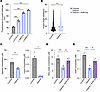 Figure 2
In vitro analysis of CPD variants. (A) Comparison of enzyme activity in mutated and control cells shows significantly reduced activity in patients, as evidenced by fluorescence-based substrate assays. (B) Mass spectrometry analysis revealed a difference in protein length between controls and patients in fibroblasts, with longer peptide lengths observed in patients. (C) Effect on the concentration of intracellular arginine and lysine in patient fibroblasts, compared with controls. (D) Nitric oxide (NO) concentration measured in controls, patients, and treated groups. (E) cGMP levels measured in controls, patients, and treated groups. The results are from 3–4 independent experiments, expressed as mean ± SEM. Statistical significance was determined using the unpaired 2-tailed t test and ANOVA. Significant differences are denoted with asterisks (*P ≤ 0.05, **P ≤ 0.001, ***P ≤ 0.0001) when compared with controls or between patients with treatment to the patients without treatment.
Low levels of lysine, arginine, NO, and cGMP in patient fibroblasts rectified by exogenous arginine. The arginine cleaved by CPD could serve as a substrate for NO synthase to produce NO, which in turn signals various biological processes, including the conversion of GTP to cyclic guanosine monophosphate (cGMP) (22). To test this, we first measured the levels of intracellular arginine (and lysine) in control and patient fibroblasts. We observed a decrease in both amino acids in patient cells compared with control (Figure 2C and Supplemental Figure 6A). Further, NO and cGMP levels were also reduced in patient cells when compared with the control group (Figure 2, D and E, and Supplemental Figure 6, B and C). These results support the hypothesis that the disruption of the catalytic site of CPD leads to a reduction of intracellular arginine, lysine, and NO signaling.
We subsequently administered l-arginine to patient fibroblasts, which reversed the levels of intracellular NO and cGMP to almost normal levels, compared with the control groups (Figure 2, D and E, and Supplemental Figure 6, B and C). These results suggest that the identified variants cause damage to the catalytic domain of CPD, reduction of intracellular arginine, and defective NO signaling, which can be reversed with the supplementation of arginine.
Decrease in NO levels causes apoptosis in fibroblasts. NO plays a protective role in cells by triggering the activation of different kinases in canonical pathways (23). These include ERK activation, CREB, and AKT, which have notable consequences for neuronal development and survival (23). Intending to identify the impact of decreased NO levels on fibroblasts, we cultured patient and control fibroblasts. We analyzed the DNA fragmentation as well as phosphorylation of AKT, ERK, CREB, and BAD proteins through Western blotting. Terminal deoxynucleotidyl transferase–mediated dUTP nick end labeling (TUNEL) assay revealed that fibroblasts with CPD mutations had a larger proportion of cells undergoing apoptosis (Figure 3A and Supplemental Figure 6D). In addition, the patients’ fibroblasts showed significantly higher proportions of cells positive for the apoptosis markers annexin V and propidium iodide (PI) as compared with controls (Figure 3, B and C, and Supplemental Figure 6E). However, when patients’ cells were supplemented with arginine, there was a reduction in apoptosis (P < 0.05) among these cells (Figure 3C, Supplemental Figure 6E, and Supplemental Figure 7). Since lysine is also an essential amino acid and is known for its role in cell growth and survival processes, we also tested the effect of lysine in reducing apoptosis in patient fibroblasts; results suggest that it was much less effective or ineffective when administered alone or in combination with arginine (Supplemental Figure 7). Lysine and arginine may interact negatively as they compete for the same transporter (CAT) to enter the same cell. Arginine is well known for its role in metabolic stress adaptation by different cells (24), and lysine is mainly involved in protein and collagen synthesis, and histone modifications (25).
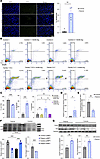 Figure 3
Analysis of apoptosis and mechanistic pathways in patient-derived fibroblasts. (A) Representative images of TUNEL staining showing increased apoptosis in patient-derived fibroblasts compared with controls, with quantification of apoptotic cells (% Apoptosis, right). Scale bars: 30 μm. (B and C) Representative images of flow cytometry (B) and statistical analysis (C) of annexin V and PI staining in patient fibroblasts (bottom row) compared with controls (top row). Arginine supplementation reduces apoptosis in patient fibroblasts, as shown in the quantification of live and apoptotic cells (far right in C). (D) Relative fluorescence intensity of H2DCFDA indicates higher levels of oxidative stress in patient fibroblasts compared with controls. (E) JC-1 staining demonstrates altered mitochondrial membrane potential in patient fibroblasts, shown by the red/green fluorescence intensity ratio. (F) Representative gel image of XBP1 splicing via quantitative reverse transcriptase PCR (RT-qPCR) (top image) and densitometric analysis (bottom left graph) shows elevated levels of spliced XBP1 (sXBP1) in patient fibroblasts compared with controls, confirming UPR activation. Fold change (RT-qPCR) in XBP1 expression confirms the increase in the spliced form of XBP1 in patients (bottom right graph). (G) Western blot analysis of UPR markers (representative gel image on top) reveals increased abundance of CHOP (bottom left graph) and p53 (bottom right graph) in patient fibroblasts, with quantification normalized to GAPDH. The results are from 3–4 independent experiments and are expressed as mean ± SEM. Statistical significance was determined using the unpaired 2-tailed t test and ANOVA (*P ≤ 0.05, **P ≤ 0.001, ***P ≤ 0.0001, ****P ≤ 0.00001).
We were unable to identify a significant change in canonical apoptotic protein levels (AKT/p-AKT, CREB/p-CREB, BAD/p-BAD, and caspases) in patient fibroblasts compared with controls (Supplemental Figure 8, A–D). This led us to investigate alternative apoptotic pathways. As mentioned earlier, NO deficiency can have an impact on oxidative stress, mitochondrial dysfunction, ER stress, and/or p53 activation related to apoptosis (17, 18). We therefore tested fibroblasts for oxidative stress by measuring the relative fluorescence intensity of cells after loading with 2′,7′-dichlorodihydrofluorescein diacetate (H2DCFDA). The patients’ cells showed significantly increased oxidative stress (Figure 3D and Supplemental Figure 6F) and lower ratios of red/green fluorescence intensity, indicating compromised mitochondrial function (Figure 3E and Supplemental Figure 6G). Oxidative stress and mitochondrial dysfunction are expected to lead to ER stress and p53 activation. As shown in Figure 3, F and G, and Supplemental Figure 6, H and I, spliced XBP1 (sXBP1) and CHOP, markers of ER stress/unfolded protein response (UPR), as well as p53 levels for oxidative stress, were increased in patients’ fibroblasts.
Silencing of Cpd leads to apoptosis in murine cochlear cells. Since Cpd expression was localized in the inner ear, we analyzed the effect of silencing Cpd in mouse cochlear explants. The expression of Cpd was reduced in cochlea transfected with scrambled (control) and Cpd siRNA lentiviruses at a multiplicity of infection (MOI) of 2 × 10⁶, compared with controls (Supplemental Figure 9). We analyzed TUNEL staining signals across apical, mid, and basal regions of the cochlea. Images were acquired at ×63 using an oil immersion lens, and apoptotic cells were counted using ImageJ. The apoptosis was more intense in Cpd-silenced explants compared with controls (P < 0.001), indicating that sensory cells in the cochlea were undergoing apoptosis due to reduction in Cpd expression (Figure 4, A and C). The supplementation of arginine for 24 hours was effective in reducing the apoptosis in the sensory epithelium of the cochlea (Figure 4, B and C). These results suggest that the timely administration of arginine may be beneficial in treating loss of sensory epithelium in the cochlea.
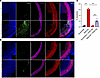 Figure 4
Silencing Cpd in the mouse cochlea enhances apoptosis rescued by arginine supplementation. (A) Representative confocal images of mouse cochlear explants (E13.5 + 5 days in vitro, DIV) showing increased apoptosis following Cpd silencing (infected at MOI 2 × 10⁶), as indicated by TUNEL staining (green). MYO7A (magenta) marks hair cells, SOX2 (red) marks supporting or progenitor cells, and DAPI (blue) labels nuclei. (B) Arginine supplementation (5 mM) reduces TUNEL-positive apoptotic cells in Cpd-silenced explants. (C) Quantification of apoptosis (percentage TUNEL-positive cells per total nuclei). Cpd silencing significantly increased apoptosis, which was partially rescued by arginine treatment. Data are presented as mean ± SEM from n = 4 explants per group from 2 different litters. No signal was artificially added or removed during the quantification. ***P < 0.001 by 1-way ANOVA with Tukey’s multiple-comparison test. Scale bar: 100 μm.
Loss of silver impairs auditory processing and disrupts scolopidia organization. The Drosophila ortholog of CPD, encoded by the silver gene (svr), is highly conserved and serves as a robust model for CPD dysfunction with a DIOPT (Drosophila RNAi Screening Center Integrative Ortholog Prediction Tool; https://www.flyrnai.org/tools/diopt/web/api) score of 12/16 (26). The silver gene is alternatively spliced to produce long transmembrane forms with 3 CP-like domains and short soluble forms with a single CP domain (27). Recent studies have highlighted the molecular and genetic conservation of the mechanosensory transduction in flies and vertebrates (28–30). Analysis of scRNA-Seq of the adult Drosophila antenna obtained from Fly Cell Atlas (31) with SCope visualization confirmed that svr was highly expressed in the antenna, including Johnston’s organ (JO), the Drosophila hearing organ (Figure 5, A and B). JO is the component of the auditory system required for sensing gravity, wind flow, and near-field sound (32).
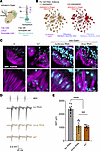 Figure 5
Loss of silver results in impaired morphology and function of Johnston’s organ. (A) Left: Schematic representation of Drosophila antenna. Mechanosensory neurons (labeled in cyan) are suspended within Johnston’s organ, located in A2 segment. Right: Schematic showing the organization of one scolopidium, including scolopale rods and actin bundles in the cilium, labeled in magenta (boxed areas in C). Adapted with permission from Proceedings of the National Academy of Sciences of the United States of America (28). (B) t-Distributed stochastic neighbor embedding (t-SNE) plot showing svr (gold) and elav (red) expression in the antenna using SCope: Fly Cell Atlas dataset (31). (C) Confocal micrographs showing phalloidin labeling of scolopale rods and actin bundles in the cilium (magenta), and nuclei labeled with DAPI (cyan), of cs or luciferase-RNAi control compared with svr1 and silver-RNAi. Boxed areas highlight zoomed-in regions of disorganized actin bundles. Scale bars: 10 μm. (D) Representative sound-evoked potential (SEP) traces recorded from antennae in response to presentation of simulated pulse song (stim). For each trace, the responses of 10 consecutive stimuli are shown in light gray, with the average of these 10 traces shown in the color representative of each genotype. (E) SEP amplitudes are plotted with each point representing a different antenna. Bars represent means, error bars represent SEM. Statistical significance was determined using ANOVA (P < 0.0001) and Tukey’s post hoc comparisons (****P < 0.0001).
Distinct classes of svr mutants have been described. Global loss-of-function alleles that reduce all CPD isoforms result in embryonic or larval lethality. In contrast, mutants that specifically affect long forms, such as svr1 mutant (a 3 bp deletion in exon 6, causing loss of a conserved leucine residue in the second CP-like domain and consequent loss of enzyme activity and protein misfolding), reduce the abundance of the long form and the activity of CPD (27). To further model CPD loss, we performed pan-neuronal knockdown (RNAi) of svr using elav-GAL4, which is significantly expressed in the antenna, including the JO neurons (Figure 5B).
JO contains approximately 200 scolopidia (Figure 5A), the fundamental mechanosensory units of hearing analogous to vertebrate hair cells (33). To assess the effect of loss of function of svr on JO, we assessed morphology of scolopidia using phalloidin staining. Both svr1 mutants and pan-neuronal silver-RNAi flies exhibited disorganized actin bundles in JO when compared with their respective controls, indicating deterioration of auditory organ structure (Figure 5C).
To assess whether loss of svr affects auditory function, we performed electrophysiology recordings of sound-evoked potentials (SEPs) from the antennal nerve. Control flies (luciferase-RNAi) exhibited robust SEP amplitudes, while silver-RNAi or svr1 mutants displayed an approximately 50% reduction in SEP amplitudes (Figure 5, D and E), indicating significant impairment of auditory transduction. Collectively, these findings demonstrate that CPD deficiency caused by svr mutations or knockdown leads to both structural and functional impairment of the auditory system.
Loss of silver causes deficits in negative geotactic behavior in Drosophila. To determine whether CPD deficiency impacts broader JO-mediated behaviors, we assessed negative geotactic behavior, a sensitive measure of gravity sensing and motor coordination reliant on intact auditory/neurosensory circuits (26, 34). Therefore, while negative geotaxis is not solely a measure of auditory processing, it relies on the function of the antenna and JO, which are critical for sound detection. Compared with wild-type canton-s (cs) controls, svr1 showed significantly reduced speed (Figure 6A), movement direction (Figure 6B), and percentage of flies to reach a determined distance (7 cm) in 10 seconds (Figure 6C). Additionally, longitudinal analysis of silver-RNAi revealed sustained deficits in speed and movement direction across ages (5, 10, and 25 days after eclosion [DAE]) in both females (Figure 6, D and E) and males (Supplemental Figure 10, A and B), along with reduced percentage to reach 7 cm in 10 seconds (Figure 6F). Last, we also measured the distance climbed in the first 5 seconds, and the kymograph showed a significant reduction in climbing rate for silver-RNAi–knockdown female (Figure 6, G–I) and male flies when compared with control at 5, 10, and 25 DAE, respectively (Supplemental Figure 10, C–E). This suggests a delayed response in gravity sensing for the silver-RNAi flies when compared with the controls. Taken together, the results suggest that loss of silver by mutant deletion or pan-neuronal knockdown causes impaired negative geotactic behavior, and, when combined with reduced auditory processing and impaired morphology, suggest impaired function of the Drosophila hearing organ.
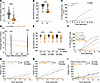 Figure 6
Silver loss of function results in impaired negative geotaxis behavior. (A–C) Negative geotaxis analysis of canton-s (cs) (gray) control or svr1 (gold) in 5-DAE female flies. Assessment of average speed (A), movement direction (B), and percentage of flies that reached 7 cm (half maximum) in 10 seconds for cs control (n = 190) or svr1 (n = 154) (C). (D–I) Negative geotaxis analysis of pan-neuronal knockdown of luciferase control (gray) or silver (orange) in female flies. Assessment of average speed (D), movement direction (E), percentage of flies that reached 7 cm in 10 seconds (F), climbing distance at 5 DAE for luciferase control (n = 770) or silver (n = 1,048) (G), climbing distance at 10 DAE for luciferase control (n = 740) or silver (n = 775) (H), and climbing distance of 25 DAE for luciferase control (n = 350) or silver (n = 350) (I). Data are presented as mean ± 95% CI. ****P < 0.0001.
Feeding with l-arginine or sildenafil improves negative geotactic behavior in Drosophila model of CPD deficiency. To test whether modulating the NO pathway could rescue deficits caused by CPD deficiency, we examined the effects of l-arginine and sildenafil, a cGMP enhancer, in flies with pan-neuronal knockdown of silver by assessing the negative geotactic function of the flies after drug feeding at previously analyzed time points (Figure 7A). Both l-arginine and sildenafil significantly improved the average speed for silver-RNAi at 5 DAE, and sildenafil continued to show improvement at 10 DAE (Figure 7B). Moreover, l-arginine significantly improved movement direction at 5 and 10 DAE when compared with normal food, while sildenafil showed minor improvements (Figure 7C). Feeding with both drugs significantly improved distance climbed in the first 5 seconds at all time points, showing significant improvement of gravity sensing (Figure 7, D–F). Lastly, the percentage of flies that were able to reach 7 cm in 10 seconds also improved with l-arginine supplementation (Figure 7, G–I). Unexpectedly, l-arginine or sildenafil feeding in control flies occasionally caused mild behavioral toxicity, evidenced by decreased performance (Supplemental Figure 11), suggesting context-dependent effects.
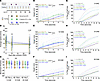 Figure 7
Feeding with l-arginine or sildenafil improves negative geotaxis behavior in flies with pan-neuronal silver knockdown. (A) Feeding paradigm for normal food (NF), l-arginine (L-Arg), and sildenafil (Viagra). (B–I) Negative geotaxis behavior for females with pan-neuronal knockdown of silver (elavC155-GAL4 > UAS-silver-RNAi) fed with either NF (gold) (n = 140), L-Arg (green) (n = 180), or Viagra (blue) (n = 180). Assessment of average speed (B), movement direction (C), climbing distance at 5 DAE (D), 10 DAE (E), and 25 DAE (F), and percentage of luciferase (dashed lines) or silver (solid lines) flies to reach 7 cm in 10 seconds for 5 DAE (G), 10 DAE (H), and 25 DAE (I). Data are presented as mean ± 95% CI. **P < 0.01, ***P < 0.001, ****P < 0.0001.
Overall, these findings demonstrate that loss of CPD/silver impairs the structure and function of the Drosophila auditory system and associated gravity-sensing behaviors, but that these deficits can be partially ameliorated by pharmacological modulation of the NO/cGMP pathway. This suggests the beneficial effects of modulating NO pathways in enhancing the integrity and output of sensory-motor neurocircuitry in the context of CPD loss of function and highlights the translational potential of targeting this signaling cascade in conditions of CPD-deficient hearing loss.


Copyright © 2026 American Society for Clinical Investigation
ISSN: 0021-9738 (print), 1558-8238 (online)