
Advertisement
Research ArticleImmunologyOncology
Open Access |  10.1172/JCI190928
Reversing enhancer RNA–mediated IKBKE gene repression enables synthetic anticancer immunity in prostate cancer models
Xiang Li,1,2,3 Rui Sun,1,3 Hao Li,1,3 Jacob J. Orme,3,4 Xu Zhang,3,5 Yu Hou,6 Sean S. Park,7 Yu Zhang,1,3 Yi He,8 Liguo Wang,9 Veronica Rodriguez-Bravo,3 Josep Domingo-Domenech,3 Shancheng Ren,10 Dan Xia,1 Guanghou Fu,1 Zhankui Jia,2 and Haojie Huang1,3
1Department of Urology, Institute of Urologic Science and Technology, The First Affiliated Hospital, Zhejiang University School of Medicine, Hangzhou, China.
2Department of Urology, the First Affiliated Hospital of Zhengzhou University, Zhengzhou, China.
3Department of Biochemistry and Molecular Biology, and
4Department of Oncology, Mayo Clinic College of Medicine and Science, Rochester, Minnesota, USA.
5Robert and Arlene Kogod Center on Aging, Mayo Clinic, Rochester, Minnesota, USA.
6Department of Pulmonology, Children’s Hospital, National Clinical Research Center for Child Health, Liangzhu Laboratory, Zhejiang University School of Medicine, Hangzhou, China.
7Department of Radiation Oncology, Mayo Clinic College of Medicine and Science, Rochester, Minnesota, USA.
8The First Hospital of Jiaxing, Jiaxing, China.
9Division of Biomedical Statistics and Informatics, Mayo Clinic College of Medicine and Science, Rochester, Minnesota, USA.
10Department of Urology, Changzheng Hospital, Shanghai, China.
Address correspondence to: Haojie Huang or Guanghou Fu, Zhejiang University School of Medicine, No. 1367, Wenyi West Road, Hangzhou, 310003, China. Phone: 86.0571.87236070; Email: huanghaojie@zju.edu.cn (HH). Phone: 86.0571.87237525; Email: fuguanghou@zju.edu.cn (GF). Or to: Zhankui Jia, The First Affiliated Hospital of Zhengzhou University, No. 1, Jianshe Dong Road, Zhengzhou, 450052, China. Phone: 86.0371.67967226; Email: jiazhankui@126.com. Or to: Jacob J. Orme, Mayo Clinic, 200 1st St SW, Rochester, Minnesota, 55905, USA. Phone: 507.293.0566; Email: orme.jacob@mayo.edu.
Authorship note: XL, RS, HL, and JJO contributed equally to this work.
Find articles by Li, X. in: PubMed | Google Scholar
1Department of Urology, Institute of Urologic Science and Technology, The First Affiliated Hospital, Zhejiang University School of Medicine, Hangzhou, China.
2Department of Urology, the First Affiliated Hospital of Zhengzhou University, Zhengzhou, China.
3Department of Biochemistry and Molecular Biology, and
4Department of Oncology, Mayo Clinic College of Medicine and Science, Rochester, Minnesota, USA.
5Robert and Arlene Kogod Center on Aging, Mayo Clinic, Rochester, Minnesota, USA.
6Department of Pulmonology, Children’s Hospital, National Clinical Research Center for Child Health, Liangzhu Laboratory, Zhejiang University School of Medicine, Hangzhou, China.
7Department of Radiation Oncology, Mayo Clinic College of Medicine and Science, Rochester, Minnesota, USA.
8The First Hospital of Jiaxing, Jiaxing, China.
9Division of Biomedical Statistics and Informatics, Mayo Clinic College of Medicine and Science, Rochester, Minnesota, USA.
10Department of Urology, Changzheng Hospital, Shanghai, China.
Address correspondence to: Haojie Huang or Guanghou Fu, Zhejiang University School of Medicine, No. 1367, Wenyi West Road, Hangzhou, 310003, China. Phone: 86.0571.87236070; Email: huanghaojie@zju.edu.cn (HH). Phone: 86.0571.87237525; Email: fuguanghou@zju.edu.cn (GF). Or to: Zhankui Jia, The First Affiliated Hospital of Zhengzhou University, No. 1, Jianshe Dong Road, Zhengzhou, 450052, China. Phone: 86.0371.67967226; Email: jiazhankui@126.com. Or to: Jacob J. Orme, Mayo Clinic, 200 1st St SW, Rochester, Minnesota, 55905, USA. Phone: 507.293.0566; Email: orme.jacob@mayo.edu.
Authorship note: XL, RS, HL, and JJO contributed equally to this work.
Find articles by Sun, R. in: PubMed | Google Scholar
1Department of Urology, Institute of Urologic Science and Technology, The First Affiliated Hospital, Zhejiang University School of Medicine, Hangzhou, China.
2Department of Urology, the First Affiliated Hospital of Zhengzhou University, Zhengzhou, China.
3Department of Biochemistry and Molecular Biology, and
4Department of Oncology, Mayo Clinic College of Medicine and Science, Rochester, Minnesota, USA.
5Robert and Arlene Kogod Center on Aging, Mayo Clinic, Rochester, Minnesota, USA.
6Department of Pulmonology, Children’s Hospital, National Clinical Research Center for Child Health, Liangzhu Laboratory, Zhejiang University School of Medicine, Hangzhou, China.
7Department of Radiation Oncology, Mayo Clinic College of Medicine and Science, Rochester, Minnesota, USA.
8The First Hospital of Jiaxing, Jiaxing, China.
9Division of Biomedical Statistics and Informatics, Mayo Clinic College of Medicine and Science, Rochester, Minnesota, USA.
10Department of Urology, Changzheng Hospital, Shanghai, China.
Address correspondence to: Haojie Huang or Guanghou Fu, Zhejiang University School of Medicine, No. 1367, Wenyi West Road, Hangzhou, 310003, China. Phone: 86.0571.87236070; Email: huanghaojie@zju.edu.cn (HH). Phone: 86.0571.87237525; Email: fuguanghou@zju.edu.cn (GF). Or to: Zhankui Jia, The First Affiliated Hospital of Zhengzhou University, No. 1, Jianshe Dong Road, Zhengzhou, 450052, China. Phone: 86.0371.67967226; Email: jiazhankui@126.com. Or to: Jacob J. Orme, Mayo Clinic, 200 1st St SW, Rochester, Minnesota, 55905, USA. Phone: 507.293.0566; Email: orme.jacob@mayo.edu.
Authorship note: XL, RS, HL, and JJO contributed equally to this work.
Find articles by Li, H. in: PubMed | Google Scholar
1Department of Urology, Institute of Urologic Science and Technology, The First Affiliated Hospital, Zhejiang University School of Medicine, Hangzhou, China.
2Department of Urology, the First Affiliated Hospital of Zhengzhou University, Zhengzhou, China.
3Department of Biochemistry and Molecular Biology, and
4Department of Oncology, Mayo Clinic College of Medicine and Science, Rochester, Minnesota, USA.
5Robert and Arlene Kogod Center on Aging, Mayo Clinic, Rochester, Minnesota, USA.
6Department of Pulmonology, Children’s Hospital, National Clinical Research Center for Child Health, Liangzhu Laboratory, Zhejiang University School of Medicine, Hangzhou, China.
7Department of Radiation Oncology, Mayo Clinic College of Medicine and Science, Rochester, Minnesota, USA.
8The First Hospital of Jiaxing, Jiaxing, China.
9Division of Biomedical Statistics and Informatics, Mayo Clinic College of Medicine and Science, Rochester, Minnesota, USA.
10Department of Urology, Changzheng Hospital, Shanghai, China.
Address correspondence to: Haojie Huang or Guanghou Fu, Zhejiang University School of Medicine, No. 1367, Wenyi West Road, Hangzhou, 310003, China. Phone: 86.0571.87236070; Email: huanghaojie@zju.edu.cn (HH). Phone: 86.0571.87237525; Email: fuguanghou@zju.edu.cn (GF). Or to: Zhankui Jia, The First Affiliated Hospital of Zhengzhou University, No. 1, Jianshe Dong Road, Zhengzhou, 450052, China. Phone: 86.0371.67967226; Email: jiazhankui@126.com. Or to: Jacob J. Orme, Mayo Clinic, 200 1st St SW, Rochester, Minnesota, 55905, USA. Phone: 507.293.0566; Email: orme.jacob@mayo.edu.
Authorship note: XL, RS, HL, and JJO contributed equally to this work.
Find articles by
Orme, J.
in:
PubMed
|
Google Scholar
|

1Department of Urology, Institute of Urologic Science and Technology, The First Affiliated Hospital, Zhejiang University School of Medicine, Hangzhou, China.
2Department of Urology, the First Affiliated Hospital of Zhengzhou University, Zhengzhou, China.
3Department of Biochemistry and Molecular Biology, and
4Department of Oncology, Mayo Clinic College of Medicine and Science, Rochester, Minnesota, USA.
5Robert and Arlene Kogod Center on Aging, Mayo Clinic, Rochester, Minnesota, USA.
6Department of Pulmonology, Children’s Hospital, National Clinical Research Center for Child Health, Liangzhu Laboratory, Zhejiang University School of Medicine, Hangzhou, China.
7Department of Radiation Oncology, Mayo Clinic College of Medicine and Science, Rochester, Minnesota, USA.
8The First Hospital of Jiaxing, Jiaxing, China.
9Division of Biomedical Statistics and Informatics, Mayo Clinic College of Medicine and Science, Rochester, Minnesota, USA.
10Department of Urology, Changzheng Hospital, Shanghai, China.
Address correspondence to: Haojie Huang or Guanghou Fu, Zhejiang University School of Medicine, No. 1367, Wenyi West Road, Hangzhou, 310003, China. Phone: 86.0571.87236070; Email: huanghaojie@zju.edu.cn (HH). Phone: 86.0571.87237525; Email: fuguanghou@zju.edu.cn (GF). Or to: Zhankui Jia, The First Affiliated Hospital of Zhengzhou University, No. 1, Jianshe Dong Road, Zhengzhou, 450052, China. Phone: 86.0371.67967226; Email: jiazhankui@126.com. Or to: Jacob J. Orme, Mayo Clinic, 200 1st St SW, Rochester, Minnesota, 55905, USA. Phone: 507.293.0566; Email: orme.jacob@mayo.edu.
Authorship note: XL, RS, HL, and JJO contributed equally to this work.
Find articles by
Zhang, X.
in:
PubMed
|
Google Scholar
|
1Department of Urology, Institute of Urologic Science and Technology, The First Affiliated Hospital, Zhejiang University School of Medicine, Hangzhou, China.
2Department of Urology, the First Affiliated Hospital of Zhengzhou University, Zhengzhou, China.
3Department of Biochemistry and Molecular Biology, and
4Department of Oncology, Mayo Clinic College of Medicine and Science, Rochester, Minnesota, USA.
5Robert and Arlene Kogod Center on Aging, Mayo Clinic, Rochester, Minnesota, USA.
6Department of Pulmonology, Children’s Hospital, National Clinical Research Center for Child Health, Liangzhu Laboratory, Zhejiang University School of Medicine, Hangzhou, China.
7Department of Radiation Oncology, Mayo Clinic College of Medicine and Science, Rochester, Minnesota, USA.
8The First Hospital of Jiaxing, Jiaxing, China.
9Division of Biomedical Statistics and Informatics, Mayo Clinic College of Medicine and Science, Rochester, Minnesota, USA.
10Department of Urology, Changzheng Hospital, Shanghai, China.
Address correspondence to: Haojie Huang or Guanghou Fu, Zhejiang University School of Medicine, No. 1367, Wenyi West Road, Hangzhou, 310003, China. Phone: 86.0571.87236070; Email: huanghaojie@zju.edu.cn (HH). Phone: 86.0571.87237525; Email: fuguanghou@zju.edu.cn (GF). Or to: Zhankui Jia, The First Affiliated Hospital of Zhengzhou University, No. 1, Jianshe Dong Road, Zhengzhou, 450052, China. Phone: 86.0371.67967226; Email: jiazhankui@126.com. Or to: Jacob J. Orme, Mayo Clinic, 200 1st St SW, Rochester, Minnesota, 55905, USA. Phone: 507.293.0566; Email: orme.jacob@mayo.edu.
Authorship note: XL, RS, HL, and JJO contributed equally to this work.
Find articles by Hou, Y. in: PubMed | Google Scholar
1Department of Urology, Institute of Urologic Science and Technology, The First Affiliated Hospital, Zhejiang University School of Medicine, Hangzhou, China.
2Department of Urology, the First Affiliated Hospital of Zhengzhou University, Zhengzhou, China.
3Department of Biochemistry and Molecular Biology, and
4Department of Oncology, Mayo Clinic College of Medicine and Science, Rochester, Minnesota, USA.
5Robert and Arlene Kogod Center on Aging, Mayo Clinic, Rochester, Minnesota, USA.
6Department of Pulmonology, Children’s Hospital, National Clinical Research Center for Child Health, Liangzhu Laboratory, Zhejiang University School of Medicine, Hangzhou, China.
7Department of Radiation Oncology, Mayo Clinic College of Medicine and Science, Rochester, Minnesota, USA.
8The First Hospital of Jiaxing, Jiaxing, China.
9Division of Biomedical Statistics and Informatics, Mayo Clinic College of Medicine and Science, Rochester, Minnesota, USA.
10Department of Urology, Changzheng Hospital, Shanghai, China.
Address correspondence to: Haojie Huang or Guanghou Fu, Zhejiang University School of Medicine, No. 1367, Wenyi West Road, Hangzhou, 310003, China. Phone: 86.0571.87236070; Email: huanghaojie@zju.edu.cn (HH). Phone: 86.0571.87237525; Email: fuguanghou@zju.edu.cn (GF). Or to: Zhankui Jia, The First Affiliated Hospital of Zhengzhou University, No. 1, Jianshe Dong Road, Zhengzhou, 450052, China. Phone: 86.0371.67967226; Email: jiazhankui@126.com. Or to: Jacob J. Orme, Mayo Clinic, 200 1st St SW, Rochester, Minnesota, 55905, USA. Phone: 507.293.0566; Email: orme.jacob@mayo.edu.
Authorship note: XL, RS, HL, and JJO contributed equally to this work.
Find articles by
Park, S.
in:
PubMed
|
Google Scholar
|
1Department of Urology, Institute of Urologic Science and Technology, The First Affiliated Hospital, Zhejiang University School of Medicine, Hangzhou, China.
2Department of Urology, the First Affiliated Hospital of Zhengzhou University, Zhengzhou, China.
3Department of Biochemistry and Molecular Biology, and
4Department of Oncology, Mayo Clinic College of Medicine and Science, Rochester, Minnesota, USA.
5Robert and Arlene Kogod Center on Aging, Mayo Clinic, Rochester, Minnesota, USA.
6Department of Pulmonology, Children’s Hospital, National Clinical Research Center for Child Health, Liangzhu Laboratory, Zhejiang University School of Medicine, Hangzhou, China.
7Department of Radiation Oncology, Mayo Clinic College of Medicine and Science, Rochester, Minnesota, USA.
8The First Hospital of Jiaxing, Jiaxing, China.
9Division of Biomedical Statistics and Informatics, Mayo Clinic College of Medicine and Science, Rochester, Minnesota, USA.
10Department of Urology, Changzheng Hospital, Shanghai, China.
Address correspondence to: Haojie Huang or Guanghou Fu, Zhejiang University School of Medicine, No. 1367, Wenyi West Road, Hangzhou, 310003, China. Phone: 86.0571.87236070; Email: huanghaojie@zju.edu.cn (HH). Phone: 86.0571.87237525; Email: fuguanghou@zju.edu.cn (GF). Or to: Zhankui Jia, The First Affiliated Hospital of Zhengzhou University, No. 1, Jianshe Dong Road, Zhengzhou, 450052, China. Phone: 86.0371.67967226; Email: jiazhankui@126.com. Or to: Jacob J. Orme, Mayo Clinic, 200 1st St SW, Rochester, Minnesota, 55905, USA. Phone: 507.293.0566; Email: orme.jacob@mayo.edu.
Authorship note: XL, RS, HL, and JJO contributed equally to this work.
Find articles by Zhang, Y. in: PubMed | Google Scholar
1Department of Urology, Institute of Urologic Science and Technology, The First Affiliated Hospital, Zhejiang University School of Medicine, Hangzhou, China.
2Department of Urology, the First Affiliated Hospital of Zhengzhou University, Zhengzhou, China.
3Department of Biochemistry and Molecular Biology, and
4Department of Oncology, Mayo Clinic College of Medicine and Science, Rochester, Minnesota, USA.
5Robert and Arlene Kogod Center on Aging, Mayo Clinic, Rochester, Minnesota, USA.
6Department of Pulmonology, Children’s Hospital, National Clinical Research Center for Child Health, Liangzhu Laboratory, Zhejiang University School of Medicine, Hangzhou, China.
7Department of Radiation Oncology, Mayo Clinic College of Medicine and Science, Rochester, Minnesota, USA.
8The First Hospital of Jiaxing, Jiaxing, China.
9Division of Biomedical Statistics and Informatics, Mayo Clinic College of Medicine and Science, Rochester, Minnesota, USA.
10Department of Urology, Changzheng Hospital, Shanghai, China.
Address correspondence to: Haojie Huang or Guanghou Fu, Zhejiang University School of Medicine, No. 1367, Wenyi West Road, Hangzhou, 310003, China. Phone: 86.0571.87236070; Email: huanghaojie@zju.edu.cn (HH). Phone: 86.0571.87237525; Email: fuguanghou@zju.edu.cn (GF). Or to: Zhankui Jia, The First Affiliated Hospital of Zhengzhou University, No. 1, Jianshe Dong Road, Zhengzhou, 450052, China. Phone: 86.0371.67967226; Email: jiazhankui@126.com. Or to: Jacob J. Orme, Mayo Clinic, 200 1st St SW, Rochester, Minnesota, 55905, USA. Phone: 507.293.0566; Email: orme.jacob@mayo.edu.
Authorship note: XL, RS, HL, and JJO contributed equally to this work.
Find articles by He, Y. in: PubMed | Google Scholar
1Department of Urology, Institute of Urologic Science and Technology, The First Affiliated Hospital, Zhejiang University School of Medicine, Hangzhou, China.
2Department of Urology, the First Affiliated Hospital of Zhengzhou University, Zhengzhou, China.
3Department of Biochemistry and Molecular Biology, and
4Department of Oncology, Mayo Clinic College of Medicine and Science, Rochester, Minnesota, USA.
5Robert and Arlene Kogod Center on Aging, Mayo Clinic, Rochester, Minnesota, USA.
6Department of Pulmonology, Children’s Hospital, National Clinical Research Center for Child Health, Liangzhu Laboratory, Zhejiang University School of Medicine, Hangzhou, China.
7Department of Radiation Oncology, Mayo Clinic College of Medicine and Science, Rochester, Minnesota, USA.
8The First Hospital of Jiaxing, Jiaxing, China.
9Division of Biomedical Statistics and Informatics, Mayo Clinic College of Medicine and Science, Rochester, Minnesota, USA.
10Department of Urology, Changzheng Hospital, Shanghai, China.
Address correspondence to: Haojie Huang or Guanghou Fu, Zhejiang University School of Medicine, No. 1367, Wenyi West Road, Hangzhou, 310003, China. Phone: 86.0571.87236070; Email: huanghaojie@zju.edu.cn (HH). Phone: 86.0571.87237525; Email: fuguanghou@zju.edu.cn (GF). Or to: Zhankui Jia, The First Affiliated Hospital of Zhengzhou University, No. 1, Jianshe Dong Road, Zhengzhou, 450052, China. Phone: 86.0371.67967226; Email: jiazhankui@126.com. Or to: Jacob J. Orme, Mayo Clinic, 200 1st St SW, Rochester, Minnesota, 55905, USA. Phone: 507.293.0566; Email: orme.jacob@mayo.edu.
Authorship note: XL, RS, HL, and JJO contributed equally to this work.
Find articles by
Wang, L.
in:
PubMed
|
Google Scholar
|
1Department of Urology, Institute of Urologic Science and Technology, The First Affiliated Hospital, Zhejiang University School of Medicine, Hangzhou, China.
2Department of Urology, the First Affiliated Hospital of Zhengzhou University, Zhengzhou, China.
3Department of Biochemistry and Molecular Biology, and
4Department of Oncology, Mayo Clinic College of Medicine and Science, Rochester, Minnesota, USA.
5Robert and Arlene Kogod Center on Aging, Mayo Clinic, Rochester, Minnesota, USA.
6Department of Pulmonology, Children’s Hospital, National Clinical Research Center for Child Health, Liangzhu Laboratory, Zhejiang University School of Medicine, Hangzhou, China.
7Department of Radiation Oncology, Mayo Clinic College of Medicine and Science, Rochester, Minnesota, USA.
8The First Hospital of Jiaxing, Jiaxing, China.
9Division of Biomedical Statistics and Informatics, Mayo Clinic College of Medicine and Science, Rochester, Minnesota, USA.
10Department of Urology, Changzheng Hospital, Shanghai, China.
Address correspondence to: Haojie Huang or Guanghou Fu, Zhejiang University School of Medicine, No. 1367, Wenyi West Road, Hangzhou, 310003, China. Phone: 86.0571.87236070; Email: huanghaojie@zju.edu.cn (HH). Phone: 86.0571.87237525; Email: fuguanghou@zju.edu.cn (GF). Or to: Zhankui Jia, The First Affiliated Hospital of Zhengzhou University, No. 1, Jianshe Dong Road, Zhengzhou, 450052, China. Phone: 86.0371.67967226; Email: jiazhankui@126.com. Or to: Jacob J. Orme, Mayo Clinic, 200 1st St SW, Rochester, Minnesota, 55905, USA. Phone: 507.293.0566; Email: orme.jacob@mayo.edu.
Authorship note: XL, RS, HL, and JJO contributed equally to this work.
Find articles by Rodriguez-Bravo, V. in: PubMed | Google Scholar
1Department of Urology, Institute of Urologic Science and Technology, The First Affiliated Hospital, Zhejiang University School of Medicine, Hangzhou, China.
2Department of Urology, the First Affiliated Hospital of Zhengzhou University, Zhengzhou, China.
3Department of Biochemistry and Molecular Biology, and
4Department of Oncology, Mayo Clinic College of Medicine and Science, Rochester, Minnesota, USA.
5Robert and Arlene Kogod Center on Aging, Mayo Clinic, Rochester, Minnesota, USA.
6Department of Pulmonology, Children’s Hospital, National Clinical Research Center for Child Health, Liangzhu Laboratory, Zhejiang University School of Medicine, Hangzhou, China.
7Department of Radiation Oncology, Mayo Clinic College of Medicine and Science, Rochester, Minnesota, USA.
8The First Hospital of Jiaxing, Jiaxing, China.
9Division of Biomedical Statistics and Informatics, Mayo Clinic College of Medicine and Science, Rochester, Minnesota, USA.
10Department of Urology, Changzheng Hospital, Shanghai, China.
Address correspondence to: Haojie Huang or Guanghou Fu, Zhejiang University School of Medicine, No. 1367, Wenyi West Road, Hangzhou, 310003, China. Phone: 86.0571.87236070; Email: huanghaojie@zju.edu.cn (HH). Phone: 86.0571.87237525; Email: fuguanghou@zju.edu.cn (GF). Or to: Zhankui Jia, The First Affiliated Hospital of Zhengzhou University, No. 1, Jianshe Dong Road, Zhengzhou, 450052, China. Phone: 86.0371.67967226; Email: jiazhankui@126.com. Or to: Jacob J. Orme, Mayo Clinic, 200 1st St SW, Rochester, Minnesota, 55905, USA. Phone: 507.293.0566; Email: orme.jacob@mayo.edu.
Authorship note: XL, RS, HL, and JJO contributed equally to this work.
Find articles by Domingo-Domenech, J. in: PubMed | Google Scholar
1Department of Urology, Institute of Urologic Science and Technology, The First Affiliated Hospital, Zhejiang University School of Medicine, Hangzhou, China.
2Department of Urology, the First Affiliated Hospital of Zhengzhou University, Zhengzhou, China.
3Department of Biochemistry and Molecular Biology, and
4Department of Oncology, Mayo Clinic College of Medicine and Science, Rochester, Minnesota, USA.
5Robert and Arlene Kogod Center on Aging, Mayo Clinic, Rochester, Minnesota, USA.
6Department of Pulmonology, Children’s Hospital, National Clinical Research Center for Child Health, Liangzhu Laboratory, Zhejiang University School of Medicine, Hangzhou, China.
7Department of Radiation Oncology, Mayo Clinic College of Medicine and Science, Rochester, Minnesota, USA.
8The First Hospital of Jiaxing, Jiaxing, China.
9Division of Biomedical Statistics and Informatics, Mayo Clinic College of Medicine and Science, Rochester, Minnesota, USA.
10Department of Urology, Changzheng Hospital, Shanghai, China.
Address correspondence to: Haojie Huang or Guanghou Fu, Zhejiang University School of Medicine, No. 1367, Wenyi West Road, Hangzhou, 310003, China. Phone: 86.0571.87236070; Email: huanghaojie@zju.edu.cn (HH). Phone: 86.0571.87237525; Email: fuguanghou@zju.edu.cn (GF). Or to: Zhankui Jia, The First Affiliated Hospital of Zhengzhou University, No. 1, Jianshe Dong Road, Zhengzhou, 450052, China. Phone: 86.0371.67967226; Email: jiazhankui@126.com. Or to: Jacob J. Orme, Mayo Clinic, 200 1st St SW, Rochester, Minnesota, 55905, USA. Phone: 507.293.0566; Email: orme.jacob@mayo.edu.
Authorship note: XL, RS, HL, and JJO contributed equally to this work.
Find articles by Ren, S. in: PubMed | Google Scholar
1Department of Urology, Institute of Urologic Science and Technology, The First Affiliated Hospital, Zhejiang University School of Medicine, Hangzhou, China.
2Department of Urology, the First Affiliated Hospital of Zhengzhou University, Zhengzhou, China.
3Department of Biochemistry and Molecular Biology, and
4Department of Oncology, Mayo Clinic College of Medicine and Science, Rochester, Minnesota, USA.
5Robert and Arlene Kogod Center on Aging, Mayo Clinic, Rochester, Minnesota, USA.
6Department of Pulmonology, Children’s Hospital, National Clinical Research Center for Child Health, Liangzhu Laboratory, Zhejiang University School of Medicine, Hangzhou, China.
7Department of Radiation Oncology, Mayo Clinic College of Medicine and Science, Rochester, Minnesota, USA.
8The First Hospital of Jiaxing, Jiaxing, China.
9Division of Biomedical Statistics and Informatics, Mayo Clinic College of Medicine and Science, Rochester, Minnesota, USA.
10Department of Urology, Changzheng Hospital, Shanghai, China.
Address correspondence to: Haojie Huang or Guanghou Fu, Zhejiang University School of Medicine, No. 1367, Wenyi West Road, Hangzhou, 310003, China. Phone: 86.0571.87236070; Email: huanghaojie@zju.edu.cn (HH). Phone: 86.0571.87237525; Email: fuguanghou@zju.edu.cn (GF). Or to: Zhankui Jia, The First Affiliated Hospital of Zhengzhou University, No. 1, Jianshe Dong Road, Zhengzhou, 450052, China. Phone: 86.0371.67967226; Email: jiazhankui@126.com. Or to: Jacob J. Orme, Mayo Clinic, 200 1st St SW, Rochester, Minnesota, 55905, USA. Phone: 507.293.0566; Email: orme.jacob@mayo.edu.
Authorship note: XL, RS, HL, and JJO contributed equally to this work.
Find articles by Xia, D. in: PubMed | Google Scholar
1Department of Urology, Institute of Urologic Science and Technology, The First Affiliated Hospital, Zhejiang University School of Medicine, Hangzhou, China.
2Department of Urology, the First Affiliated Hospital of Zhengzhou University, Zhengzhou, China.
3Department of Biochemistry and Molecular Biology, and
4Department of Oncology, Mayo Clinic College of Medicine and Science, Rochester, Minnesota, USA.
5Robert and Arlene Kogod Center on Aging, Mayo Clinic, Rochester, Minnesota, USA.
6Department of Pulmonology, Children’s Hospital, National Clinical Research Center for Child Health, Liangzhu Laboratory, Zhejiang University School of Medicine, Hangzhou, China.
7Department of Radiation Oncology, Mayo Clinic College of Medicine and Science, Rochester, Minnesota, USA.
8The First Hospital of Jiaxing, Jiaxing, China.
9Division of Biomedical Statistics and Informatics, Mayo Clinic College of Medicine and Science, Rochester, Minnesota, USA.
10Department of Urology, Changzheng Hospital, Shanghai, China.
Address correspondence to: Haojie Huang or Guanghou Fu, Zhejiang University School of Medicine, No. 1367, Wenyi West Road, Hangzhou, 310003, China. Phone: 86.0571.87236070; Email: huanghaojie@zju.edu.cn (HH). Phone: 86.0571.87237525; Email: fuguanghou@zju.edu.cn (GF). Or to: Zhankui Jia, The First Affiliated Hospital of Zhengzhou University, No. 1, Jianshe Dong Road, Zhengzhou, 450052, China. Phone: 86.0371.67967226; Email: jiazhankui@126.com. Or to: Jacob J. Orme, Mayo Clinic, 200 1st St SW, Rochester, Minnesota, 55905, USA. Phone: 507.293.0566; Email: orme.jacob@mayo.edu.
Authorship note: XL, RS, HL, and JJO contributed equally to this work.
Find articles by Fu, G. in: PubMed | Google Scholar
1Department of Urology, Institute of Urologic Science and Technology, The First Affiliated Hospital, Zhejiang University School of Medicine, Hangzhou, China.
2Department of Urology, the First Affiliated Hospital of Zhengzhou University, Zhengzhou, China.
3Department of Biochemistry and Molecular Biology, and
4Department of Oncology, Mayo Clinic College of Medicine and Science, Rochester, Minnesota, USA.
5Robert and Arlene Kogod Center on Aging, Mayo Clinic, Rochester, Minnesota, USA.
6Department of Pulmonology, Children’s Hospital, National Clinical Research Center for Child Health, Liangzhu Laboratory, Zhejiang University School of Medicine, Hangzhou, China.
7Department of Radiation Oncology, Mayo Clinic College of Medicine and Science, Rochester, Minnesota, USA.
8The First Hospital of Jiaxing, Jiaxing, China.
9Division of Biomedical Statistics and Informatics, Mayo Clinic College of Medicine and Science, Rochester, Minnesota, USA.
10Department of Urology, Changzheng Hospital, Shanghai, China.
Address correspondence to: Haojie Huang or Guanghou Fu, Zhejiang University School of Medicine, No. 1367, Wenyi West Road, Hangzhou, 310003, China. Phone: 86.0571.87236070; Email: huanghaojie@zju.edu.cn (HH). Phone: 86.0571.87237525; Email: fuguanghou@zju.edu.cn (GF). Or to: Zhankui Jia, The First Affiliated Hospital of Zhengzhou University, No. 1, Jianshe Dong Road, Zhengzhou, 450052, China. Phone: 86.0371.67967226; Email: jiazhankui@126.com. Or to: Jacob J. Orme, Mayo Clinic, 200 1st St SW, Rochester, Minnesota, 55905, USA. Phone: 507.293.0566; Email: orme.jacob@mayo.edu.
Authorship note: XL, RS, HL, and JJO contributed equally to this work.
Find articles by Jia, Z. in: PubMed | Google Scholar
1Department of Urology, Institute of Urologic Science and Technology, The First Affiliated Hospital, Zhejiang University School of Medicine, Hangzhou, China.
2Department of Urology, the First Affiliated Hospital of Zhengzhou University, Zhengzhou, China.
3Department of Biochemistry and Molecular Biology, and
4Department of Oncology, Mayo Clinic College of Medicine and Science, Rochester, Minnesota, USA.
5Robert and Arlene Kogod Center on Aging, Mayo Clinic, Rochester, Minnesota, USA.
6Department of Pulmonology, Children’s Hospital, National Clinical Research Center for Child Health, Liangzhu Laboratory, Zhejiang University School of Medicine, Hangzhou, China.
7Department of Radiation Oncology, Mayo Clinic College of Medicine and Science, Rochester, Minnesota, USA.
8The First Hospital of Jiaxing, Jiaxing, China.
9Division of Biomedical Statistics and Informatics, Mayo Clinic College of Medicine and Science, Rochester, Minnesota, USA.
10Department of Urology, Changzheng Hospital, Shanghai, China.
Address correspondence to: Haojie Huang or Guanghou Fu, Zhejiang University School of Medicine, No. 1367, Wenyi West Road, Hangzhou, 310003, China. Phone: 86.0571.87236070; Email: huanghaojie@zju.edu.cn (HH). Phone: 86.0571.87237525; Email: fuguanghou@zju.edu.cn (GF). Or to: Zhankui Jia, The First Affiliated Hospital of Zhengzhou University, No. 1, Jianshe Dong Road, Zhengzhou, 450052, China. Phone: 86.0371.67967226; Email: jiazhankui@126.com. Or to: Jacob J. Orme, Mayo Clinic, 200 1st St SW, Rochester, Minnesota, 55905, USA. Phone: 507.293.0566; Email: orme.jacob@mayo.edu.
Authorship note: XL, RS, HL, and JJO contributed equally to this work.
Find articles by
Huang, H.
in:
PubMed
|
Google Scholar
|
Published January 16, 2026 - More info
J Clin Invest. 2026;136(2):e190928. https://doi.org/10.1172/JCI190928.
© 2026 Li et al. This work is licensed under the Creative Commons Attribution 4.0 International License. To view a copy of this license, visit http://creativecommons.org/licenses/by/4.0/.
Received: January 3, 2025; Accepted: November 13, 2025

-
Results
Dual radiation and antiandrogen therapy influences T cell activation that predicts outcomes in patients with CRPC and in an immunocompetent mouse model. We previously observed that patients with oligometastatic CRPC experience an effective treatment response from a combination of ARPIs and IR despite prior resistance to AR-directed therapy (23). We further observed that increasing levels of tumor-reactive CD8+CD11ahi T cells (TTR) predict improved clinical outcomes. We hypothesized that the patients with increasing TTR after IR would continue to enjoy long-term improvement in overall survival (OS) and local progression-free survival (PFS) in further follow-up. “Local” refers to the absence of recurrence in the primary tumor’s vicinity, showing the treatment’s success in controlling the disease at its starting point. In our 5-year follow-up of these 84 patients (Figure 1, A–D), patients with increasing peripheral blood TTR 2 weeks after IR and ARPI therapy had a superior 5-year OS (91.8% versus 74.4%, P = 0.029) and local PFS (91.6% vs. 69.6%, P = 0.01). These patients also experienced a trend toward improved 5-year distant PFS (53.6% versus 32.8%, P = 0.085). There was no improvement in 5-year biochemical PFS (56% versus 46.7%, P = 0.45) in the cohort. Overall, these were excellent long-term outcomes in a cohort of patients with metastatic CRPC.
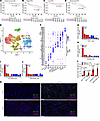 Figure 1
Dual IR and antiandrogen therapy activates the immune response and predicts better outcomes for patients with prostate cancer. (A–D) Patients’ OS (HR, 0.44 [95% CI: 0.18–1.1]) (A), distant PFS (HR, 0.60 [95% CI: 0.34–1.04]) (B), local PFS (HR, 0.54 [95% CI: 0.2–1.45]) (C), and biochemical PFS (HR, 0.67 [95% CI: 0.36–1.23]) (D) were analyzed using the data on 84 patients from the Mayo Clinic who had undergone radiotherapy. Significance in A–D determined by log-rank test.(E and F) scRNA-Seq analysis of PBMCs from 10 patients at D0 and D14 after treatment. (E) Uniform manifold approximation and projection (UMAP) plot of the cell populations. (F) Dot plot showing the expression of canonical markers of each cell type. (G–J) Cell ratios of CD8+ T cells (G), DCs (H), CD16+ monocytes (I), and NK cells (J) in samples from patients with prostate cancer. (K and L) mIHC analysis of immune cells infiltrated into prostate cancer patient tissues before and after a 3-month treatment with ADT/IR (K), with quantitative analysis (L). Scale bars: 100 μm. Data are displayed as the mean ± SEM in L. Significance in L was determined by 2-tailed t test.
To better understand the interplay of IR and ARPI in patients experiencing a good response to dual IR and ARPI therapy, we performed single-cell RNA-Seq (scRNA-Seq) analysis of PBMCs from 10 patients at days 0 and 14 (D0 and D14) of treatment, including from 5 patients with a poor response (short responders) and 5 with a good response (long responders) (Figure 1, E and F). In most patients who had a good response, we found that IR plus ARPI treatment was associated with an increase in the number of mononuclear cells, especially CD8+ T cells (Figure 1, G–J). We also examined the level of infiltrated mononuclear cells in samples from a cohort of patients with treatment-naive disease versus those treated with androgen deprivation therapy (ADT) and IR for locally advanced prostate cancer. We demonstrated that ADT plus IR treatment substantially increased infiltration of CD4+ and CD8+ DCs and NK cells in patients’ samples (Figure 1, K and L). Together, these findings indicate that AR pathway inhibition in combination with IR treatment increased CD8+ T cells in PBMCs from patients with CRPC and T cell infiltration in prostate cancer patient specimens.
Prostate cancers are often studied in mouse models lacking a functional immune system. To better define the molecular mechanisms that link the contribution of radiotherapy and ARPIs to both systemic immunity and tumor immune microenvironment enrichment, we examined the effects of IR or ARPI alone or in combination in the Myc-CaP syngeneic murine prostate cancer model (Supplemental Figure 1, A–D; supplemental material available online with this article; https://doi.org/10.1172/JCI190928DS1). Given that anticancer T cells were elevated in the peripheral blood in patients who were better responders (Figure 1G), we also determined whether dual ARPI and radiation treatment could trigger the abscopal effect on tumor growth in mice by including a group of tumors without direct IR (right group, Supplemental Figure 1A). In the group of tumors treated directly with IR or in combination with the anti-androgen enzalutamide (ENZ) (left group, Supplemental Figure 1A), we found that while either IR or ENZ treatment alone reduced tumor growth, the inhibition was much more robust in the combination treatment group (Supplemental Figure 1, A–D). We next examined whether CD4+ and CD8+ T cells were similarly elevated in the peripheral blood of mice treated with IR and ENZ (IR/ENZ). IR or ENZ treatment alone increased CD45+CD4+ lymphocytes in PBMCs of mice, but combined IR plus ENZ largely increased CD45+CD4+ lymphocytes in mouse PBMCs (Supplemental Figure 1E). Similar results were obtained for CD45+CD8+ lymphocytes in mice with tumors treated with IR or ENZ alone or in combination (Supplemental Figure 1F). The observations in the Myc-CaP mouse model recapitulate the findings in patients with prostate cancer.
Anticancer immune responses require T cell infiltration into the tumor microenvironment. Previous studies have shown that the prostate tumor microenvironment is inhospitable for tumor infiltrate and that this may be a key reason for ICI resistance in prostate cancer. We sought to determine whether immune cell infiltration could be improved by combined IR and ARPI therapy. We isolated grafted Myc-CaP tumors after 21 days of treatment, dissociated tissues, and measured the number of CD4+ and CD8+ T cells in each sample by flow cytometry. We found that infiltrating CD4+ and CD8+ T cells were rare at baseline but were increased in tumors from mice treated with ENZ alone or with IR alone. Notably, both cell types increased much more robustly with dual IR/ENZ treatment (Supplemental Figure 1, G and H).
In agreement with the increased CD8+ T cells in the peripheral blood of patients or mice with CRPC following tumors treated with ARPI plus IR (Figure 1G and Supplemental Figure 1F), we observed obvious abscopal effects of dual treatment on Myc-CaP tumor growth in the mice (Supplemental Figure 1, A–D). Notably, dual treatment also significantly increased both CD45+CD4+ and CD45+CD8+ lymphocyte numbers in tumors without direct IR treatment (Supplemental Figure 1, G and H). Thus, dual radiation and antiandrogen induced abscopal immune activation and anticancer activity in mice, consistent with our observations in patients.
Dual radiation and antiandrogen treatment activates innate immune signaling in prostate cancer cells. The development of anticancer immunity requires multiple steps, including intrinsic cancer cell signaling, innate immune surveillance, and adaptive immune expansion and activity. We postulated that combined AR suppression and radiation may lead to increased intrinsic cancer cell signaling changes. To determine the effect of combined ARPI and IR on prostate cancer cells, we treated C4-2 prostate cancer cells with vehicle, IR alone, ENZ alone, or combined IR and ENZ and performed RNA-Seq analysis on isolated cells. Among the genes largely upregulated uniquely by IR/ENZ (Figure 2A), we performed Gene Ontology (GO) analysis and found that the combination of IR and ENZ led to significantly increased intrinsic immune signaling relating to PAMP engagement and IFN signaling (Figure 2B). There was a substantial overlap of identified innate immunity–related genes and transcripts upregulated by combined ENZ/IR treatment, including the key type I IFN signaling genes ISG15 (interferon-stimulated Gene 15) and IFN-induced protein with tetratricopeptide repeats 1 (IFIT1) (Figure 2, C–F). Next, we validated the elevation of these transcripts by reverse transcription quantitative PCR (RT-qPCR) (Figure 2, G and H). We further recapitulated these findings in the Myc-CaP murine prostate cancer model with RNA-Seq (Supplemental Figure 2, A–H). Thus, dual treatment of ENZ and IR induced an innate immune response in both human and mouse prostate cancer cells.
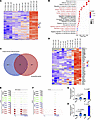 Figure 2
Dual IR and antiandrogen therapy activates prostate cancer innate immune signaling. (A) Heatmap showing upregulated genes in C4-2 cells treated with IR (6 Gy), ENZ (10 μM, 48 hours), or a combination of both. (B) Bubble plots of the top GO terms of biological processes using the upregulated genes shown in A. (C) Venn diagram showing the overlap of innate immune genes with upregulated genes by long-term ENZ treatment and radiotherapy in C4-2 cells. (D) Heatmap showing the overlapped genes shown in C. (E and F) UCSC Genome Browser screenshot of RNA-Seq tracks for ISG15 (E) and IFIT1 (F) from C4-2 cells treated with IR (6 Gy), ENZ (10 μM, 48 hours), or their combination. (G and H) RT-qPCR analysis of ISG15 (G) and IFIT1 (H) in C4-2 cells treated with IR (6 Gy), ENZ (10 μM, 48 hours), or their combination. Data are displayed as the mean ± SD of triplicate experiments in G and H, and was determined by 1-way ANOVA with Tukey’s correction applied for multiple comparisons.
The AR blocks prostate cancer cell IFN signaling through suppression of IKKε. The above combination of IR/ENZ induced a significant systemic type I IFN response in both humans and mice. Further, IR/ENZ improved the infiltration of adaptive immune cells into the tumor microenvironment in our mouse model. In agreement with the fact that the AR is a major driver of prostate cancer and is the therapeutic target of ENZ, CIBERSORT analysis showed that AR expression levels negatively correlated with CD8+ T cell infiltration in The Cancer Genome Atlas (TCGA) prostate cancer samples (Figure 3A). We therefore sought to determine the mechanism by which AR signaling suppresses this intrinsic signaling to avoid engaging innate immunity. By analyzing the RNA-Seq data from both C4-2 and Myc-CaP cell lines treated with ENZ for an extensive period (~60 hours), we found that among the top 5 ENZ-regulated genes, IKBKE (mouse Ikbke) was the only gene whose expression was commonly upregulated by ENZ in both C4-2 and Myc-CaP cells (Figure 3, B and C). Of note, among these ENZ-responsive genes, only the expression of IKBKE was uniquely suppressed by acute treatment (24 hours) of dihydrotestosterone (DHT) in both C4-2 and Myc-CaP cell lines (Figure 3, D and E), suggesting that IKBKE could be a transcription repression target of the AR. Analysis of AR ChIP-Seq data showed that DHT treatment failed to induce AR binding at the top 5 ENZ-affected gene loci except for that of IKBKE (Supplemental Figure 3, A–E). We further confirmed that DHT induced AR binding at the IKBKE gene locus and that DHT suppressed, but ENZ increased, IKBKE mRNA expression in LNCaP cells (Supplemental Figure 3, F–J). We also examined the correlation between the expression of AR signature genes (AR score) and IKBKE expression levels in TCGA prostate cancer patient samples. We noticed a negative correlation between the AR score and IKBKE mRNA expression in these patient specimens (Figure 3F). RNA-Seq data and RT-qPCR analysis showed that ENZ treatment also largely increased IKBKE expression in C4-2 and Myc-CaP cell lines (Figure 3, G–J). Western blot analysis showed that IKKε protein levels increased with ENZ but were reduced with DHT in both C4-2 and Myc-CaP cells (Figure 3, K and L). To further interrogate AR-mediated IKKε suppression, we knocked down AR expression in LNCaP and C4-2 cells with AR shRNAs. AR depletion largely increased IKKε protein expression in both cell lines (Figure 3M). We also transfected AR– PC-3 and DU145 cells with the AR and found that ectopic AR expression substantially suppressed IKKε protein expression (Figure 3N). We further queried TCGA database for IKBKE expression in malignant and normal tissues. We calculated the ratio of IKBKE expression in each tumor compared with adjacent normal tissue and plotted the data by cancer type. IKBKE expression was elevated in the malignant cells versus normal control tissue among the 17 analyzed cancer types except prostate cancer. Specifically, IKBKE was significantly downregulated in prostate adenocarcinoma (PRAD) samples relative to normal prostate tissues (Figure 3, O and P). These data suggest that expression of IKKε, a key positive regulator of innate immunity, was suppressed by AR signaling in the human and murine prostate cancer cell lines and patient samples examined.
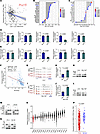 Figure 3
The AR negatively regulates prostate cancer cell IFN signaling via suppression of IKKε expression. (A) Scatter plots showing the negative correlation between CD8+ T cell infiltration and AR scores in prostate cancer specimens of the TCGA cohort. (B and C) Gene expression analysis of innate immune genes from C4-2 (B) and Myc-CaP (C) cells treated with ENZ (10 μM, 48 hours). (D and E) RT-qPCR analysis of the indicated genes from C4-2 (D) and Myc-CaP (E) cells cultured in CSS medium supplemented with or without DHT (10 nM, 24 hours). (F) Scatter plots showing the negative correlation between the AR score and IKBKE mRNA expression from TCGA prostate cancer samples. (G–J) UCSC Genome Browser screenshot of RNA-Seq tracks from C4-2 (G) and Myc-CaP (I) cells treated with vehicle or ENZ (10 μM, 48 hours). RT-qPCR analysis of IKBKE gene from C4-2 (H) and Myc-CaP (J) cells treated with vehicle or ENZ (10 μM, 48 hours). (K) Western blot analysis of IKKε protein levels in C4-2 and Myc-CaP cells treated with vehicle or ENZ (10 μM) for 48 hours. (L) Western blot analysis of IKKε protein levels in C4-2 and Myc-CaP cells cultured in CSS supplemented with vehicle or DHT (10 nM, 24 hours). (M) Western blot analysis of IKKε protein levels in C4-2 and LNCaP cells transfected with nonspecific RNA (shNT) or AR-specific shRNAs. (N) Western blot analysis of IKKε protein levels in PC-3 and DU145 cells transfected with empty vector or AR plasmids. (O) Box plots showing the relative expression of IKBKE across various tumor types from TCGA database. (P) Dot plots of IKBKE gene expression in tumors and normal tissues from TCGA prostate cancer samples. Data are displayed as the mean ± SD of triplicate experiments in D, E, H, and J and as the mean ± SEM in P. Significance in D, E, H, J, and P was determined by 2-tailed t test.
AR suppresses IKBKE transcription through cooperative action of an eRNA and HDAC2. We next sought to determine whether the AR suppresses IKBKE mRNA transcription or affects its stability in prostate cancer cells. We treated cells with the transcription inhibitor actinomycin D and measured IKBKE mRNA expression in the presence or absence of DHT. IKBKE transcription was reduced by DHT only in cells without actinomycin D treatment (Figure 4, A and B), indicating that the AR inhibits IKBKE mRNA expression at the transcriptional level. Analysis of AR, H3K4me1, and H3K27Ac (2 enhancer histone markers) ChIP-Seq data showed that DHT induced AR binding within a region of the IKBKE gene locus where extensive H3K4me1 and H3K27Ac enrichment was detected (Figure 4C), implying a putative enhancer region. A ChIP-qPCR assay confirmed that the AR bound at both the promoter and putative enhancer regions at the basal level, but DHT largely enhanced AR binding at the putative enhancer region (Figure 4D). We further performed a chromatin conformation capture (3C) assay, which demonstrated that DHT enhanced the approximation of the promoter and the putative enhancer at the IKBKE gene locus, but this effect was abolished by AR depletion (Figure 4E).
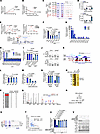 Figure 4
The AR cooperates with HDAC2 to suppress IKBKE transcription. (A) Nascent RNA synthesis of IKBKE mRNA from C4-2 cells. (B) Half-life analysis of IKBKE mRNA from C4-2 cells. (C) UCSC Genome Browser screen shot of IKBKE gene locus using AR, H3K27ac, and H3K4me1 ChIP-Seq data. (D) ChIP-qPCR analysis of AR occupancy at the IKBKE gene promoter and enhancer in C4-2 cells. (E) 3C-qPCR analysis of chromatin looping at the IKBKE gene locus. (F) RT-qPCR analysis of IKBKE mRNA in C4-2 cells treated with indicated drugs. (G) RT-qPCR analysis of HDAC mRNA in C4-2 cells. (H) RT-qPCR analysis of IKBKE mRNAs in C4-2 cells transfected with HDAC-specific shRNAs. (I) RT-qPCR analysis of IKBKE mRNA in LNCaP cells. (J) Co-IP analysis of the interaction between endogenous AR and HDAC2. (K) UCSC genome browser screenshot showing the expression of IKBKE-e in C4-2 cells. (L) RT-qPCR analysis of IKBKE-e expression in C4-2 cells. (M) RT-qPCR analysis of IKBKE-e expression in C4-2 cells treated with IKBKE-e–targeting ASOs. (N) RT-qPCR analysis of IKBKE mRNA expression in C4-2 cells treated with IKBKE-e–targeting ASOs in the presence or absence of DHT treatment. (O and P) Silver staining of proteins in C4-2 cell lysates pulled down by biotin-labeled IKBKE-e (O) and MS detection of HDAC family proteins pulled down by biotin-labeled IKBKE-e (P). (Q) Spectrum of a HDAC2 peptide identified by MS. (R) Western blot analysis of HDAC2 protein pulled down by a biotin-labeled sense or antisense sequence of IKBKE-e. (S) UCSC screenshot of AR and HDAC2 ChIP-Seq data in the IKBKE gene locus. (T) Analysis of the correlation between IKBKE and HDAC2 mRNA expression in TCGA. (U) RT-qPCR analysis of IKBKE mRNA expression in C4-2 cells treated with IKBKE-e–targeting ASOs or HDAC2 shRNA. (V) Western blot analysis of the indicated proteins in C4-2 cells infected with lentivirus expressing HDAC2-specific shRNA treated with or without DHT and/or IR (6 Gy). Data are displayed as the mean ± SD of triplicate experiments (A, B, D–I, L–N, and U). Significance was determined by 2-tailed t test (A, B, E, G, H, L, and M), 2-way ANOVA with Tukey’s correction for multiple comparisons (D, N, and U), and 1-way ANOVA with Dunnett’s correction for multiple comparisons (F and I).
To determine how the AR, generally acting as a transcription activator upon activation by androgens, can transcriptionally repress IKBKE gene expression, we treated cells with inhibitors of commonly recognized transcription repressors including G9a (CM172), EZH2 (GSK126), sirtuin (nicotinamide [NAM]), and HDAC (TSA). We found that the HDAC inhibitor TSA, but not the other inhibitors examined, reversed DHT-induced repression of IKBKE expression (Figure 4F), suggesting the involvement of HDAC proteins in the repression. We subsequently knocked down all 11 members of the HDAC family individually by shRNAs and found that only HDAC2 knockdown abolished androgenic inhibition of IKBKE expression in C4-2 cells (Figure 4, G and H). HDAC2 knockdown also abolished DHT repression of IKBKE in LNCaP cells, a different AR prostate cancer cell line (Figure 4I). Next, we sought to determine whether the AR interacts with HDAC2 by performing a reciprocal co-IP assay. We pretreated cell lysates with ethidium bromide prior to the co-IP assay to minimize DNA-mediated indirect interaction of chromatin-associated proteins. Co-IP assays showed that there was no interaction between endogenous AR and HDAC2 in C4-2 or LNCaP cell lines (Figure 4J). This result is not entirely surprising, considering that the AR generally associates with transcription coactivators and acts as a transcription activator.
To further explore the underlying mechanism of IKBKE repression, considering that AR-mediated transcription repression often occurs in a gene-specific manner, we postulated that elements in the IKBKE gene locus might be crucial. To this end, we analyzed RNA-Seq data in C4-2 cells and noticed that an approximately 450 bp RNA was expressed in the putative AR-bound IKBKE gene enhancer, which we termed IKBKE-eRNA (or IKBKE-e) (Figure 4, C and K). Intriguingly, IKBKE-e expression remained unaltered upon treatment with either DHT or antiandrogen ENZ (Figure 4, K and L). To investigate the functional role of IKBKE-e, we identified 2 potent IKBKE-e–targeting antisense oligonucleotides (ASOs) (Figure 4M). We demonstrated that IKBKE-e ASO treatment largely abolished DHT-induced repression of IKBKE mRNA (Figure 4N). These findings suggest that IKBKE-e may play an imperative role in mediating DHT inhibition of IKBKE transcription.
To further explore the mechanism, we performed an RNA-pulldown assay using biotin-labeled IKBKE-e followed by mass spectrometry (MS). We demonstrated that among the proteins detected by MS, HDAC2 was the only member of the HDAC family that was pulled down by IKBKE-e (Figure 4, O–R). Meta-analysis of ChIP-Seq data revealed that HDAC2 occupation was also detected in the AR-bound IKBKE gene enhancer (Figure 4, C and S), although it appeared that HDAC2 was less likely to be involved in the androgen-induced chromatin looping in this locus (Supplemental Figure 3, K and L). ChIP-qPCR analysis showed that HDAC2 binding at the IKBKE locus was largely diminished by depletion of IKBKE-e eRNA (Supplemental Figure 3M). Meta-analysis of prostate cancer TCGA database revealed a negative correlation between HDAC2 and IKBKE mRNA expression (Figure 4T). IKBKE-e depletion by specific ASOs, HDAC2 shRNAs, or a combination of these abolished DHT repression of IKBKE expression (Figure 4U), implying that IKBKE repression caused by IKBKE-e– or HDAC2 could be mediated through the same pathway. Importantly, depletion of HDAC2 also abolished AR-mediated inhibition of IKBKE expression and phosphorylation of IRF3, a downstream phosphorylation target of IKKε in the presence of radiation (Figure 4V). These data indicate that expression of both IKBKE-e and HDAC2 are important for AR-mediated repression of IKBKE mRNA in prostate cancer cells.
AR-targeted therapy restores IKKε expression and enables IFN signaling in prostate cancer cells. We next examined whether clinically viable antiandrogen treatments may help induce intrinsic IFN signaling in prostate cancer cells. We treated C4-2, LNCaP, and Myc-CaP prostate cancer cell lines with ENZ and/or IR and measured IRF3 phosphorylation. IRF3 phosphorylation was increased minimally by ENZ or IR alone, but was substantially increased by the combination in these cell lines (Figure 5A). To further characterize the feed-forward process of IFN signaling, we measured STAT1 and STAT2 (STAT1/STAT2) phosphorylation by Western blotting. As expected, IR/ENZ markedly increased STAT1/STAT2 phosphorylation, confirming that IFN signaling was significantly increased by combined IR/ENZ (Figure 5A). We also examined the effect of androgen deprivation on IFN signaling in prostate cancer cells. We grew these cell lines with media containing charcoal-stripped bovine serum (CSS) for 3 days followed by DHT treatment and/or radiation (6 Gy). We demonstrated that DHT substantially diminished IR-induced phosphorylation of IRF3, STAT1, and STAT2 proteins (Figure 5B). These findings suggest that androgen signaling is an essential suppressor of intrinsic innate immunity in prostate cancer cells in response to radiation.
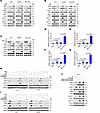 Figure 5
Restored IKKε expression by AR-targeted therapy enables IFN signaling in IR cotreated prostate cancer cells. (A) Western blot analysis of the indicated proteins in C4-2, LNCaP, and Myc-CaP cells treated with vehicle or ENZ (10 μM, 48 hours) and then treated with or without IR (6 Gy). (B) Western blot analysis of the indicated proteins in C4-2, LNCaP, and Myc-CaP cells treated with CSS medium for 3 days and supplemented with vehicle or DHT (10 nM, 24 hours), and then treated with or without IR (6 Gy). (C) Western blot analysis of the indicated proteins in C4-2, LNCaP, and Myc-CaP cells treated with or without ARV110 (5 μM, 24 hours) followed by IR (6 Gy). (D–G) RT-qPCR analysis of ISG15 and IFIT1 mRNA expression in C4-2 (D and E) and Myc-CaP (F and G) cells treated with or without ARV110 (5 μM) and followed with or without IR (6 Gy). (H) Western blot analysis of the indicated proteins in C4-2 and LNCaP cells transfected with shNT or shIKBKE, then treated with or without ENZ (10 μM) and followed with or without IR (6 Gy). (I) Western blot analysis of the indicated proteins from C4-2 and LNCaP cells transfected with shNT or shIKBKE cultured in CSS medium supplemented with DHT (10 nM, 24 hours) and/or IR (6 Gy). (J) Western blot analysis of the indicated proteins from C4-2 cells transfected with a nonspecific (NS) control ASO or IKBKE-e–specific ASOs followed with or without IR (6 Gy). Data are displayed as the mean ± SD of triplicate experiments (D–G). Significance was determined by 1-way ANOVA, and Tukey’s correction was applied for multiple comparisons (D–G).
AR degraders such as ARV-110 are emerging as an effective ARPI for research use and clinical testing (35, 36). We treated C4-2, LNCaP, and Myc-CaP cell lines with IR and/or ARV-110 and measured the activation of PAMP mediators including IKKε and IRF3. ARV-110 upregulated IKKε expression and combined IR/ARV-110 largely increased IKKε and IRF3 protein phosphorylation (Figure 5C). ARV-110 plus IR enhanced mRNA expression of IFN signaling genes such as ISG15 and IFIT1 in both C4-2 and Myc-CaP cell lines (Figure 5, D–G). Furthermore, we showed that knockdown of IKBKE by 2 independent shRNAs diminished IKKε and IRF3 phosphorylation induced by IR alone or in combination with ENZ in C4-2 and LNCaP cells cultured in regular (androgen-containing) medium (Figure 5H). In contrast, DHT treatment decreased IKKε and IRF3 protein phosphorylation induced by IR in C4-2 and LNCaP cells cultured in androgen-depleted medium, but such difference was abolished in IKBKE-knockdown cells (Figure 5I). We also depleted IKBKE-e using specific ASOs and demonstrated that IKBKE-e depletion augmented IKKε and IRF3 phosphorylation in a manner similar to AR inhibition by ENZ (Figure 5J). Collectively, these data indicate that restored expression of IKKε is important for ARPI/IR dual-treatment–induced activation of IFN signaling and an innate immune response in prostate cancer cells.
The importance of the dsRNA recognition proteins RIG-I and MDA5 in ENZ/IR-induced activation of the innate immune response. To determine the upstream regulators of the IKKε/IRF3 signaling in androgen-responsive cells, we first examined the expression of STING1 mRNA, which encodes STING protein, a key mediator of the dsDNA-induced innate immune response. Analysis of RNA-Seq data showed that STING1 mRNA expression was lower or minimally detectable in AR+ C4-2 and LNCaP cell lines compared with expression in the AR– cell line PC-3 (Figure 6A). STING1 mRNA expression was unchanged in LNCaP cells or even downregulated in C4-2 cells following ENZ treatment (Supplemental Figure 3N). In contrast, mRNA expression of RIGI and IFIH1, which encode the dsRNA sensor proteins RIG-I and MDA5, respectively, was largely upregulated 6 hours (short-term) after ENZ/IR treatment (Figure 6, B and C), consistent with the activation of the innate immune response under the same treatment conditions (Figure 5A). The findings prompted us to hypothesize that the innate immune activation caused by dual therapy is likely mediated by the dsRNA-sensing pathway. In support of this notion, dsRNAs were detected in C4-2, LNCaP, and Myc-CaP cell lines upon IR treatment, regardless of ENZ exposure (Figure 6D and Supplemental Figure 4, A and B). We also performed similar experiments using poly(I:C) to engage PAMPs. We showed that ENZ enhanced, but DHT diminished, poly(I:C)-induced phosphorylation of IKKε, IRF3, STAT1, and STAT2 in C4-2, LNCaP, and Myc-CaP cell lines (Supplemental Figure 4, C and D). Although no obvious increase in RIG-I and MDA5 expression at the protein level under treatment with IR/ENZ for a short period of time (6 hours) (Figure 6, E and F), which was different from the effect of longer treatment durations (48 hours) on the expression of these mRNAs (Figure 6, B and C), we found that knockdown of either RIG-I or MDA5 abolished IR/ENZ-induced phosphorylation of IKKε and IRF3 proteins and mRNA expression of innate immune response genes (Figure 6, E–J). These findings highlight the importance of the dsRNA sensor proteins RIG-I and MDA5 in ENZ/IR-induced activation of the innate immune response.
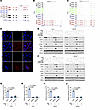 Figure 6
IR and antiandrogen dual treatment activates IFN signaling via RIG-I and MDA5. (A) UCSC Genome Browser screenshot of the STING1 gene using RNA-Seq data from C4-2, LNCaP, and PC-3 cells. (B and C) UCSC Genome Browser screenshot of RIGI (B) and IFIH1 (C) using RNA-Seq data from C4-2 cells treated with ENZ (10 μM, 48 hours), IR, or their combination. (D) IF analysis of dsRNA production using J2 antibody in C4-2 cells treated with ENZ (10 μM, 48 hours), IR, or their combination. Original magnification, ×40. (E and F) Western blot analysis of the indicated proteins in C4-2 and LNCaP cells infected with lentivirus for shNT (nontargeting) or shRIGI (E) or shMDA5 (F) treated with or without IR (6 Gy) and/or ENZ (10 μM) for 48 hours. (G–J) RT-qPCR analysis of IFIT1 and ISG15 mRNA expression in C4-2 and LNCaP cells transfected with the indicated shRNAs and treated with ENZ or IR. Data are displayed as the mean ± SD of triplicate experiments (G–J). Significance was determined by 1-way ANOVA, and Dunnett’s correction was applied for multiple comparisons (G–J).
Dual radiation and antiandrogen sensitize prostate cancer cells to ICI treatment in mice. We have observed that ARPI and IR combination induced innate immune signaling, increased anticancer T cell infiltration, and conferred long-term survival in metastatic CRPC. This dual treatment appears to operate through increased IKKε availability and phosphorylation in prostate cancer cells. As noted above, ICI treatment alone was performed poorly in CRPC. Next, we sought to determine whether cotreatment of radiation and antiandrogen sensitizes prostate cancer cells to ICI therapy in mice. As expected, ENZ/IR combination resulted in much greater inhibition of Myc-CaP tumor growth compared with ENZ or IR treatment alone and, importantly, cotreatment of anti–PD-1 antibody with ENZ and IR further decreased tumor growth, although anti–PD-1 antibody alone had little or no effect on tumor growth (Figure 7, A–D). Compared with ENZ/IR, trio treatment with IKBKE-ε ASO/IR/anti–PD-1 antibody not only caused further elevation of CD4+ and CD8+ T cells including memory T cells (CD4+CD45RO+ and CD8+CD45RO+) in PBMCs of mice, but also induced much higher-level infiltration of CD4+ and CD8+ T cells in tumors (Figure 7, E–H, and Supplemental Figure 5, A–F). This result is consistent with the findings from T cell transplant assays and CD4+ and CD8+ T cell depletion studies (Supplemental Figures 6 and 7). In agreement with the effects seen in C4-2 and LNCaP cells in vitro (Figure 6, E–J), we found that knockdown of RIG-I or MDA5 largely diminished ENZ/IR treatment–induced inhibition of Myc-CaP murine tumors in immunocompetent mice (Supplemental Figure 8). As treatment of IKBKE-e ASOs largely enhanced the IR-induced innate immune response in cultured cells (Figure 5J), we next sought to determine whether IKBKE-e ASO in combination with IR induces an innate immunity response in mice that could be harnessed to overcome ICI resistance in murine prostate tumors. Once the Myc-CaP tumors were established in recipient mice, we treated the mice with IR, IKBKE-e ASO, and/or PD-1–inhibitory antibody. As expected, treatment with anti–PD-1 antibody, IR, or IKBKE-e ASO alone did not result in a substantial reduction in tumor growth, recapitulating the failure of immunotherapy, IR, or ARPI alone in CRPC observed in multiple clinical trials. However, trio treatment with IKBKE-e ASO/IR/PD-1 antibody led to a much greater reduction in tumor size (Figure 7, I–L). We also measured CD4+ and CD8+ lymphocytes in PBMCs and tumors in this model. IKBKE-e ASO/IR/PD-1 antibody treatment significantly increased the immune response in PBMCs and the tumor microenvironment (Figure 7, M–P). Together, these data suggest that restoring IKBKE expression by ARPI or IKBKE-e ASO treatment in combination with IR could unlock a population of T cells that can be mobilized to enhance immunotherapy.
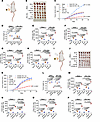 Figure 7
IR and antiandrogen dual treatment sensitizes prostate cancer cells to ICI therapy. (A) Illustration of the mouse treatment. Myc-CaP cells were injected s.c. into the right flank of mice. After 7 days, tumors were treated with or without IR (6 Gy), ENZ (10 mg/kg), and/or InVivoMAb anti–mouse PD-1 antibody (10 mg/kg). (B–D) Tumors from mice in each group at day 21 were harvested and photographed (B). Tumor growth was measured every other day for 21 days. Tumor volumes at each time point were measured (C), and dot plots show tumor weights for mice in each group at day 21 (D). (E–H) CD4+ and CD8+ T cells in PBMCs (E and F) and tumors (G and H) were analyzed by FACS. (I) Illustration of the mouse treatment. C4-2 cells were injected s.c. into the right flank of BRGSF-HIS mice. After 7 days, tumors were treated with or without IR and IKBKE-eRNA ASO (10 mg/kg). (J–L) Tumor growth was measured every other day for 21 days. Tumor growth over the 21-day period (K). Tumors in each group at day 21 were harvested and photographed (J), and tumor weights were measured (L). (M and N) CD45+CD4+ (M) and CD45+CD8+ (N) lymphocytes in PBMCs of mice treated as indicated were analyzed by FACS. (O and P) Tumor tissues from mice treated as indicated were digested, and infiltrated CD45+CD4+ (O) and CD45+CD8+ (P) lymphocytes were analyzed by FACS. Data are displayed as the mean ± SD (n = 5) (C–H and K–P). Significance was determined by 2-way ANOVA (C–H and K–P).
-
Discussion
Despite the fact that immune monotherapy has been an effective treatment in many cancer types, prostate cancer remains as an immunologically “cold” cancer (37). Cancer cell–targeting plus immune therapies are emerging as a viable therapeutic strategy for various cancers, but ARPI in combination with ICI is also ineffective in prostate cancer, at least in castration-resistant settings (12, 38). Our findings demonstrate that the combination of IR and ARPI resulted in enhanced immune activation and increased tumor-reactive T cell responses in prostate cancer cells in patients and mice. We also show that ARPI/IR combination further enhanced anticancer efficacy of ICI in a mouse model. Our study provides molecular insights into the interplay between radiation, AR signaling, and immune responses, highlighting the potential for combination therapies to elicit robust antitumor immune responses in metastatic CRPC.
It has been shown previously that primary prostate cancers that are not treated with hormones have limited numbers of infiltrated immune cells (39, 40). However, the propensity of immune tolerance in prostate cancer cannot be simply explained by the previous findings that the AR influences innate and adaptive immune systems by systematically suppressing neutrophil function and T and B cell development, as demonstrated in mice, and that AR activity in T cells limits ICI efficacy in patients with metastatic CRPC (9, 11). In contrast to these reports, we identify a previously uncharacterized activity of the AR that suppressed anticancer immunity by limiting the innate immune response in prostate cancer cells. Our analysis of scRNA-Seq data in PBMCs of patients with tumors treated with radiation revealed that good responders had a greater number of cytotoxic CD8+ T cells. These data imply that radiation of tumors could trigger activation of anticancer immunity in patients. This could be due to the death of tumor cells or the release of certain factors such as cytokines from irradiated tumor cells, thereby resulting in the systematic activation of the immune system in blood. Similar mechanisms could also occur in mice, providing a plausible explanation for the T cell infiltration in the contralateral tumors without IR treatment.
Mechanistically, our study revealed that the key innate immune-regulatory gene IKBKE was uniquely downregulated in cancer cells compared with normal cells in primary prostate cancers of patients in TCGA, but not in the 16 other cancer types examined, implying that the IKKε-mediated innate immune response, including IFN signaling and expression of antigen presentation machinery genes, was compromised in hormone-naive prostate cancer. Importantly, we show that androgen-mediated repression of IKBKE was reversible and that IKBKE expression could be derepressed following ARPI treatment, including ENZ or AR degraders. Thus, restored expression of IKKε in hormone-responsive prostate cancer cells provides a plausible explanation, at least in part, for the previous observations that androgen deprivation therapy induces immunogenic changes in the tumor microenvironment of hormone-sensitive prostate cancers, including decreased tolerance and clonal expansion of effector T cells and stimulation of the antigen-specific adaptive immune response among others (41–44). On the basis of our findings, we envision that the strategy of radiation plus AR signaling inhibition (leading to IKKE upregulation) could be effective in treatment-naive metastatic prostate cancer and that radiation in combination with an AR degrader could be one of the viable options. Similarly, IR could also be sufficient to induce a robust immune response via IRF3 phosphorylation downstream of dsRNA recognized by RIG-I/MDA5 in AR– cancers in which IKKε is readily expressed.
It is well documented that the androgen-activated AR causes both up- and downregulation of target genes (8, 45–47). AR-induced gene expression can be explained by its interaction with transcription coactivators such as CBP and p300 and its role in facilitating the chromatin looping between the gene promoter and enhancer(s) through its binding at both regions (48, 49). However, the molecular mechanism underlying AR-mediated gene repression remains far from elucidated, given that the selective downregulation of a subset of genes in the genome caused by the AR cannot be simply explained by its binding of transcriptional corepressors with a general role in gene repression. In support of this notion, we provide evidence that the AR has no interaction with the transcription corepressor protein HDAC2. In contrast, we show that upon activation by androgens, AR promoted the chromatin looping between the HDAC2-bound enhancer and the promoter of the IKBKE gene. Given these observations, we envisage a hypothetical model of AR-mediated repression of IKBKE transcription (Figure 8) in which androgen stimulation activates the AR, which in turn results in chromatin looping between the promoter and the HDAC2-bound enhancer at loci of target genes such as IKBKE, thereby causing the transcriptional repression of IKBKE and suppression of innate immunity (Figure 8). Upon antiandrogen treatment, chromatin looping–mediated gene repression is abolished, leading to IKBKE derepression and innate immune activation (Figure 8). Our findings not only provide a plausible explanation for how the transcriptionally active AR mediates repression of its target genes such as IKBKE, but also reveal a potential general mechanism that could be applicable to the gene repression mediated by other transcription activators (Figure 8).
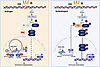 Figure 8
A hypothetical model. Left: Radiation treatment of prostate cancer cells induces the production of dsRNAs. In androgen-stimulated prostate cancer cells (low or no STING1 expression), the androgen-activated AR promotes the repression of IKBKE mRNA by inducing chromatin looping between a putative enhancer bound by IKBKE-eRNA–tethered HDAC2 and the promoter of the IKBKE gene, resulting in the transcriptional repression of IKBKE mRNA and downregulation of IKKε protein, a key effector protein mediating dsRNA-induced IRF3 phosphorylation and the innate immune response. Right: Upon treatment of antiandrogens such as ENZ, AR-mediated transcriptional repression of IKBKE is reversed by the interruption of AR-mediated chromatin looping between the IKBKE gene promoter and enhancer, permitting radiation-generated dsRNA to activate intrinsic innate immune signaling in prostate cancer cells. DSB, double-stranded DNA break; MAVS, mitochondrial antiviral-signaling protein.
Collectively, the findings from this study shed light on the potential of the combination of ARPI and radiation therapy to improve the anticancer efficacy of immunotherapy in prostate cancer. We not only reveal an intrinsic role of the, AR in suppressing innate immunity in malignant epithelial cells of the prostate, but mechanistically, we also identify IKBKE eRNA and HDAC2 as 2 key effectors in mediating the immunosuppressive activity of the AR in prostate cancer. Our observations suggest that rejuvenating IKKε signaling via targeting of IKBKE eRNA in combination with radiation could be an effective means to trigger anticancer immunity in immunologically “cold” cancers such as prostate cancer. Further studies are needed to validate these findings and explore their translation to clinical practice.


Copyright © 2026 American Society for Clinical Investigation
ISSN: 0021-9738 (print), 1558-8238 (online)