
Advertisement
Research ArticleCardiology
Open Access |  10.1172/JCI190252
A positive allosteric modulator of the β1AR with antagonist activity for catecholaminergic polymorphic ventricular tachycardia
Alyssa Grogan,1 Robin M. Perelli,2,3 Seungkirl Ahn,1 Haoran Jiang,1 Arun Jyothidasan,1 Damini Sood,1 Chongzhao You,1 David I. Israel,4 Alex Shaginian,4 Qiuxia Chen,4 Jian Liu,4 Jialu Wang,1 Jan Steyaert,5,6 Alem W. Kahsai,1 Andrew P. Landstrom,2,3 Robert J. Lefkowitz,1,7,8 and Howard A. Rockman1,2
1Department of Medicine and
2Department of Cell Biology, Duke University Medical Center, Durham, North Carolina, USA.
3Division of Cardiology, Department of Pediatrics, Duke University School of Medicine, Durham, North Carolina, USA.
4HitGen Inc., Chengdu, China.
5VIB-VUB Center for Structural Biology, Brussels, Belgium.
6Structural Biology Brussels, Vrije Universiteit Brussels, Brussels, Belgium.
7Department of Biochemistry and
8Howard Hughes Medical Institute, Duke University Medical Center, Durham, North Carolina, USA.
Address correspondence to: Howard A. Rockman, Department of Medicine, Duke University Medical Center, DUMC 3104, 226 CARL Building, Durham, North Carolina 27710, USA. Email: h.rockman@duke.edu.
Authorship note: RMP and SA contributed equally to this work.
Find articles by Grogan, A. in: PubMed | Google Scholar
1Department of Medicine and
2Department of Cell Biology, Duke University Medical Center, Durham, North Carolina, USA.
3Division of Cardiology, Department of Pediatrics, Duke University School of Medicine, Durham, North Carolina, USA.
4HitGen Inc., Chengdu, China.
5VIB-VUB Center for Structural Biology, Brussels, Belgium.
6Structural Biology Brussels, Vrije Universiteit Brussels, Brussels, Belgium.
7Department of Biochemistry and
8Howard Hughes Medical Institute, Duke University Medical Center, Durham, North Carolina, USA.
Address correspondence to: Howard A. Rockman, Department of Medicine, Duke University Medical Center, DUMC 3104, 226 CARL Building, Durham, North Carolina 27710, USA. Email: h.rockman@duke.edu.
Authorship note: RMP and SA contributed equally to this work.
Find articles by Perelli, R. in: PubMed | Google Scholar
1Department of Medicine and
2Department of Cell Biology, Duke University Medical Center, Durham, North Carolina, USA.
3Division of Cardiology, Department of Pediatrics, Duke University School of Medicine, Durham, North Carolina, USA.
4HitGen Inc., Chengdu, China.
5VIB-VUB Center for Structural Biology, Brussels, Belgium.
6Structural Biology Brussels, Vrije Universiteit Brussels, Brussels, Belgium.
7Department of Biochemistry and
8Howard Hughes Medical Institute, Duke University Medical Center, Durham, North Carolina, USA.
Address correspondence to: Howard A. Rockman, Department of Medicine, Duke University Medical Center, DUMC 3104, 226 CARL Building, Durham, North Carolina 27710, USA. Email: h.rockman@duke.edu.
Authorship note: RMP and SA contributed equally to this work.
Find articles by
Ahn, S.
in:
PubMed
|
Google Scholar
|

1Department of Medicine and
2Department of Cell Biology, Duke University Medical Center, Durham, North Carolina, USA.
3Division of Cardiology, Department of Pediatrics, Duke University School of Medicine, Durham, North Carolina, USA.
4HitGen Inc., Chengdu, China.
5VIB-VUB Center for Structural Biology, Brussels, Belgium.
6Structural Biology Brussels, Vrije Universiteit Brussels, Brussels, Belgium.
7Department of Biochemistry and
8Howard Hughes Medical Institute, Duke University Medical Center, Durham, North Carolina, USA.
Address correspondence to: Howard A. Rockman, Department of Medicine, Duke University Medical Center, DUMC 3104, 226 CARL Building, Durham, North Carolina 27710, USA. Email: h.rockman@duke.edu.
Authorship note: RMP and SA contributed equally to this work.
Find articles by Jiang, H. in: PubMed | Google Scholar
1Department of Medicine and
2Department of Cell Biology, Duke University Medical Center, Durham, North Carolina, USA.
3Division of Cardiology, Department of Pediatrics, Duke University School of Medicine, Durham, North Carolina, USA.
4HitGen Inc., Chengdu, China.
5VIB-VUB Center for Structural Biology, Brussels, Belgium.
6Structural Biology Brussels, Vrije Universiteit Brussels, Brussels, Belgium.
7Department of Biochemistry and
8Howard Hughes Medical Institute, Duke University Medical Center, Durham, North Carolina, USA.
Address correspondence to: Howard A. Rockman, Department of Medicine, Duke University Medical Center, DUMC 3104, 226 CARL Building, Durham, North Carolina 27710, USA. Email: h.rockman@duke.edu.
Authorship note: RMP and SA contributed equally to this work.
Find articles by Jyothidasan, A. in: PubMed | Google Scholar
1Department of Medicine and
2Department of Cell Biology, Duke University Medical Center, Durham, North Carolina, USA.
3Division of Cardiology, Department of Pediatrics, Duke University School of Medicine, Durham, North Carolina, USA.
4HitGen Inc., Chengdu, China.
5VIB-VUB Center for Structural Biology, Brussels, Belgium.
6Structural Biology Brussels, Vrije Universiteit Brussels, Brussels, Belgium.
7Department of Biochemistry and
8Howard Hughes Medical Institute, Duke University Medical Center, Durham, North Carolina, USA.
Address correspondence to: Howard A. Rockman, Department of Medicine, Duke University Medical Center, DUMC 3104, 226 CARL Building, Durham, North Carolina 27710, USA. Email: h.rockman@duke.edu.
Authorship note: RMP and SA contributed equally to this work.
Find articles by Sood, D. in: PubMed | Google Scholar
1Department of Medicine and
2Department of Cell Biology, Duke University Medical Center, Durham, North Carolina, USA.
3Division of Cardiology, Department of Pediatrics, Duke University School of Medicine, Durham, North Carolina, USA.
4HitGen Inc., Chengdu, China.
5VIB-VUB Center for Structural Biology, Brussels, Belgium.
6Structural Biology Brussels, Vrije Universiteit Brussels, Brussels, Belgium.
7Department of Biochemistry and
8Howard Hughes Medical Institute, Duke University Medical Center, Durham, North Carolina, USA.
Address correspondence to: Howard A. Rockman, Department of Medicine, Duke University Medical Center, DUMC 3104, 226 CARL Building, Durham, North Carolina 27710, USA. Email: h.rockman@duke.edu.
Authorship note: RMP and SA contributed equally to this work.
Find articles by You, C. in: PubMed | Google Scholar
1Department of Medicine and
2Department of Cell Biology, Duke University Medical Center, Durham, North Carolina, USA.
3Division of Cardiology, Department of Pediatrics, Duke University School of Medicine, Durham, North Carolina, USA.
4HitGen Inc., Chengdu, China.
5VIB-VUB Center for Structural Biology, Brussels, Belgium.
6Structural Biology Brussels, Vrije Universiteit Brussels, Brussels, Belgium.
7Department of Biochemistry and
8Howard Hughes Medical Institute, Duke University Medical Center, Durham, North Carolina, USA.
Address correspondence to: Howard A. Rockman, Department of Medicine, Duke University Medical Center, DUMC 3104, 226 CARL Building, Durham, North Carolina 27710, USA. Email: h.rockman@duke.edu.
Authorship note: RMP and SA contributed equally to this work.
Find articles by Israel, D. in: PubMed | Google Scholar
1Department of Medicine and
2Department of Cell Biology, Duke University Medical Center, Durham, North Carolina, USA.
3Division of Cardiology, Department of Pediatrics, Duke University School of Medicine, Durham, North Carolina, USA.
4HitGen Inc., Chengdu, China.
5VIB-VUB Center for Structural Biology, Brussels, Belgium.
6Structural Biology Brussels, Vrije Universiteit Brussels, Brussels, Belgium.
7Department of Biochemistry and
8Howard Hughes Medical Institute, Duke University Medical Center, Durham, North Carolina, USA.
Address correspondence to: Howard A. Rockman, Department of Medicine, Duke University Medical Center, DUMC 3104, 226 CARL Building, Durham, North Carolina 27710, USA. Email: h.rockman@duke.edu.
Authorship note: RMP and SA contributed equally to this work.
Find articles by Shaginian, A. in: PubMed | Google Scholar
1Department of Medicine and
2Department of Cell Biology, Duke University Medical Center, Durham, North Carolina, USA.
3Division of Cardiology, Department of Pediatrics, Duke University School of Medicine, Durham, North Carolina, USA.
4HitGen Inc., Chengdu, China.
5VIB-VUB Center for Structural Biology, Brussels, Belgium.
6Structural Biology Brussels, Vrije Universiteit Brussels, Brussels, Belgium.
7Department of Biochemistry and
8Howard Hughes Medical Institute, Duke University Medical Center, Durham, North Carolina, USA.
Address correspondence to: Howard A. Rockman, Department of Medicine, Duke University Medical Center, DUMC 3104, 226 CARL Building, Durham, North Carolina 27710, USA. Email: h.rockman@duke.edu.
Authorship note: RMP and SA contributed equally to this work.
Find articles by Chen, Q. in: PubMed | Google Scholar
1Department of Medicine and
2Department of Cell Biology, Duke University Medical Center, Durham, North Carolina, USA.
3Division of Cardiology, Department of Pediatrics, Duke University School of Medicine, Durham, North Carolina, USA.
4HitGen Inc., Chengdu, China.
5VIB-VUB Center for Structural Biology, Brussels, Belgium.
6Structural Biology Brussels, Vrije Universiteit Brussels, Brussels, Belgium.
7Department of Biochemistry and
8Howard Hughes Medical Institute, Duke University Medical Center, Durham, North Carolina, USA.
Address correspondence to: Howard A. Rockman, Department of Medicine, Duke University Medical Center, DUMC 3104, 226 CARL Building, Durham, North Carolina 27710, USA. Email: h.rockman@duke.edu.
Authorship note: RMP and SA contributed equally to this work.
Find articles by Liu, J. in: PubMed | Google Scholar
1Department of Medicine and
2Department of Cell Biology, Duke University Medical Center, Durham, North Carolina, USA.
3Division of Cardiology, Department of Pediatrics, Duke University School of Medicine, Durham, North Carolina, USA.
4HitGen Inc., Chengdu, China.
5VIB-VUB Center for Structural Biology, Brussels, Belgium.
6Structural Biology Brussels, Vrije Universiteit Brussels, Brussels, Belgium.
7Department of Biochemistry and
8Howard Hughes Medical Institute, Duke University Medical Center, Durham, North Carolina, USA.
Address correspondence to: Howard A. Rockman, Department of Medicine, Duke University Medical Center, DUMC 3104, 226 CARL Building, Durham, North Carolina 27710, USA. Email: h.rockman@duke.edu.
Authorship note: RMP and SA contributed equally to this work.
Find articles by Wang, J. in: PubMed | Google Scholar
1Department of Medicine and
2Department of Cell Biology, Duke University Medical Center, Durham, North Carolina, USA.
3Division of Cardiology, Department of Pediatrics, Duke University School of Medicine, Durham, North Carolina, USA.
4HitGen Inc., Chengdu, China.
5VIB-VUB Center for Structural Biology, Brussels, Belgium.
6Structural Biology Brussels, Vrije Universiteit Brussels, Brussels, Belgium.
7Department of Biochemistry and
8Howard Hughes Medical Institute, Duke University Medical Center, Durham, North Carolina, USA.
Address correspondence to: Howard A. Rockman, Department of Medicine, Duke University Medical Center, DUMC 3104, 226 CARL Building, Durham, North Carolina 27710, USA. Email: h.rockman@duke.edu.
Authorship note: RMP and SA contributed equally to this work.
Find articles by Steyaert, J. in: PubMed | Google Scholar
1Department of Medicine and
2Department of Cell Biology, Duke University Medical Center, Durham, North Carolina, USA.
3Division of Cardiology, Department of Pediatrics, Duke University School of Medicine, Durham, North Carolina, USA.
4HitGen Inc., Chengdu, China.
5VIB-VUB Center for Structural Biology, Brussels, Belgium.
6Structural Biology Brussels, Vrije Universiteit Brussels, Brussels, Belgium.
7Department of Biochemistry and
8Howard Hughes Medical Institute, Duke University Medical Center, Durham, North Carolina, USA.
Address correspondence to: Howard A. Rockman, Department of Medicine, Duke University Medical Center, DUMC 3104, 226 CARL Building, Durham, North Carolina 27710, USA. Email: h.rockman@duke.edu.
Authorship note: RMP and SA contributed equally to this work.
Find articles by
Kahsai, A.
in:
PubMed
|
Google Scholar
|
1Department of Medicine and
2Department of Cell Biology, Duke University Medical Center, Durham, North Carolina, USA.
3Division of Cardiology, Department of Pediatrics, Duke University School of Medicine, Durham, North Carolina, USA.
4HitGen Inc., Chengdu, China.
5VIB-VUB Center for Structural Biology, Brussels, Belgium.
6Structural Biology Brussels, Vrije Universiteit Brussels, Brussels, Belgium.
7Department of Biochemistry and
8Howard Hughes Medical Institute, Duke University Medical Center, Durham, North Carolina, USA.
Address correspondence to: Howard A. Rockman, Department of Medicine, Duke University Medical Center, DUMC 3104, 226 CARL Building, Durham, North Carolina 27710, USA. Email: h.rockman@duke.edu.
Authorship note: RMP and SA contributed equally to this work.
Find articles by Landstrom, A. in: PubMed | Google Scholar
1Department of Medicine and
2Department of Cell Biology, Duke University Medical Center, Durham, North Carolina, USA.
3Division of Cardiology, Department of Pediatrics, Duke University School of Medicine, Durham, North Carolina, USA.
4HitGen Inc., Chengdu, China.
5VIB-VUB Center for Structural Biology, Brussels, Belgium.
6Structural Biology Brussels, Vrije Universiteit Brussels, Brussels, Belgium.
7Department of Biochemistry and
8Howard Hughes Medical Institute, Duke University Medical Center, Durham, North Carolina, USA.
Address correspondence to: Howard A. Rockman, Department of Medicine, Duke University Medical Center, DUMC 3104, 226 CARL Building, Durham, North Carolina 27710, USA. Email: h.rockman@duke.edu.
Authorship note: RMP and SA contributed equally to this work.
Find articles by Lefkowitz, R. in: PubMed | Google Scholar
1Department of Medicine and
2Department of Cell Biology, Duke University Medical Center, Durham, North Carolina, USA.
3Division of Cardiology, Department of Pediatrics, Duke University School of Medicine, Durham, North Carolina, USA.
4HitGen Inc., Chengdu, China.
5VIB-VUB Center for Structural Biology, Brussels, Belgium.
6Structural Biology Brussels, Vrije Universiteit Brussels, Brussels, Belgium.
7Department of Biochemistry and
8Howard Hughes Medical Institute, Duke University Medical Center, Durham, North Carolina, USA.
Address correspondence to: Howard A. Rockman, Department of Medicine, Duke University Medical Center, DUMC 3104, 226 CARL Building, Durham, North Carolina 27710, USA. Email: h.rockman@duke.edu.
Authorship note: RMP and SA contributed equally to this work.
Find articles by Rockman, H. in: PubMed | Google Scholar
Published October 16, 2025 - More info
J Clin Invest. 2025;135(24):e190252. https://doi.org/10.1172/JCI190252.
© 2025 Grogan et al. This work is licensed under the Creative Commons Attribution 4.0 International License. To view a copy of this license, visit http://creativecommons.org/licenses/by/4.0/.
Received: December 13, 2024; Accepted: October 14, 2025


-
Results
Identification of C11 through DNA-encoded small-molecule library screening. To discover allosteric modulators of the β1AR with pharmacological and functional properties suitable for potential use as a therapeutic, we conducted a DEL screen using purified β1ARs reconstituted in lipid nanodiscs (also known as HDL particles) mimicking the native membrane environment (12). To enable the discovery of molecules that target unique β1AR conformational states, we screened 5 conditions: β1AR bound to the high-affinity agonist BI-167107 (BI); BI-bound β1AR in complex with either heterotrimeric Gs or β-arrestin1; and the empty nanodisc and un-liganded β1AR (apo-β1AR) controls (Figure 1A). Chimeric β1ARs harboring the phosphorylated C-terminal tail of the V2R (β1V2Rpp) were engineered to convert β1AR to a class B GPCR, thereby strengthening β-arrestin1 complex stability (13) (Supplemental Figure 1, A and B; supplemental material available online with this article; https://doi.org/10.1172/JCI190252DS1). Transducer complexes were further reinforced via conformation stabilizing nanobodies (Nbs) or antibody fragments (Fabs) including Nb35, Nb25, and Fab30 (Figure 1A). Fab30 and Nb25 specifically bind and stabilize the active state of β-arrestin1, and Nb25 enhances the stability of the G protein–bound receptor complex (14–16). Prior to the screen, nanodiscs were functionally validated via radioligand binding (Supplemental Figure 1, C and D), and the affinity selection protocol was optimized as described in the Supplemental Methods and Supplemental Figure 2.
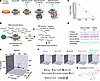 Figure 1
Discovery of C11 through DNA-encoded small-molecule library screening. (A) Schematic of screening conditions: empty nanodisc and un-liganded (apo)-β1AR nanodisc controls; β1AR nanodiscs bound to high-affinity orthosteric agonist, BI-167107 (BI); and BI-bound β1AR or β1V2Rpp in complex with transducers (heterotrimeric Gs or β-arrestin 1, respectively). Transducer complexes were further reinforced using conformation-stabilizing nanobodies Nb35 (included in β1AR/G protein complex), Nb25, and Fab30 (included in β1V2Rpp/β-arrestin complex). (B) Purified β1ARs reconstituted in biotinylated lipid nanodiscs were immobilized using neutravidin beads and incubated with HitGen’s OpenDEL small-molecule library. After washing, bound compounds were eluted (elution 1) and applied as input for a second round of affinity selection with fresh β1AR nanodiscs. Molecules from the final elution (elution 2) were identified by high-throughput DNA sequencing. (C and D) DNA copy number in eluted samples (E1–E2) was determined by qPCR after each round of affinity selection. Compared with library input (~1015 molecules), copy number was reduced to approximately 107 after 2 rounds of screening in each condition (C). Approximately 104–5 molecules were lost in round 1 and approximately 102–3 molecules were lost in round 2 (D). (E and F) 3D plots of each screening condition (F) and all 5 conditions merged (E) depict an enriched chemical line feature — where C11 was identified — which was enriched in Apo-β1AR and BI-β1AR samples, minimally present in transducer complex samples, and completely absent in the empty nanodisc condition. Axes enumerate the chemical building blocks utilized in each round of chemical synthesis (R1–R3). Data point size corresponds to sequence count for a particular compound; the copy number of C11 in each condition is indicated in red text. Compounds outside of the feature that contains C11 were filtered out to facilitate visualization of the enriched chemotype. (G) Schematic of chemical structure of C11 generated through 3 rounds of chemical synthesis: R1, red; R2, green; R3, blue.
To facilitate the isolation of small-molecule β1AR binders from the more than 1 billion unique compounds comprising the OpenDEL library, nanodisc β1AR complexes were immobilized to neutravidin beads via biotinylation of the nanodisc membrane scaffold protein, MSPD1E3 (Figure 1B). After 2 consecutive rounds of affinity selection, eluted molecules were purified, PCR amplified, and subjected to high-throughput next-generation sequencing to decode binders (Figure 1B). The decay of library molecules throughout each round of selection was monitored via qPCR using a universal primer set that amplifies all molecules in the library (Figure 1, C and D). In each experimental condition, approximately 1 × 10⁷ molecules were collected in the final elution from the 1 × 10¹⁵ molecules applied as input (Figure 1, C and D).
Putative hit molecules were identified via comprehensive bioinformatics analysis of the chemical structure similarities among molecules present in the decoded dataset. Enriched chemical features that aligned with our scenario of interest (i.e., an unbiased negative allosteric modulator) were evaluated based on their abundance (or absence) in a particular experimental condition. Using this filtering criteria, we discovered a family of compounds sharing a common partial structure (i.e., R2 and R3) that was significantly enriched in the BI-bound β1AR and apo-β1AR conditions, minimally present in the Gs and β-arrestin1 samples, and completely absent in the empty nanodisc control (Figure 1, E and F). From this family, C11 was selected for further characterization based upon its enrichment profile and relatively high copy number in relation to other members of the compound family (Figure 1, E–G). We predicted that C11 possessed the greatest potential as a β1AR negative allosteric modulator, a conclusion that was later corroborated through direct comparison with other structurally related compounds, as detailed below.
C11 potentiates the binding affinity of agonists and a subset of antagonists to the β1AR. To interrogate the pharmacological properties of C11 on the β1AR, we investigated the ability of C11 to modulate orthosteric ligand binding affinity via radioligand competition binding experiments. Purified β1AR nanodiscs were incubated with the radiolabeled β1AR antagonist, 125I-CYP, and serial concentrations of un-labeled orthosteric β1AR agonists or antagonists. In the presence of C11, the binding affinity of norepinephrine, isoproterenol, dobutamine, and epinephrine for the β1AR was significantly enhanced, as evidenced by an approximately 0.4-log leftward shift and corresponding approximately 1.9-fold to 3-fold decrease in the IC50 of the competition binding curve compared with the vehicle control (Figure 2, A and C, and Supplemental Table 1), demonstrating positive cooperativity between C11 and β1AR agonists. Interestingly, C11 exhibited a probe-dependent effect with respect to orthosteric antagonist binding to the β1AR since it potentiated the binding of a subset of antagonists or biased ligands (i.e., carvedilol, bucindolol, and alprenolol; up to 0.5-log leftward shift and ~3-fold IC50 decrease) without affecting atenolol, metoprolol, or carazolol binding affinity (Figure 2, B and C, and Supplemental Table 1). This indicates that the effect of C11 on orthosteric ligand binding to the β1AR is specific to the ligand bound. Overall, these binding results are consistent with our screening output in which C11 was enriched in not only the inactive apo-β1AR state but also in BI-occupied active β1AR condition.
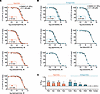 Figure 2
C11 potentiates the binding affinity of agonists and a subset of antagonists to the β1AR. β1AR nanodiscs were incubated with a fixed amount of radiolabeled orthosteric antagonist, I125-CYP; serial doses of unlabeled orthosteric ligand; and either DMSO (0.19%) or 30 μM C11. The resulting competition binding curves (A and B) and corresponding IC50 shift quantifications (C) revealed that C11 enhanced the binding affinity of agonists (norepinephrine, Nor; isoproterenol, Iso; dobutamine, Dob; and epinephrine, Epi) and a subset of antagonists (carvedilol, Carv; bucindolol, Buc; alprenolol, Alp) to the β1AR with no effect on the binding affinity of the antagonists atenolol (Aten), metoprolol (Met), or carazolol (Caraz). Dose-response curves are presented as percentage of maximum I125-CYP binding. IC50 values were calculated from the nonlinear fit (1-site binding; GraphPad Prism) and plotted as the difference between IC50 (DMSO) and IC50 (C11). Raw IC50 values are presented in Supplemental Table 1. F tests were performed on the nonlinear fit; *P < 0.05, **P < 0.01, ***P < 0.001; data points represent mean ± SEM of at least 3 independent experiments performed in duplicate.
To estimate the affinity of C11 for the β1AR, the C11-mediated concentration-dependent increase in isoproterenol binding to the receptor (quantified as ΔIC50 of the competition binding curve) was plotted as a function of increasing concentrations of C11 (Supplemental Figure 3, A–C). The resulting logEC50 (–6.12, ~0.76 μM) derived from the nonlinear fit suggests sub-micromolar binding affinity between C11 and the β1AR in the presence of isoproterenol (Supplemental Figure 3, A–C). In agreement with this finding, direct assessment of the physical interaction and binding affinity between C11 and active β1AR bound to high-affinity agonist BI by isothermal titration calorimetry (ITC) revealed a KD of 4.75 μM (Supplemental Figure 3D).
C11 suppresses G protein and β-arrestin signaling downstream of agonist-activated β1AR. Given the positive cooperativity between C11 and orthosteric agonist binding to the β1AR, we anticipated that C11 would enhance β1AR downstream signaling functioning as a PAM. The functional impact of C11 on G protein and β-arrestin signaling in response to β1AR activation was assessed via bioluminescence resonance energy transfer–based (BRET-based) and/or luciferase-based cellular signaling assays. To measure dissociation of Gαsβγ upon β1AR stimulation, HEK293T cells transiently overexpressing β1AR with TRUPATH biosensor proteins Gαs-RLuc8, Gβ3, and Gγ9-GFP (17) were pretreated with vehicle (DMSO) or 30 μM C11 and stimulated with serial concentrations of isoproterenol (Figure 3A). Surprisingly, despite its positive cooperativity with agonist binding, C11 substantially reduced maximal G protein dissociation (Figure 3, B and C), as evidenced by an attenuation of the BRET signal decay. To measure Gαs-mediated signaling downstream of agonist-activated β1ARs, we quantified intracellular cAMP generation utilizing the luciferase-based GloSensor cAMP biosensor (Figure 3D). Consistent with our TRUPATH results, pretreatment with C11 significantly diminished maximal cAMP generation compared with vehicle-treated cells (Figure 3, E and F).
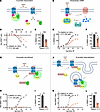 Figure 3
C11 suppresses G protein signaling and β-arrestin function downstream of agonist-activated β1AR in HEK293T cells. (A–L) HEK293T cells transiently transfected with β1AR (or β1V2R) and BRET or luciferase biosensor plasmids were pretreated with DMSO (0.19%) or 30 μM C11 and then stimulated with serial doses of the agonist isoproterenol (Iso). Schematic representation of the BRET-based TRUPATH G protein dissociation assay where Gαs-RLuc8 dissociates from Gβ/Gγ-GFP upon β1AR activation, resulting in BRET signal decay (A). C11 treatment significantly reduced maximal G protein dissociation compared with vehicle (B and C). Schematic representation of the GloSensor luciferase-based biosensor that emits light in response to binding intracellular cAMP (D). C11 treatment significantly reduced maximal cAMP accumulation compared with vehicle (E and F). Schematic representation of the BRET-based β-arrestin recruitment assay wherein β-arrestin–GFP is recruited to β1V2R-RLucII upon receptor activation and generates a BRET signal (G). C11 treatment significantly reduced maximal β-arrestin recruitment to β1V2R-RLucII compared with vehicle (H and I). Schematic representation of BRET-based β-arrestin–mediated receptor internalization assay (J). Upon β1V2R activation, the receptor/β-arrestin–RLucII complex is internalized into endosomes and a BRET signal is generated when internalized β-arrestin–RLucII and endosomal marker FYVE-GFP are in proximity. C11 treatment significantly reduced maximal β-arrestin internalization compared with vehicle (K and L); F test, *P < 0.05, ***P < 0.001; data points represent mean ± SEM of at least 3 independent experiments performed in duplicate or quadruplicate; curve fits were plotted using a log(agonist) 3-parameter model in GraphPad Prism; net BRET ratios (emission of RLuc8/GFP) are baseline-subtracted according to the nonlinear fit of each treatment condition; luminescence values and Emax quantifications (derived from the nonlinear fit) are presented as the percentage of maximal signal in the vehicle condition.
Utilizing similar BRET-based approaches, we evaluated the effect of C11 on the various functions of β-arrestin. To measure β-arrestin recruitment to agonist-activated β1AR, we developed a BRET sensor pair consisting of β-arrestin2-GFP and a chimeric β1AR containing the C-terminal tail of the V2R (β1V2R) conjugated to RLucII (Figure 3G and Supplemental Table 2) that was utilized to enhance β-arrestin affinity to agonist-occupied β1ARs. To measure β-arrestin–mediated receptor internalization, β1V2R was coexpressed with β-arrestin2-RLucII and the early endosomal marker FYVE-rGFP (18) (Figure 3J). Strikingly, pretreatment with C11 induced a robust decrease in both β-arrestin recruitment to β1V2R (Figure 3, H and I) and β-arrestin–mediated receptor internalization into endosomes (Figure 3, K and L). These findings indicate that C11 acts as an unbiased functional NAM of agonist-activated β1AR since it potently inhibits both Gs and β-arrestin signaling.
Given that ERK is one of the major cellular effectors of both Gs and β-arrestin signaling cascades, we next evaluated the effect of C11 on β1AR-mediated ERK phosphorylation via immunoblotting. Consistent with our BRET-based assays, HEK293T cells transiently overexpressing β1AR displayed a dose-dependent increase in ERK phosphorylation in response to serial concentrations of isoproterenol that was suppressed in cells pretreated with C11 (Figure 4, A–C). Notably, ERK phosphorylation stimulated by carvedilol, a β-arrestin–biased βAR ligand that has been previously shown to promote ERK phosphorylation in a β-arrestin–dependent manner (19–22), was also attenuated in the presence of C11 (Figure 4, D–F). This indicates that C11 serves as a functional NAM of the β1AR irrespective of the nature of the orthosteric ligand (i.e., full agonists versus biased ligands).
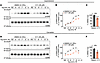 Figure 4
C11 suppresses phosphorylation of ERK mediated by isoproterenol or carvedilol downstream of agonist-activated β1AR in HEK293T cells. (A–C) Representative immunoblots (A), relative densitometry quantifications (B), and Emax values of the nonlinear curve fit (C) demonstrated that C11 significantly reduced maximal ERK phosphorylation (pERK) in response to isoproterenol (Iso) compared with vehicle control in HEK293T cells transiently expressing the β1AR. (D–F) Representative immunoblots (D), relative densitometry quantifications (E), and Emax values of the nonlinear curve fit (F) demonstrated that C11 significantly reduced maximal pERK in response to carvedilol (Carv) compared with vehicle control in HEK293T cells transiently expressing β1AR; densitometric values of pERK were normalized to total ERK (tERK) and presented as the percentage of the maximal value in vehicle-treated cells; F test, ***P < 0.001; data points represent mean ± SEM of at least 3 independent experiments; nonlinear curve fits and Emax values were calculated from a log(agonist) 3-parameter model in GraphPad Prism.
Taken together, in striking opposition to the positive cooperativity of agonist binding, our cellular signaling assays revealed that C11 is a potent inhibitor of β1AR-mediated Gαs and β-arrestin signaling. Moreover, its suppression of maximal β1AR signaling efficacy reflects the classical pattern of noncompetitive inhibition, as would be expected from an allosteric modulator. With such a unique pharmacological and functional profile, our studies indicate that C11 likely belongs to a recently established class of allosteric modulators termed PAM antagonists that potentiate agonist affinity for receptors while antagonizing downstream signaling (23). Although largely under-characterized to date, PAM antagonists are predicted to be especially favorable therapeutically due to their positive cooperativity on agonist binding affinity (23).
The PAM-antagonist function of C11 is highly selective for β1ARs. We next evaluated the pharmacological selectivity of C11 for the β1AR by interrogating its effect on orthosteric ligand binding to the β2AR subtype. Radioligand binding experiments utilizing β2AR nanodiscs demonstrated that C11 did not significantly alter the isoproterenol binding curve compared with vehicle, whereas carvedilol binding to the β2AR was potentiated by approximately 2.6-fold (~0.4-log leftward shift) in the presence of C11 (Figure 5, A–C). These data indicate that C11 also binds and modulates ligand binding to the β2AR, given that it potentiates carvedilol binding to both subtypes, but does not elicit an increase in affinity between β2AR and the agonist isoproterenol. Of note, this βAR subtype–dependent activity is reminiscent of the recently discovered β2AR positive allosteric modulator, Compound 6, that potentiates carvedilol binding to both β1AR and β2AR while selectively increasing agonist binding to the β2AR only (22, 24, 25).
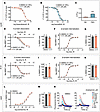 Figure 5
C11 does not suppress cellular signaling mediated by alternative receptors β2AR, AT1R, or M3R. (A–C) β2AR nanodiscs were incubated with a fixed amount of radiolabeled orthosteric antagonist, I125-CYP; serial doses of unlabeled orthosteric ligand; and either vehicle or 30 μM C11. Competition binding curves (A and B) and corresponding IC50 shifts (C) revealed that C11 enhanced the binding affinity of carvedilol (Carv) to the β2AR but not isoproterenol (Iso). Dose-response curves are presented as percentage of maximum I125-CYP binding. IC50 values were calculated from the nonlinear fit (1-site binding; GraphPad Prism) and plotted as the difference between IC50 (DMSO) and IC50 (C11). F tests were performed on the nonlinear fit; ***P < 0.001. Data points represent mean ± SEM of at least 3 independent experiments performed in duplicate. (D–K) HEK293T cells transiently overexpressing receptor (β2AR, β2V2R, or AT1R) and BRET fusion proteins (Figure 3, A and J) were pretreated with vehicle or 30 μM C11 and stimulated with either isoproterenol (for β2AR or β2V2R) or angiotensin II (Ang II, for AT1R). C11 treatment had no significant effect on G-protein dissociation or β-arrestin internalization downstream of agonist-activated β2AR/β2V2R (D–G) or AT1R (H–K). (L–N) HEK293T cells pretreated with vehicle or 30 μM C11 were stimulated with carbachol to activate the endogenous Gq-coupled muscarinic M3 receptor (M3R). C11 treatment had no significant effect on the resulting Ca2+ response (L–M). Representative time-course plots of the baseline-subtracted raw fluorescence at each carbachol dose depicted comparable Ca2+ responses between vehicle- and C11- treated cells (N); data points represent mean ± SEM of at least 3 independent experiments performed in duplicate or triplicate; curve fits were plotted using a log(agonist) 3-parameter model in GraphPad Prism; net BRET ratios (emission of RLuc8/GFP) are baseline-subtracted according to the nonlinear fit of each treatment condition. Ca2+ responses are presented as the baseline-subtracted AUC and normalized to the percentage of DMSO maximum.
To determine the functional selectivity of C11 for the β1AR, we performed various counter-assays interrogating G protein and β-arrestin signaling stimulated by alternative GPCRs of the cardiovascular system including the β2AR, AT1R, and M3R. Importantly, C11 did not significantly affect G protein dissociation or β-arrestin internalization downstream of either agonist-activated β2AR (Figure 5, D–G) or AT1R (Figure 5, H–K). Moreover, C11 had no effect on intracellular Ca2+ release downstream of carbachol-activated endogenous M3R (Figure 5, L–N). Together, these experiments indicate that the functional effects of C11 are highly selective for the β1AR subtype.
C11 is a superior PAM antagonist relative to structurally related OpenDEL analogs. To gain mechanistic insights into the chemical features that support the pharmacological and functional effects of C11 on the β1AR and to evaluate whether small chemical modifications in its structure would confer altered efficacy as a PAM antagonist, we characterized a panel of C11 analogs C11-A through C11-I (Supplemental Figure 4) and evaluated their effects on ligand binding and β1AR-mediated signaling. These analogs comprise additional members of the enriched family of structurally related OpenDEL molecules detected via our bioinformatics analysis (Figure 1, E and F; C11-A through C11-F and C11-H) as well as several truncated derivatives (C11-G and C11-I). The ability of C11 to potentiate agonist and antagonist binding to the β1AR was largely unaffected by modifying the R1 chemical group, given the lack of substantial differences in the IC50 shifts between C11 and analogs A–F and H (Supplemental Figure 5, A–C). Remarkably, truncation of the extended hydrocarbon chain comprising the R3 chemical group in C11 and C11-H (generating C11-G and C11-I, respectively) resulted in complete loss of the positive cooperativity of isoproterenol and carvedilol binding to the β1AR (Supplemental Figure 5, A–C). These results were corroborated by evaluation of Gαs dissociation and β-arrestin recruitment to the β1AR via BRET, wherein the R3-truncated C11-G and C11-I analogs completely lost the antagonistic functions of C11 (Supplemental Figure 5, D–F), while the remaining analogs that varied in the R1 group remained functional antagonists to a similar or lesser extent than C11 (Supplemental Figure 5, D–F). Together, these data demonstrate that the identity of the R1 chemical group is largely exchangeable, while the R3 extended hydrocarbon chain is critical for its function and engagement with the receptor. These findings provide several mechanistic insights into the precise chemical features that mediate the activity of C11 and indicate that C11 is a superior PAM antagonist relative to a panel of structurally related molecules selected from the OpenDEL library. Lastly, C11-G, the R3-truncated form of C11, was revealed as a complete loss-of-function analog.
C11 reduces basal contractility and suppresses the isoproterenol response in isolated WT cardiomyocytes. After our comprehensive pharmacological and cellular characterizations, we investigated the impact of C11 on cardiac signaling and function in primary cardiomyocytes expressing endogenous levels of the β1AR. Ventricular cardiomyocytes isolated from adult WT mice were pretreated with DMSO or serial concentrations of C11 and paced at 1 Hz. Pretreatment with 30 μM C11 induced a significant reduction in basal fractional shortening compared with cells pretreated with DMSO (Figure 6, A and B, and Supplemental Table 3). To evaluate whether this inhibitory effect was specific to C11 and not a nonselective consequence of its high dosage (up to 30 μM), we employed the loss-of-function analog, C11-G, that does not modulate β1AR-mediated signaling (Supplemental Figure 5, A–F). Here, pretreatment with 30 μM C11-G did not affect basal contractility in WT cardiomyocytes compared with vehicle control, suggesting a direct effect of C11 on cardiomyocyte contractility (Figure 6, A and B, and Supplemental Table 3). To assess whether the C11-mediated reduction in basal contractility results from direct modulation of the β1AR, we pretreated ventricular cardiomyocytes isolated from β1AR–/– mice with DMSO or serial concentrations of C11. Importantly, 30 μM C11 also elicited a significant reduction in basal contractility in β1AR–/– cardiomyocytes (Figure 6C), albeit to a lesser extent than in WT cardiomyocytes (Figure 6, A and B), whereas pretreatment with 10 μM C11 did not alter basal contractility in β1AR–/– cells. These data suggest that the C11-mediated suppression of basal contractility at high concentrations (i.e., 30 μM C11) is due to partial off-target effects, while 10 μM C11 shows little off-target effect. We therefore selected 10 μM C11 for subsequent functional and signaling assays in isolated cardiomyocytes.
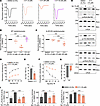 Figure 6
C11 reduces basal contractility and suppresses the isoproterenol response in isolated WT cardiomyocytes. (A and B) Representative unloaded shortening contractions (A) from isolated WT cardiomyocytes treated with increasing doses of C11 displayed a significant decrease in basal sarcomeric shortening in cardiomyocytes treated with 30 μM C11 compared with vehicle; treatment with loss-of-function C11 analog, C11-G, had no effect (B). (C) High doses of C11 (30 μM) significantly reduced basal sarcomeric shortening in β1AR–/– cardiomyocytes, indicating C11-mediated reduction in contractility is partially nonselective. An intermediate dose of 10 μM was therefore selected for functional cardiomyocyte assays; 1-way ANOVA, ***P < 0.0002; data points represent biological replicates (n = 4–7 hearts, 7–10 cells per treatment per heart); absolute measurements of contractility parameters are in Supplemental Table 3. (D–G) Dose-dependent enhancement of sarcomeric shortening (D) and contraction velocity (F) stimulated by serial doses of isoproterenol (Iso) was significantly blunted (E and G) in isolated WT cardiomyocytes treated with 10 μM C11 compared with vehicle-treated cells. The magnitude of the isoproterenol-mediated increase is plotted as the difference between maximal isoproterenol dose (log[Iso] = –6 M) and nonstimulated (N.S.) condition (E and G); 2-tailed t test. *P < 0.05, **P < 0.01; data points represent mean ± SEM of n = 3 biological replicates (7–10 cells per treatment per heart). (H and I) Representative immunoblots (H) and corresponding densitometric quantifications (I) revealed significantly decreased levels of phosphorylated PLN (Ser16), TnI (Ser23/24), and PLN (Thr17) in C11-treated cardiomyocytes (10 μM) compared with vehicle control after isoproterenol stimulation. Phosphorylated proteins (pPLN and pTnI) are normalized to total levels (tPLN and tTnI). Statistical comparisons (1-way ANOVA) are shown between DMSO(vehicle) and DMSO(iso), C11(vehicle) and C11(iso), and between DMSO(iso) and C11(iso) groups only; *P < 0.03, **P < 0.002, ***P < 0.0002; data points represent biological replicates (n = 5 hearts, each performed in duplicate); Pent, pentamer; Mon, monomer.
To determine the effect of C11 on the isoproterenol-induced contractile response, we stimulated isolated WT cardiomyocytes with serial concentrations of isoproterenol in the presence or absence of 10 μM C11. In line with its ability to suppress Gαs and β-arrestin signaling downstream of agonist-activated β1AR, C11 substantially suppressed the dose-dependent increase in fractional shortening and contractile kinetics mediated by isoproterenol (Figure 6, D–G). To corroborate this finding biochemically, we selected representative Ca2+ cycling or sarcomeric cellular effectors of β1AR activation, namely phospholamban (PLN) and troponin I (TnI), and assessed their phosphorylation status in isolated cardiomyocytes in the presence of isoproterenol via immunoblotting. Pretreating WT cardiomyocytes with 10 μM C11 robustly suppressed the isoproterenol-induced phosphorylation of PLN and TnI at the canonical PKA phosphorylation sites (pPLN Ser16 and pTnI Ser23/24) as well as Thr17 mediated by Ca2+/calmodulin protein kinase II (CaMKII) on PLN (Figure 6, H and I), providing further evidence of C11’s ability to block β1AR-mediated signaling in the heart.
C11 restores regular contractile rhythm and suppresses spontaneous Ca2+ release in CSQ2–/– cardiomyocytes. Given the robust inhibition of the isoproterenol response in cardiomyocytes pretreated with C11, we next evaluated its potential as a therapeutic molecule for CPVT utilizing cardiomyocytes from mice that are constitutively null for CSQ2 (26). Previous studies have demonstrated that CSQ2–/– mice are highly susceptible to catecholamine-induced arrhythmia in the form of frequent premature ventricular contractions, increased heart rate variability, and increased diastolic Ca2+ leak due to spontaneous Ca2+ release events (26). Consistent with this, isolated ventricular cardiomyocytes from CSQ2–/– mice developed an arrhythmic-like phenotype when stimulated with isoproterenol during 1 Hz pacing, evidenced by a robust increase in both the frequency of contractions and the variability in the time interval between consecutive beats that was reminiscent of the irregular contractile rhythms observed in vivo (Figure 7A) (26). Remarkably, pretreatment with 10 μM C11 completely attenuated isoproterenol-mediated spontaneous cellular beating and restored regular contractile frequency in CSQ2–/– cardiomyocytes (Figure 7, A–E). To further corroborate the protective effect of C11 in CSQ2–/– cardiomyocytes, we measured spontaneous Ca2+ release events elicited by isoproterenol immediately after termination of 0.5 Hz pacing. In line with the blockade of isoproterenol-induced spontaneous contractile activity in CSQ2–/– cardiomyocytes (Figure 7, A–E), pretreatment with 10 μM C11 also prevented the development of spontaneous Ca2+ release events after isoproterenol stimulation (Figure 7, F–J). Of note, 10 μM C11 had no significant effect on the amplitude or kinetics of paced Ca2+ transients in CSQ2–/– cardiomyocytes (Supplemental Figure 6, A–E), nor did it affect caffeine-induced Ca2+ release in WT cells (Supplemental Figure 7, A and B), indicating that C11 has no direct impact on baseline Ca2+ signaling.
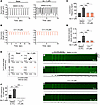 Figure 7
C11 restores regular contractile rhythm and suppresses spontaneous Ca2+ release events in cardiomyocytes isolated from CSQ2–/– mice. (A–D) Representative unloaded shortening contractions (A and B) and corresponding quantifications (C and D) revealed frequent and irregular beats in vehicle-treated CSQ2–/– cardiomyocytes stimulated with isoproterenol (Iso) during 1Hz pacing (i.e., 1-second interval), reminiscent of ventricular tachycardia. Isoproterenol-mediated spontaneous beating was completely attenuated in cells pretreated with 10 μM C11; data points represent biological replicates (n = 4 hearts, 7–10 cells per treatment per heart); 1-way ANOVA, ****P < 0.0002. (E) Poincaré plots depict increased variability in interval between consecutive cellular contractions in vehicle-treated CSQ2–/– cardiomyocytes stimulated with isoproterenol but not in cells pretreated with 10 μM C11; data points represent peak-peak intervals of all biological replicates combined. (F–J) Spontaneous Ca2+ release events (SREs) were measured in quiescent ventricular cardiomyocytes following pacing at 0.5 Hz. Representative confocal line scans with associated fluorescent intensity profiles (F–I) and corresponding quantifications (J) revealed a robust increase in spontaneous Ca2+ release event frequency in vehicle-treated CSQ2–/– cardiomyocytes after stimulation with isoproterenol (Iso, G) that was significantly attenuated in cells pretreated with 10 μM C11 (I); data points represent biological replicates (n = 4 hearts, 11–13 cells per treatment per heart); 1-way ANOVA, **P < 0.0013, ***P < 0.0002.
C11 suppresses exercise-induced ventricular tachycardia in vivo. Intense exercise stress is the principal trigger for ventricular tachycardia (VT) and sudden cardiac death in individuals with CPVT. To investigate the therapeutic potential of C11 in a physiologically relevant setting, we recorded cardiac electrical activity via telemetry in conscious, nonanesthetized CSQ2–/– mice subjected to graded treadmill exercises designed to mimic strenuous physical exertion in humans (Figure 8, A–C). To determine an appropriate dosing regimen for C11, we first confirmed that the compound is stable long-term (up to 72 hours) in vehicle solution at 37°C via high-performance liquid chromatography–mass spectrometry (Supplemental Figure 8A). We also obtained the pharmacokinetic profile of C11 after intraperitoneal injection (10 mg/kg) and determined that C11 was detectable in the plasma and heart at the highest level between 45 minutes and 1 hour after injection (Supplemental Figure 8B). After surgical implantation of the telemetry module in the peritoneal cavity, mice were allowed a 3-day recovery period followed by a 3-day acclimation phase during which they were conditioned to treadmill running (Figure 8A). Guided by our pharmacokinetic findings, treadmill-acclimated CSQ2–/– mice were pretreated for 45 minutes with either vehicle solution or 10 mg/kg C11 and subjected to forced treadmill running where workload (i.e., speed and incline) was periodically increased over 30 minutes (Figure 8B). Individual mice were delivered alternating treatments of vehicle or C11 4 days apart (days 7 and 11, respectively; Figure 8A), and thus each mouse served as its own internal control. To ensure robust analysis of C11’s efficacy, mice lacking exercise-induced VT (i.e., less than 5 seconds) during vehicle treatment were not included for further study, limiting the assessment to animals with measurable baseline arrhythmogenic activity.
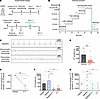 Figure 8
C11 suppresses the duration of exercise-induced ventricular tachycardia in vivo. (A) CSQ2–/– mice were implanted with telemetry devices (day 0) and allowed to recover for 3 days before acclimation (days 4–6). Mice were pretreated with vehicle (day 7) or 10 mg/kg C11 (day 11) and subjected to a strenuous treadmill exercise protocol (upper panel). For combination experiments with nadolol (lower panel), mice had a 7-day washout between drug treatments. (B) Illustrative graph of 30-minute graded exercise protocol where workload (i.e., speed and incline) was incrementally increased every 5 minutes. Mice were placed on a single-lane treadmill with an adjustable incline (maximum 25°). Vehicle or drug solutions were administered intraperitoneally 45 minutes before exercise began. (C) Representative electrocardiograms obtained via continuous telemetric recording depict normal sinus rhythm at rest (baseline) and episodes of monomorphic and/or polymorphic ventricular tachycardia (VT) in CSQ2–/– mice during physical exertion. (D) The total duration of VT was significantly reduced in CSQ2–/– mice pretreated with C11 compared with when these same mice were pretreated with vehicle during exercise; data points represent biological replicates (n = 8 mice); Wilcoxon matched-pairs signed-rank test, **P < 0.01. (E) The percentage change in total VT duration after C11 treatment compared with vehicle was plotted for individual mice. (F) VT duration was measured in a separate cohort of CSQ2–/– mice treated sequentially with vehicle solution (day 7), low-dose nadolol (0.01 mg/kg; day 11), combination of low-dose nadolol (0.01 mg/kg) and C11 (10 mg/kg; day 19), and C11 alone (10 mg/kg; day 27). The average VT duration was significantly lower when treated with C11 alone or in combination with low-dose nadolol compared with nadolol alone. (G) The percentage change in total VT duration after each treatment was plotted for individual mice; data points represent biological replicates (n = 6 mice); nonparametric repeated-measures 1-way ANOVA (Friedman’s test), *P < 0.05.
The total duration of sustained monomorphic and/or polymorphic VT defined as consecutive ectopic beats with unidirectional or bidirectional QRS waveforms, respectively (Figure 8C), was quantified for each animal during graded exercise. Remarkably, the total duration of VT encompassing both monomorphic and polymorphic forms was significantly attenuated in C11-treated CSQ2–/– mice compared with when those same mice were pretreated with vehicle solution (Figure 8D). Given the variability in arrhythmic burden among vehicle-treated mice, we plotted the relative percentage change in total VT duration for individual mice (Figure 8E). This analysis revealed a median reduction in VT of approximately 50% after C11 treatment as compared with vehicle (Figure 8E). In addition to sustained episodes of VT, we assessed the incidence of premature ventricular contractions during the graded exercise test (Supplemental Figure 9A). Although most individual mice also developed a reduction in premature ventricular contractions after C11 treatment, this difference did not reach statistical significance (P = 0.195, Wilcoxon matched-pairs signed-rank test; Supplemental Figure 9, B and C). This may be attributed to the significant role catecholamines have in inducing and propagating sustained VT as compared with isolated premature ventricular contraction events.
We further tested the ability of C11 to suppress arrhythmic events in comparison with nadolol, an orthosteric beta blocker that remains the most efficacious and widely used pharmacological therapy for CPVT. To identify a dose of nadolol that elicited a mild but not complete reduction in heart rate in response to exercise, we sequentially treated individual WT mice with vehicle, 0.005 mg/kg, 0.01 mg/kg, and 0.1 mg/kg nadolol in a repeated-measures design (Supplemental Figure 10). Given that treatment with 0.1 mg/kg nadolol markedly suppressed the heart rate response to exercise and may represent a level of drug that is likely to cause symptomatic side effects, we selected 0.01 mg/kg as a low-dose nadolol condition to be tested in combination with C11. We subsequently delivered vehicle, low-dose nadolol (0.01 mg/kg), low-dose nadolol (0.01 mg/kg) in combination with C11 (10 mg/kg), or C11 alone (10 mg/kg) to individual CSQ2–/– mice with a 7-day washout period between treatments (Figure 8A) and quantified VT duration during exercise. Treatment with C11in combination with low-dose nadolol significantly reduced the duration of exercise-induced VT compared with low-dose nadolol alone and to a similar extent as C11 alone (Figure 8, F and G).
Taken together, these results demonstrate the therapeutic capability of C11 in mitigating exercise-induced arrhythmias associated with the pathological overactivation of β1ARs in the heart and underscore its potential as a new class of drug to block the β1AR in disease states.


Copyright © 2026 American Society for Clinical Investigation
ISSN: 0021-9738 (print), 1558-8238 (online)