
Go to JCI Insight
  • About
  • Editors
  • Consulting Editors
  • For authors
  • Publication ethics
  • Publication alerts by email
  • Advertising
  • Job board
  • Contact
  • Clinical Research and Public Health
  • Current issue
  • Past issues
  • By specialty
    • COVID-19
    • Cardiology
    • Gastroenterology
    • Immunology
    • Metabolism
    • Nephrology
    • Neuroscience
    • Oncology
    • Pulmonology
    • Vascular biology
    • All ...
  • Videos
    • ASCI Milestone Awards
    • Video Abstracts
    • Conversations with Giants in Medicine
  • Reviews
    • View all reviews ...
    • The cGAS-STING pathway: DNA sensing in health and disease (Jun 2026)
    • Neurodegeneration (Mar 2026)
    • Clinical innovation and scientific progress in GLP-1 medicine (Nov 2025)
    • Pancreatic Cancer (Jul 2025)
    • Complement Biology and Therapeutics (May 2025)
    • Evolving insights into MASLD and MASH pathogenesis and treatment (Apr 2025)
    • Microbiome in Health and Disease (Feb 2025)
    • View all review series ...
  • Viewpoint
  • Collections
    • In-Press Preview
    • Clinical Research and Public Health
    • Research Letters
    • Letters to the Editor
    • Editorials
    • Commentaries
    • Editor's notes
    • Reviews
    • Viewpoints
    • 100th anniversary
    • Top read articles

  • Current issue
  • Past issues
  • Specialties
  • Reviews
  • Review series
  • ASCI Milestone Awards
  • Video Abstracts
  • Conversations with Giants in Medicine
  • In-Press Preview
  • Clinical Research and Public Health
  • Research Letters
  • Letters to the Editor
  • Editorials
  • Commentaries
  • Editor's notes
  • Reviews
  • Viewpoints
  • 100th anniversary
  • Top read articles
  • About
  • Editors
  • Consulting Editors
  • For authors
  • Publication ethics
  • Publication alerts by email
  • Advertising
  • Job board
  • Contact
Top
  • View PDF
  • Download citation information
  • Send a comment
  • Terms of use
  • Standard abbreviations
  • Need help? Email the journal
  • Top
  • Abstract
  • Introduction
  • Mechanisms of immune system aging
  • Aging shapes the T cell landscape in healthy adults
  • RA as a model of aging-associated autoimmunity
  • The immune aging paradox of GCA
  • Conclusions and outlook
  • Conflict of interest
  • Funding support
  • Acknowledgments
  • Footnotes
  • References
  • Version history
  • Article usage
  • Citations to this article

Advertisement

Review Open Access | 10.1172/JCI206227

Immune responses in aging adults

Cornelia M. Weyand1,2,3,4 and Jörg J. Goronzy1,3,4

1Department of Medicine and

2Department of Cardiovascular Medicine, Mayo Clinic Alix School of Medicine, Rochester, Minnesota, USA.

3Department of Immunology, Mayo Clinic College of Medicine and Science, Rochester, Minnesota, USA.

4Stanford University School of Medicine, Stanford, California, USA.

Address correspondence to: Cornelia M. Weyand, Department of Medicine, Mayo Clinic Alix School of Medicine, 200 First Street SW, Rochester, Minnesota 55905, USA. Email: cweyand@stanford.edu.

Find articles by Weyand, C. in: PubMed | Google Scholar

1Department of Medicine and

2Department of Cardiovascular Medicine, Mayo Clinic Alix School of Medicine, Rochester, Minnesota, USA.

3Department of Immunology, Mayo Clinic College of Medicine and Science, Rochester, Minnesota, USA.

4Stanford University School of Medicine, Stanford, California, USA.

Address correspondence to: Cornelia M. Weyand, Department of Medicine, Mayo Clinic Alix School of Medicine, 200 First Street SW, Rochester, Minnesota 55905, USA. Email: cweyand@stanford.edu.

Find articles by Goronzy, J. in: PubMed | Google Scholar |

Published June 15, 2026 - More info

Published in Volume 136, Issue 12 on June 15, 2026
J Clin Invest. 2026;136(12):e206227. https://doi.org/10.1172/JCI206227.
© 2026 Weyand,,, et al. This work is licensed under the Creative Commons Attribution 4.0 International License. To view a copy of this license, visit http://creativecommons.org/licenses/by/4.0/.
Published June 15, 2026 - Version history
View PDF
Abstract

As a widely distributed network of cells, tissues, and organs, the human immune system is profoundly vulnerable to the effects of aging. Intrinsic and extrinsic stressors progressively erode its structural integrity and functional resilience, weakening core protective responses and increasing susceptibility to infection, malignancy, and tissue degeneration. At the same time, aging heightens the risk of chronic inflammation and autoimmune disease. Hematopoietic stem cells become uniquely compromised as aging intensifies metabolic and replicative stress. Their continuous high-volume turnover results in diminished self-renewal capacity, skewed lineage output, and dominance of expanded clones. These changes undermine innate immune competence and amplify inflammatory activity. Adaptive immune function declines with age through coordinated cellular and molecular programs. T and B lymphocytes exhibit a decline in naive cells, progressive loss of stemness, shortened lifespan, and constrained clonal diversity. Aging lymphocytes reconfigure transcriptional networks, undergo widespread organelle dysfunction, develop maladaptive stress responses, and redistribute into noncanonical tissue niches. Collectively, these alterations reduce antigen specificity and precision, promote innate-like immune behavior, and confer resistance to tolerance. These mechanisms result in concurrent immunodeficiency and autoimmunity, exemplified by two autoimmune diseases disproportionately affecting older adults: rheumatoid arthritis and giant cell arteritis.

Introduction

Over the past century, human life expectancy and health span have risen dramatically, marking one of the most profound demographic and biological transformations in modern history. This unprecedented extension of lifespan presents major societal and biomedical challenges and has intensified efforts to understand the molecular and cellular mechanisms that drive aging. Such work has identified a set of conserved “hallmarks of aging”: genomic instability, telomere attrition, epigenetic alterations, loss of proteostasis, impaired autophagy, dysregulated nutrient sensing, mitochondrial dysfunction, cellular senescence, stem cell exhaustion, altered intercellular communication, chronic low-grade inflammation (“inflammaging”), and microbial dysbiosis (Table 1) (1). Together, these processes reflect cumulative genomic damage, disrupted stress responses, defective maintenance of the proteome, impaired bioenergetics, and aberrant communication between cells and tissues.

Table 1

Hallmarks of organismal and immune aging

The immune system — comprising numerous specialized, rapidly adaptable, and migratory cell types — is particularly vulnerable to age-related decline. Immune cells face continuous external and internal stressors and depend on tightly regulated proliferative and metabolic programs. Signs of immune aging appear early, beginning with thymic involution during adolescence (2). Recent proteomic analyses profiling aging across tissues identified a systemic inflection point around age 50, with immune organs such as lymph nodes and spleen among the earliest to exhibit molecular signatures of aging (3, 4). Vascular tissues also showed pronounced age susceptibility, underscoring the interdependence of vascular and immune aging.

Recent epidemiological studies have pinpointed an apparent paradox in immune aging. Most autoimmune disorders have a disease onset of after age 50 years, and incidence rates increase into the seventh and eighth decades of life, a period characterized by measurable declines in immune competence. Of the 19 most prevalent autoimmune conditions, only type 1 diabetes is confined largely to childhood and adolescence (5). The striking observation that aging T cells lose effectiveness in pathogen and tumor immunity yet gain pathogenic potential in autoimmunity has prompted investigation into how aging reshapes T cell function, resilience, and effector programming. Autoimmune diseases have emerged as powerful model systems for defining molecular pathways of immune aging.

The immune system has diverse functional domains (Figure 1), most of which decline with age: older adults show reduced tumor surveillance, weakened antimicrobial defenses, poor vaccine responses, slower wound healing, and increasingly fragile barriers. In contrast, autoreactivity and chronic low-grade inflammation (“inflammaging”) rise, affecting virtually all organs. The immune system’s broad cellular diversity and complex receptor and signaling networks create multiple points where aging impairs function. In this Review, we highlight recent advances that illuminate how immune aging contributes not only to immune dysregulation and functional decline but also to the onset and progression of autoimmune disease.
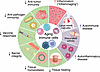
Domains of immune aging.Figure 1

Domains of immune aging. With advancing age, many protective functions of the immune system — such as antitumor surveillance, antimicrobial defense, barrier integrity, and wound healing — progressively decline. Aging affects both innate and adaptive immune cells, making them more prone to generating inflammatory responses. As a result, the aging host faces increased susceptibility not only to infections and malignancies but also to chronic inflammation and a heightened risk of autoimmune disease.

Mechanisms of immune system aging

Immune cell replication demand. A central driver of immune cell aging is the continual need to generate new immune cells. A recent study estimated a total immune cell pool of approximately 1.8 × 10¹² cells in a 73 kg reference adult, with a combined mass of approximately 1.2 kg (6). Lymphocytes and neutrophils each account for approximately 40% of the pool, while monocytes, macrophages, and dendritic cells (DCs) represent smaller fractions. These populations occupy distinct anatomical niches: neutrophils are largely confined to bone marrow reservoirs, whereas T and B lymphocytes predominantly reside in secondary lymphoid organs. Circulating blood remains the most accessible compartment for clinical immunophenotyping of both myeloid and lymphoid lineages.

Despite limited data on how absolute immune cell numbers change with age, current models suggest that lymphocyte pools remain within relatively stable ranges across adulthood, implying constant replenishment (7). Stable-isotope tracing studies demonstrated substantial turnover in young and older individuals (Table 2) (8). Thymic output contributes minimally to maintaining T cell numbers once early adulthood is reached, and homeostatic proliferation of postthymic T cells becomes the dominant mechanism of T cell renewal. Daily production rates of naive T and B cells are each estimated at approximately 65 million to 70 million cells. Memory T cell production is markedly higher, with approximately 600 million CD4+ memory T cells and approximately 60 million memory B cells generated per day (8), underscoring the substantial proliferative burden on the CD4+ memory compartment.

Table 2

Estimated daily lymphocyte production rates in humans

Replication-driven aging is even more pronounced within the myeloid system. Myeloid cells have much shorter lifespans than lymphocytes, and meeting the enormous demand for neutrophils and monocytes requires extensive proliferation of HSCs. Aging is associated with increasing clonal expansion of HSCs that develop a cell-intrinsic bias toward the myeloid lineage and diminished lymphoid potential (9). Normal HSCs progressively lose fitness due to DNA damage, epigenetic drift, metabolic stress, and niche deterioration, whereas mutated HSCs can gain competitive advantages (10–12). Mutations that enhance self-renewal (DNMT3A, ASXL1), promote inflammatory resilience (TET2), increase proliferation (JAK2 V617F), or bypass senescence (TP53) (13) drive clonal expansions, clinically recognized as clonal hematopoiesis of indeterminate potential (10). Low-grade inflammation is a characteristic hallmark of the aging process, with numerous cell types and mechanisms contributing, including end-differentiated immune cells and senescent cells (14). Epigenetic poising of inflammatory genes and organelle dysfunction induce the production of TNF and IL-6 (15, 16), cytokines that are instrumental in age-associated autoimmunity such as in rheumatoid arthritis (RA) and giant cell arteritis (GCA) (17, 18). Inflammatory cytokines further accelerate the process of clonal hematopoiesis by damaging healthy HSCs while preferentially selecting clones resistant to inflammatory stress, for example, TET2 mutant (enhanced survival in IL-6– and TNF-rich environments) and DNMT3A mutant HSCs (stress-induced self-renewal) (19). Thus, inflammaging functions as a potent selective pressure, not solely a mutagenic force.

Immune system decentralization. A hallmark of immune aging is the progressive decentralization of immune architecture, in which T and B cells leave their primary tissue and increasingly occupy nonclassical anatomical niches (20, 21) (Table 1). A well-defined example is the formation of tertiary lymphoid structures (TLS), perivascular clusters of T and B cells that arise outside of lymph nodes, spleen, and bone marrow. TLS contain stromal elements resembling those of lymph nodes and may form rudimentary T and B cell zones, yet they never achieve the full organizational complexity of secondary lymphoid organs. With advancing age, TLS can form across virtually all organ systems, most frequently adjacent to large blood vessels in the lung, kidney, and adipose tissues (22, 23). TLS formation is a hallmark of some autoimmune diseases, particularly occurring in the periaortic tissue in GCA (24). They can also be found in the synovium of a subset of patients with RA, usually patients with more severe disease (25–28).

A second manifestation of decentralization is the expansion of tissue-resident memory T cells (TRMs) (29–31). TRMs are a specialized subset of memory T cells that permanently seed tissues such as the skin, lung, gut, liver, and female reproductive tract. Rather than recirculating, they remain embedded within nonlymphoid environments. TRMs maintain a distinct transcriptional program aligned with their defining properties: durable tissue residency, lack of egress, and the capacity to deliver rapid in situ immunity upon antigen reencounter (32).

Decentralization is equally prominent in B cell aging, exemplified by the emergence of aging-associated B cells (ABCs). Unlike classical follicular or marginal zone B cells that reside within germinal centers or B cell follicles, ABCs accumulate in extrafollicular and interfollicular regions, including the splenic marginal zone. ABCs appear progressively with age and expand markedly under conditions of chronic immune stimulation. They are phenotypically defined by CD11c and T-bet expression and reduced CD21, distinguishing them from the classical follicular and marginal zone B cell lineages (33, 34).

ABCs arise in response to persistent antigenic stimulation and to type I and type II IFN- and TLR7/TLR9-driven signals (34). Their transcriptional program reflects diminished dependence on B cell receptor signaling, increased reliance on TLR signaling, and a strong propensity to produce pro-inflammatory cytokines. Functionally, ABCs show impaired germinal center participation and reduced ability to generate high-affinity antibodies. Conversely, they are efficient antigen-presenting cells and potent activators of autoreactive T cells (35).

These features place ABCs at the intersection of immunosenescence and autoimmunity. While they accumulate as part of normal aging, their inflammatory and antigen-presenting activities create conditions conducive to the breakdown of self-tolerance. Consequently, ABCs are increasingly viewed as central contributors to age-related immune dysfunction and to the heightened susceptibility to autoimmune disease in older adults (35, 36).

Proaging tissue environments. Because the immune system is broadly distributed and its cells are highly mobile, aging reshapes not only immune cells themselves but also the stromal niches, extracellular matrix, chemokine milieus, and tissue architecture that regulate immune function. These tissue-level alterations are now recognized as major drivers of immunosenescence and inflammaging.

The most classical — and dramatic — example of a proaging immune environment is thymic involution. Age-dependent loss of thymic epithelial cells leads to architectural collapse, profound reductions in naive T cell output, and eventual contraction of the T cell repertoire (37). This process illustrates how decisively tissue aging shapes the quantity and diversity of immune cells available across the lifespan.

Lymph nodes undergo fibrosis and lipomatosis with advancing age, progressively replacing functional stromal tissue with fat (38). This distorts nodal architecture, disrupts migratory pathways, and erodes chemokine gradients required for lymphocyte entry and spatial organization. Consequently, naive T and B cell homing declines, antigen delivery becomes inefficient, antigen presentation is compromised, and germinal center responses deteriorate, weakening both primary and memory immunity (39).

Among stromal populations, fibroblastic reticular cells (FRCs) appear particularly vulnerable to age-related decline (40). FRC networks lose structural integrity and their ability to provide key survival factors — including IL-7 — to maintain the conduit system that transports antigens, and to support the architectural scaffolding required for T cell homeostasis and activation. Lymphatic endothelial cells also exhibit age-related dysfunction, impairing immune cell trafficking into and out of lymph nodes and further compromising immune surveillance (41).

The importance of the tissue environment is equally evident in myeloid aging. The bone marrow niche undergoes structural and metabolic remodeling with age, including loss of osteoblastic support, increased adipogenesis, disordered cytokine networks, and heightened oxidative stress (42). These changes erode the fitness of HSCs while creating a selective advantage for mutated HSCs equipped with enhanced stress response pathways. The aged niche thus becomes a biological bottleneck, favoring expansion of clones able to withstand the hostile environment and promoting the emergence of clonal hematopoiesis.

Growing evidence highlights the profound influence of the metabolic landscapes of tissues — nutrient availability, stromal cell metabolism, lipid composition, and oxidative balance — on immune cell function across organ systems (43) (Figure 2). These factors regulate immune activation, differentiation, and the capacity to maintain homeostasis under stress. Consequently, many age-related, cell-intrinsic defects in myeloid cells, T cells, and B cells are likely compounded, or in some cases initiated, by deterioration of the tissue environments in which these cells reside and function. Age-dependent metabolic changes are therefore emerging as mechanisms guiding the aging immune system to adopt maladaptive and autoimmune responses.
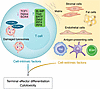
T cell aging: loss of stemness, transcriptional drift, and functional rewirFigure 2

T cell aging: loss of stemness, transcriptional drift, and functional rewiring. T cells possess intrinsic stemness programs and are exceptionally long-lived, yet they are not exempt from aging. Cell intrinsic aging is governed by changes in gene-regulatory networks that preserve T cell stemness and suppress terminal differentiation. With age, key regulators such as TCF1, SOX4, and HELIOS decline. Their loss enables the upregulation of differentiation promoting transcription factors, driving T cells toward irreversible lineage commitment. One downstream consequence is the progressive deterioration of lysosomal function, impairing cellular waste clearance and enabling aberrant mTORC1 activation. This metabolic shift disrupts quiescence and accelerates functional decline. Intrinsic changes are reinforced by extrinsic aging factors arising from tissue and organ aging, including senescent stromal niches and functionally altered antigen presenting cells. Together, these pressures erode tolerance mechanisms and redirect aging T cells toward innate-like and cytotoxic effector phenotypes, reducing immune precision and increasing inflammatory potential.

Aging shapes the T cell landscape in healthy adults

T cells are remarkable among somatic cells because they can persist for years to decades, maintaining protective immunity long after the initial encounter with antigen. A recent study by David Masopust and colleagues, using serial adoptive transfer experiments, provided a striking demonstration of the intrinsic longevity and self-renewal capacity of T cells (44). Memory T cell lineages can survive far beyond the lifespan of the host organism when periodically transferred into a fresh biological environment. This extraordinary durability depends on a coordinated network of metabolic, signaling, epigenetic, and niche-derived support mechanisms. Nevertheless, T cells are not exempt from aging; their aging trajectory results from the combined influence of cell-intrinsic and cell-extrinsic factors, many of which change with age (45, 46).

In the absence of thymic output, naive T cells maintain their numbers through homeostatic proliferation, effectively acting as their own stem cell pool (Table 2) (47). Their aging phenotype is therefore shaped by the efficiency of this proliferative process and by their capacity to preserve stemness. Homeostatic proliferation and survival depend on specialized lymphoid niches in which T cells encounter IL-7 produced by FRCs and receive TCR-mediated tonic signals from self-antigens. Although these niches deteriorate with age (48), naive CD4+ T cells exhibit only a moderate decline in cell numbers and TCR repertoire diversity (37). In contrast, naive CD8+ T cells decline markedly over time (49, 50). Whether this disparity reflects differences in extrinsic factors — such as the nature of antigen-presenting cells — or intrinsic molecular programs remains unclear. Notably, in mice, the absence of B cells preserves naive CD4+ T cell phenotypes and numbers, suggesting that reduced B cell–mediated stimulation protects from aging (51). Likewise, the higher susceptibility of naive CD8+ T cells to aging may derive from difficulty maintaining quiescence. Naive CD8+ T cells exhibit a lower threshold to activate the Akt/mTORC1 pathway and associated metabolic reprogramming compared with CD4+ T cells (50, 52). Aging naive CD8+ T cells acquire chromatin accessibility signatures characteristic of differentiation (53). Accordingly, they convert into virtual memory cells under cytokine stimulation, generate granzyme K–expressing populations (age-associated CD8+ T cells, Taa cells) that contribute to inflammaging, and accumulate terminally differentiated effector cells expressing granzyme B (54, 55).

Naive CD4+ T cells, although more resilient, are not immune to aging (Figure 2). Multiomics studies have revealed extensive age-associated transcriptional remodeling (56). Expression of high-mobility group transcription factors — including TCF1, LEF1, TCF4, SOX4 — as well as HELIOS, all enriched in recent thymic emigrants, declines with age (57, 58). In the context of memory T cell differentiation, these transcription factors maintain stem-like properties that support expansion, self-renewal, and functional plasticity (59, 60). TCF1 plays a central role by suppressing effector differentiation in part by antagonizing the induction of transcription factors such as T-bet, EOMES, BATF, Zeb2, and BLIMP1 that form gene-regulatory networks for various effector functions, including cytotoxicity (61, 62). FOXO1 is a second key regulator of stemness, similarly counteracting effector differentiation and promoting reexpression of TCF1 and IL-7R (63). As a consequence, older naive CD4+ T cells preferentially differentiate into effector rather than memory cells (52, 64). Consistent with this interpretation, accumulation of highly differentiated, cytotoxic CD4+ T cells is a hallmark of immune aging (65, 66). Their high frequency in supercentenarians indicates a beneficial role (67). Murine studies have shown that loss of cytotoxic CD4+ T cells in aged mice worsens senescent cell burden and reduces lifespan (68, 69). However, they are also inflammatory and have been implicated in autoimmune diseases including RA (70–73).

Both TCF1 and FOXO1 are also important for proper organelle function (74, 75). Increased FOXO1 degradation with aging impairs transcription of TFEB and lysosomal enzymes (Figure 2). In parallel, reduced TCF1 expression promotes degradation of the lysosomal proton pump component ATP6V1A. Together, these defects result in impaired lysosomal function, expansion of multivesicular bodies, and increased exocytosis of inflammatory mediators, including mtDNA. Despite these lysosomal defects, mTORC1 activity in naive CD4+ T cells from older adults is enhanced though to a lesser degree than in CD8+ T cells (52, 76).

Collectively, the age-related reduction of gene-regulatory networks endowing stemness provides a mechanistic explanation for many of the functional deficits observed in T cells from older individuals.

Memory T cells, unlike naive T cells, form a highly dynamic population sustained by cytokine-driven homeostatic proliferation and intermittent bursts of antigen-mediated expansion. Most memory T cells are short-lived, turning over every few months, yet immune memory persists through their continuously renewing progeny, exposing them to selection pressures. This progeny is long-lived: identical twin studies have demonstrated that clonal sister pairs originating in fetal life can persist into old age (77), and murine iterative infection models show that memory lineages remain functional through more than 50 rounds of stimulation (44). However, durability and functionality vary with experimental conditions, and accordingly, a striking feature of memory T cell biology is the heterogeneity of aging trajectories across antigen-specific lineages. Varicella zoster virus–specific T cells exhibit a progressive loss of stem-like features and a shift toward innate-like transcriptional states in older adults (78). Vaccination does not reverse these defects, but rather induces a Th17 subset with superior functional signatures. CD8+ T cells specific to different EBV epitopes show similarly varied patterns: some lineages develop gradually over decades into TEMRA cells, others transition early to this state, and some appear resistant to aging (79). Likewise, influenza-specific CD8+ T cells do not undergo the terminal differentiation seen in the global CD8+ population (80). TEMRA cells exhibit innate-like transcriptional signatures overlapping with NK cell profiles (81). Although they bear selected features of senescence, they are not fully senescent or exhausted (79, 82). They arise predominantly among CD8+ T cells under chronic latent viral stimulation, but aging CD4+ T cells also develop innate-like qualities, including perforin and granzyme B expression (65, 67). Consistent with their cytotoxic abilities, these end-differentiated cells have transcription factor profiles including T-bet, Zeb2, BLIMP1, and EOMES, which identifies them as Th1 cells (Figure 2). However, multiomics studies have also identified enrichment of a CD4+ T cell population with age that has transcriptional hallmarks of Th2 cells (56, 83). TEMRA cells differ from CD8+ Taa cells, which are marked by granzyme K expression (84). Although Taa cells share aspects of exhaustion, they are not clearly linked to chronic infection and appear to contribute to inflammaging.

Together, these findings illustrate that CD4+ T cells are much more resilient to aging than CD8+ T cells. While naive CD8+ T cells are largely lost with age, naive CD4+ T cells are maintained with age and continue to be diverse. While they are still functional, they have rewired their transcription factor network to be poised to differentiate into effector cells. Memory T cell aging is highly context dependent, shaped by antigen specificity, exposure history, and lineage-intrinsic transcriptional programs. This heterogeneity helps explain why aging does not uniformly degrade memory immunity and why certain antigen-specific T cell pools remain functionally robust, whereas others transition toward innate-like, inflammatory, or senescent-skewed states. Such diversity in aging trajectories has important implications for immune resilience in older adults and for understanding how age-associated inflammatory diseases emerge from dysregulated memory T cell populations.

RA as a model of aging-associated autoimmunity

Among the 22 million individuals enrolled in the UK Biobank, the median age at RA diagnosis is 65 years (5, 85), with approximately 75% of cases diagnosed between ages 50 and 71. This age distribution underscores a central biological insight: RA typically becomes clinically overt during the second half of life, a period marked by measurable decline in adaptive immune competence. The dominant genetic risk for RA resides in the HLA class II region, which encodes molecules engaged in presenting antigenic peptides to CD4+ T cells (86, 87). Beyond HLA, the major RA genetic risk polymorphisms, including variants in PTPN22, CTLA4, STAT4, CD40, TRAF1, C5, and PADI4 (88), all converge on pathways integral to T cell biology (89, 90), such as T cell activation, costimulation, and intracellular signaling. Consequently, RA offers a uniquely powerful model for investigating how immune aging, particularly aging of the T cell compartment, predisposes individuals to autoimmunity.

Early molecular analysis of CD4+ T cells from patients with RA revealed a phenotype of accelerated immunological aging: premature loss of CD28 expression, age-inappropriate telomere erosion, and a contraction of clonal diversity (70, 91–94). Together, these features indicate that RA T cells experience the liabilities of aging well before chronological aging would predict. Subsequent work has dissected the underlying mechanisms. Aged T cells acquire pathogenic effector functions not simply because they accumulate damage but because aging fundamentally reshapes how intracellular organelles communicate, coordinate metabolism, and maintain homeostasis. In this model, organelle stress involving mitochondria, lysosomes, lipid droplets and the ER, and the breakdown of organelle crosstalk reprogram T cells toward pro-inflammatory, tissue-destructive states (95, 96). Rather than remaining quiescent, these T cells are pushed into maladaptive activation loops that initiate and perpetuate chronic inflammation. This conceptual framework brings RA pathogenesis into close alignment with the hallmarks of aging: genomic instability affecting nuclear DNA, telomeric DNA, and mtDNA; impaired proteostasis driven by defective autophagy and lysosomal dysfunction; dysregulated nutrient sensing and metabolic inflexibility; and disturbances in cell-cell communication that impair tissue tolerance (Figure 3).

Signatures of T cell and macrophage aging in RA: organelle stress, metaboliFigure 3

Signatures of T cell and macrophage aging in RA: organelle stress, metabolic exhaustion, and pro‑inflammatory cell death. Aging of the immune system predisposes the host not only to impaired protective responses but also to the development of autoimmune disease. RA exemplifies this paradox. CD4+ T cells and synovial macrophages from patients with RA exhibit multiple hallmarks of immune aging, including declining organelle function and loss of coordinated interorganelle communication. In CD4+ T cells, defective mtDNA repair undermines ATP generation and disrupts TCA cycle activity. Compromised mitochondrial fitness places secondary stress on the ER and lysosomes, promoting the accumulation of lipid droplets. In RA, these lipid droplets serve as “killer organelles” by packaging the pore‑forming molecule gasdermin D. Synovial macrophages undergo a distinct form of mitochondrial collapse driven by C1q‑dependent activation of the NADase SARM1. This pathway triggers inflammasome activation and culminates in PANoptotic cell death. Release of cytosolic and nuclear material from dying CD4+ T cells and MerTK+ macrophages amplifies synovial tissue inflammation and perpetuates disease.

Sick mitochondria drive inflammation through lytic cell death. In RA, CD4+ T cells show profoundly impaired mitochondrial health rooted in defective mtDNA repair (97–100) (Figure 3). Although the nucleus produces the necessary repair machinery, including the nuclease MRE11A, RA-derived CD4+ T cells fail to import these molecules into mitochondria, leaving mitochondrial genomes vulnerable (97). Insufficient mtDNA repair disrupts two major domains of cellular homeostasis (101, 102). First, defective mtDNA maintenance undermines metabolic competence by impairing electron transport chain integrity and TCA cycle activity, limiting respiration and bioenergetic flexibility. Second, fragments of mtDNA escape into the cytosol and extracellular space and act as potent damage-associated molecular patterns (DAMPs) that trigger local inflammation and amplify immune activation (97). Thus, mtDNA repair is essential for maintaining T cell metabolic fitness and preventing inflammation driven by mitochondrial nucleic acid release.

Given inadequate mtDNA repair in RA CD4+ T cells, mitochondrial ATP production falls sharply (103), and TCA cycle activity becomes fundamentally disrupted (17, 104, 105). RA CD4+ T cells contain unusually low levels of late-cycle metabolites such as succinate, malate, and oxaloacetate, and they generate insufficient aspartate (17), an amino acid needed for metabolic signaling and ER coordination. In contrast, early TCA intermediates acetyl-CoA, citrate, and α-ketoglutarate build up, consistent with a partially reversed TCA cycle reoriented toward lipogenesis (106, 107). Excess acetyl-CoA fuels posttranslational modifications, including protein acetylation (108). Hyperacetylation of cytoskeletal proteins disrupts cytoskeletal structure, mispositioning organelles and altering cell morphology. Together, these metabolic and structural defects render RA CD4+ T cells highly mobile and tissue invasive (106).

Chronic pressure on mitochondrial energy output, loss of mitochondrial adaptability, and resulting metabolic crisis are also evident in synovial macrophages from patients with RA (109–111). These macrophages coordinate increased antigen-presenting capacity and associated bioenergetic needs through induction of the transcription factor RFX5, which selectively upregulates glutamate dehydrogenase 1. The enhanced glutamate utilization simultaneously intensifies mitochondrial stress. Aggressive RA synovitis contains a heterogeneous population of macrophages (112, 113), including SelenoP+CD206+MerTK+ macrophages (110), a population traditionally viewed as tissue protective. However, in RA, these macrophages are prone to lytic cell death and release of intracellular contents. Recent mechanistic work explains this paradox. Secretome analyses identified C1q as a dominant product of SelenoP+CD206+MerTK+ macrophages. These cells both secrete C1q and sense it through the receptor C1QBP. Persistent autocrine C1q exposure drives C1q–C1QBP complexes into mitochondria, where they engage the matrix enzyme SARM1, triggering NAD+ degradation and a surge in cyclic ADP-ribose (cADPR) production (110). Elevated cADPR promotes inflammatory caspase activation and PANoptosome assembly. Through this pathway, C1q sensing initiates a lytic, pro-inflammatory death program, amplifying synovial inflammation. Ultimately, tissue-resident macrophages under chronic stimulation undergo programmed self-destruction, releasing DAMPs (Figure 3).

Together, loss of metabolic resilience is a shared vulnerability across adaptive and innate immune cells in RA. Metabolic exhaustion precedes nonapoptotic, pro-inflammatory cell death (114), illustrating how chronic activation erodes the cell’s capacity to regulate its fate. Rather than preserving metabolic flexibility, CD4+ T cells and macrophages exhibit diminished resilience, a hallmark of cellular aging (Figure 3).

Lysosomal insufficiency promotes pathological mTORC1 activation. Lysosomes are energy-intensive organelles whose acidity, membrane stability, and degradative functions depend on continuous metabolic support from mitochondria (115, 116). When bioenergetic supply becomes limited, lysosomes lose the ability to sustain pH gradients and membrane integrity, leading to lysosomal dysfunction. Lysosomes act as hubs that integrate metabolic information to directly shape cell fate decisions. This regulatory capacity hinges on the coordinated recruitment of AMPK and mTORC1 to the lysosomal surface (117), where the two kinases mutually modulate each other. Under nutrient-rich conditions, amino acid accumulation within lysosomes activates Rag GTPases, which stimulate mTORC1 to initiate anabolic growth and protein synthesis programs. Conversely, nutrient scarcity triggers AMPK-mediated inhibition of mTORC1, shifting the cell toward energy conservation, mitochondrial activation, and biogenesis (118, 119).

In RA CD4+ T cells, communication between mitochondria and lysosomes is disturbed (120, 121). AMPK fails to localize to lysosomes, leaving mTORC1 inadequately restrained (122) (Figure 3). As a result, mTORC1 becomes uncoupled from ATP status, allowing metabolically depleted CD4+ T cells to grow and proliferate despite profound bioenergetic stress. Disabling the energy-sensing brake renders these cells vulnerable to metabolic collapse and unable to execute ATP-dependent apoptotic pathways. This paradoxical mTORC1 hyperactivation in energy-poor cells is a hallmark of aged T cells and contributes to their escape from mechanisms that normally limit immune responses.

Mitochondrial impairment alters ER size and function. In healthy cells, the ER performs essential functions in protein folding and quality control, calcium storage and release, lipid synthesis, and membrane production. Perturbations in protein-folding load, redox balance, and calcium homeostasis impose ER stress, activating the unfolded protein response (UPR). Through its three sensors — IRE1α, PERK, and ATF6 — the ER monitors cellular metabolic status, including mitochondrial performance, and adjusts proteostasis to maintain survival (123, 124).

ER–mitochondria interfaces, or mitochondria–ER contact sites (MERCs), coordinate rapid exchange of metabolites, lipids, and calcium to integrate mitochondrial bioenergetics with ER homeostasis (125, 126). In RA CD4+ T cells, mitochondrial dysfunction provokes an ER remodeling response marked by expansion of ER membranes and reorganization of MERCs (17). Single-cell analyses show an inverse correlation between mitochondrial membrane potential and ER size, particularly the rough ER (17).

Mechanistic studies reveal that specific mitochondrial metabolites — malate, oxaloacetate, and aspartate — regulate ER size. Because RA CD4+ T cells operate a reversed TCA cycle, they produce reduced levels of malate and oxaloacetate, disrupting the malate–aspartate shuttle, depleting cytoplasmic aspartate and impairing NAD+ regeneration (17).

NAD+ deficiency is sensed by the ER through ADP-ribosylation of BiP (17), the central ER chaperone controlling UPR activation. Under stress, BiP disengages from IRE1α, PERK, and ATF6 to bind misfolded proteins, initiating UPR signaling. In RA CD4+ T cells, BiP-driven stress responses expand the rough ER, which becomes enriched in ribosomes actively translating TNF mRNA (17) (Figure 3). This leads to persistent TNF overproduction. Through this cascade, from impaired mitochondrial metabolism to ER stress and translational reprogramming, RA CD4+ T cells become pathological TNF “superproducers,” perpetuating chronic inflammation.

Stress responses repurpose lipid droplets into cytotoxic organelles. ER stress, arising from mitochondrial dysfunction or nutrient deprivation, drives upregulated lipid droplet (LD) biogenesis, with LDs forming directly from the ER membrane (127, 128). In RA CD4+ T cells, LD formation serves as an initial adaptive mechanism to limit lipotoxicity, buffer excess free fatty acids (FFAs), and maintain membrane homeostasis. Notably, patient-derived CD4+ T cells are primed for LD production, reflected by induction of lipid-handling genes, such as the structural LD protein perilipin 2 (106, 129). However, metabolic profiling of RA CD4+ T cells reveals that LDs can shift from protective stores to cytotoxic organelles (130). This transition is driven by the extreme metabolic conditions within inflamed rheumatoid joints. Synovial tissue from patients with RA shows progressive accumulation of FFAs with increasing inflammatory severity (130). CD4+ T cells entering this lipid-rich environment cannot accommodate the overwhelming lipid load and instead undergo lipid-induced pyroptotic cell death, marked by gasdermin D–mediated pore formation. Proteomic analyses of LDs from RA CD4+ T cells identified gasdermin D and its activating palmitoyltransferase zDHHC5 as LD-associated proteins (130), indicating that LDs serve as reservoirs for the pyroptotic machinery (Figure 3).

Impaired mitochondrial resilience thus initiates a broader maladaptive remodeling program involving ER membrane expansion, accelerated LD generation, gasdermin D loading, and trafficking of gasdermin-rich LDs toward the plasma membrane. This culminates in membrane disruption and release of T cell–derived DAMPs, illustrating how stress-adapted metabolic programs in aged CD4+ T cells directly promote inflammatory effector behavior.

Together, these aging-driven defects redirect T cell biology toward pathogenic outcomes. CD4+ T cells become hyperresponsive yet functionally destabilized: they misinterpret metabolic cues, overproduce inflammatory mediators, acquire cytotoxic properties, and lose mechanisms that normally suppress autoreactivity. Within inflamed tissue, this creates an immunological ecosystem primed for persistent autoimmunity: one in which metabolically stressed, maladapted T cells act as central drivers and sustainers of chronic inflammatory disease (95, 96, 130–132) (Figure 3).

The immune aging paradox of GCA

The enrichment of autoimmune disease in older adults has been attributed to age-related immune decline, which weakens the multilayered mechanisms that normally maintain self-tolerance. It is reasonable to assume that tolerance pathways are particularly vulnerable to age-associated deterioration (133, 134). However, emerging evidence reveals a more complex paradigm: incomplete or stalled immune aging can itself promote autoimmunity. In this model, select components of the immune system retain youthful vigor, while other organ systems age and accumulate neoantigens to which the host was never tolerized. This mismatch between immune aging and tissue aging (135) creates fertile ground for autoimmune responses.

Proteomic mapping of human tissues shows that the vascular system, especially the aorta, is highly susceptible to age-related structural and molecular changes (3). Aging aortas exhibit degradation of elastic laminae, progressive fibrosis, and deposition of amyloid species and complement proteins (3). Although autoimmunity targeting the aorta is rare, it emerges in GCA, a vasculitis almost exclusively affecting individuals over 50, with a median diagnostic age near 75 (136). The strict age dependence of GCA underscores the interplay between vascular aging and immune dysregulation (137).

Studies in GCA have transformed our understanding of immune aging. Rather than demonstrating uniform immunosenescence, patients with GCA retain a population of stem-like CD4+ T cells that preserve proliferative capacity and responsiveness uncommon to advanced age (24) (Figure 4). This preserved T cell stemness enables recognition of neoantigens arising within aging arterial tissue, fueling granulomatous inflammation. These observations suggest a provocative hypothesis: synchronous aging of immune and peripheral tissues may be necessary to maintain tolerance. When immune aging lags behind organ aging, vigorous T cells may interpret aging tissues as foreign, initiating autoimmune attack.

Aging-resistant T stem cells drive autoimmune disease.Figure 4

Aging-resistant T stem cells drive autoimmune disease. A subset of individuals is protected from age‑related decline in T cell stemness. In these individuals, aging‑resistant CD4+ T stem cells can reside within TLS, where they function as progenitors for differentiated effector T cells that infiltrate neoantigen-rich tissues and precipitate autoimmune pathology. This mechanism of stalled immune aging is exemplified in patients with the autoimmune vasculitis GCA. Persistent T stemness is maintained by a specialized niche located in the perivascular space, formed through interactions of CD4+ T stem cells with high endothelial venules (HEVs), fibroblastic reticular cells, and CD11c+ dendritic cells. B cells may contribute to these stem cell–supporting lymphoid aggregates but are not essential components of the niche.

Stem-like CD4+ T cells in GCA were identified through analyses of aortic tissue obtained during surgical repair of aneurysms, a complication that reflects chronic aortic inflammation. Surprisingly, histopathology revealed persistent aortitis in most patients, even a decade after diagnosis and presumed remission (138, 139). Immune infiltrates formed complex T cell–rich structures around the vasa vasorum; in some patients, these evolved into TLS, demonstrating extensive lymphoid decentralization within the vessel wall (140).

Single-cell RNA-seq studies identified five CD4+ T cell subsets in GCA aneurysms (24), including an unexpected population lacking effector signatures but expressing TCF1, a transcription factor essential for thymic T cell development, maintenance of naive and stem-like memory T cells (141), and long-term self-renewal. Functional assays confirmed that these TCF1+CD4+ T cells are indispensable for vasculitis in serial transplantation models, fulfilling criteria for immune stem cells. These stem-like T cells depend on highly specialized lymphoid niches for survival. They interact closely with high endothelial venule endothelial cells, follicular reticular cells, and CD11c+ DCs (24) (Figure 4). Notably, patients with GCA show aberrant Notch pathway activation, with CD4+ T cells expressing excess Notch1 (142) and vasa vasorum endothelial cells expressing its ligand Jagged1 (143), highlighting a key endothelial–T cell communication axis required for sustaining T cell stemness.

Stalled immune aging in GCA is not confined to T cells. Myeloid cells from patients exhibit unusually low expression of the checkpoint ligands programmed cell death ligand 1 (144) and CD155 (145), a pattern more typical of young immune systems. The preservation of youth-like inhibitory profiles in antigen-presenting cells further supports a systemic uncoupling of immune aging from overall organismal aging (135). Why immune aging is selectively delayed in GCA remains unclear, but Scandinavian cohort studies suggest a pre-GCA metabolic phenotype characterized by low body mass index, low blood glucose, and low triglycerides (146), features consistent with an antiaging metabolic profile.

Together, these findings redefine the age-associated autoimmune disease GCA as a disorder driven not simply by immunosenescence but by a discordant aging process: the body ages, and tissues accumulate neoantigens, yet pockets of the immune system retain youthful capacity for activation and clonal expansion. This imbalance fuels pathogenic immunity, illustrating how the retention of stem-like T cells late in life becomes a vulnerability factor for autoimmune disease.

Conclusions and outlook

Aging progressively erodes immune integrity through stem cell exhaustion, metabolic stress, organelle dysfunction, and declining lymphocyte stemness. Hematopoietic and lymphoid tissues lose regenerative capacity, while maladaptive stress responses imprint both the innate and adaptive immune systems, often driving inflammatory and lytic cell death pathways. As tolerance mechanisms weaken, T and B cells adopt more innate-like features, increasing susceptibility to autoimmunity. Concurrent aging of lymph nodes, bone marrow, and the vasculature further disrupts immune coordination, yielding a system that is simultaneously immunodeficient and hyperinflammatory. Together, these vulnerabilities create the conditions for inflammaging and later life autoimmune disease.

Future therapeutic strategies should aim to restore metabolic resilience, improve organelle communication, and preserve lymphocyte stemness. Interventions that enhance mitochondrial repair, temper persistent mTOR signaling, and correct maladaptive ER stress may help rebalance aging immune cells. A unique opportunity lies in elucidating mechanisms of delayed immune aging, which could guide approaches that rejuvenate immune function, strengthen vaccine responsiveness, and prevent age-associated autoimmunity.

Conflict of interest

CMW’s laboratory has received support from a research contract with Electra Therapeutics.

Funding support

This work is the result of NIH funding, in whole or in part, and is subject to the NIH Public Access Policy. Through acceptance of this federal funding, the NIH has been given a right to make the work publicly available in PubMed Central.

  • NIH (R01AR042527, R01AI108906, R01HL142068, U01AI179609, R01HL117913 to CMW and R01AI108891, R01AG045779, R01AI184360 to JJG).
Acknowledgments

We gratefully acknowledge the Encrantz Family and Southwell Family Discovery Funds, as well as the Mary and Mark Davis Program in Autoimmunity, for their continued support.

Address correspondence to: Cornelia M. Weyand, Department of Medicine, Mayo Clinic Alix School of Medicine, 200 First Street SW, Rochester, Minnesota 55905, USA. Email: cweyand@stanford.edu.

Footnotes

Copyright: © 2026, Weyand et al. This is an open access article published under the terms of the Creative Commons Attribution 4.0 International License.

Reference information: J Clin Invest. 2026;136(12):e206227. https://doi.org/10.1172/JCI206227.

References
  1. Lopez-Otin C, et al. Hallmarks of aging: an expanding universe. Cell. 2023;186(2):243–278.
    View this article via: CrossRef PubMed Google Scholar
  2. Lynch HE, et al. Thymic involution and immune reconstitution. Trends Immunol. 2009;30(7):366–373.
    View this article via: CrossRef PubMed Google Scholar
  3. Ding Y, et al. Comprehensive human proteome profiles across a 50-year lifespan reveal aging trajectories and signatures. Cell. 2025;188(20):5763–5784.
    View this article via: CrossRef PubMed Google Scholar
  4. Wang Y, et al. Organ-specific proteomic aging clocks predict disease and longevity across diverse populations. Nat Aging. 2026;6(1):162–180.
    View this article via: CrossRef PubMed Google Scholar
  5. Conrad N, et al. Incidence, prevalence, and co-occurrence of autoimmune disorders over time and by age, sex, and socioeconomic status: a population-based cohort study of 22 million individuals in the UK. Lancet. 2023;401(10391):1878–1890.
    View this article via: CrossRef PubMed Google Scholar
  6. Sender R, et al. The total mass, number, and distribution of immune cells in the human body. Proc Natl Acad Sci U S A. 2023;120(44):e2308511120.
    View this article via: CrossRef PubMed Google Scholar
  7. de Boer RJ, et al. Better safe than sorry: naive T-cell dynamics in healthy ageing. Semin Immunol. 2023;70:101839.
    View this article via: CrossRef PubMed Google Scholar
  8. Westera L, et al. Lymphocyte maintenance during healthy aging requires no substantial alterations in cellular turnover. Aging Cell. 2015;14(2):219–227.
    View this article via: CrossRef PubMed Google Scholar
  9. Pang WW, et al. Human bone marrow hematopoietic stem cells are increased in frequency and myeloid-biased with age. Proc Natl Acad Sci U S A. 2011;108(50):20012–20017.
    View this article via: CrossRef PubMed Google Scholar
  10. Adelman ER, et al. Aging human hematopoietic stem cells manifest profound epigenetic reprogramming of enhancers that may predispose to leukemia. Cancer Discov. 2019;9(8):1080–1101.
    View this article via: CrossRef PubMed Google Scholar
  11. Fabre MA, Vassiliou GS. The lifelong natural history of clonal hematopoiesis and its links to myeloid neoplasia. Blood. 2024;143(7):573–581.
    View this article via: CrossRef PubMed Google Scholar
  12. Yoshizato T, et al. Stable clonal contribution of lineage-restricted stem cells to human hematopoiesis. Nat Genet. 2025;57(12):3088–3100.
    View this article via: CrossRef PubMed Google Scholar
  13. Chen S, et al. Mutant p53 promotes clonal hematopoiesis by generating a chronic inflammatory microenvironment. J Clin Invest. 2026;136(3):e184285.
    View this article via: JCI CrossRef PubMed Google Scholar
  14. Franceschi C, et al. Toward precision interventions and metrics of inflammaging. Nat Aging. 2025;5(8):1441–1454.
    View this article via: CrossRef PubMed Google Scholar
  15. Li X, et al. Inflammation and aging: signaling pathways and intervention therapies. Signal Transduct Target Ther. 2023;8(1):239.
    View this article via: CrossRef PubMed Google Scholar
  16. Rose-John S, et al. Targeting IL-6 trans-signalling: past, present and future prospects. Nat Rev Immunol. 2023;23(10):666–681.
    View this article via: CrossRef PubMed Google Scholar
  17. Wu B, et al. Mitochondrial aspartate regulates TNF biogenesis and autoimmune tissue inflammation. Nat Immunol. 2021;22(12):1551–1562.
    View this article via: CrossRef PubMed Google Scholar
  18. Roche NE, et al. Correlation of interleukin-6 production and disease activity in polymyalgia rheumatica and giant cell arteritis. Arthritis Rheum. 1993;36(9):1286–1294.
    View this article via: CrossRef PubMed Google Scholar
  19. Jakobsen NA, et al. Selective advantage of mutant stem cells in human clonal hematopoiesis is associated with attenuated response to inflammation and aging. Cell Stem Cell. 2024;31(8):1127–1144.
    View this article via: CrossRef PubMed Google Scholar
  20. Goronzy JJ, Weyand CM. Perivascular tertiary lymphoid structures in autoimmune disease. Immunol Rev. 2025;332(1):e70047.
    View this article via: CrossRef PubMed Google Scholar
  21. Schumacher TN, Thommen DS. Tertiary lymphoid structures in cancer. Science. 2022;375(6576):eabf9419.
    View this article via: CrossRef PubMed Google Scholar
  22. Sato Y, et al. The roles of tertiary lymphoid structures in chronic diseases. Nat Rev Nephrol. 2023;19(8):525–537.
    View this article via: CrossRef PubMed Google Scholar
  23. Toriu N, et al. Aligning cellular and molecular components in age-dependent tertiary lymphoid tissues of kidney and liver. PLoS One. 2025;20(2):e0311193.
    View this article via: CrossRef PubMed Google Scholar
  24. Sato Y, et al. Stem-like CD4+ T cells in perivascular tertiary lymphoid structures sustain autoimmune vasculitis. Sci Transl Med. 2023;15(712):eadh0380.
    View this article via: CrossRef PubMed Google Scholar
  25. Schroder AE, et al. Differentiation of B cells in the nonlymphoid tissue of the synovial membrane of patients with rheumatoid arthritis. Proc Natl Acad Sci U S A. 1996;93(1):221–225.
    View this article via: CrossRef PubMed Google Scholar
  26. Takemura S, et al. Lymphoid neogenesis in rheumatoid synovitis. J Immunol. 2001;167(2):1072–1080.
    View this article via: CrossRef PubMed Google Scholar
  27. Goronzy JJ, Weyand CM. Rheumatoid arthritis. Immunol Rev. 2005;204(1):55–73.
    View this article via: CrossRef Google Scholar
  28. Rao DA, et al. Pathologically expanded peripheral T helper cell subset drives B cells in rheumatoid arthritis. Nature. 2017;542(7639):110–114.
    View this article via: CrossRef PubMed Google Scholar
  29. Lam N, et al. Asynchronous aging and turnover of human circulating and tissue-resident memory T cells across sites. Immunity. 2025;58(9):2271–2288.
    View this article via: CrossRef PubMed Google Scholar
  30. Kok L, et al. The precursors of CD8+ tissue resident memory T cells: from lymphoid organs to infected tissues. Nat Rev Immunol. 2022;22(5):283–293.
    View this article via: CrossRef PubMed Google Scholar
  31. Gray JI, Farber DL. Tissue-resident immune cells in humans. Annu Rev Immunol. 2022;40:195–220.
    View this article via: CrossRef PubMed Google Scholar
  32. Schenkel Jason M, Masopust D. Tissue-resident memory T cells. Immunity. 2014;41(6):886–897.
    View this article via: CrossRef PubMed Google Scholar
  33. Colonna-Romano G, et al. A double-negative (IgD-CD27-) B cell population is increased in the peripheral blood of elderly people. Mech Ageing Dev. 2009;130(10):681–690.
    View this article via: CrossRef PubMed Google Scholar
  34. Cancro MP. Age-associated B cells. Annu Rev Immunol. 2020;38:315–340.
    View this article via: CrossRef PubMed Google Scholar
  35. Nickerson KM, et al. Age-associated B cells are heterogeneous and dynamic drivers of autoimmunity in mice. J Exp Med. 2023;220(5):e20221346.
    View this article via: CrossRef PubMed Google Scholar
  36. Sachinidis A, et al. Characterization of T-bet expressing B cells in lupus patients indicates a putative prognostic and therapeutic value of these cells for the disease. Clin Exp Immunol. 2025;219(1):uxaf008.
    View this article via: CrossRef PubMed Google Scholar
  37. Qi Q, et al. Diversity and clonal selection in the human T-cell repertoire. Proc Natl Acad Sci U S A. 2014;111(36):13139–13144.
    View this article via: CrossRef PubMed Google Scholar
  38. Sonar SA, et al. Disorganization of secondary lymphoid organs and dyscoordination of chemokine secretion as key contributors to immune aging. Semin Immunol. 2023;70:101835.
    View this article via: CrossRef PubMed Google Scholar
  39. Silva-Cayetano A, et al. Spatial dysregulation of T follicular helper cells impairs vaccine responses in aging. Nat Immunol. 2023;24(7):1124–1137.
    View this article via: CrossRef PubMed Google Scholar
  40. Sonar SA, et al. Age-related oxidative stress and mitochondrial dysfunction in lymph node stromal cells limit the peripheral T cell homeostatic maintenance and function. Aging Cell. 2025;24(8):e70100.
    View this article via: CrossRef PubMed Google Scholar
  41. Jalkanen S, Salmi M. Lymphatic endothelial cells of the lymph node. Nat Rev Immunol. 2020;20(9):566–578.
    View this article via: CrossRef PubMed Google Scholar
  42. Ho Y-H, et al. Remodeling of bone marrow hematopoietic stem cell niches promotes myeloid cell expansion during premature or physiological aging. Cell Stem Cell. 2019;25(3):407–418.
    View this article via: CrossRef PubMed Google Scholar
  43. Kim H-H, Dixit VD. Metabolic regulation of immunological aging. Nat Aging. 2025;5(8):1425–1440.
    View this article via: CrossRef PubMed Google Scholar
  44. Soerens AG, et al. Functional T cells are capable of supernumerary cell division and longevity. Nature. 2023;614(7949):762–766.
    View this article via: CrossRef PubMed Google Scholar
  45. Mittelbrunn M, Kroemer G. Hallmarks of T cell aging. Nat Immunol. 2021;22(6):687–698.
    View this article via: CrossRef PubMed Google Scholar
  46. Han S, et al. Age-associated remodeling of T cell immunity and metabolism. Cell Metab. 2023;35(1):36–55.
    View this article via: CrossRef PubMed Google Scholar
  47. Surh CD, Sprent J. Homeostasis of naive and memory T cells. Immunity. 2008;29(6):848–862.
    View this article via: CrossRef PubMed Google Scholar
  48. Ng YY, Tay A. Exploring lymph node stroma ageing: immune implications and future directions. Aging Cell. 2025;24(3):e70000.
    View this article via: CrossRef PubMed Google Scholar
  49. Goronzy JJ, et al. Naive T cell maintenance and function in human aging. J Immunol. 2015;194(9):4073–4080.
    View this article via: CrossRef PubMed Google Scholar
  50. Cao W, et al. TRIB2 safeguards naive T cell homeostasis during aging. Cell Rep. 2023;42(3):112195.
    View this article via: CrossRef PubMed Google Scholar
  51. Khan S, et al. B cells drive CD4 T cell immunosenescence and age-associated health decline. Sci Immunol. 2026;11(115):eadv7615.
    View this article via: CrossRef PubMed Google Scholar
  52. Jin J, et al. Activation of mTORC1 at late endosomes misdirects T cell fate decision in older individuals. Sci Immunol. 2021;6(60):eabg0791.
    View this article via: CrossRef PubMed Google Scholar
  53. Moskowitz DM, et al. Epigenomics of human CD8 T cell differentiation and aging. Sci Immunol. 2017;2(8):eaag0192.
    View this article via: CrossRef PubMed Google Scholar
  54. Quinn KM, et al. Age-related decline in primary CD8+ T cell responses is associated with the development of senescence in virtual memory CD8+ T cells. Cell Rep. 2018;23(12):3512–3524.
    View this article via: CrossRef PubMed Google Scholar
  55. Mogilenko DA, et al. Comprehensive profiling of an aging immune system reveals clonal GZMK+ CD8+ T cells as conserved hallmark of inflammaging. Immunity. 2021;54(1):99–115.
    View this article via: CrossRef PubMed Google Scholar
  56. Gong Q, et al. Multi-omic profiling reveals age-related immune dynamics in healthy adults. Nature. 2025;648(8094):696–706.
    View this article via: CrossRef PubMed Google Scholar
  57. Zhang H, et al. Aging-associated HELIOS deficiency in naive CD4+ T cells alters chromatin remodeling and promotes effector cell responses. Nat Immunol. 2023;24(1):96–109.
    View this article via: CrossRef PubMed Google Scholar
  58. Bohacova P, et al. Multidimensional profiling of human T cells reveals high CD38 expression, marking recent thymic emigrants and age-related naive T cell remodeling. Immunity. 2024;57(10):2362–2379.
    View this article via: CrossRef PubMed Google Scholar
  59. Gattinoni L, et al. Wnt signaling arrests effector T cell differentiation and generates CD8+ memory stem cells. Nat Med. 2009;15(7):808–813.
    View this article via: CrossRef PubMed Google Scholar
  60. Pace L, et al. The epigenetic control of stemness in CD8+ T cell fate commitment. Science. 2018;359(6372):177–186.
    View this article via: CrossRef PubMed Google Scholar
  61. Zhang J, et al. Role of TCF-1 in differentiation, exhaustion, and memory of CD8+ T cells: A review. FASEB J. 2021;35(5):e21549.
    View this article via: CrossRef PubMed Google Scholar
  62. Kim C, et al. The Transcription Factor TCF1 in T Cell Differentiation and Aging. Int J Mol Sci. 2020;21(18):6497.
    View this article via: CrossRef PubMed Google Scholar
  63. Delpoux A, et al. FOXO1 constrains activation and regulates senescence in CD8 T cells. Cell Rep. 2021;34(4):108674.
    View this article via: CrossRef PubMed Google Scholar
  64. Sturmlechner I, et al. T cell fate decisions during memory cell generation with aging. Semin Immunol. 2023;69:101800.
    View this article via: CrossRef PubMed Google Scholar
  65. Soto-Heredero G, et al. Extremely differentiated T cell subsets contribute to tissue deterioration during aging. Annu Rev Immunol. 2023;41(volume 41, 2023):181–205.
    View this article via: CrossRef PubMed Google Scholar
  66. Lai L, et al. Cytotoxic CD4+ T cells: origin, biological functions, diseases and therapeutic targets. Signal Transduct Target Ther. 2026;11(1):85.
    View this article via: CrossRef PubMed Google Scholar
  67. Hashimoto K, et al. Single-cell transcriptomics reveals expansion of cytotoxic CD4 T cells in supercentenarians. Proc Natl Acad Sci U S A. 2019;116(48):24242–24251.
    View this article via: CrossRef PubMed Google Scholar
  68. Elyahu Y, et al. CD4 T cells acquire Eomesodermin to modulate cellular senescence and aging. Nat Aging. 2025;5(10):1970–1982.
    View this article via: CrossRef PubMed Google Scholar
  69. Hasegawa T, et al. Cytotoxic CD4+ T cells eliminate senescent cells by targeting cytomegalovirus antigen. Cell. 2023;186(7):1417–1431.
    View this article via: CrossRef PubMed Google Scholar
  70. Schmidt D, et al. CD4+ CD7- CD28- T cells are expanded in rheumatoid arthritis and are characterized by autoreactivity. J Clin Invest. 1996;97(9):2027–2037.
    View this article via: JCI CrossRef PubMed Google Scholar
  71. Warrington KJ, et al. CD4+,CD28- T cells in rheumatoid arthritis patients combine features of the innate and adaptive immune systems. Arthritis Rheum. 2001;44(1):13–20.
    View this article via: CrossRef PubMed Google Scholar
  72. Goto M, et al. Age-associated CD4+ T cells with B cell-promoting functions are regulated by ZEB2 in autoimmunity. Sci Immunol. 2024;9(93):eadk1643.
    View this article via: CrossRef PubMed Google Scholar
  73. Lacaud M, et al. Cytotoxic response of CD4+ T cells orchestrated by SLAMF4 in rheumatoid arthritis. Arthritis Rheumatol. 2025;77(7):827–841.
    View this article via: CrossRef PubMed Google Scholar
  74. Jin J, et al. FOXO1 deficiency impairs proteostasis in aged T cells. Sci Adv. 2020;6(17):eaba1808.
    View this article via: CrossRef PubMed Google Scholar
  75. Jin J, et al. CISH impairs lysosomal function in activated T cells resulting in mitochondrial DNA release and inflammaging. Nat Aging. 2023;3(5):600–616.
    View this article via: CrossRef PubMed Google Scholar
  76. Kim C, et al. Activation of miR-21-regulated pathways in immune aging selects against signatures characteristic of memory T cells. Cell Rep. 2018;25(8):2148–2162.
    View this article via: CrossRef PubMed Google Scholar
  77. Tanno H, et al. Determinants governing T cell receptor α/β-chain pairing in repertoire formation of identical twins. Proc Natl Acad Sci U S A. 2020;117(1):532–540.
    View this article via: CrossRef PubMed Google Scholar
  78. Sturmlechner I, et al. Antigen-specific TH17 cells offset the age-related decline in durable T cell immunity. Sci Adv. 2026;12(6):eaea7131.
    View this article via: CrossRef PubMed Google Scholar
  79. Sturmlechner I, et al. Antigen specificity shapes distinct aging trajectories of memory CD8+ T cells. Nat Commun. 2025;16(1):6394.
    View this article via: CrossRef PubMed Google Scholar
  80. van de Sandt CE, et al. Newborn and child-like molecular signatures in older adults stem from TCR shifts across human lifespan. Nat Immunol. 2023;24(11):1890–1907.
    View this article via: CrossRef PubMed Google Scholar
  81. Quinn KM, et al. The paradox of aging: aging-related shifts in T cell function and metabolism. Semin Immunol. 2023;70:101834.
    View this article via: CrossRef PubMed Google Scholar
  82. Akbar AN, Henson SM. Are senescence and exhaustion intertwined or unrelated processes that compromise immunity? Nat Rev Immunol. 2011;11(4):289–295.
    View this article via: CrossRef PubMed Google Scholar
  83. Terekhova M, et al. Single-cell atlas of healthy human blood unveils age-related loss of NKG2C(+)GZMB(-)CD8(+) memory T cells and accumulation of type 2 memory T cells. Immunity. 2023;56(12):2836–2854.
    View this article via: CrossRef PubMed Google Scholar
  84. Shchukina I, et al. T cell control of inflammaging. Semin Immunol. 2023;70:101818.
    View this article via: CrossRef PubMed Google Scholar
  85. Conrad N, et al. Autoimmune diseases and cardiovascular risk: a population-based study on 19 autoimmune diseases and 12 cardiovascular diseases in 22 million individuals in the UK. Lancet. 2022;400(10354):733–743.
    View this article via: CrossRef PubMed Google Scholar
  86. Terao C, et al. Recent advances in defining the genetic basis of rheumatoid arthritis. Annu Rev Genomics Hum Genet. 2016;17:273–301.
    View this article via: CrossRef PubMed Google Scholar
  87. Viatte S, et al. Genetics and epigenetics of rheumatoid arthritis. Nat Rev Rheumatol. 2013;9(3):141–153.
    View this article via: CrossRef PubMed Google Scholar
  88. Okada Y, et al. Genetics of rheumatoid arthritis: 2018 status. Ann Rheum Dis. 2019;78(4):446–453.
    View this article via: CrossRef PubMed Google Scholar
  89. Inamo J, et al. Deep immunophenotyping reveals circulating activated lymphocytes in individuals at risk for rheumatoid arthritis. J Clin Invest. 2025;135(6):e185217.
    View this article via: JCI CrossRef PubMed Google Scholar
  90. Ishigaki K, et al. Multi-ancestry genome-wide association analyses identify novel genetic mechanisms in rheumatoid arthritis. Nat Genet. 2022;54(11):1640–1651.
    View this article via: CrossRef PubMed Google Scholar
  91. Koetz K, et al. T cell homeostasis in patients with rheumatoid arthritis. Proc Natl Acad Sci U S A. 2000;97(16):9203–9208.
    View this article via: CrossRef PubMed Google Scholar
  92. Wagner UG, et al. Perturbation of the T cell repertoire in rheumatoid arthritis. Proc Natl Acad Sci U S A. 1998;95(24):14447–14452.
    View this article via: CrossRef PubMed Google Scholar
  93. Zheng Y, et al. Immune aging - A mechanismin autoimmune disease. Semin Immunol. 2023;69:101814.
    View this article via: CrossRef PubMed Google Scholar
  94. Li Y, et al. Deficient activity of the nuclease MRE11A induces T cell aging and promotes arthritogenic effector functions in patients with rheumatoid arthritis. Immunity. 2016;45(4):903–916.
    View this article via: CrossRef PubMed Google Scholar
  95. Weyand CM, Goronzy JJ. Immune aging in rheumatoid arthritis. Arthritis Rheumatol. 2025;77(7):792–804.
    View this article via: CrossRef PubMed Google Scholar
  96. Weyand CM, Goronzy JJ. Metabolic checkpoints in rheumatoid arthritis. Semin Arthritis Rheum. 2025;70S:152586.
    View this article via: CrossRef PubMed Google Scholar
  97. Li Y, et al. The DNA repair nuclease MRE11A functions as a mitochondrial protector and prevents T cell pyroptosis and tissue inflammation. Cell Metab. 2019;30(3):477–492.
    View this article via: CrossRef PubMed Google Scholar
  98. Giwa R, Brestoff JR. Mitochondria transfer to CD4+ T cells may alleviate rheumatoid arthritis by suppressing pro-inflammatory cytokine production. Immunometabolism. 2022;4(2):e220009.
    View this article via: CrossRef PubMed Google Scholar
  99. Ma C, et al. Mitochondrial dysfunction in rheumatoid arthritis. Biomolecules. 2022;12(9):1216.
    View this article via: CrossRef PubMed Google Scholar
  100. Weyand CM, et al. Mitochondria as disease-relevant organelles in rheumatoid arthritis. Clin Exp Immunol. 2023;211(3):208–223.
    View this article via: CrossRef PubMed Google Scholar
  101. Chan DC. Mitochondrial dynamics and its involvement in disease. Annu Rev Pathol. 2020;15:235–259.
    View this article via: CrossRef PubMed Google Scholar
  102. Bratic A, Larsson NG. The role of mitochondria in aging. J Clin Invest. 2013;123(3):951–957.
    View this article via: JCI CrossRef PubMed Google Scholar
  103. Yang Z, et al. Phosphofructokinase deficiency impairs ATP generation, autophagy, and redox balance in rheumatoid arthritis T cells. J Exp Med. 2013;210(10):2119–2134.
    View this article via: CrossRef PubMed Google Scholar
  104. Wu B, et al. Succinyl-CoA ligase deficiency in pro-inflammatory and tissue-invasive T cells. Cell Metab. 2020;32(6):967–980.
    View this article via: CrossRef PubMed Google Scholar
  105. Parab A, Bhatt LK. T-cell metabolism in rheumatoid arthritis: focus on mitochondrial and lysosomal dysfunction. Immunopharmacol Immunotoxicol. 2024;46(3):378–384.
    View this article via: CrossRef PubMed Google Scholar
  106. Shen Y, et al. Metabolic control of the scaffold protein TKS5 in tissue-invasive, proinflammatory T cells. Nat Immunol. 2017;18(9):1025–1034.
    View this article via: CrossRef PubMed Google Scholar
  107. Souto-Carneiro MM, et al. Effect of increased lactate dehydrogenase A activity and aerobic glycolysis on the proinflammatory profile of autoimmune CD8+ T cells in rheumatoid arthritis. Arthritis Rheumatol. 2020;72(12):2050–2064.
    View this article via: CrossRef PubMed Google Scholar
  108. Haas R, et al. Intermediates of metabolism: from bystanders to signalling molecules. Trends Biochem Sci. 2016;41(5):460–471.
    View this article via: CrossRef PubMed Google Scholar
  109. Hu Z, et al. The transcription factor RFX5 coordinates antigen-presenting function and resistance to nutrient stress in synovial macrophages. Nat Metab. 2022;4(6):759–774.
    View this article via: CrossRef PubMed Google Scholar
  110. Huang T, et al. Macrophage metabolic exhaustion and PANoptotic cell death drive chronic tissue inflammation in rheumatoid arthritis. Immnunity. 2026;59(4):970–987.
    View this article via: CrossRef PubMed Google Scholar
  111. Harty LC, et al. Mitochondrial mutagenesis correlates with the local inflammatory environment in arthritis. Ann Rheum Dis. 2012;71(4):582–588.
    View this article via: CrossRef PubMed Google Scholar
  112. Hanlon MM, et al. Synovial tissue macrophage heterogeneity in rheumatoid arthritis. Eur J Immunol. 2026;56(1):e70124.
    View this article via: CrossRef PubMed Google Scholar
  113. Hanlon MM, et al. Loss of synovial tissue macrophage homeostasis precedes rheumatoid arthritis clinical onset. Sci Adv. 2024;10(39):eadj1252.
    View this article via: CrossRef PubMed Google Scholar
  114. Pan L, et al. Mitochondrial dysfunction-induced PANoptosis: Mechanisms, triggers, and disease implications. Mitochondrion. 2026;88:102115.
    View this article via: CrossRef PubMed Google Scholar
  115. Jain A, Zoncu R. Lysosomes as hubs of metabolic sensing and cellular homeostasis. Mol Cell. 2026;86(3):533–552.
    View this article via: CrossRef PubMed Google Scholar
  116. Norton EG, et al. Mitochondria and lysosomes in T cell immunometabolism. Trends Immunol. 2025;46(9):635–651.
    View this article via: CrossRef PubMed Google Scholar
  117. Savini M, et al. Lysosomes: signaling hubs for metabolic sensing and longevity. Trends Cell Biol. 2019;29(11):876–887.
    View this article via: CrossRef PubMed Google Scholar
  118. Lin SC, Hardie DG. AMPK: sensing glucose as well as cellular energy status. Cell Metab. 2018;27(2):299–313.
    View this article via: CrossRef PubMed Google Scholar
  119. Perl A. Review: metabolic control of immune system activation in rheumatic diseases. Arthritis Rheumatol. 2017;69(12):2259–2270.
    View this article via: CrossRef PubMed Google Scholar
  120. Qiu J, et al. Metabolic control of autoimmunity and tissue inflammation in rheumatoid arthritis. Front Immunol. 2021;12:652771.
    View this article via: CrossRef PubMed Google Scholar
  121. Weyand CM, Goronzy JJ. Immunometabolism in the development of rheumatoid arthritis. Immunol Rev. 2020;294(1):177–187.
    View this article via: CrossRef PubMed Google Scholar
  122. Wen Z, et al. N-myristoyltransferase deficiency impairs activation of kinase AMPK and promotes synovial tissue inflammation. Nat Immunol. 2019;20(3):313–325.
    View this article via: CrossRef PubMed Google Scholar
  123. Walter NS, et al. Endoplasmic reticulum stress: implications in diseases. Protein J. 2025;44(2):147–161.
    View this article via: CrossRef PubMed Google Scholar
  124. Kettel P, Karagoz GE. Endoplasmic reticulum: monitoring and maintaining protein and membrane homeostasis in the endoplasmic reticulum by the unfolded protein response. Int J Biochem Cell Biol. 2024;172:106598.
    View this article via: CrossRef PubMed Google Scholar
  125. Renna GM, et al. ER proteostasis meets mitochondrial function: contact sites as hubs of communication and therapeutic targets. [published online January 29, 2026]. FEBS J. https://doi.org/10.1111/febs.70431.
    View this article via: PubMed CrossRef Google Scholar
  126. Moreews M, Karlsson MCI. Endoplasmic reticulum stress: A key player in immune cell regulation and autoimmune disorders. Semin Immunol. 2025;78:101954.
    View this article via: CrossRef PubMed Google Scholar
  127. Schneiter R, Choudhary V. Seipin collaborates with the ER membrane to control the sites of lipid droplet formation. Curr Opin Cell Biol. 2022;75:102070.
    View this article via: CrossRef PubMed Google Scholar
  128. Kumar A, et al. The evolving landscape of ER-LD contact sites. Front Cell Dev Biol. 2024;12:1483902.
    View this article via: CrossRef PubMed Google Scholar
  129. Xuan D, et al. Identification of CD36 as a contributor in inflammatory response of rheumatoid arthritis and screening of feasible bioactive drugs targeting it. Hereditas. 2025;162(1):95.
    View this article via: CrossRef PubMed Google Scholar
  130. Kumar J, et al. Lipid droplet-induced T cell death sustains autoimmune tissue inflammation. Cell Metab. 2026;38(4):694–711.
    View this article via: CrossRef PubMed Google Scholar
  131. Weyand CM, Goronzy JJ. The immunology of rheumatoid arthritis. Nat Immunol. 2021;22(1):10–18.
    View this article via: CrossRef PubMed Google Scholar
  132. Liu Q, et al. T cell aging as a risk factor for autoimmunity. J Autoimmun. 2023;137:102947.
    View this article via: CrossRef PubMed Google Scholar
  133. Zou C, et al. Next steps in regulatory T cells: Biology and clinical application. Cell. 2026;189(1):6–22.
    View this article via: CrossRef PubMed Google Scholar
  134. Palatella M, et al. The dark side of Tregs during aging. Front Immunol. 2022;13:940705.
    View this article via: CrossRef PubMed Google Scholar
  135. Weyand CM, Goronzy JJ. Sustained immune youth risks autoimmune disease in the aging host. Nat Aging. 2025;5(8):1404–1414.
    View this article via: CrossRef PubMed Google Scholar
  136. Weyand CM, Goronzy JJ. Clinical practice. Giant-cell arteritis and polymyalgia rheumatica. N Engl J Med. 2014;371(1):50–57.
    View this article via: CrossRef PubMed Google Scholar
  137. Weyand CM, Goronzy JJ. Immunology of giant cell arteritis. Circ Res. 2023;132(2):238–250.
    View this article via: CrossRef PubMed Google Scholar
  138. Kaymakci MS, et al. Subclinical aortic inflammation in patients with polymyalgia rheumatica. Rheumatology (Oxford). 2024;63(12):3289–3296.
    View this article via: CrossRef PubMed Google Scholar
  139. Kaymakci MS, et al. Persistent aortic inflammation in patients with giant cell arteritis. Autoimmun Rev. 2023;22(9):103411.
    View this article via: CrossRef PubMed Google Scholar
  140. Sato Y, et al. Immune checkpoints in autoimmune vasculitis. Best Pract Res Clin Rheumatol. 2024;38(2):101943.
    View this article via: CrossRef PubMed Google Scholar
  141. Man K, et al. Stem-like tissue-resident memory T cells control functional heterogeneity and reactivation of T cell memory in the intestine. Sci Immunol. 2025;10(112):eadw1992.
    View this article via: CrossRef PubMed Google Scholar
  142. Piggott K, et al. Blocking the NOTCH pathway inhibits vascular inflammation in large-vessel vasculitis. Circulation. 2011;123(3):309–318.
    View this article via: CrossRef PubMed Google Scholar
  143. Wen Z, et al. The microvascular niche instructs T cells in large vessel vasculitis via the VEGF-Jagged1-Notch pathway. Sci Transl Med. 2017;9(399):eaal3322.
    View this article via: CrossRef PubMed Google Scholar
  144. Zhang H, et al. Immunoinhibitory checkpoint deficiency in medium and large vessel vasculitis. Proc Natl Acad Sci U S A. 2017;114(6):E970–E979.
    View this article via: PubMed CrossRef Google Scholar
  145. Ohtsuki S, et al. Deficiency of the CD155-CD96 immune checkpoint controls IL-9 production in giant cell arteritis. Cell Rep Med. 2023;4(4):101012.
    View this article via: CrossRef PubMed Google Scholar
  146. Wadstrom K, et al. Negative associations for fasting blood glucose, cholesterol and triglyceride levels with the development of giant cell arteritis. Rheumatology (Oxford). 2020;59(11):3229–3236.
    View this article via: CrossRef PubMed Google Scholar
Version history
  • Version 1 (June 15, 2026): Electronic publication

Article tools

  • View PDF
  • Download citation information
  • Send a comment
  • Terms of use
  • Standard abbreviations
  • Need help? Email the journal

Metrics

  • Article usage
  • Citations to this article

Go to

  • Top
  • Abstract
  • Introduction
  • Mechanisms of immune system aging
  • Aging shapes the T cell landscape in healthy adults
  • RA as a model of aging-associated autoimmunity
  • The immune aging paradox of GCA
  • Conclusions and outlook
  • Conflict of interest
  • Funding support
  • Acknowledgments
  • Footnotes
  • References
  • Version history
Advertisement
Advertisement

Copyright © 2026 American Society for Clinical Investigation
ISSN: 0021-9738 (print), 1558-8238 (online)

Sign up for email alerts