
Go to JCI Insight
  • About
  • Editors
  • Consulting Editors
  • For authors
  • Publication ethics
  • Publication alerts by email
  • Advertising
  • Job board
  • Contact
  • Clinical Research and Public Health
  • Current issue
  • Past issues
  • By specialty
    • COVID-19
    • Cardiology
    • Gastroenterology
    • Immunology
    • Metabolism
    • Nephrology
    • Neuroscience
    • Oncology
    • Pulmonology
    • Vascular biology
    • All ...
  • Videos
    • ASCI Milestone Awards
    • Video Abstracts
    • Conversations with Giants in Medicine
  • Reviews
    • View all reviews ...
    • Clinical innovation and scientific progress in GLP-1 medicine (Nov 2025)
    • Pancreatic Cancer (Jul 2025)
    • Complement Biology and Therapeutics (May 2025)
    • Evolving insights into MASLD and MASH pathogenesis and treatment (Apr 2025)
    • Microbiome in Health and Disease (Feb 2025)
    • Substance Use Disorders (Oct 2024)
    • Clonal Hematopoiesis (Oct 2024)
    • View all review series ...
  • Viewpoint
  • Collections
    • In-Press Preview
    • Clinical Research and Public Health
    • Research Letters
    • Letters to the Editor
    • Editorials
    • Commentaries
    • Editor's notes
    • Reviews
    • Viewpoints
    • 100th anniversary
    • Top read articles

  • Current issue
  • Past issues
  • Specialties
  • Reviews
  • Review series
  • ASCI Milestone Awards
  • Video Abstracts
  • Conversations with Giants in Medicine
  • In-Press Preview
  • Clinical Research and Public Health
  • Research Letters
  • Letters to the Editor
  • Editorials
  • Commentaries
  • Editor's notes
  • Reviews
  • Viewpoints
  • 100th anniversary
  • Top read articles
  • About
  • Editors
  • Consulting Editors
  • For authors
  • Publication ethics
  • Publication alerts by email
  • Advertising
  • Job board
  • Contact
Top
  • View PDF
  • Download citation information
  • Send a comment
  • Terms of use
  • Standard abbreviations
  • Need help? Email the journal
  • Top
  • Abstract
  • Introduction
  • Clinical changes in DR
  • Cellular changes in DR
  • Pathological processes contributing to DR
  • HIFs and HIF-regulated genes in DR
  • Conclusion
  • Funding support
  • Footnotes
  • References
  • Version history
  • Article usage
  • Citations to this article

Advertisement

Review Open Access | 10.1172/JCI200945

Molecular stress and neurovascular injury in the diabetic retina

Chuanyu Guo and Akrit Sodhi

Wilmer Eye Institute, Johns Hopkins University School of Medicine, Baltimore, Maryland, USA.

Address correspondence to: Akrit Sodhi, Wilmer Eye Institute, Johns Hopkins School of Medicine, 400 N. Broadway St., Smith Building, 4039, Baltimore, Maryland 21287, USA. Email: asodhi1@jhmi.edu.

Find articles by Guo, C. in: PubMed | Google Scholar |

Wilmer Eye Institute, Johns Hopkins University School of Medicine, Baltimore, Maryland, USA.

Address correspondence to: Akrit Sodhi, Wilmer Eye Institute, Johns Hopkins School of Medicine, 400 N. Broadway St., Smith Building, 4039, Baltimore, Maryland 21287, USA. Email: asodhi1@jhmi.edu.

Find articles by Sodhi, A. in: PubMed | Google Scholar |

Published March 2, 2026 - More info

Published in Volume 136, Issue 5 on March 2, 2026
J Clin Invest. 2026;136(5):e200945. https://doi.org/10.1172/JCI200945.
© 2026 Guo et al. This work is licensed under the Creative Commons Attribution 4.0 International License. To view a copy of this license, visit http://creativecommons.org/licenses/by/4.0/.
Published March 2, 2026 - Version history
View PDF
Abstract

Diabetic retinopathy (DR), the most common microvascular complication in patients with diabetes mellitus (DM), is a leading cause of vision loss worldwide. Sustained hyperglycemia plays a central role in promoting DR. However, tight glycemic control does not prevent — and indeed sometimes worsens — DR, highlighting the importance of ongoing studies aimed at improving our understanding of this complex disease. Over the last few decades, the dogma that DR is a vascular disease that results in secondary neuronal injury has evolved, as emerging evidence suggests that neurodegeneration occurs in parallel with or prior to vascular cell injury in the retina of patients with DM. This has led to appreciation of DR as a neurovascular disease, characterized by microvascular injury and neurodegeneration, both of which contribute to vision loss. Here, we explore how molecular stress (i.e., glucose dysregulation, dysmetabolism, oxidative stress, and inflammation) promote retinal vascular cell and neuronal injury in patients with DM. We focus on how these processes influence, and are influenced by, genes regulated by the HIF family of transcription factors in glial, vascular, neuronal, and inflammatory cells, with the goal of identifying new therapeutic avenues for the prevention or early treatment of patients with this vision-threating disease.

Introduction

Diabetic retinopathy (DR), the most frequent microvascular complication in patients with diabetes mellitus (DM) (1), is diagnosed based on retinal microvascular changes observed on clinical exam, and categorized into four progressive stages: mild, moderate, and severe nonproliferative diabetic retinopathy (NPDR), and proliferative diabetic retinopathy (PDR) (2). Diabetic macular edema (DME), the accumulation of interstitial fluid within the macula, is a consequence of vascular hyperpermeability and may occur in any of these stages, but is more common in patients with more advanced DR (3). Despite the introduction of therapies targeting VEGF, a key molecule that promotes the retinal microvascular changes observed in patients with DM, DR remains a leading cause of vision loss in the working-age population worldwide (4). Developing effective therapies that delay or prevent DR is therefore an important goal in optimizing the care provided to patients with DM.

Clinical trial results consistently support a role for early and intensive glucose regulation to reduce the onset and progression of diabetic eye disease (5). Accordingly, early studies into the etiology of the vascular changes observed in patients with DR focused on the role of glucose/metabolic dysregulation in vascular cell health and function (6). This work led to an appreciation for the role of oxidative stress, prior to the development of overt ischemia, in the development of DR (7). Parallel studies implicated inflammation in microvascular injury in DR (8). Along with anatomical changes from DME and PDR, inflammation and injury to the retinal microvasculature, in turn, were thought to result in neuronal dysfunction and vision loss (8).

Since the physical manifestations of DR are all directly related to blood vessel pathology, the leading hypothesis was that DR is caused by the damaging effects of high blood sugar on the retinal microvasculature. However, more recent evidence suggests that early neuronal dysfunction in the retina can occur in parallel with, or even precede, detectable microvascular changes, leading to the current understanding of DR as a complex neurovascular disorder where the primary injury affects the integrated functional unit of neurons, glial cells, and blood vessels (9). In this Review, we discuss our current understanding of this complex disease, focusing on how in retinal cells, expression of the HIF family of transcription factors is influenced by (or influences) metabolic dysfunction, oxidative stress, and chronic inflammation. Furthermore, we explore how HIFs regulate the expression of the genes that affect the development of DR.

Clinical changes in DR

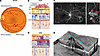
NPDR. In patients with mild NPDR, retinal microaneurysms and intraretinal hemorrhages are observed on clinical exam (Figure 1A). Progression to moderate and severe NPDR occurs with the development of extensive intraretinal hemorrhages, microaneurysms, venous beading, and/or intraretinal microvascular abnormalities (IRMA). At the cellular level (discussed below), these features involve glial cell activation, the dropout of pericytes and vascular smooth muscle cells (VSMCs), injury and death of capillary vascular endothelial cells (vECs), thickening of capillary basement membranes (BMs), leukostasis, vascular occlusions, and retinal ganglion cell (RGC) loss (10).
Retinal structure changes in diabetic retinopathy.Figure 1

Retinal structure changes in diabetic retinopathy. (A) Schematic diagram of the microvascular changes observed in NPDR. Intraretinal hemorrhages, microaneurysms, venous beading, and/or IRMA occur during the progression from early to moderate and severe NPDR. (B) Schematic diagram of PDR. Development of retinal NV occurs when newly formed abnormal blood vessels from the superficial vascular plexus (SVP) penetrate the ILM and enter the vitreous and develop into fibrovascular tissue. ICP, intermediate capillary plexus; DCP, deep capillary plexus. (C) Fluorescein angiogram from a patient with PDR. Inset shows fluorescein leakage from retinal neovascularization (red arrows). Areas of capillary drop out (nonperfused retina) are indicated by white asterisks. (D) Schematic diagram of DME. Breakdown of the iBRB results in the leakage of intravascular fluid and circulating lipids and proteins into the extravascular space of the neurosensory retina. (E) Spectral-domain optical coherence tomography from a patient with DME demonstrating loss of the foveal contour and the accumulation of intraretinal fluid (blue arrows) in the inner and outer retina. Patient images were obtained with informed consent from an IRB-approved clinical study at the Johns Hopkins University School of Medicine.

PDR. The development of retinal neovascularization (NV) (Figure 1B) and overt retinal ischemia (as seen on fluorescein angiography; Figure 1C) herald the development of PDR. In PDR, severe hypoxia disrupts the equilibrium between angiogenic and antiangiogenic factors, leading to pathological angiogenesis and the development of retinal NV. These newly formed abnormal blood vessels penetrate the internal limiting membrane (ILM), enter the vitreous, and develop into fibrovascular tissue. As it matures, the fibrovascular tissue can contract, leading to vitreous hemorrhage and/or tractional retinal detachment (11). If left untreated, PDR and its subsequent complications can lead to profound vision loss (11).

DME. Fluid balance in the retina relies on maintaining an equilibrium between the hydrostatic and oncotic pressure gradients across the retinal capillary beds (12). While the former functions to propel fluid out of the vessel into the interstitium, the latter arises from the concentration of proteins in the blood column, which holds fluid within the capillaries. In DME, breakdown of the inner blood-retinal barrier (iBRB) results in the leakage of vascular fluid (Figure 1D) and circulating lipids and proteins into the extravascular space of the neurosensory retina (13). If sufficient leakage occurs, this can result in macula edema (as seen on optical coherence tomography or OCT; Figure 1E), disrupting the normal retinal architecture and causing significant vision loss. DME may occur in both NPDR and PDR, but is more common in patients with more advanced DR (3). Nonetheless, DME and PDR are independent clinical features, with only about 30% of PDR patients exhibiting concurrent DME (14). Whereas PDR often responds robustly to even a single anti-VEGF injection, only 18%–45% of patients with DME achieve a meaningful improvement in vision despite ongoing treatment with anti-VEGF therapy (15), highlighting the heterogeneous and multifactorial nature of the disease.
Cellular changes in DR

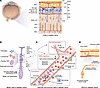
Activation of glial cells. In the retina, there are three major types of glial cells: Müller cells, astrocytes, and microglia (16). These three cell types originate from distinct precursors, distribute to different areas of the retina, and exhibit varying morphologies, but they perform numerous overlapping functions within the retina under physiologic and pathological conditions. Müller cells constitute approximately 90% of the retinal glia, and are the most well-studied glial cell contributing to DR (16). Müller cell somas are located in the inner nuclear layer (INL) but their processes extend anteriorly to the vitreous surface where they form the ILM, and posteriorly to the outer retina where they surround the inner segments of photoreceptor cells to form the outer limiting membrane (OLM) (Figure 2A) (16). Müller cells provide structural support and nutritional factors, maintain water and ion homeostasis, regulate neuronal activity, and eliminate neuronal debris and glutamate, thereby influencing the function of both neurons and vascular cells throughout the neurosensory retina (17).
Retinal cellular structural changes in diabetic retinopathy.Figure 2

Retinal cellular structural changes in diabetic retinopathy. (A) Schematic diagram of the cellular structures in a healthy neurosensory retina. There are three layers of retinal blood vessels, the SVP, intermediate capillary plexus (ICP), and deep capillary plexus (DCP) located in GCL, IPL, and OPL, respectively. Müller cells span the entire retina and interact with both neurons and vascular cells. While the somas are located in the INL, the processes extend apically surrounding inner segments of photoreceptor cells and basally approaching the vitreal surface, forming OLM and ILM, respectively. (B) In the diabetic retina, activated Müller cells exhibit hypertrophy, increased expression of GFAP, nuclear deformation, chromatin dispersion, decreased nuclear Nrf2, and increased cytoplasmic glycogen and lysosomes. Hyperglycemia stimulates the secretion of vasoactive mediators from activated Müller cells, including VEGF, ANGPT2, FGF, ANGPTL4, and TGF-β, and inflammatory cytokines, including IL-8, ICAM-1 and MCP-1, thereby promoting vascular permeability and neovascularization, stimulating retinal fibrosis, and recruiting leukocytes, ultimately contributing to chronic inflammation and neurovascular degeneration in DR. (C) Vascular cell changes, including loss of retinal pericytes, vascular endothelial cell dysfunction and death, tight junction breakdown, basement membrane thickening, and leukostasis, lead to iBRB breakdown, vascular occlusion, and neovascularization. Monocytes and neutrophils are the principal leukocyte populations that drive leukostasis. Leukocyte extravasation and iBRB breakdown mutually reinforce one another in retinal inflammation and DR, while infiltrating monocyte-derived macrophages further amplify leukostasis through the release of cytokines. (D) DR affects the morphology, function, and survival of RGCs. These changes include thinning of the RNFL, reduced RGC dendritic field sizes, irregular swelling and beading of axons, deceased branching frequency, and depleted synaptophysin.

Glial fibrillary acidic protein (GFAP) is a characteristic molecular marker for both Müller cell injury and astrocytes (16). While GFAP is not expressed in healthy Müller cells, studies from postmortem eyes of diabetic patients and animals demonstrate increased GFAP expression prior to the development of overt vascular changes, suggesting that Müller cell activation may be an early event in the development of DR, one that precedes its clinical vascular hallmarks (18). Müller cells in diabetic rats demonstrate substantial subcellular morphological alterations, including deformed and denser nuclei, dispersed nuclear chromatin, and increased cytoplasmic glycogen, dense bodies, and lysosomes; these changes are particularly pronounced adjacent to capillaries as DR progresses (19) (Figure 2B). Similarly, immunohistochemical studies on human retinas from patients with early-stage DR demonstrate that the BM of retinal vessels adjacent to Müller cells are thickened, with embedded translucent round vacuoles and densely packed granules (20). Hyperglycemia stimulates Müller cells to secrete vasoactive mediators, including VEGF (21), FGF (22), angiopoietin-like 4 (ANGPTL4) (23), and TGF-β (24). These growth factors play crucial roles in promoting vascular permeability, regulating NV and contributing to the development of retinal fibrosis in DR (Figure 2B).

Unlike neuroectoderm-derived Müller cells and astrocytes, microglia originate from yolk sac erythromyeloid progenitors and migrate into the retina during late embryonic development (25). As resident macrophages, microglia are primarily localized within the inner and outer plexiform layers (IPL and OPL, respectively), where they exhibit distinct functional properties tailored to each microenvironment (25). Activated microglia have been implicated in all stages of DR. In NPDR, perivascular microglia cluster within the inner retinal layers; these cells exhibit moderately enlarged (hypertrophic) bodies and a loss of their typical organized alignment along the optic nerve (26). As the disease progresses to PDR, microglial cells migrate toward ischemic zones, where they specifically aggregate around newly developed, dilated vessels (27). Microglia execute functions that are distinct and nonredundant from those of infiltrating monocyte-derived macrophages in DR (28). While adaptive microglial responses may help eliminate toxic waste with relatively low pathogenic cytokine expression, maladaptive responses can result in the recruitment of infiltrated monocyte-derived macrophages that promote DR progression (28).

Loss of retinal pericytes. Pericytes are elongated stellate-shaped cells with finger-like processes that envelop capillary walls alongside vECs. Pericytes play a vital role in maintaining the vascular integrity of the iBRB (29). The retina has a pericyte-to-vEC ratio of approximately 1:1, higher than in any other tissue in the body (30). A bidirectional communication between pericytes/VSMCs and vECs plays a crucial role in preserving the integrity and function of retinal blood vessels (6). Pericytes/VSMCs control vEC proliferation and bolster the survival and integrity of the endothelium (31), while vECs release vasoactive agents (e.g., PDGF-B) to support the survival of pericytes/VSMCs (31). Pericytes further help protect retinal vECs from inflammation-triggered apoptosis by inhibiting the proliferation of activated T cells (32).

Progressive pericyte loss occurs in early DR and can be detected histologically by the formation of pericyte ghost vessels: vacant space containing remnants of pericytes sequestered within the capillary BM (Figure 2C) (33). Pericyte depletion leads to disruption of vasodilatation and promotion of vEC proliferation, primarily due to the reduced pericyte production of TGF-β (34). Pericyte loss also promotes endothelial inflammation and microglia activation, sensitizes ECs to VEGF-A with ANGPT2, and drives sustained angiogenic and inflammatory signaling (35–37). Although less recognized, the demise of arterial and arteriolar VSMCs is also observed in both diabetic animal models and patients with DM (38). These changes contribute to the emergence of microaneurysms and intraretinal hemorrhages (39), which are among the earliest clinically observable vascular changes in NPDR. Progressively, the capillary dilation, microaneurysms, and increased vascular permeability induced by pericyte and VSMC dysfunction contribute to vascular leakage, resulting in DME (40).

vEC dysfunction and death. Retinal vECs are the main components of the iBRB, a single-layer physical barrier separating the vascular lumen from the retina (41). Under hyperglycemic conditions, vECs are directly exposed to elevated glucose levels, leading to damage of vEC junctional properties, increased permeability, and vEC loss (41) (Figure 2C). Paradoxically, DM expedites the regeneration of vECs within the retinal microvasculature (42); this is speculated to cause vECs to exhaust their replicative lifespan and reach their Hayflick limit prematurely (43). The death of vECs eventually results in the formation of acellular capillaries: BM tubes without vEC nuclei that have a reduced diameter compared with normal capillaries (44). Acellular capillaries are observed in the retinas of long-term diabetic animals and in postmortem retinal tissue from patients with DM (38).

Leukostasis and vascular occlusion. Leukocytes are immune cells that distribute throughout the body, including the blood and lymphatic system. In early DR, leukocyte activation (a consequence of increased expression of inflammatory mediators) in the setting of reduced retinal blood flow causes leukostasis: adherence of leukocytes to the vascular endothelium (Figure 2C) (45). Monocytes and neutrophils are the major leukocytes driving leukostasis (46, 47). Leukostasis can occlude retinal capillaries, contributing to the development of capillary nonperfusion and ischemia (40), a precursor for retinal NV in PDR (see below). Due to leukocytes’ inherent capacity to generate toxic superoxide radicals, leukostasis also contributes to pericyte loss and vEC death, leading to leukocyte extravasation that allows activated leukocytes (monocytes and neutrophils) to infiltrate the retina, further worsening vascular permeability and capillary nonperfusion observed in DME and DR (48).

RGC injury. DR affects the morphology, function, and survival of many retinal neurons, but RGCs appear to be particularly vulnerable to injury in the diabetic retina. A significant thinning of the retinal nerve fiber layer (RNFL) in patients with DM has been detected through scanning laser polarimetry, consistent with RGC loss (49). This was later corroborated using spectral-domain OCT (SD OCT) (50). The RNFL, ganglion cell layer (GCL), and IPL are thinner in diabetic patients with no DR (51), minimal DR (52), and mild DR (53) compared with age-matched (nondiabetic) controls, suggesting that injury to RGCs precedes clinical evidence of vascular changes in the retina. The ganglion cell–inner plexiform layer (GC-IPL) thickness also decreases faster in diabetic patients (with or without DR) compared with nondiabetic controls, and the decrease in inner retinal thickness correlates with duration of DM and DR progression (54).

These studies have been corroborated in multiple diabetic rodent models, in which thinning of the NFL and GCL has been reported as early as 4 weeks after diabetes onset (44, 55). By 3 months, decreased numbers of RGCs and increased TUNEL and cleaved caspase-3 staining were observed in the GCL of diabetic animals, suggesting that loss of RGCs occurs through apoptosis (56). Consistent with these observations, histological staining of retinas from patients with DM have also demonstrated RGC loss and increased expression of proapoptotic markers, including BAX, FAS, and cleaved caspase-3 and -9 (57, 58).

Similar to other neurodegenerative diseases, the structural changes observed in patients with DM are accompanied by early and sustained retinal dysfunction, particularly RGC dysfunction, including in patients with minimal or no microvascular changes (59). In patients with DM without DR (or with very early DR), functional impairments have been reported in contrast sensitivity, perimetry testing, and dark adaptation, and can be detected by multifocal electroretinogram (mfERG) (60, 61). These observations have been corroborated in diabetic mice, in which decreased RGC function is observed as early as 15 days after induction of hyperglycemia (62).

Reduced RGC dendritic field sizes, irregular swelling and beading axons, and deceased branching frequency have been reported in postmortem studies of diabetic retinas (63) (Figure 2D). Accordingly, both maximum and average dendrite branch length of RGCs were significantly decreased in mice as early as 2 weeks after induction of hyperglycemia (62). A decrease in the quantity of axons within the optic nerve is also observed in diabetic animals (64). This may represent a modification in the dendritic architecture of neurons and help explain the reductions in IPL thickness in DM patients and animal models (44, 56).

Photoreceptor damage. In the outer retina, the survival and function of photoreceptors (rods and cones) are also affected by DM. Degeneration of the outer segments of rods, most M-cones, and some S-cones are detected in the retina of patients with DM (65). Images using adaptive optics also reveal a reduction in cone cell density among individuals with advanced stages of DR (66). Similarly, in 3-month-old diabetic Ins2Akita mice, a 10% loss of S-cones has been reported (67). Functional studies further corroborate rod and/or cone deficits in patients with DM, prior to overt signs of vascular cell injury (68).
Pathological processes contributing to DR

The molecular mechanisms underlying DR, particularly vascular dysfunction and retinal neurodegeneration, can be broadly categorized into three groups: dysmetabolism, oxidative stress, and chronic inflammation.

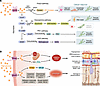
Dysmetabolism. Glucose homeostasis is elegantly regulated by coordinated interaction of glycolysis, the citric acid cycle, and oxidative phosphorylation. Glycolysis is a highly conserved metabolic pathway that converts glucose to lactate through a series of exquisitely synchronized enzymatic reactions. The concentration of glycolytic intermediates is tightly regulated. Prolonged exposure to high glucose results in increased production of glycolytic intermediate metabolites that accumulate and can contribute to the development of DR when shunted into four potentially damaging pathways: the polyol pathway, the hexosamine pathway, the protein kinase C (PKC) pathway, and the advanced glycation end products (AGEs) pathway (69) (Figure 3A). The accumulation of the metabolic intermediates from those four pathways affects glial cells, pericytes, endothelial cells, and RGCs, leading to angiogenesis, breakdown of the iBRB, and RGC death in DR (Table 1).
Pathological process in diabetic retinopathy.Figure 3

Pathological process in diabetic retinopathy. (A) Schematic diagram of dysmetabolism in response to high glucose. Aldose reductase (AR), a key enzyme in the polyol pathway, converts glucose into sorbitol, a highly hydrophilic sugar alcohol that is difficult to metabolize and accumulates in cells, contributing to glial cell activation, pericyte apoptosis, and endothelial cell death. Uridine diphosphate–N-acetylglucosamine (UDP-GlcNAc), produced via the hexosamine biosynthetic pathway, is the donor for O-GlcNAcylation, which mediates hyperglycemia-induced RGC death, impairs pericyte migration, and promotes retinal pericyte apoptosis. Increased protein kinase C (PKC) activity in retinal endothelial cells in diabetic retina induces pericyte apoptosis and acellular capillaries. AGEs stimulate pericyte apoptosis, angiogenesis, and breakdown of the iBRB. (B) High glucose enhances ROS accumulation while suppressing GSH expression in the retina, leading to oxidative stress and injury to the retinal microvasculature and neurons, including angiogenesis, iBRB breakdown, loss of RGCs, activation of Müller cells, activation of microglia, and damage to photoreceptors. High glucose also upregulates STING, which initiates the expression of inflammatory genes through NF-κB. In patients with DR, ocular tissues exhibit elevated levels of proinflammatory cytokines (IL-6, IL-1β, IL-8, TNF-α), chemokines (CCL-2/MCP-1, CXCL1), adhesion molecules (ICAM-1, VCAM-1), and growth factors (VEGF, TGF-β), which further promote injury to the retinal microvasculature and neurons.

Table 1

Four dysmetabolism pathways implicated in DR

Oxidative stress. Reactive oxygen species (ROS) are continuously produced in all cells to facilitate cellular processes. Low levels of (or transient increases in) ROS can promote vEC regeneration and growth (70). The main physiologic source of ROS is the electron transport chain in mitochondria, but they are also generated from NAD(P)H oxidase (Nox), nitric oxide synthases, and cytochrome P450 (71). Oxidative stress occurs when there is an imbalance between the generation and elimination of ROS. The retina is uniquely vulnerable to oxidative stress as it is constantly exposed to visible light and UV radiation, leading to continuous generation of ROS. The outer retina is also highly metabolically active and therefore continuously under high oxygen tension from the underlying (high flow/high oxygenation) choriocapillaris. The polyunsaturated fatty acids that comprise photoreceptor outer segment membranes are also readily oxidized (72). In DM, this is further exacerbated as the high levels of circulating serum glucose further increase superoxide levels (73) and decrease activity and levels of one of the main cellular antioxidants, glutathione (GSH) (74). Müller cells serve as the primary reservoir of GSH (75). In response to tissue stress, Müller cells release GSH to provide support to other cells in defense against oxidative challenges (76). Nuclear factor erythroid 2-related factor 2 (Nrf2), a key transcription factor and regulator of cellular antioxidant defense, is also preferentially expressed in Müller cells (77). In cultured Müller cells, hyperglycemia causes a rapid reduction in nuclear Nrf2 (78), which may be mediated by the REDD1/GSK3 pathway (79). Accumulation of ROS in the diabetic retina ultimately results in chronic oxidative stress and contributes to impairment of biological macromolecules, metabolic abnormalities, and injury to the retinal vasculature and neurons, contributing to DR (80) (Figure 3B).

Chronic inflammation. The retina is an immune-privileged tissue protected by the BRB, an immunosuppressive microenvironment, and intrinsic defenses such as microglia and the complement system (81, 82). In early DR, when the BRB remains intact, microglia and the complement system are mildly activated in the retina and function to clear intraretinal metabolic intermediates and maintain homeostasis. In advanced DR, as immune privilege becomes compromised, infiltrating immune cells including monocyte-derived macrophages enter the retina, driving chronic inflammation and contributing to vascular and neuronal injury (82).

Hyperglycemia stimulates Müller cells to secrete the inflammatory cytokine IL-8, which recruits leukocytes and amplifies diabetic retinal inflammation (83). In addition, activation of CD40, which is highly expressed in the retina of diabetic mice (84), leads to an increase in the expression of ICAM-1 and MCP-1 by Müller cells, further promoting the recruitment of leukocytes to retinal blood vessels and contributing to neurovascular degeneration (85). Accordingly, therapies targeting inflammatory pathways are used in the clinic to treat patients with DR, including those who respond inadequately to therapies targeting VEGF (86).

Recent evidence implicates the cyclic GMP-AMP synthase–stimulator of interferon genes (cGAS/STING) pathway in detecting cytosolic DNA and initiating the expression of inflammatory genes through NF-κB (87). STING is upregulated in patients with DR and in animal models of diabetic ocular disease, and contributes to the pathogenesis of DR by promoting retinal endothelial cell senescence and capillary degeneration (88). In addition, a series of proinflammatory cytokines (IL-6, IL-1β, IL-8, TNF-α), chemokines (CCL-2/MCP-1, CXCL1), adhesion molecules (ICAM-1, VCAM-1), and growth factors (VEGF, TGF-β) are all increased in ocular tissue from patients with DR and are believed to participate in the vascular and neuronal injury that characterizes DR pathogenesis (8) (Figure 3B).

Interplay among these pathways in DR. Oxidative stress and dysmetabolism pathways mutually reinforce each other to promote DR progression. The components and products from dysmetabolism pathways (Table 1) promote production of ROS. In turn, ROS amplifies the dysmetabolism pathways. Similarly, hyperglycemia-induced oxidative stress exerts a multifaceted influence on the immune response within the retina. For example, through mutual regulation, NF-κB signaling and ROS stimulate the release of inflammatory mediators involved in DR development (89). Oxidized lipids and proteins can also recruit microglia, which subsequently initiate the innate immune response to remove oxidative products (82). A common consequence of oxidative stress in the retina is mitochondrial injury, which leads to the release of mitochondrial DNA into the cytosol (90). This, in turn, activates cGAS/STING signaling, which exacerbates oxidative damage and stimulates immune system activation (91). Oxidative stress also inhibits expression of complement factor H, thereby affecting regulation of the complement system in the retina (92) while simultaneously boosting formation of AGEs (93), which serve as persistent antigenic stimuli that induce proinflammatory cytokine production (94).
HIFs and HIF-regulated genes in DR

There are several molecular pathways that are important for the development of DR. However, one family of transcription factors, the HIFs, plays a central role in glucose dysregulation, dysmetabolism, oxidative stress, and chronic inflammation, and contributes to many of the pathological outcomes observed in patients with DR described above.

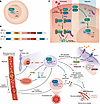
HIF-1α and HIF-2α. HIFs are heterodimeric proteins consisting of an oxygen-sensitive α subunit and a ubiquitously expressed β subunit (Figure 4A) (95). HIF-1α exhibits widespread expression, while HIF-2α is characterized by tissue-specific expression patterns (95). Human HIF-1α and HIF-2α share just 48% overall amino acid identity, but have very high similarity in their functional domains, including their DNA binding domain (83% identity) and oxygen-dependent degradation domain (70% identify). Accordingly, both HIF-1α and HIF-2α play important roles in regulating gene transcription in hypoxic cells (Figure 4B).
The interplay between HIFs and dysmetabolism, oxidative stress, and inflammFigure 4

The interplay between HIFs and dysmetabolism, oxidative stress, and inflammation in diabetic retinopathy. (A) HIFs are heterodimeric proteins composed of an oxygen-sensitive α subunit and a ubiquitously expressed β subunit that bind to the hypoxia response element (HRE) of hypoxia-inducible genes. (B) HIF-1α and HIF-2α both contain a basic helix-loop-helix (bHLH) domain, PER-ARNT-SIM (PAS) domain, an oxygen-dependent degradation (ODD) domain, and an N-terminal and C-terminal transactivation domain (NTAD and CTAD, respectively). (C) Under normoxic conditions (left), HIF-1α and HIF-2α are hydroxylated at conserved proline residues by PHDs, marking them for recognition and degradation by the pVHL complex. Under hypoxic conditions (right), PHDs fail to hydroxylate HIF-1α and HIF-2α, allowing the proteins to accumulate, translocate to the nucleus, and activate transcription of their downstream target (hypoxia-inducible) genes. (D) In the diabetic retina, hyperglycemia stimulates oxidative stress and inflammation, stimulating accumulation of HIFs in retinal cells. Treatment with insulin can result in transient hypoglycemia that promotes increased translation and nuclear translocation of HIFs, independently of the canonical posttranslational modifications of HIFs observed in response to hypoxia. In Müller cells, accumulation of HIFs in response to hypoglycemia results in increased expression of GLUT1 and glycolytic enzymes, which promote glycolysis and lactate production. The lactate is exported through monocarboxylate transporter (MCT4) to support retinal neurons’ metabolism. However, in the diabetic retina, this physiologic response can have pathologic consequences, as increased HIF-regulated vasoactive mediators (e.g., VEGF, ANGPT2, and ANGPTL4) are also secreted from Müller cells in response to hypoglycemia. These mediators stimulate breakdown of the inner blood-retinal barrier, vessel leakage, and pathological angiogenesis. In endothelial cells, increased HIF-2α promotes expression of plasminogen activator inhibitor 1 (PAI-1) and ADORA2A. PAI-1 stimulates vascular leakage and angiogenesis, while ADORA2A induces HIF-1α accumulation, further supporting endothelial cell glycolysis and thereby promoting retinal neovascularization.

Under normoxic conditions, HIF-1α and HIF-2α are hydroxylated by prolyl hydroxylases (PHDs) at conserved proline residues (96), and subsequently recognized and degraded by the von Hippel-Lindau protein (pVHL) complex (Figure 4C) (97). In hypoxia, PHD activity is reduced due to lack of oxygen as a cosubstrate, leading to accumulation of HIF-1α and HIF-2α (98) (Figure 4C). HIFs directly influence the expression of over 1,000 genes, but only a subset of these are increased (or decreased) in response to hypoxia (99), and expression of these genes varies depending on the environmental stimulus, timing, and cell type.

HIFs in DR. Increased expression of both HIF-1α and HIF-2α has been reported in serum from patients with NPDR (100), vitreous (101) and ischemic retinal tissue (102, 103) from patients with PDR, as well as other ischemic retinopathies (104, 105) and in the ischemic retina of preclinical models (23, 103, 105–107). Accumulation of HIFs in the ischemic retina promotes the expression of the vasoactive mediators that drive retinal NV in PDR (108) and vascular hyperpermeability in DME (23). However, emerging evidence implicates accumulation of HIFs earlier in the development of DR, prior to the overt development of retinal ischemia. Accumulation of HIF-1α has been reported in the inner retina of patients with NPDR (23), while studies in diabetic mice have demonstrated that hyperglycemia for as little as one month, prior to evidence of retinal ischemia, is sufficient to result in accumulation of both HIF-1α and HIF-2α, as well as increased expression of vasoactive mediators they regulate (107).

It has recently been reported that transient episodes of hypoglycemia, a common occurrence in patients with DM undergoing tight glycemic control (TGC) or those with high glycemic variability, can also increase HIF-1α activity in inner retinal cells independently of its canonical regulation by posttranslational stabilization (Figure 4D) (109). Accumulation of HIF-1α was found to play a key physiologic role in maintaining the health of retinal Müller cells in hypoglycemia by influencing aerobic glycolysis and NAD+ and lactate production through its regulation of the expression of glucose transporter GLUT1 as well as key glycolytic enzymes, including lactate dehydrogenase-A (LDHA) and pyruvate dehydrogenase kinase 1 (PDK1) (109). However, this physiologic response to hypoglycemia has also been shown to have a paradoxical pathological consequence in the diabetic retina by upregulating expression of HIF-regulated vasoactive genes (109) that, in turn, promote breakdown of the iBRB and retinal vascular leakage in diabetic mice (110) (Figure 4D). These studies suggest that pharmacologic inhibition of HIFs could be a rational therapeutic avenue to prevent worsening of DR observed in patients initiating TGC (111).

Studies using tissue from patients with DR and diabetic mice implicate activated Müller cells as critical players in the HIF-1–dependent expression of vasoactive mediators (23). In Müller cell–specific Hif1a-knockout mice, there is a reduction in vascular leakage and prevention of NV despite persistence of retinal ischemia (112). HIF-2α expression in mouse models of ischemic retinal disease is observed in inner retinal cells as well as vECs (105) (Figure 4D). Pharmacologic or genetic inhibition of HIF-1α or HIF-2α accumulation in the inner ischemic retina prevents the development of retinal NV in a mouse model of ischemic retinopathy (105, 107). Collectively, these studies further support the use of therapies targeting both HIF-1α and HIF-2α to prevent or treat DR.

The critical role of HIFs in DR is further supported by the observation that therapies targeting one HIF-regulated vasoactive mediator, VEGF, are currently the gold standard for the treatment of both DME and PDR (108). However, in addition to VEGF, many other vasoactive genes regulated by HIFs also engage in the pathogenesis of DR, including VEGF receptor 2 (or KDR) (113), angiopoietin 2 (ANGPT2) and its downstream effector (114), vascular endothelial–protein tyrosine phosphatase (VE-PTP) (115), PDGF-B (116), ANGPTL4 (23, 117-119), MMPs (106), and plasminogen activator inhibitor-1 (PAI-1) (103). These proteins contribute to the development of vascular hyperpermeability in patients with DME (Table 2) and/or retinal NV in patients with PDR (Table 3). The recent introduction of therapies targeting ANGPT2 demonstrates a potential advantage of targeting HIF-regulated vasoactive mediators, in addition to VEGF, for the treatment of DR (120).
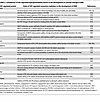
Table 2

Contribution of HIF-regulated hyperpermeability factors to the development of vascular leakage in DME

Table 3

Contribution of HIF-regulated angiogenic mediators to pathological angiogenesis in PDR

HIFs and metabolism in DR. The neurosensory retina is among the highest-energy-demand tissues in mammals (121). To produce ATP, retinal neurons mainly rely on glucose (122), predominantly metabolized via glycolysis despite the presence of oxygen (123). Similarly, retinal vECs produce over 80% of their ATP through aerobic glycolysis (124), and its inhibition reduces vEC proliferation and migration (125). After crossing retinal vECs, glucose can access other cell types through GLUT1 transporters located in cell bodies of Müller cells, and the outer segments of photoreceptors (126). Müller cell energy production is also dependent on glycolysis (127). Lactate produced by glycolysis in Müller cells is converted to glycogen and stored or released and transferred to retinal neurons, which convert lactate to pyruvate for oxidative phosphorylation (127). While 99% of glucose taken up by Müller cells is used for glycolysis (128), in conditions of metabolic stress (e.g., hypoglycemia), glycogen in Müller cells is broken down to produce essential metabolites (e.g., lactic acid) which are utilized by retinal neurons lacking sufficient resources (128).

Retinal photoreceptors exhibit greater metabolic activity compared with the inner retinal cells, but also undergo aerobic glycolysis to meet their high metabolic demand (129). Glucose used by photoreceptors is transported from the choroidal vasculature via the retinal pigment epithelium (RPE) (129). To support glycolysis in photoreceptors, RPE has limited glucose consumption. Instead, RPE generates ATP from oxidative phosphorylation utilizing nutrients from the bloodstream and metabolic by-products (e.g., lactate) derived from photoreceptors and other retinal neurons (129).

HIFs promote glycolysis in part by increasing expression of glucose transporters, such as GLUT1 and GLUT3 (130), thereby enhancing glucose uptake. They also augment expression of enzymes involved in glycolysis (109, 131), including hexokinases, phosphofructokinases, aldolases, glyceraldehyde 3-​phosphate dehydrogenase, phosphoglycerate kinase 1, enolases, and pyruvate kinase M. Furthermore, HIFs promote the expression of LDHA, to increase conversion of pyruvate to lactate, and monocarboxylate transporter 4, to export lactate to the extracellular space, and they increase PDK1 to block the conversion of pyruvate to acetyl-CoA, thereby inhibiting the TCA cycle (131) (Figure 4D).

Regulation of key glycolytic enzymes by HIFs has previously been shown to influence the development of pathological NV in mouse models of ischemic retinopathy (132). It was recently reported that HIF-2α mediates hypoxia-induced expression of the adenosine A2a receptor (ADORA2A) in human retinal vECs (133). This in turn induces HIF-1α accumulation and further promotes glycolysis (133). vEC-specific deletion of Adora2a decreases glycolysis and reduces NV in the retina from mice with oxygen-induced retinopathy (133) (Figure 4D).

HIFs and oxidative stress in DR. Although direct evidence demonstrating that HIFs regulate oxidative stress in patients with DR is still lacking, ROS production is known to activate HIFs in other disease contexts, including cancer (134). In human retinal vECs, the oxidative stress inhibitor scutellarin decreased high-glucose-induced ROS production that led to HIF-1α degradation, thereby inhibiting retinal NV (135). Oxidized LDL (oxLDL) has also been shown to elevate HIF-1α expression, and inhibition of HIF-1α blocks the angiogenic effect of oxLDL (136) (Figure 4D). Oxidative stress has also been implicated in the accumulation of HIF-1α in the RPE and the promotion of choroidal NV in age-related macular degeneration (AMD) (137). Collectively, these studies demonstrate how oxidative stress could contribute to the early induction of HIF-1α in DR, prior to the development of overt retinal ischemia.

HIFs and inflammation in DR. Accumulating evidence supports an interplay between HIFs and inflammatory mediators in the promotion of DR. IL-27 is significantly reduced in the aqueous humor of patients with DR compared with nondiabetic controls (138). IL-27 suppresses VEGF expression by reducing HIF-1α accumulation in macrophages from patients with DR (139). The expression of six-transmembrane epithelial antigen of the prostate 4, a membrane protein associated with hyperglycemic-induced inflammation, is decreased in human retinal vECs cultured in high glucose, preventing its ability to inhibit HIF-1α expression (140). A small peptide derived from the activity-dependent neuroprotective protein has been shown to prevent outer BRB breakdown by inhibiting HIF-1α and HIF-2α accumulation and, in turn, VEGF and VEGFR expression (141). The basal expression level of STING is stringently maintained by HIF-1α at the transcriptional level (142). STING also enhances NF-κB/HIF-1α/VEGF expression in oxidative stress–induced senescence of RPE (143) (Figure 4D). As HIFs have been reported to play a critical role in the inflammatory response in other conditions, further studies evaluating whether HIFs play a similar role in regulating the immune response in DR are warranted.
Conclusion

Therapies targeting VEGF have had a remarkable impact on the treatment of patients with DR. Results from clinical trials assessing the efficacy of therapies targeting two other HIF-regulated genes, ANGPT2 and VE-PTP, have also shown promise. This has led to the development of a new class of therapies that target VEGF and ANGPT2 for the treatment of DME (144). An alternative approach is to target HIFs directly rather than the genes they regulate (Table 4). This approach takes advantage of the observation that HIFs increase expression of these factors primarily under pathological, not physiological, conditions (145). Another advantage of therapies targeting HIFs is that they reduce the expression of multiple vasoactive mediators to physiologic levels (107), and may play a similar role in regulating inflammatory mediators. This broad (arguably, more tempered) approach may mitigate the effects of completely neutralizing the expression of HIF-regulated vasoactive and inflammatory mediators while improving the efficacy of therapies targeting one (or two) vasoactive mediator(s).
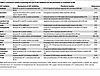
Table 4

Preclinical studies examining the use of HIF inhibitors for the prevention or treatment of DR

Ongoing work from several labs has focused on repurposing available small molecule inhibitors to block HIF activity (105, 146). However, recent studies suggest that these drugs may not be suitable for treatment of ocular disease due to off-target effects causing toxicity to the neurosensory retina (107). This has led to the development of a new generation of HIF inhibitors. One example, 32-134D (147), was recently reported to be nontoxic to the retina at doses that effectively blocked HIF-1α and HIF-2α accumulation (107). Injection of 32-134D significantly inhibited retinal vascular hyperpermeability and retinal NV in mouse models of DM and AMD (107, 110, 148). Selective targeting of only HIF-2 with PT2385, a small-molecule HIF-2–specific inhibitor closely related to the recently FDA-approved drug belzutifan, also inhibited retinal NV in mouse models of ischemic retinopathies (103, 105). However, whether targeting HIF-2 alone will be sufficient for the treatment of patients with ischemic retinal disease remains unclear (105).

As with any target, it is important to acknowledge the potential limitations of inhibiting HIFs, which play an important protective role in cells and tissues in the setting of ischemic injury, oxidative stress, and inflammation. For example, pharmacologic HIF-1 inhibition increased, while HIF-1 augmentation decreased, photoreceptor apoptosis in two oxidative-stress mouse models, supporting a protective role for HIF-1 in photoreceptors in the setting of acute oxidative stress (137). Accordingly, stabilization of HIF-1α by pyruvate protected mouse photoreceptors against light-induced oxidative stress (149). HIFs also play a role in Müller cells and retinal neurons by coordinating cell metabolism, oxidative stress, and inflammation in DR. Consequently, nonselective HIF inhibition in DR could compromise critical neuroprotective and metabolic functions. Overcoming this limitation may require more refined therapeutic strategies, including cell-type-specific delivery platforms and temporal regulation of HIF activity, to preserve beneficial HIF functions while mitigating its pathogenic effects. Ultimately, understanding the relative contribution of HIFs and specific HIF-regulated genes to both the pathological and the protective response to retinal injury will be necessary to effectively design the next generation of therapies for DR.
Funding support

This work is the result of NIH funding, in whole or in part, and is subject to the NIH Public Access Policy. Through acceptance of this federal funding, the NIH has been given a right to make the work publicly available in PubMed Central. The funding organizations had no role in the design or conduct of this research.

  • NIH grants R01EY035889, R01EY029750, R01EY032104, and R21EY033934 to AS.
  • Research to Prevent Blindness, Inc., Special Scholar Award (to AS) and Career Development Award (to CG).
  • Norman Raab Foundation (to AS and CG).
  • Branna and Irving Sisenwein Professorship in Ophthalmology (to AS).
Footnotes

Conflict of interest: AS is a co-founder of and holds equity in HIF Therapeutics, Inc. This arrangement has been reviewed and approved by Johns Hopkins University in accordance with its conflict-of-interest policies.

Copyright: © 2026, Guo et al. This is an open access article published under the terms of the Creative Commons Attribution 4.0 International License.

Reference information: J Clin Invest. 2026;136(5):e200945.https://doi.org/10.1172/JCI200945.

References
  1. Nentwich MM, Ulbig MW. Diabetic retinopathy - ocular complications of diabetes mellitus. World J Diabetes. 2015;6(3):489–499.
    View this article via: CrossRef PubMed Google Scholar
  2. Mesquida M, et al. The role of inflammation in diabetic eye disease. Semin Immunopathol. 2019;41(4):427–445.
    View this article via: CrossRef PubMed Google Scholar
  3. Batchelder T, Barricks M. The Wisconsin Epidemiologic Study of Diabetic Retinopathy. Arch Ophthalmol. 1995;113(6):702–703.
    View this article via: PubMed CrossRef Google Scholar
  4. Jampol LM, et al. Evaluation and care of patients with diabetic retinopathy. N Engl J Med. 2020;382(17):1629–1637.
    View this article via: CrossRef PubMed Google Scholar
  5. Zoungas S, et al. Effects of intensive glucose control on microvascular outcomes in patients with type 2 diabetes: a meta-analysis of individual participant data from randomised controlled trials. Lancet Diabetes Endocrinol. 2017;5(6):431–437.
    View this article via: CrossRef PubMed Google Scholar
  6. Creager MA, et al. Diabetes and vascular disease: pathophysiology, clinical consequences, and medical therapy: Part I. Circulation. 2003;108(12):1527–1532.
    View this article via: CrossRef PubMed Google Scholar
  7. Cecilia OM, et al. Oxidative stress as the main target in diabetic retinopathy pathophysiology. J Diabetes Res. 2019;2019:8562408.
    View this article via: CrossRef PubMed Google Scholar
  8. Tang L, et al. Inflammation in diabetic retinopathy: possible roles in pathogenesis and potential implications for therapy. Neural Regen Res. 2023;18(5):976–982.
    View this article via: CrossRef PubMed Google Scholar
  9. Sachdeva MM. Retinal neurodegeneration in diabetes: an emerging concept in diabetic retinopathy. Curr Diab Rep. 2021;21(12):65.
    View this article via: CrossRef PubMed Google Scholar
  10. Antonetti DA, et al. Current understanding of the molecular and cellular pathology of diabetic retinopathy. Nat Rev Endocrinol. 2021;17(4):195–206.
    View this article via: CrossRef PubMed Google Scholar
  11. Stitt AW, et al. The progress in understanding and treatment of diabetic retinopathy. Prog Retin Eye Res. 2016;51:156–186.
    View this article via: CrossRef PubMed Google Scholar
  12. Curtis TM, et al. Microvascular lesions of diabetic retinopathy: clues towards understanding pathogenesis? Eye (Lond). 2009;23(7):1496–1508.
    View this article via: CrossRef PubMed Google Scholar
  13. Klaassen I, et al. Molecular basis of the inner blood-retinal barrier and its breakdown in diabetic macular edema and other pathological conditions. Prog Retin Eye Res. 2013;34:19–48.
    View this article via: CrossRef PubMed Google Scholar
  14. Writing Committee for the Diabetic Retinopathy Clinical Research N, et al. Panretinal photocoagulation vs intravitreous ranibizumab for proliferative diabetic retinopathy: a randomized clinical trial. JAMA. 2015;314(20):2137–2146.
    View this article via: CrossRef PubMed Google Scholar
  15. Aldokhail LS, et al. Outcomes of anti-VEGF therapy in eyes with diabetic macular edema, vein occlusion-related macular edema, and neovascular age-related macular degeneration: A systematic review. Clin Ophthalmol. 2024;18:3837–3851.
    View this article via: CrossRef PubMed Google Scholar
  16. Vecino E, et al. Glia-neuron interactions in the mammalian retina. Prog Retin Eye Res. 2016;51:1–40.
    View this article via: CrossRef PubMed Google Scholar
  17. Kobat SG, Turgut B. Importance of Müller cells. Beyoglu Eye J. 2020;5(2):59–63.
    View this article via: PubMed CrossRef Google Scholar
  18. Barber AJ, et al. Altered expression of retinal occludin and glial fibrillary acidic protein in experimental diabetes. The Penn State Retina Research Group. Invest Ophthalmol Vis Sci. 2000;41(11):3561–3568.
    View this article via: PubMed Google Scholar
  19. Sorrentino FS, et al. The importance of glial cells in the homeostasis of the retinal microenvironment and their pivotal role in the course of diabetic retinopathy. Life Sci. 2016;162:54–59.
    View this article via: CrossRef PubMed Google Scholar
  20. Feher J, et al. Ultrastructure of neurovascular changes in human diabetic retinopathy. Int J Immunopath Ph. 2018;31:394632017748841.
    View this article via: PubMed CrossRef Google Scholar
  21. Rezzola S, et al. VEGF-independent activation of Müller cells by the vitreous from proliferative diabetic retinopathy patients. Int J Mol Sci. 2021;22(4):2179.
    View this article via: CrossRef PubMed Google Scholar
  22. Li X, et al. Müller cells in pathological retinal angiogenesis. Transl Res. 2019;207:96–106.
    View this article via: CrossRef PubMed Google Scholar
  23. Xin X, et al. Hypoxic retinal Muller cells promote vascular permeability by HIF-1-dependent up-regulation of angiopoietin-like 4. Proc Natl Acad Sci U S A. 2013;110(36):3425–3434.
    View this article via: CrossRef PubMed Google Scholar
  24. Schmalen A, et al. Proteomic phenotyping of stimulated muller cells uncovers profound pro-inflammatory signaling and antigen-presenting capacity. Front Pharmacol. 2021;12:771571.
    View this article via: CrossRef PubMed Google Scholar
  25. O’Koren EG, et al. Microglial function is distinct in different anatomical locations during retinal homeostasis and degeneration. Immunity. 2019;50(3):723–737.
    View this article via: CrossRef PubMed Google Scholar
  26. Chen XF, et al. Early spatiotemporal characterization of microglial activation in the retinas of rats with streptozotocin-induced diabetes. Graefes Arch Clin Exp Ophthalmol. 2015;253(4):519–525.
    View this article via: CrossRef PubMed Google Scholar
  27. Karlstetter M, et al. Retinal microglia: just bystander or target for therapy? Prog Retin Eye Res. 2015;45:30–57.
    View this article via: CrossRef PubMed Google Scholar
  28. Yu C, et al. Microglia versus monocytes: distinct roles in degenerative diseases of the retina. Trends Neurosci. 2020;43(6):433–449.
    View this article via: CrossRef PubMed Google Scholar
  29. Quaegebeur A, et al. Pericytes: blood-brain barrier safeguards against neurodegeneration? Neuron. 2010;68(3):321–323.
    View this article via: CrossRef PubMed Google Scholar
  30. Shepro D, Morel NML. Pericyte physiology. FASEB J. 1993;7(11):1031–1038.
    View this article via: CrossRef PubMed Google Scholar
  31. Lin J, et al. Pericytes and the pathogenesis of diabetic retinopathy. Diabetes. 2002;51(10):3107–3112.
    View this article via: CrossRef PubMed Google Scholar
  32. Tu ZD, et al. Retinal pericytes inhibit activated T cell proliferation. Invest Ophthalmol Vis Sci. 2011;52(12):9005–9010.
    View this article via: CrossRef PubMed Google Scholar
  33. Kador PF, et al. Prevention of pericyte ghost formation in retinal capillaries of galactose-fed dogs by aldose reductase inhibitors. Arch Ophthalmol. 1988;106(8):1099–1102.
    View this article via: CrossRef PubMed Google Scholar
  34. Wong TY, et al. Diabetic retinopathy. Nat Rev Dis Primers. 2016;2:16012.
    View this article via: CrossRef PubMed Google Scholar
  35. Ogura S, et al. Sustained inflammation after pericyte depletion induces irreversible blood-retina barrier breakdown. JCI Insight. 2017;2(3):e90905.
    View this article via: JCI Insight CrossRef PubMed Google Scholar
  36. Park DY, et al. Plastic roles of pericytes in the blood-retinal barrier. Nat Commun. 2017;8:15296.
    View this article via: CrossRef PubMed Google Scholar
  37. Kinuthia UM, et al. Immunomodulation of inflammatory responses preserves retinal integrity in murine models of pericyte-depletion retinopathy. JCI Insight. 2025;10(15):e184465.
    View this article via: JCI Insight CrossRef PubMed Google Scholar
  38. Gardiner TA, et al. Arteriolar involvement in the microvascular lesions of diabetic retinopathy: implications for pathogenesis. Microcirculation. 2007;14(1):25–38.
    View this article via: CrossRef PubMed Google Scholar
  39. Shin ES, et al. Diabetes and retinal vascular dysfunction. J Ophthalmic Vis Res. 2014;9(3):362–373.
    View this article via: PubMed CrossRef Google Scholar
  40. Bandello F, et al. Pathophysiology and treatment of diabetic retinopathy. Acta Diabetol. 2013;50(1):1–20.
    View this article via: CrossRef PubMed Google Scholar
  41. Li M, et al. A new perspective on protecting the blood-retinal barrier against injury in diabetic retinopathy: mitophagy. Front Endocrinol (Lausanne). 2025;16:1617797.
    View this article via: CrossRef PubMed Google Scholar
  42. Sharma NK, et al. A morphologic and autoradiographic study of cell death and regeneration in the retinal microvasculature of normal and diabetic rats. Am J Ophthalmol. 1985;100(1):51–60.
    View this article via: CrossRef PubMed Google Scholar
  43. Linskens MHK, et al. Replicative senescence and cell death. Science. 1995;267(5194):17.
    View this article via: CrossRef PubMed Google Scholar
  44. Barber AJ, et al. The Ins2(Akita) mouse as a model of early retinal complications in diabetes. Invest Ophth Vis Sci. 2005;46(6):2210–2218.
    View this article via: CrossRef Google Scholar
  45. Herdade AS, et al. Effects of diabetes on microcirculation and leukostasis in retinal and non-ocular tissues: implications for diabetic retinopathy. Biomolecules. 2020;10(11):1583.
    View this article via: CrossRef PubMed Google Scholar
  46. Rangasamy S, et al. Chemokine mediated monocyte trafficking into the retina: role of inflammation in alteration of the blood-retinal barrier in diabetic retinopathy. PLoS One. 2014;9(10):e108508.
    View this article via: CrossRef PubMed Google Scholar
  47. Monickaraj F, et al. Transcriptomic profiling reveals chemokine CXCL1 as a mediator for neutrophil recruitment associated with blood-retinal barrier alteration in diabetic retinopathy. Diabetes. 2023;72(6):781–794.
    View this article via: CrossRef PubMed Google Scholar
  48. Miyamoto K, Ogura Y. Pathogenetic potential of leukocytes in diabetic retinopathy. Semin Ophthalmol. 1999;14(4):233–239.
    View this article via: CrossRef PubMed Google Scholar
  49. Takahashi H, et al. Diabetes-associated retinal nerve fiber damage evaluated with scanning laser polarimetry. Am J Ophthalmol. 2006;142(1):88–94.
    View this article via: CrossRef PubMed Google Scholar
  50. Sugimoto M, et al. Detection of early diabetic change with optical coherence tomography in type 2 diabetes mellitus patients without retinopathy. Ophthalmologica. 2005;219(6):379–385.
    View this article via: CrossRef PubMed Google Scholar
  51. Orduna-Hospital E, et al. Changes in retinal layers in type 1 diabetes mellitus without retinopathy measured by spectral domain and swept source OCTs. Sci Rep. 2021;11(1):10427.
    View this article via: CrossRef PubMed Google Scholar
  52. van Dijk HW, et al. Early neurodegeneration in the retina of type 2 diabetic patients. Invest Ophthalmol Vis Sci. 2012;53(6):2715–2719.
    View this article via: CrossRef PubMed Google Scholar
  53. van Dijk HW, et al. Selective loss of inner retinal layer thickness in type 1 diabetic patients with minimal diabetic retinopathy. Invest Ophthalmol Vis Sci. 2009;50(7):3404–3409.
    View this article via: CrossRef PubMed Google Scholar
  54. Sung JY, et al. The ganglion cell-inner plexiform layer thickness/vessel density of superficial vascular plexus ratio according to the progression of diabetic retinopathy. Invest Ophth Vis Sci. 2022;63(6):4.
    View this article via: CrossRef PubMed Google Scholar
  55. Qin YW, et al. Dendritic abnormalities in retinal ganglion cells of three-month diabetic rats. Curr Eye Res. 2006;31(11):967–974.
    View this article via: CrossRef PubMed Google Scholar
  56. Martin PM, et al. Death of retinal neurons in streptozotocin-induced diabetic mice. Invest Ophthalmol Vis Sci. 2004;45(9):3330–3336.
    View this article via: CrossRef PubMed Google Scholar
  57. Abu El-Asrar AM, et al. Expression of apoptosis markers in the retinas of human subjects with diabetes. Invest Ophthalmol Vis Sci. 2004;45(8):2760–2766.
    View this article via: CrossRef PubMed Google Scholar
  58. Oshitari T, et al. Mitochondria- and caspase-dependent cell death pathway involved in neuronal degeneration in diabetic retinopathy. Br J Ophthalmol. 2008;92(4):552–556.
    View this article via: CrossRef PubMed Google Scholar
  59. van Dijk HW, et al. Association of visual function and ganglion cell layer thickness in patients with diabetes mellitus type 1 and no or minimal diabetic retinopathy. Vision Res. 2011;51(2):224–228.
    View this article via: CrossRef PubMed Google Scholar
  60. Parravano M, et al. Functional retinal impairment in type 1 diabetic patients without any signs of retinopathy. Ophthalmic Res. 2013;50(2):108–112.
    View this article via: CrossRef PubMed Google Scholar
  61. McAnany JJ, et al. Contrast sensitivity is associated with outer-retina thickness in early-stage diabetic retinopathy. Acta Ophthalmol. 2020;98(2):e224–e231.
    View this article via: CrossRef PubMed Google Scholar
  62. Amato R, et al. Morpho-functional analysis of the early changes induced in retinal ganglion cells by the onset of diabetic retinopathy: The effects of a neuroprotective strategy. Pharmacol Res. 2022;185:106516.
    View this article via: CrossRef PubMed Google Scholar
  63. Meyer-Rusenberg B, et al. Pathological changes in human retinal ganglion cells associated with diabetic and hypertensive retinopathy. Graefes Arch Clin Exp Ophthalmol. 2007;245(7):1009–1018.
    View this article via: CrossRef PubMed Google Scholar
  64. Howell SJ, et al. Degeneration of retinal ganglion cells in diabetic dogs and mice: relationship to glycemic control and retinal capillary degeneration. Mol Vis. 2013;19:1413–1421.
    View this article via: PubMed Google Scholar
  65. Enzsoly A, et al. Pathologic alterations of the outer retina in streptozotocin-induced diabetes. Invest Ophthalmol Vis Sci. 2014;55(6):3686–3699.
    View this article via: CrossRef PubMed Google Scholar
  66. Soliman MK, et al. High-resolution imaging of parafoveal cones in different stages of diabetic retinopathy using adaptive optics fundus camera. Plos One. 2016;11(4):e0152788.
    View this article via: CrossRef PubMed Google Scholar
  67. Hombrebueno JR, et al. Loss of synaptic connectivity, particularly in second order neurons is a key feature of diabetic retinal neuropathy in the Ins2(Akita) mouse. Plos One. 2014;9(5):e97970.
    View this article via: CrossRef PubMed Google Scholar
  68. Rajagopal R, Kern T. Clinical evidence of a photoreceptor origin in diabetic retinal disease. Ophthalmol Sci. 2025;5(1):100591.
    View this article via: CrossRef PubMed Google Scholar
  69. Gardner TW, Davila JR. The neurovascular unit and the pathophysiologic basis of diabetic retinopathy. Graefes Arch Clin Exp Ophthalmol. 2017;255(1):1–6.
    View this article via: CrossRef PubMed Google Scholar
  70. Panieri E, Santoro MM. ROS signaling and redox biology in endothelial cells. Cell Mol Life Sci. 2015;72(17):3281–3303.
    View this article via: CrossRef PubMed Google Scholar
  71. Droge W. Free radicals in the physiological control of cell function. Physiol Rev. 2002;82(1):47–95.
    View this article via: CrossRef PubMed Google Scholar
  72. Catala A. Lipid peroxidation of membrane phospholipids in the vertebrate retina. Front Biosci (Schol Ed). 2011;3(1):52–60.
    View this article via: CrossRef PubMed Google Scholar
  73. Du Y, et al. Hyperglycemia increases mitochondrial superoxide in retina and retinal cells. Free Radic Biol Med. 2003;35(11):1491–1499.
    View this article via: CrossRef PubMed Google Scholar
  74. Meister A. Glutathione metabolism and its selective modification. J Biol Chem. 1988;263(33):17205–17208.
    View this article via: CrossRef PubMed Google Scholar
  75. Valko M, et al. Free radicals and antioxidants in normal physiological functions and human disease. Int J Biochem Cell Biol. 2007;39(1):44–84.
    View this article via: CrossRef PubMed Google Scholar
  76. Huster D, et al. The glutathione content of retinal Müller (glial) cells: effect of pathological conditions. Neurochem Int. 2000;36(4-5):461–469.
    View this article via: CrossRef PubMed Google Scholar
  77. Xu ZH, et al. NRF2 plays a protective role in diabetic retinopathy in mice. Diabetologia. 2014;57(1):204–213.
    View this article via: CrossRef PubMed Google Scholar
  78. Albert-Garay JS, et al. High glucose concentrations induce oxidative stress by inhibiting Nrf2 expression in rat Muller retinal cells in vitro. Sci Rep. 2022;12(1):1261.
    View this article via: CrossRef PubMed Google Scholar
  79. Miller WP, et al. The stress response protein REDD1 promotes diabetes-induced oxidative stress in the retina by Keap1-independent Nrf2 degradation. J Biol Chem. 2020;295(21):7350–7361.
    View this article via: CrossRef PubMed Google Scholar
  80. Giacco F, Brownlee M. Oxidative stress and diabetic complications. Circ Res. 2010;107(9):1058–1070.
    View this article via: CrossRef PubMed Google Scholar
  81. Reyes NJ, et al. New insights into mononuclear phagocyte biology from the visual system. Nat Rev Immunol. 2017;17(5):322–332.
    View this article via: CrossRef PubMed Google Scholar
  82. Xu H, Chen M. Diabetic retinopathy and dysregulated innate immunity. Vision Res. 2017;139:39–46.
    View this article via: CrossRef PubMed Google Scholar
  83. Liu X, et al. IL-1β upregulates IL-8 production in human müller cells through activation of the p38 MAPK and ERK1/2 signaling pathways. Inflammation. 2014;37(5):1486–1495.
    View this article via: CrossRef PubMed Google Scholar
  84. Portillo JC, et al. Ligation of CD40 in human müller cells induces P2X7 receptor-dependent death of retinal endothelial cells. Invest Ophthalmol Vis Sci. 2016;57(14):6278–6286.
    View this article via: CrossRef PubMed Google Scholar
  85. Taghavi Y, et al. Monocyte chemoattractant protein-1 (MCP-1/CCL2) in diabetic retinopathy: latest evidence and clinical considerations. J Cell Commun Signal. 2019;13(4):451–462.
    View this article via: CrossRef PubMed Google Scholar
  86. Salvetat ML, et al. The treatment of diabetic retinal edema with intravitreal steroids: how and when. J Clin Med. 2024;13(5):1327.
    View this article via: CrossRef PubMed Google Scholar
  87. Li XD, et al. Pivotal roles of cGAS-cGAMP signaling in antiviral defense and immune adjuvant effects. Science. 2013;341(6152):1390–1394.
    View this article via: CrossRef PubMed Google Scholar
  88. Liu H, et al. Activated cGAS/STING signaling elicits endothelial cell senescence in early diabetic retinopathy. JCI Insight. 2023;8(12):e168945.
    View this article via: JCI Insight CrossRef PubMed Google Scholar
  89. Morgan MJ, Liu ZG. Crosstalk of reactive oxygen species and NF-κB signaling. Cell Res. 2011;21(1):103–115.
    View this article via: CrossRef PubMed Google Scholar
  90. Guo C, et al. Oxidative stress, mitochondrial damage and neurodegenerative diseases. Neural Regen Res. 2013;8(21):2003–2014.
    View this article via: PubMed CrossRef Google Scholar
  91. Hu B, et al. The cGAS-STING pathway in diabetic retinopathy and age-related macular degeneration. Future Med Chem. 2023;15(8):717–729.
    View this article via: CrossRef PubMed Google Scholar
  92. Tezel G, et al. Oxidative stress and the regulation of complement activation in human glaucoma. Invest Ophthalmol Vis Sci. 2010;51(10):5071–5082.
    View this article via: CrossRef PubMed Google Scholar
  93. Tezel G, et al. Accelerated aging in glaucoma: immunohistochemical assessment of advanced glycation end products in the human retina and optic nerve head. Invest Ophthalmol Vis Sci. 2007;48(3):1201–1211.
    View this article via: CrossRef PubMed Google Scholar
  94. Tezel G. The immune response in glaucoma: a perspective on the roles of oxidative stress. Exp Eye Res. 2011;93(2):178–186.
    View this article via: CrossRef PubMed Google Scholar
  95. Semenza GL. Hypoxia-inducible factors in physiology and medicine. Cell. 2012;148(3):399–408.
    View this article via: CrossRef PubMed Google Scholar
  96. Bruick RK, McKnight SL. A conserved family of prolyl-4-hydroxylases that modify HIF. Science. 2001;294(5545):1337–1340.
    View this article via: CrossRef PubMed Google Scholar
  97. Maxwell PH, et al. The tumour suppressor protein VHL targets hypoxia-inducible factors for oxygen-dependent proteolysis. Nature. 1999;399(6733):271–275.
    View this article via: CrossRef PubMed Google Scholar
  98. Cioffi CL, et al. Differential regulation of HIF-1 alpha prolyl-4-hydroxylase genes by hypoxia in human cardiovascular cells. Biochem Biophys Res Commun. 2003;303(3):947–953.
    View this article via: CrossRef PubMed Google Scholar
  99. Kelly BD, et al. Cell type-specific regulation of angiogenic growth factor gene expression and induction of angiogenesis in nonischemic tissue by a constitutively active form of hypoxia-inducible factor 1. Circ Res. 2003;93(11):1074–1081.
    View this article via: CrossRef PubMed Google Scholar
  100. Bilgin B, et al. Comparison of HIF-1α and survivin levels in patients with diabetes and retinopathy of varying severity. Arq Bras Oftalmol. 2024;87(4):e2023.
    View this article via: CrossRef PubMed Google Scholar
  101. Wang X, et al. Intravitreous vascular endothelial growth factor and hypoxia-inducible factor 1a in patients with proliferative diabetic retinopathy. Am J Ophthalmol. 2009;148(6):883–889.
    View this article via: CrossRef PubMed Google Scholar
  102. Wang XQ, et al. Intravitreous vascular endothelial growth factor and hypoxia-inducible factor 1a in patients with proliferative diabetic retinopathy. Am J Ophthalmol. 2009;148(6):883–889.
    View this article via: CrossRef PubMed Google Scholar
  103. Qin Y, et al. PAI-1 is a vascular cell-specific HIF-2-dependent angiogenic factor that promotes retinal neovascularization in diabetic patients. Sci Adv. 2022;8(9):eabm1896.
    View this article via: CrossRef PubMed Google Scholar
  104. Rodrigues M, et al. Expression pattern of HIF-1α and VEGF supports circumferential application of scatter laser for proliferative sickle retinopathy. Invest Ophthalmol Vis Sci. 2016;57(15):6739–6746.
    View this article via: CrossRef PubMed Google Scholar
  105. Zhang J, et al. HIF-1α and HIF-2α redundantly promote retinal neovascularization in patients with ischemic retinal disease. J Clin Invest. 2021;131(12):e139202.
    View this article via: JCI CrossRef PubMed Google Scholar
  106. Rodrigues M, et al. VEGF secreted by hypoxic Müller cells induces MMP-2 expression and activity in endothelial cells to promote retinal neovascularization in proliferative diabetic retinopathy. Diabetes. 2013;62(11):3863–3873.
    View this article via: CrossRef PubMed Google Scholar
  107. Zhang J, et al. Targeting hypoxia-inducible factors with 32-134D safely and effectively treats diabetic eye disease in mice. J Clin Invest. 2023;133(13):e163290.
    View this article via: JCI CrossRef PubMed Google Scholar
  108. Paulus YM, Sodhi A. Anti-angiogenic therapy for retinal disease. Handb Exp Pharmacol. 2017;242:271–307.
    View this article via: PubMed CrossRef Google Scholar
  109. Guo C, et al. HIF-1α accumulation in response to transient hypoglycemia may worsen diabetic eye disease. Cell Rep. 2023;42(1):111976.
    View this article via: CrossRef PubMed Google Scholar
  110. Guo C, et al. Hypoglycemia promotes inner blood-retinal barrier breakdown and retinal vascular leakage in diabetic mice. Sci Transl Med. 2025;17(796):eadq5355.
    View this article via: CrossRef PubMed Google Scholar
  111. No authors listed. Early worsening of diabetic retinopathy in the Diabetes Control and Complications Trial. Arch Ophthalmol. 1998;116(7):874–886.
    View this article via: CrossRef PubMed Google Scholar
  112. Lin M, et al. Ischaemia-induced retinal neovascularisation and diabetic retinopathy in mice with conditional knockout of hypoxia-inducible factor-1 in retinal Müller cells. Diabetologia. 2011;54(6):1554–1566.
    View this article via: CrossRef PubMed Google Scholar
  113. Miller JW, et al. Vascular endothelial growth factor a in intraocular vascular disease. Ophthalmology. 2013;120(1):106–114.
    View this article via: CrossRef PubMed Google Scholar
  114. Yu Y, et al. The profile of angiogenic factors in vitreous humor of the patients with proliferative diabetic retinopathy. Curr Mol Med. 2017;17(4):280–286.
    View this article via: CrossRef PubMed Google Scholar
  115. Campochiaro PA, Peters KG. Targeting Tie2 for treatment of diabetic retinopathy and diabetic macular edema. Curr Diab Rep. 2016;16(12):126.
    View this article via: CrossRef PubMed Google Scholar
  116. Sadiq MA, et al. Platelet-derived growth factor inhibitors: a potential therapeutic approach for ocular neovascularization. Retinal Pharmacotherapeutics. 2016;55:310–316.
    View this article via: PubMed CrossRef Google Scholar
  117. Babapoor-Farrokhran S, et al. Angiopoietin-like 4 is a potent angiogenic factor and a novel therapeutic target for patients with proliferative diabetic retinopathy. Proc Natl Acad Sci U S A. 2015;112(23):E3030–E3039.
    View this article via: CrossRef PubMed Google Scholar
  118. Sodhi A, Montaner S. Angiopoietin-like 4 as an emerging therapeutic target for diabetic eye disease. JAMA Ophthalmol. 2015;133(12):1375–1376.
    View this article via: CrossRef PubMed Google Scholar
  119. Sodhi A, et al. Angiopoietin-like 4 binds neuropilins and cooperates with VEGF to induce diabetic macular edema. J Clin Invest. 2019;129(11):4593–4608.
    View this article via: JCI CrossRef PubMed Google Scholar
  120. Sahni J, et al. Simultaneous inhibition of angiopoietin-2 and vascular endothelial growth factor-a with faricimab in diabetic macular edema: BOULEVARD phase 2 randomized trial. Ophthalmology. 2019;126(8):1155–1170.
    View this article via: CrossRef PubMed Google Scholar
  121. Wong-Riley MT. Energy metabolism of the visual system. Eye Brain. 2010;2:99–116.
    View this article via: CrossRef PubMed Google Scholar
  122. Zheng J. Energy metabolism of cancer: glycolysis versus oxidative phosphorylation (Review). Oncol Lett. 2012;4(6):1151–1157.
    View this article via: CrossRef PubMed Google Scholar
  123. Swarup A, et al. Modulating GLUT1 expression in retinal pigment epithelium decreases glucose levels in the retina: impact on photoreceptors and Müller glial cells. Am J Physiol Cell Physiol. 2019;316(1):C121–C133.
    View this article via: CrossRef PubMed Google Scholar
  124. Culic O, et al. Energy turnover of vascular endothelial cells. Am J Physiol. 1997;273(1 pt 1):C205–C213.
    View this article via: CrossRef PubMed Google Scholar
  125. Schoors S, et al. Partial and transient reduction of glycolysis by PFKFB3 blockade reduces pathological angiogenesis. Cell Metab. 2014;19(1):37–48.
    View this article via: CrossRef PubMed Google Scholar
  126. Kumagai AK, et al. GLUT1 glucose transporter expression in the diabetic and nondiabetic human eye. Invest Ophthalmol Vis Sci. 1994;35(6):2887–2894.
    View this article via: PubMed Google Scholar
  127. Poitryyamate CL, et al. Lactate released by Müller glial cells is metabolized by photoreceptors from mammalian retina. J Neurosci. 1995;15(7 pt 2):5179–5191.
    View this article via: CrossRef PubMed Google Scholar
  128. Winkler BS, et al. Energy metabolism in human retinal Müller cells. Invest Ophthalmol Vis Sci. 2000;41(10):3183–3190.
    View this article via: PubMed Google Scholar
  129. Hurley JB. Retina metabolism and metabolism in the pigmented epithelium: a busy intersection. Annu Rev Vis Sci. 2021;7:665–692.
    View this article via: CrossRef PubMed Google Scholar
  130. Mobasheri A, et al. Hypoxia inducible factor-1 and facilitative glucose transporters GLUT1 and GLUT3: putative molecular components of the oxygen and glucose sensing apparatus in articular chondrocytes. Histol Histopathol. 2005;20(4):1327–1338.
    View this article via: PubMed CrossRef Google Scholar
  131. Kierans SJ, Taylor CT. Regulation of glycolysis by the hypoxia-inducible factor (HIF): implications for cellular physiology. J Physiol. 2021;599(1):23–37.
    View this article via: CrossRef PubMed Google Scholar
  132. Liu Z, et al. Glycolysis links reciprocal activation of myeloid cells and endothelial cells in the retinal angiogenic niche. Sci Transl Med. 2020;12(555):eaay1371.
    View this article via: CrossRef PubMed Google Scholar
  133. Liu Z, et al. Endothelial adenosine A2a receptor-mediated glycolysis is essential for pathological retinal angiogenesis. Nat Commun. 2017;8(1):584.
    View this article via: CrossRef PubMed Google Scholar
  134. Kim J, et al. PKCδ activation mediates angiogenesis via NADPH oxidase activity in PC-3 prostate cancer cells. Prostate. 2011;71(9):946–954.
    View this article via: CrossRef PubMed Google Scholar
  135. Wang D, et al. Scutellarin inhibits high glucose-induced and hypoxia-mimetic agent-induced angiogenic effects in human retinal endothelial cells through reactive oxygen species/hypoxia-inducible factor-1α/vascular endothelial growth factor pathway. J Cardiovasc Pharmacol. 2014;64(3):218–227.
    View this article via: CrossRef PubMed Google Scholar
  136. Kim YW, Byzova TV. Oxidative stress in angiogenesis and vascular disease. Blood. 2014;123(5):625–631.
    View this article via: CrossRef PubMed Google Scholar
  137. Babapoor-Farrokhran S, et al. Pathologic vs. protective roles of hypoxia-inducible factor 1 in RPE and photoreceptors in wet vs. dry age-related macular degeneration. Proc Natl Acad Sci U S A. 2023;120(50):e2302845120.
    View this article via: CrossRef PubMed Google Scholar
  138. Chen H, et al. Assessment of biomarkers using multiplex assays in aqueous humor of patients with diabetic retinopathy. BMC Ophthalmol. 2017;17(1):176.
    View this article via: CrossRef PubMed Google Scholar
  139. Zhang Q, et al. IL-27 regulates HIF-1α-mediated VEGFA response in macrophages of diabetic retinopathy patients and healthy individuals. Cytokine. 2019;113:238–247.
    View this article via: CrossRef PubMed Google Scholar
  140. Liu L, et al. STEAP4 Inhibits HIF-1α/PKM2 signaling and reduces high glucose-induced apoptosis of retinal vascular endothelial cells. Diabetes Metab Syndr Obes. 2020;13:2573–2582.
    View this article via: CrossRef PubMed Google Scholar
  141. D’Amico AG, et al. NAP counteracts hyperglycemia/hypoxia induced retinal pigment epithelial barrier breakdown through modulation of HIFs and VEGF expression. J Cell Physiol. 2018;233(2):1120–1128.
    View this article via: CrossRef PubMed Google Scholar
  142. Gao C, et al. HIF-1 transcriptionally regulates basal expression of STING to maintain cellular innate immunity. J Immunol. 2024;213(4):494–505.
    View this article via: CrossRef PubMed Google Scholar
  143. Chen Q, et al. STING up-regulates VEGF expression in oxidative stress-induced senescence of retinal pigment epithelium via NF-κB/HIF-1α pathway. Life Sci. 2022;293:120089.
    View this article via: CrossRef PubMed Google Scholar
  144. Wykoff CC, et al. Efficacy, durability, and safety of intravitreal faricimab with extended dosing up to every 16 weeks in patients with diabetic macular oedema (YOSEMITE and RHINE): two randomised, double-masked, phase 3 trials. Lancet. 2022;399(10326):741–755.
    View this article via: CrossRef PubMed Google Scholar
  145. Vinores SA, et al. Implication of the hypoxia response element of the Vegf promoter in mouse models of retinal and choroidal neovascularization, but not retinal vascular development. J Cell Physiol. 2006;206(3):749–758.
    View this article via: CrossRef PubMed Google Scholar
  146. Zeng M, et al. The HIF-1 antagonist acriflavine: visualization in retina and suppression of ocular neovascularization. J Mol Med (Berl). 2017;95(4):417–429.
    View this article via: CrossRef PubMed Google Scholar
  147. Salman S, et al. HIF inhibitor 32-134D eradicates murine hepatocellular carcinoma in combination with anti-PD1 therapy. J Clin Invest. 2022;132(9):e156774.
    View this article via: JCI CrossRef PubMed Google Scholar
  148. Sharma D, et al. VEGF inhibition increases expression of HIF-regulated angiogenic genes by the RPE limiting the response of wet AMD eyes to aflibercept. Proc Natl Acad Sci U S A. 2024;121(46):e2322759121.
    View this article via: CrossRef PubMed Google Scholar
  149. Ren H, et al. A novel specific application of pyruvate protects the mouse retina against white light damage: differential stabilization of HIF-1α and HIF-2α. Invest Ophthalmol Vis Sci. 2011;52(6):3112–3118.
    View this article via: CrossRef PubMed Google Scholar
  150. Vinores SA, et al. Aldose reductase expression in human diabetic retina and retinal pigment epithelium. Diabetes. 1988;37(12):1658–1664.
    View this article via: CrossRef PubMed Google Scholar
  151. Drel VR, et al. Aldose reductase inhibitor fidarestat counteracts diabetes-associated cataract formation, retinal oxidative-nitrosative stress, glial activation, and apoptosis. Int J Mol Med. 2008;21(6):667–676.
    View this article via: PubMed Google Scholar
  152. Obrosova IG, et al. Evaluation of the aldose reductase inhibitor fidarestat on ischemia-reperfusion injury in rat retina. Int J Mol Med. 2010;26(1):135–142.
    View this article via: CrossRef PubMed Google Scholar
  153. Obrosova IG, et al. Role for nitrosative stress in diabetic neuropathy: evidence from studies with a peroxynitrite decomposition catalyst. FASEB J. 2005;19(3):401–403.
    View this article via: CrossRef PubMed Google Scholar
  154. El-Remessy AB, et al. High glucose-induced tyrosine nitration in endothelial cells: role of eNOS uncoupling and aldose reductase activation. Invest Ophthalmol Vis Sci. 2003;44(7):3135–3143.
    View this article via: CrossRef PubMed Google Scholar
  155. Lee CA, et al. Diabetes-induced impairment in visual function in mice: contributions of p38 MAPK, rage, leukocytes, and aldose reductase. Invest Ophthalmol Vis Sci. 2014;55(5):2904–2910.
    View this article via: CrossRef PubMed Google Scholar
  156. Dagher Z, et al. Studies of rat and human retinas predict a role for the polyol pathway in human diabetic retinopathy. Diabetes. 2004;53(9):2404–2411.
    View this article via: CrossRef PubMed Google Scholar
  157. Obrosova IG, et al. Aldose reductase inhibitor fidarestat prevents retinal oxidative stress and vascular endothelial growth factor overexpression in streptozotocin-diabetic rats. Diabetes. 2003;52(3):864–871.
    View this article via: CrossRef PubMed Google Scholar
  158. Kim SJ, et al. Increased O-GlcNAcylation of NF-κB enhances retinal ganglion cell death in streptozotocin-induced diabetic retinopathy. Curr Eye Res. 2016;41(2):249–257.
    View this article via: CrossRef PubMed Google Scholar
  159. Gurel Z, et al. Retinal O-linked N-acetylglucosamine protein modifications: implications for postnatal retinal vascularization and the pathogenesis of diabetic retinopathy. Mol Vis. 2013;19:1047–1059.
    View this article via: PubMed Google Scholar
  160. Gurel Z, et al. Identification of O-GlcNAc modification targets in mouse retinal pericytes: implication of p53 in pathogenesis of diabetic retinopathy. PLoS One. 2014;9(5):e95561.
    View this article via: CrossRef PubMed Google Scholar
  161. Park JY, et al. Induction of endothelin-1 expression by glucose: an effect of protein kinase C activation. Diabetes. 2000;49(7):1239–1248.
    View this article via: CrossRef PubMed Google Scholar
  162. Frank RN. Potential new medical therapies for diabetic retinopathy: protein kinase C inhibitors. Am J Ophthalmol. 2002;133(5):693–698.
    View this article via: CrossRef PubMed Google Scholar
  163. Suzuma K, et al. Characterization of protein kinase C beta isoform’s action on retinoblastoma protein phosphorylation, vascular endothelial growth factor-induced endothelial cell proliferation, and retinal neovascularization. Proc Natl Acad Sci U S A. 2002;99(2):721–726.
    View this article via: CrossRef PubMed Google Scholar
  164. Aiello LP, Grp P-DS. The effect of ruboxistaurin on visual loss in patients with moderately severe to very severe nonproliferative diabetic retinopathy: initial results of the Protein Kinase C beta Inhibitor Diabetic Retinopathy Study (PKC-DRS) multicenter randomized clinical trial. Diabetes. 2005;54(7):2188–2197.
    View this article via: CrossRef PubMed Google Scholar
  165. Geraldes P, et al. Activation of PKC-delta and SHP-1 by hyperglycemia causes vascular cell apoptosis and diabetic retinopathy. Nat Med. 2009;15(11):1298–1306.
    View this article via: CrossRef PubMed Google Scholar
  166. Hammes HP, et al. Differential accumulation of advanced glycation end products in the course of diabetic retinopathy. Diabetologia. 1999;42(6):728–736.
    View this article via: CrossRef PubMed Google Scholar
  167. Stitt AW, et al. Advanced glycation end products (AGEs) co-localize with AGE receptors in the retinal vasculature of diabetic and of AGE-infused rats. Am J Pathol. 1997;150(2):523–531.
    View this article via: PubMed Google Scholar
  168. Xu J, et al. Involvement of advanced glycation end products in the pathogenesis of diabetic retinopathy. Cell Physiol Biochem. 2018;48(2):705–717.
    View this article via: CrossRef PubMed Google Scholar
  169. Fu D, et al. Survival or death: a dual role for autophagy in stress-induced pericyte loss in diabetic retinopathy. Diabetologia. 2016;59(10):2251–2261.
    View this article via: CrossRef PubMed Google Scholar
  170. Stitt A, et al. The AGE inhibitor pyridoxamine inhibits development of retinopathy in experimental diabetes. Diabetes. 2002;51(9):2826–2832.
    View this article via: CrossRef PubMed Google Scholar
  171. Hammes HP, et al. Benfotiamine blocks three major pathways of hyperglycemic damage and prevents experimental diabetic retinopathy. Nat Med. 2003;9(3):294–299.
    View this article via: CrossRef PubMed Google Scholar
  172. Tolentino MJ, et al. Intravitreous injections of vascular endothelial growth factor produce retinal ischemia and microangiopathy in an adult primate. Ophthalmology. 1996;103(11):1820–1828.
    View this article via: CrossRef PubMed Google Scholar
  173. Murata T, et al. The relation between expression of vascular endothelial growth factor and breakdown of the blood-retinal barrier in diabetic rat retinas. Lab Invest. 1996;74(4):819–825.
    View this article via: PubMed Google Scholar
  174. Cao R, et al. VEGFR1-mediated pericyte ablation links VEGF and PlGF to cancer-associated retinopathy. Proc Natl Acad Sci U S A. 2010;107(2):856–861.
    View this article via: CrossRef PubMed Google Scholar
  175. Antonetti DA, et al. Vascular endothelial growth factor induces rapid phosphorylation of tight junction proteins occludin and zonula occluden 1. A potential mechanism for vascular permeability in diabetic retinopathy and tumors. J Biol Chem. 1999;274(33):23463–23467.
    View this article via: CrossRef PubMed Google Scholar
  176. Joussen AM, et al. Retinal vascular endothelial growth factor induces intercellular adhesion molecule-1 and endothelial nitric oxide synthase expression and initiates early diabetic retinal leukocyte adhesion in vivo. Am J Pathol. 2002;160(2):501–509.
    View this article via: CrossRef PubMed Google Scholar
  177. Cunningham ET, et al. A phase II randomized double-masked trial of pegaptanib, an anti-vascular endothelial growth factor aptamer, for diabetic macular edema. Ophthalmology. 2005;112(10):1747–1757.
    View this article via: CrossRef PubMed Google Scholar
  178. Hakanpaa L, et al. Endothelial destabilization by angiopoietin-2 via integrin β1 activation. Nat Commun. 2015;6:5962.
    View this article via: CrossRef PubMed Google Scholar
  179. Cai J, et al. The angiopoietin/Tie-2 system regulates pericyte survival and recruitment in diabetic retinopathy. Invest Ophthalmol Vis Sci. 2008;49(5):2163–2171.
    View this article via: CrossRef PubMed Google Scholar
  180. Hammes HP, et al. Angiopoietin-2 causes pericyte dropout in the normal retina: evidence for involvement in diabetic retinopathy. Diabetes. 2004;53(4):1104–1110.
    View this article via: CrossRef PubMed Google Scholar
  181. Feng Y, et al. Impaired pericyte recruitment and abnormal retinal angiogenesis as a result of angiopoietin-2 overexpression. Thromb Haemost. 2007;97(1):99–108.
    View this article via: CrossRef PubMed Google Scholar
  182. Yun JH, et al. Angiopoietin 2 induces astrocyte apoptosis via αvβ5-integrin signaling in diabetic retinopathy. Cell Death Dis. 2016;7(2):e2101.
    View this article via: CrossRef PubMed Google Scholar
  183. McVicar CM, et al. Intervention with an erythropoietin-derived peptide protects against neuroglial and vascular degeneration during diabetic retinopathy. Diabetes. 2011;60(11):2995–3005.
    View this article via: CrossRef PubMed Google Scholar
  184. Zhang J, et al. Intravitreal injection of erythropoietin protects both retinal vascular and neuronal cells in early diabetes. Invest Ophthalmol Vis Sci. 2008;49(2):732–742.
    View this article via: CrossRef PubMed Google Scholar
  185. He M, et al. Roles for redox signaling by NADPH oxidase in hyperglycemia-induced heme oxygenase-1 expression in the diabetic retina. Invest Ophthalmol Vis Sci. 2013;54(6):4092–4101.
    View this article via: CrossRef PubMed Google Scholar
  186. Geraldes P, et al. Selective regulation of heme oxygenase-1 expression and function by insulin through IRS1/phosphoinositide 3-kinase/Akt-2 pathway. J Biol Chem. 2008;283(49):34327–34336.
    View this article via: CrossRef PubMed Google Scholar
  187. Shen J, et al. Targeting VE-PTP activates TIE2 and stabilizes the ocular vasculature. J Clin Invest. 2014;124(10):4564–4576.
    View this article via: JCI CrossRef PubMed Google Scholar
  188. Campochiaro PA, et al. Treatment of diabetic macular edema with an inhibitor of vascular endothelial-protein tyrosine phosphatase that activates Tie2. Ophthalmology. 2015;122(3):545–554.
    View this article via: CrossRef PubMed Google Scholar
  189. Huang H, et al. Deletion of placental growth factor prevents diabetic retinopathy and is associated with Akt activation and HIF1α-VEGF pathway inhibition. Diabetes. 2015;64(1):200–212.
    View this article via: CrossRef PubMed Google Scholar
  190. Cantelmo AR, et al. Inhibition of the glycolytic activator PFKFB3 in endothelium induces tumor vessel normalization, impairs metastasis, and improves chemotherapy. Cancer Cell. 2016;30(6):968–985.
    View this article via: CrossRef PubMed Google Scholar
  191. Aiello LP, et al. Vascular endothelial growth factor in ocular fluid of patients with diabetic retinopathy and other retinal disorders. N Engl J Med. 1994;331(22):1480–1487.
    View this article via: CrossRef PubMed Google Scholar
  192. Simmons AB, et al. Correction to: Gene therapy knockdown of VEGFR2 in retinal endothelial cells to treat retinopathy. Angiogenesis. 2018;21(4):765.
    View this article via: CrossRef PubMed Google Scholar
  193. Aiello LP, et al. Suppression of retinal neovascularization in vivo by inhibition of vascular endothelial growth factor (VEGF) using soluble VEGF-receptor chimeric proteins. Proc Natl Acad Sci U S A. 1995;92(23):10457–10461.
    View this article via: CrossRef PubMed Google Scholar
  194. Patel JI, et al. Angiopoietin concentrations in diabetic retinopathy. Br J Ophthalmol. 2005;89(4):480–483.
    View this article via: CrossRef PubMed Google Scholar
  195. Noda K, et al. Production and activation of matrix metalloproteinase-2 in proliferative diabetic retinopathy. Invest Ophthalmol Vis Sci. 2003;44(5):2163–2170.
    View this article via: CrossRef PubMed Google Scholar
  196. Abu El-Asrar AM, et al. Relationship between vitreous levels of matrix metalloproteinases and vascular endothelial growth factor in proliferative diabetic retinopathy. Plos One. 2013;8(12):e85857.
    View this article via: CrossRef PubMed Google Scholar
  197. Kowluru RA. Role of matrix metalloproteinase-9 in the development of diabetic retinopathy and its regulation by H-Ras. Invest Ophthalmol Vis Sci. 2010;51(8):4320–4326.
    View this article via: CrossRef PubMed Google Scholar
  198. Mohammad G, Kowluru RA. Matrix metalloproteinase-2 in the development of diabetic retinopathy and mitochondrial dysfunction. Lab Invest. 2010;90(9):1365–1372.
    View this article via: CrossRef PubMed Google Scholar
  199. Chen J, et al. Erythropoietin deficiency decreases vascular stability in mice. J Clin Invest. 2008;118(2):526–533.
    View this article via: JCI PubMed CrossRef Google Scholar
  200. Ito S, et al. Elevated adrenomedullin in the vitreous of patients with diabetic retinopathy. Ophthalmologica. 2003;217(1):53–57.
    View this article via: CrossRef PubMed Google Scholar
  201. Iesato Y, et al. Adrenomedullin-RAMP2 system is crucially involved in retinal angiogenesis. Am J Pathol. 2013;182(6):2380–2390.
    View this article via: CrossRef PubMed Google Scholar
  202. You ZP, et al. Suppression of diabetic retinopathy with GLUT1 siRNA. Sci Rep. 2017;7(1):7437.
    View this article via: CrossRef PubMed Google Scholar
  203. Winderlich M, et al. VE-PTP controls blood vessel development by balancing Tie-2 activity. J Cell Biol. 2009;185(4):657–671.
    View this article via: CrossRef PubMed Google Scholar
  204. Shen J, et al. Targeting VE-PTP activates TIE2 and stabilizes the ocular vasculature. J Clin Invest. 2014;124(10):4564–4576.
    View this article via: JCI CrossRef PubMed Google Scholar
  205. Koyama N, et al. Migratory and proliferative effect of platelet-derived growth factor in rabbit retinal endothelial cells: evidence of an autocrine pathway of platelet-derived growth factor. J Cell Physiol. 1994;158(1):1–6.
    View this article via: CrossRef PubMed Google Scholar
  206. Mori K, et al. Retina-specific expression of PDGF-B versus PDGF-A: vascular versus nonvascular proliferative retinopathy. Invest Ophthalmol Vis Sci. 2002;43(6):2001–2006.
    View this article via: PubMed Google Scholar
  207. Li JK, et al. Changes in vitreous VEGF, bFGF and fibrosis in proliferative diabetic retinopathy after intravitreal bevacizumab. Int J Ophthalmol. 2015;8(6):1202–1206.
    View this article via: PubMed CrossRef Google Scholar
  208. Khaliq A, et al. Increased expression of placenta growth factor in proliferative diabetic retinopathy. Lab Invest. 1998;78(1):109–116.
    View this article via: PubMed Google Scholar
  209. Miwa Y, et al. Pharmacological HIF inhibition prevents retinal neovascularization with improved visual function in a murine oxygen-induced retinopathy model. Neurochem Int. 2019;128:21–31.
    View this article via: CrossRef PubMed Google Scholar
  210. Shoda C, et al. Hypoxia-inducible factor inhibitors derived from marine products suppress a murine model of neovascular retinopathy. Nutrients. 2020;12(4):1055.
    View this article via: CrossRef PubMed Google Scholar
  211. Sharavana G, Baskaran V. Lutein downregulates retinal vascular endothelial growth factor possibly via hypoxia inducible factor 1 alpha and X-box binding protein 1 expression in streptozotocin induced diabetic rats. J Funct Foods. 2017;31:97–103.
    View this article via: CrossRef Google Scholar
  212. Yu Z, et al. Andrographolide ameliorates diabetic retinopathy by inhibiting retinal angiogenesis and inflammation. Biochim Biophys Acta. 2015;1850(4):824–831.
    View this article via: CrossRef PubMed Google Scholar
  213. Tang X, et al. A novel hypoxia-inducible factor 1α inhibitor KC7F2 attenuates oxygen-induced retinal neovascularization. Invest Ophthalmol Vis Sci. 2022;63(6):13.
    View this article via: CrossRef PubMed Google Scholar
  214. Kang MK, et al. Dietary compound chrysin inhibits retinal neovascularization with abnormal capillaries in db/db mice. Nutrients. 2016;8(12):782.
    View this article via: CrossRef PubMed Google Scholar
  215. Du J, et al. A prodrug of epigallocatechin-3-gallate alleviates high glucose-induced pro-angiogenic factor production by inhibiting the ROS/TXNIP/NLRP3 inflammasome axis in retinal Müller cells. Exp Eye Res. 2020;196:108065.
    View this article via: CrossRef PubMed Google Scholar
  216. Pan X, Lv Y. Effects and mechanism of action of PX-478 in oxygen-induced retinopathy in mice. Ophthalmic Res. 2020;63(2):182–193.
    View this article via: CrossRef PubMed Google Scholar
  217. Zhang Y, et al. Metformin inhibits development of diabetic retinopathy through microRNA-497a-5p. Am J Transl Res. 2017;9(12):5558–5566.
    View this article via: PubMed Google Scholar
  218. Sears JE, Hoppe G. Triamcinolone acetonide destabilizes VEGF mRNA in Müller cells under continuous cobalt stimulation. Invest Ophthalmol Vis Sci. 2005;46(11):4336–4341.
    View this article via: CrossRef PubMed Google Scholar
  219. Usui-Ouchi A, et al. An allosteric peptide inhibitor of HIF-1α regulates hypoxia-induced retinal neovascularization. Proc Natl Acad Sci U S A. 2020;117(45):28297–28306.
    View this article via: CrossRef PubMed Google Scholar
Version history
  • Version 1 (March 2, 2026): Electronic publication

Article tools

  • View PDF
  • Download citation information
  • Send a comment
  • Terms of use
  • Standard abbreviations
  • Need help? Email the journal

Metrics

  • Article usage
  • Citations to this article

Go to

  • Top
  • Abstract
  • Introduction
  • Clinical changes in DR
  • Cellular changes in DR
  • Pathological processes contributing to DR
  • HIFs and HIF-regulated genes in DR
  • Conclusion
  • Funding support
  • Footnotes
  • References
  • Version history
Advertisement
Advertisement

Copyright © 2026 American Society for Clinical Investigation
ISSN: 0021-9738 (print), 1558-8238 (online)

Sign up for email alerts