
Advertisement
Research ArticleGastroenterologyMicrobiology
Open Access |  10.1172/JCI196788
Colonic Engyodontium fungus triggers neutrophil antimicrobial activity to suppress Lactobacillus johnsonii–derived glutamic acid–maintained Tregs
Xinying Wang,1,2,3 Haiyang Sun,2 Ying Tan,2 Shaoting Xu,2 Zishan Liu,1,2 Kaile Ji,2 Ding Qiu,2 Jianping Deng,2 Bingbing Feng,2 Xueting Wu,1 Yoichiro Iwakura,4 Minhu Chen,1 Rui Feng,1 Chanyan Huang,5 and Ce Tang1,2,6
1Department of Gastroenterology and Hepatology, and
2Institute of Precision Medicine, The First Affiliated Hospital, Sun Yat-sen University, Guangzhou, Guangdong Province, China.
3College of Basic Medical Science, Dalian Medical University, Dalian, China.
4Center for Animal Disease Models, Research Institute for Biomedical Sciences, Tokyo University of Science, Noda, Chiba, Japan.
5Department of Anesthesiology, and
6Animal Experiment Center, The First Affiliated Hospital, Sun Yat-sen University, Guangzhou, Guangdong Province, China.
Address correspondence to: Ce Tang, Chanyan Huang, Rui Feng, or Minhu Chen, No. 58, Zhong Shan Er Lu, Guangzhou, Guangdong Province, 510080, China. Phone: 86.13693417116; Email: tangc7@mail.sysu.edu.cn (CT). Phone: 86.18933949934; Email: hchany@mail.sysu.edu.cn (CH). Phone: 86.18826261571; Email: fengr7@mail.sysu.edu.cn (RF). Phone: 86.13802957089; Email: chenminhu@mail.sysu.edu.cn (MC).
Authorship note: X Wang, HS, and YT contributed equally to this work and are co–first authors.
Find articles by Wang, X. in: PubMed | Google Scholar
1Department of Gastroenterology and Hepatology, and
2Institute of Precision Medicine, The First Affiliated Hospital, Sun Yat-sen University, Guangzhou, Guangdong Province, China.
3College of Basic Medical Science, Dalian Medical University, Dalian, China.
4Center for Animal Disease Models, Research Institute for Biomedical Sciences, Tokyo University of Science, Noda, Chiba, Japan.
5Department of Anesthesiology, and
6Animal Experiment Center, The First Affiliated Hospital, Sun Yat-sen University, Guangzhou, Guangdong Province, China.
Address correspondence to: Ce Tang, Chanyan Huang, Rui Feng, or Minhu Chen, No. 58, Zhong Shan Er Lu, Guangzhou, Guangdong Province, 510080, China. Phone: 86.13693417116; Email: tangc7@mail.sysu.edu.cn (CT). Phone: 86.18933949934; Email: hchany@mail.sysu.edu.cn (CH). Phone: 86.18826261571; Email: fengr7@mail.sysu.edu.cn (RF). Phone: 86.13802957089; Email: chenminhu@mail.sysu.edu.cn (MC).
Authorship note: X Wang, HS, and YT contributed equally to this work and are co–first authors.
Find articles by Sun, H. in: PubMed | Google Scholar
1Department of Gastroenterology and Hepatology, and
2Institute of Precision Medicine, The First Affiliated Hospital, Sun Yat-sen University, Guangzhou, Guangdong Province, China.
3College of Basic Medical Science, Dalian Medical University, Dalian, China.
4Center for Animal Disease Models, Research Institute for Biomedical Sciences, Tokyo University of Science, Noda, Chiba, Japan.
5Department of Anesthesiology, and
6Animal Experiment Center, The First Affiliated Hospital, Sun Yat-sen University, Guangzhou, Guangdong Province, China.
Address correspondence to: Ce Tang, Chanyan Huang, Rui Feng, or Minhu Chen, No. 58, Zhong Shan Er Lu, Guangzhou, Guangdong Province, 510080, China. Phone: 86.13693417116; Email: tangc7@mail.sysu.edu.cn (CT). Phone: 86.18933949934; Email: hchany@mail.sysu.edu.cn (CH). Phone: 86.18826261571; Email: fengr7@mail.sysu.edu.cn (RF). Phone: 86.13802957089; Email: chenminhu@mail.sysu.edu.cn (MC).
Authorship note: X Wang, HS, and YT contributed equally to this work and are co–first authors.
Find articles by Tan, Y. in: PubMed | Google Scholar
1Department of Gastroenterology and Hepatology, and
2Institute of Precision Medicine, The First Affiliated Hospital, Sun Yat-sen University, Guangzhou, Guangdong Province, China.
3College of Basic Medical Science, Dalian Medical University, Dalian, China.
4Center for Animal Disease Models, Research Institute for Biomedical Sciences, Tokyo University of Science, Noda, Chiba, Japan.
5Department of Anesthesiology, and
6Animal Experiment Center, The First Affiliated Hospital, Sun Yat-sen University, Guangzhou, Guangdong Province, China.
Address correspondence to: Ce Tang, Chanyan Huang, Rui Feng, or Minhu Chen, No. 58, Zhong Shan Er Lu, Guangzhou, Guangdong Province, 510080, China. Phone: 86.13693417116; Email: tangc7@mail.sysu.edu.cn (CT). Phone: 86.18933949934; Email: hchany@mail.sysu.edu.cn (CH). Phone: 86.18826261571; Email: fengr7@mail.sysu.edu.cn (RF). Phone: 86.13802957089; Email: chenminhu@mail.sysu.edu.cn (MC).
Authorship note: X Wang, HS, and YT contributed equally to this work and are co–first authors.
Find articles by Xu, S. in: PubMed | Google Scholar
1Department of Gastroenterology and Hepatology, and
2Institute of Precision Medicine, The First Affiliated Hospital, Sun Yat-sen University, Guangzhou, Guangdong Province, China.
3College of Basic Medical Science, Dalian Medical University, Dalian, China.
4Center for Animal Disease Models, Research Institute for Biomedical Sciences, Tokyo University of Science, Noda, Chiba, Japan.
5Department of Anesthesiology, and
6Animal Experiment Center, The First Affiliated Hospital, Sun Yat-sen University, Guangzhou, Guangdong Province, China.
Address correspondence to: Ce Tang, Chanyan Huang, Rui Feng, or Minhu Chen, No. 58, Zhong Shan Er Lu, Guangzhou, Guangdong Province, 510080, China. Phone: 86.13693417116; Email: tangc7@mail.sysu.edu.cn (CT). Phone: 86.18933949934; Email: hchany@mail.sysu.edu.cn (CH). Phone: 86.18826261571; Email: fengr7@mail.sysu.edu.cn (RF). Phone: 86.13802957089; Email: chenminhu@mail.sysu.edu.cn (MC).
Authorship note: X Wang, HS, and YT contributed equally to this work and are co–first authors.
Find articles by Liu, Z. in: PubMed | Google Scholar
1Department of Gastroenterology and Hepatology, and
2Institute of Precision Medicine, The First Affiliated Hospital, Sun Yat-sen University, Guangzhou, Guangdong Province, China.
3College of Basic Medical Science, Dalian Medical University, Dalian, China.
4Center for Animal Disease Models, Research Institute for Biomedical Sciences, Tokyo University of Science, Noda, Chiba, Japan.
5Department of Anesthesiology, and
6Animal Experiment Center, The First Affiliated Hospital, Sun Yat-sen University, Guangzhou, Guangdong Province, China.
Address correspondence to: Ce Tang, Chanyan Huang, Rui Feng, or Minhu Chen, No. 58, Zhong Shan Er Lu, Guangzhou, Guangdong Province, 510080, China. Phone: 86.13693417116; Email: tangc7@mail.sysu.edu.cn (CT). Phone: 86.18933949934; Email: hchany@mail.sysu.edu.cn (CH). Phone: 86.18826261571; Email: fengr7@mail.sysu.edu.cn (RF). Phone: 86.13802957089; Email: chenminhu@mail.sysu.edu.cn (MC).
Authorship note: X Wang, HS, and YT contributed equally to this work and are co–first authors.
Find articles by Ji, K. in: PubMed | Google Scholar
1Department of Gastroenterology and Hepatology, and
2Institute of Precision Medicine, The First Affiliated Hospital, Sun Yat-sen University, Guangzhou, Guangdong Province, China.
3College of Basic Medical Science, Dalian Medical University, Dalian, China.
4Center for Animal Disease Models, Research Institute for Biomedical Sciences, Tokyo University of Science, Noda, Chiba, Japan.
5Department of Anesthesiology, and
6Animal Experiment Center, The First Affiliated Hospital, Sun Yat-sen University, Guangzhou, Guangdong Province, China.
Address correspondence to: Ce Tang, Chanyan Huang, Rui Feng, or Minhu Chen, No. 58, Zhong Shan Er Lu, Guangzhou, Guangdong Province, 510080, China. Phone: 86.13693417116; Email: tangc7@mail.sysu.edu.cn (CT). Phone: 86.18933949934; Email: hchany@mail.sysu.edu.cn (CH). Phone: 86.18826261571; Email: fengr7@mail.sysu.edu.cn (RF). Phone: 86.13802957089; Email: chenminhu@mail.sysu.edu.cn (MC).
Authorship note: X Wang, HS, and YT contributed equally to this work and are co–first authors.
Find articles by Qiu, D. in: PubMed | Google Scholar
1Department of Gastroenterology and Hepatology, and
2Institute of Precision Medicine, The First Affiliated Hospital, Sun Yat-sen University, Guangzhou, Guangdong Province, China.
3College of Basic Medical Science, Dalian Medical University, Dalian, China.
4Center for Animal Disease Models, Research Institute for Biomedical Sciences, Tokyo University of Science, Noda, Chiba, Japan.
5Department of Anesthesiology, and
6Animal Experiment Center, The First Affiliated Hospital, Sun Yat-sen University, Guangzhou, Guangdong Province, China.
Address correspondence to: Ce Tang, Chanyan Huang, Rui Feng, or Minhu Chen, No. 58, Zhong Shan Er Lu, Guangzhou, Guangdong Province, 510080, China. Phone: 86.13693417116; Email: tangc7@mail.sysu.edu.cn (CT). Phone: 86.18933949934; Email: hchany@mail.sysu.edu.cn (CH). Phone: 86.18826261571; Email: fengr7@mail.sysu.edu.cn (RF). Phone: 86.13802957089; Email: chenminhu@mail.sysu.edu.cn (MC).
Authorship note: X Wang, HS, and YT contributed equally to this work and are co–first authors.
Find articles by Deng, J. in: PubMed | Google Scholar
1Department of Gastroenterology and Hepatology, and
2Institute of Precision Medicine, The First Affiliated Hospital, Sun Yat-sen University, Guangzhou, Guangdong Province, China.
3College of Basic Medical Science, Dalian Medical University, Dalian, China.
4Center for Animal Disease Models, Research Institute for Biomedical Sciences, Tokyo University of Science, Noda, Chiba, Japan.
5Department of Anesthesiology, and
6Animal Experiment Center, The First Affiliated Hospital, Sun Yat-sen University, Guangzhou, Guangdong Province, China.
Address correspondence to: Ce Tang, Chanyan Huang, Rui Feng, or Minhu Chen, No. 58, Zhong Shan Er Lu, Guangzhou, Guangdong Province, 510080, China. Phone: 86.13693417116; Email: tangc7@mail.sysu.edu.cn (CT). Phone: 86.18933949934; Email: hchany@mail.sysu.edu.cn (CH). Phone: 86.18826261571; Email: fengr7@mail.sysu.edu.cn (RF). Phone: 86.13802957089; Email: chenminhu@mail.sysu.edu.cn (MC).
Authorship note: X Wang, HS, and YT contributed equally to this work and are co–first authors.
Find articles by Feng, B. in: PubMed | Google Scholar
1Department of Gastroenterology and Hepatology, and
2Institute of Precision Medicine, The First Affiliated Hospital, Sun Yat-sen University, Guangzhou, Guangdong Province, China.
3College of Basic Medical Science, Dalian Medical University, Dalian, China.
4Center for Animal Disease Models, Research Institute for Biomedical Sciences, Tokyo University of Science, Noda, Chiba, Japan.
5Department of Anesthesiology, and
6Animal Experiment Center, The First Affiliated Hospital, Sun Yat-sen University, Guangzhou, Guangdong Province, China.
Address correspondence to: Ce Tang, Chanyan Huang, Rui Feng, or Minhu Chen, No. 58, Zhong Shan Er Lu, Guangzhou, Guangdong Province, 510080, China. Phone: 86.13693417116; Email: tangc7@mail.sysu.edu.cn (CT). Phone: 86.18933949934; Email: hchany@mail.sysu.edu.cn (CH). Phone: 86.18826261571; Email: fengr7@mail.sysu.edu.cn (RF). Phone: 86.13802957089; Email: chenminhu@mail.sysu.edu.cn (MC).
Authorship note: X Wang, HS, and YT contributed equally to this work and are co–first authors.
Find articles by Wu, X. in: PubMed | Google Scholar
1Department of Gastroenterology and Hepatology, and
2Institute of Precision Medicine, The First Affiliated Hospital, Sun Yat-sen University, Guangzhou, Guangdong Province, China.
3College of Basic Medical Science, Dalian Medical University, Dalian, China.
4Center for Animal Disease Models, Research Institute for Biomedical Sciences, Tokyo University of Science, Noda, Chiba, Japan.
5Department of Anesthesiology, and
6Animal Experiment Center, The First Affiliated Hospital, Sun Yat-sen University, Guangzhou, Guangdong Province, China.
Address correspondence to: Ce Tang, Chanyan Huang, Rui Feng, or Minhu Chen, No. 58, Zhong Shan Er Lu, Guangzhou, Guangdong Province, 510080, China. Phone: 86.13693417116; Email: tangc7@mail.sysu.edu.cn (CT). Phone: 86.18933949934; Email: hchany@mail.sysu.edu.cn (CH). Phone: 86.18826261571; Email: fengr7@mail.sysu.edu.cn (RF). Phone: 86.13802957089; Email: chenminhu@mail.sysu.edu.cn (MC).
Authorship note: X Wang, HS, and YT contributed equally to this work and are co–first authors.
Find articles by Iwakura, Y. in: PubMed | Google Scholar
1Department of Gastroenterology and Hepatology, and
2Institute of Precision Medicine, The First Affiliated Hospital, Sun Yat-sen University, Guangzhou, Guangdong Province, China.
3College of Basic Medical Science, Dalian Medical University, Dalian, China.
4Center for Animal Disease Models, Research Institute for Biomedical Sciences, Tokyo University of Science, Noda, Chiba, Japan.
5Department of Anesthesiology, and
6Animal Experiment Center, The First Affiliated Hospital, Sun Yat-sen University, Guangzhou, Guangdong Province, China.
Address correspondence to: Ce Tang, Chanyan Huang, Rui Feng, or Minhu Chen, No. 58, Zhong Shan Er Lu, Guangzhou, Guangdong Province, 510080, China. Phone: 86.13693417116; Email: tangc7@mail.sysu.edu.cn (CT). Phone: 86.18933949934; Email: hchany@mail.sysu.edu.cn (CH). Phone: 86.18826261571; Email: fengr7@mail.sysu.edu.cn (RF). Phone: 86.13802957089; Email: chenminhu@mail.sysu.edu.cn (MC).
Authorship note: X Wang, HS, and YT contributed equally to this work and are co–first authors.
Find articles by Chen, M. in: PubMed | Google Scholar
1Department of Gastroenterology and Hepatology, and
2Institute of Precision Medicine, The First Affiliated Hospital, Sun Yat-sen University, Guangzhou, Guangdong Province, China.
3College of Basic Medical Science, Dalian Medical University, Dalian, China.
4Center for Animal Disease Models, Research Institute for Biomedical Sciences, Tokyo University of Science, Noda, Chiba, Japan.
5Department of Anesthesiology, and
6Animal Experiment Center, The First Affiliated Hospital, Sun Yat-sen University, Guangzhou, Guangdong Province, China.
Address correspondence to: Ce Tang, Chanyan Huang, Rui Feng, or Minhu Chen, No. 58, Zhong Shan Er Lu, Guangzhou, Guangdong Province, 510080, China. Phone: 86.13693417116; Email: tangc7@mail.sysu.edu.cn (CT). Phone: 86.18933949934; Email: hchany@mail.sysu.edu.cn (CH). Phone: 86.18826261571; Email: fengr7@mail.sysu.edu.cn (RF). Phone: 86.13802957089; Email: chenminhu@mail.sysu.edu.cn (MC).
Authorship note: X Wang, HS, and YT contributed equally to this work and are co–first authors.
Find articles by Feng, R. in: PubMed | Google Scholar
1Department of Gastroenterology and Hepatology, and
2Institute of Precision Medicine, The First Affiliated Hospital, Sun Yat-sen University, Guangzhou, Guangdong Province, China.
3College of Basic Medical Science, Dalian Medical University, Dalian, China.
4Center for Animal Disease Models, Research Institute for Biomedical Sciences, Tokyo University of Science, Noda, Chiba, Japan.
5Department of Anesthesiology, and
6Animal Experiment Center, The First Affiliated Hospital, Sun Yat-sen University, Guangzhou, Guangdong Province, China.
Address correspondence to: Ce Tang, Chanyan Huang, Rui Feng, or Minhu Chen, No. 58, Zhong Shan Er Lu, Guangzhou, Guangdong Province, 510080, China. Phone: 86.13693417116; Email: tangc7@mail.sysu.edu.cn (CT). Phone: 86.18933949934; Email: hchany@mail.sysu.edu.cn (CH). Phone: 86.18826261571; Email: fengr7@mail.sysu.edu.cn (RF). Phone: 86.13802957089; Email: chenminhu@mail.sysu.edu.cn (MC).
Authorship note: X Wang, HS, and YT contributed equally to this work and are co–first authors.
Find articles by Huang, C. in: PubMed | Google Scholar
1Department of Gastroenterology and Hepatology, and
2Institute of Precision Medicine, The First Affiliated Hospital, Sun Yat-sen University, Guangzhou, Guangdong Province, China.
3College of Basic Medical Science, Dalian Medical University, Dalian, China.
4Center for Animal Disease Models, Research Institute for Biomedical Sciences, Tokyo University of Science, Noda, Chiba, Japan.
5Department of Anesthesiology, and
6Animal Experiment Center, The First Affiliated Hospital, Sun Yat-sen University, Guangzhou, Guangdong Province, China.
Address correspondence to: Ce Tang, Chanyan Huang, Rui Feng, or Minhu Chen, No. 58, Zhong Shan Er Lu, Guangzhou, Guangdong Province, 510080, China. Phone: 86.13693417116; Email: tangc7@mail.sysu.edu.cn (CT). Phone: 86.18933949934; Email: hchany@mail.sysu.edu.cn (CH). Phone: 86.18826261571; Email: fengr7@mail.sysu.edu.cn (RF). Phone: 86.13802957089; Email: chenminhu@mail.sysu.edu.cn (MC).
Authorship note: X Wang, HS, and YT contributed equally to this work and are co–first authors.
Find articles by Tang, C. in: PubMed | Google Scholar
Published March 2, 2026 - More info
J Clin Invest. 2026;136(8):e196788. https://doi.org/10.1172/JCI196788.
© 2026 Wang et al. This work is licensed under the Creative Commons Attribution 4.0 International License. To view a copy of this license, visit http://creativecommons.org/licenses/by/4.0/.
Received: June 16, 2025; Accepted: February 10, 2026


-
Results
Intestinal commensal Engyodontium fungus modulates mucosal immunity and reshapes the commensal microbiota. To isolate live intestinal fungi, we generated mouse Dectin-1-Fc and Dectin-2-Fc fusion proteins, both of which bound fecal commensal microorganisms (Figure 1A and Supplemental Figure 1A; supplemental material available online with this article; https://doi.org/10.1172/JCI196788DS1). Magnetic purification followed by ITS sequencing revealed Ascomycota as the dominant phylum, with Engyodontium as the predominant genus (Figure 1B and Supplemental Figure 1, B and C). Although Engyodontium species have been reported as opportunistic pathogens in humans (24), they have not previously been identified as murine commensals, to our knowledge.
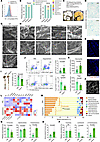 Figure 1
Engyodontium sp. colonization modifies intestinal immune profiles and commensal microbiota in steady-state mice. (A) Flow cytometric analysis of Dectin-2-Fc binding to mouse fecal commensal microorganisms. (B) Phylum- and genus-level composition of mouse fecal commensal fungi isolated using Dectin-2-Fc and identified by ITS1–2 sequencing. (C) Representative images of purified Engyodontium sp. colonies cultured on antibiotic-containing medium (kanamycin, gentamicin, colistin, metronidazole, vancomycin, and erythromycin) at room temperature for 4 days. Left, top view of culture plate; right, bottom view of culture plate. (D) Light microscopy images of Engyodontium sp. cultured on PDA plates for 48 hours and stained with lactophenol cotton blue. (E) C57BL/6J SPF mice were treated with fluconazole for 1 week and orally administered Engyodontium sp. every other day for 3 doses. Mice were euthanized 7 days after the final administration, and fungal colonization was assessed by FISH using probes specific for fungal 28S rDNA on colon tissue sections. (F) Scanning electron microscopy (SEM) images of hyphae and conidia of Engyodontium sp. cultured on PDA plates for 2 days. (G and H) SPF mice were pretreated with combined antibiotics and/or fluconazole for 1 week, followed by Engyodontium colonization every other day for 3 doses. Colons were harvested 13 days (G) or 8 days (H) after the initial colonization and analyzed by SEM to visualize intestinal microorganisms. (I–P) SPF mice were colonized with Engyodontium sp. every other day for 3 doses and euthanized 13 days later. (I) Representative images of the cecum and colon. (J) Representative flow cytometry plots showing frequencies of Ly6G+CD11b+ neutrophils and Foxp3+CD25+ Treg cells in cLP. (K) Absolute numbers of cLP neutrophils and Treg cells quantified by flow cytometry (I–K: PBS n = 13, Engyodontium n = 12). (L) Heatmap depicting mRNA expression of immune-related genes in colon tissues by qPCR. (M–P) Fecal bacterial microbiota analyzed by 16S rDNA-Seq, shown as stacked bar plots at the phylum level (M), relative abundance of indicated bacterial phyla (N), Bacteroidetes/Firmicutes ratio (O), and relative abundance of indicated bacterial orders (P) (L–P: n = 5/group). Data in I–K are pooled from 3 independent experiments. Data in L and M are from 1 of 2 independent experiments. Data in I–K and N–P are presented as mean ± SD. Statistical analysis: 2-tailed unpaired Student’s t test (I–P). Engyod., Engyodontium; ABX, antibiotics; FCZ, Fluconazole.
CLR-bound microorganisms cultured on potato dextrose agar (PDA) medium yielded white hyphal colonies, and ITS sequencing confirmed 100% identity to Engyodontium sp. SM14-25-6-1 (hereafter, Engyodontium sp.) (Figure 1C and Supplemental Figure 1D). Isolation from Dectin-1–bound fractions was unsuccessful, likely due to low fungal abundance and bacterial contamination. Lactophenol cotton blue staining revealed hyphae with conidia (Figure 1D). FISH targeting fungal 28S rDNA demonstrated fungal localization in the colonic lumen and epithelial surface of colonized mice (Figure 1E). Scanning electron microscopy confirmed hyphae and conidia in culture (Figure 1F) and hyphal structures associated with epithelial surfaces and net-like extracellular structures in vivo (Figure 1, G and H).
Two-week oral colonization of specific-pathogen-free (SPF) mice with Engyodontium sp. did not alter colon length but slightly reduced cecal size (Figure 1I and Supplemental Figure 1E). Flow cytometry revealed increased CD11b+Ly6G+ neutrophils and reduced CD25+Foxp3+ Treg cells in the colonic lamina propria (cLP) (Figure 1, J and K), with increased IL-17+CD4+ T cells but no changes in other immune populations (Supplemental Figure 1, F and G). Colonic expression of Il6, Tnf, S100a8, and S100a9, as well as protein levels of IL-6, TNF-α, IL-1β, and calprotectin, were significantly increased (Figure 1L and Supplemental Figure 1, H and I).
Microbiota profiling revealed marked dysbiosis, characterized by reduced Firmicutes, increased Proteobacteria, and an altered Bacteroidetes/Firmicutes ratio (Figure 1, M–O). Within Firmicutes, the species Lactobacillus was selectively depleted, whereas γ-Proteobacteria were enriched (Figure 1P), indicating that Engyodontium selectively reshapes bacterial communities.
Engyodontium induces epithelial chemokines to recruit neutrophils and exacerbates colitis. Engyodontium colonization selectively increased colonic Dectin-2 (Clec4n) expression without affecting Dectin-1 or other CLRs (Supplemental Figure 2A). Colonized mice showed marked accumulation of Ly6G+ neutrophils in the lamina propria and epithelium-adjacent regions (Figure 2A), accompanied by robust CXCL2 expression in epithelial and goblet cells. Dectin-2 colocalized predominantly with recruited neutrophils, and CXCR1/2 blockade reduced neutrophil infiltration without altering epithelial CXCL2 expression (Figure 2A).
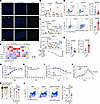 Figure 2
Engyodontium induces epithelial chemokine production to recruit neutrophils and exacerbates colitis. (A and B) C57BL/6J mice were orally colonized with Engyodontium sp. every other day for 3 doses and simultaneously treated intraperitoneally with the CXCR1/2 inhibitor reparixin (15 mg/kg) for 3 doses. On day 8 after the initial colonization, colons were harvested. (A) Immunofluorescent staining of Ly6G, Dectin-2, and CXCL2 on serial colon tissue sections. (B) Colonic epithelial cells were isolated after EDTA treatment, and chemokine mRNA expression was quantified by qPCR (n = 7 technical replicates/group). (C) NCM460 epithelial cells were cocultured with Engyodontium sp. for 12 hours in the presence of inhibitors targeting ERK (GDC-0994), NF-κB (BAY11-7082), TLR2 (C29), TRAF6 (C25-140), or SYK (R406). CXCL1 and CXCL2 mRNA expression was measured by qPCR (n = 6 technical replicates/group). (D–F) WT and Clec4n–/– mice were analyzed under physiological conditions. (D and E) Frequencies (D) and absolute numbers (E) of cLP neutrophils (WT n = 10, Clec4n–/– n = 9) and Tregs (WT n = 7, Clec4n–/– n = 6) measured by flow cytometry. (F) Heatmap showing qPCR analysis of cytokine and antimicrobial gene expression in colon tissues (WT n = 4, Clec4n–/– n = 3). (G and H) Body weight change (G) and colitis DAI (H) after Engyodontium colonization. (I–L) Fluconazole-pretreated mice were colonized with Engyodontium sp. and treated with 1.5% DSS for 7 days starting from the third fungal administration. TRAF6 inhibitor C25-140 was administered intraperitoneally every other day for 4 doses. (I) Body weight loss, (J) DAI, (K) gross colon morphology and length, and (L) cLP neutrophil frequencies assessed by flow cytometry (PBS n = 5, Engyodontium n = 4; Engyodontium-C25-140 n = 5). Data in B–E (Treg panel) are pooled from 2 independent experiments. Data in D and E (neutrophil panel) are pooled from 3 independent experiments. Data in F–L are from 1 of 2 independent experiments. Data in B–E and G–L are presented as mean ± SD. Statistical analysis: 2-tailed unpaired Student’s t test (B, and D–H), 1-way ANOVA with Bonferroni’s multiple-comparison test (I and J), and 1-way ANOVA with Tukey’s multiple-comparison test (C, K, and L). Engyod., Engyodontium.
qPCR analysis demonstrated selective induction of epithelial Cxcl1 and Cxcl2, whereas Ccl2, Cxcl9, and Ccl19 remained unchanged (Figure 2B). In vitro, Engyodontium directly induced CXCL1/2 in human NCM460 epithelial cells via TLR2/TRAF6/NF-κB and ERK signaling, independently of SYK (Figure 2C), consistent with epithelial cell–driven neutrophil recruitment (25).
ITS sequencing revealed comparable fungal diversity and abundance between WT and Dectin-2–deficient (Clec4n–/–) mice, with only minor enrichment of Tremellales in Clec4n–/– mice (Supplemental Figure 2, B–F), indicating that Dectin-2 does not control fungal colonization. Single-cell RNA-Seq (scRNA-Seq) analysis showed Clec4n expression primarily in neutrophils, correlating with neutrophil markers G0S2 and Cxcr2 (Supplemental Figure 2, G and H).
At steady state, Clec4n–/– mice exhibited normal colon morphology and epithelial integrity (Supplemental Figure 2, I and J) and normal populations of antigen-presenting myeloid cells and T cells (Supplemental Figure 2, K–M), but had fewer colonic neutrophils and expanded Treg populations (Figure 2, D and E), with decreased expression of Il6, Tnf, Cxcl2, S100a8, and S100a9 (Figure 2F and Supplemental Figure 2N). Neutrophils were the major source of S100A8/S100A9 in the colon (Supplemental Figure 2O).
Although Engyodontium alone did not induce colitis (Figure 2, G and H), its colonization markedly exacerbated DSS-induced weight loss, diarrhea, bleeding, and colon shortening (Figure 2, I and J). Pharmacological inhibition of TRAF6 abolished Engyodontium-driven neutrophil accumulation and colitis exacerbation (Figure 2, I–L, and Supplemental Figure 2P), indicating that Engyodontium exacerbates intestinal inflammation first through recruiting neutrophils.
Engyodontium promotes colitis via Dectin-2/CARD9 signaling. To define the role of Dectin-2, Engyodontium was transferred into Clec4n–/– mice prior to DSS treatment. Unlike WT mice, Clec4n–/– mice were protected from Engyodontium-mediated disease exacerbation (Figure 3, A and B) and had reduced histological inflammation and immune infiltration (Figure 3, C and D). Engyodontium increased neutrophils, reduced Tregs, and expanded Th17 cells only in WT mice (Figure 3, E and F, Supplemental Figure 3A). Proinflammatory cytokines were elevated in WT but suppressed in Clec4n–/– mice, whereas Il10, Tgfb1, and Foxp3 were selectively increased in Clec4n–/– colons (Figure 3G and Supplemental Figure 3B).
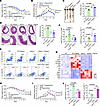 Figure 3
Engyodontium exacerbates mouse colitis through the Dectin-2/CARD9 pathway. (A–G) WT and Clec4n–/– mice were orally administered PBS or Engyodontium sp. every other day for 3 doses and treated with 1.5% DSS for 7 days starting from the second fungal administration. (A) Body weight loss and (B) DAI were monitored daily. (C) Gross colon morphology and length measurements at sacrifice on day 10. (D) Representative H&E-stained distal colon sections. (E and F) Frequencies of cLP neutrophils and Treg cells measured by flow cytometry. (G) Heatmap of immune-related gene expression in colon tissues assessed by qPCR. Neutrophil panel (A–C and F, left): WT n = 9, WT-Engyodontium n = 10, Clec4n–/– n = 6, Clec4n–/–-Engyodontium n = 8; (D) n = 6/group; (F, Treg panel) WT n = 5, other groups n = 4; (G) WT groups n = 5, Clec4n–/– groups n = 3. (H–J) WT and Card9–/– mice were subjected to the same Engyodontium colonization and DSS treatment protocol. Body weight loss (H), DAI (I), and frequencies of cLP neutrophils and Treg cells (J) determined by flow cytometry (WT groups n = 5; Card9–/– n = 3; Card9−/−-Engyodontium n = 4). Data in A–D and F (neutrophil panel) are pooled from 2 independent experiments. Data in E and F (Treg panel) and G–J are from 1 of 2 independent experiments. Data in A–D, F, and H–J are presented as mean ± SD. Statistical analysis: 1-way ANOVA with Bonferroni’s multiple-comparison test (A, B, H, and I), or 1-way ANOVA with Tukey’s multiple-comparison test (C, D, F, and J). Engyod., Engyodontium.
Consistent with Dectin-2 signaling via SYK/CARD9 (15, 17), Card9–/– mice phenocopied Clec4n–/– mice, displaying attenuated DSS colitis and resistance to Engyodontium-mediated exacerbation (Figure 3, H and I, and Supplemental Figure 3, C and D). Card9–/– mice had fewer neutrophils, increased Tregs, suppressed inflammatory cytokines, and elevated mRNA expression of Il10, Tgfb1, Foxp3, and Ctla4 irrespective of fungal colonization (Figure 3J and Supplemental Figure 3, E and F).
Although Dectin-1 was also expressed on neutrophils (Supplemental Figure 2G), Clec7a–/– mice still developed Engyodontium-exacerbated colitis with preserved neutrophil accumulation (Supplemental Figure 3, G–J). Gene expression analyses indicated that Dectin-1 selectively regulated S100a8 but was dispensable for Dectin-2–dependent inflammatory amplification (Supplemental Figure 3K).
Together, these data demonstrate that Engyodontium exacerbates colitis primarily through Dectin-2/CARD9 signaling, driving neutrophil recruitment, calprotectin production, Treg suppression, and inflammatory amplification, whereas Dectin-1 plays a limited role.
Elimination of intestinal commensal fungi suppresses Dectin-2/CARD9–dependent colitis development and calprotectin expression. Engyodontium grows optimally at approximately 25°C; therefore, we examined its persistence in the mouse gut. Following fluconazole-mediated fungal depletion, mice received 3 oral doses of Engyodontium (5 × 10⁸ CFU) (Supplemental Figure 5A). qPCR analysis showed rapid decline after initial colonization, stabilizing by day 28 (~0.03 relative to murine Gapdh) and persisting for at least 4 weeks, with 10 times higher than the level in mice at steady state (Supplemental Figure 4, A and B). Despite suboptimal temperature, Engyodontium achieved stable long-term colonization, accounting for approximately 85%–95% of intestinal Ascomycota and displacing endogenous fungi (Supplemental Figure 4C).
To assess the contribution of commensal fungi to colitis, intestinal fungi were depleted before DSS treatment. Fluconazole-treated WT mice had reduced body weight loss, disease severity, colon shortening, epithelial damage, and inflammatory infiltration compared with untreated WT mice (Supplemental Figure 4, D–G, and Figure 4, B and C). Populations of neutrophils and IL-17+CD4+ T cells were reduced, whereas Tregs increased to levels comparable to those in Clec4n–/– mice (Supplemental Figure 4, H and I). Correspondingly, Il6, Tnf, S100a8, and S100a9 expression was markedly suppressed in WT mice (Supplemental Figure 4J and Figure 4D). In contrast, Clec4n–/– and Card9–/– mice showed no additional benefit from fungal depletion (Supplemental Figure 4, D–L, and Figure 4, E–H), indicating fungal exacerbation of colitis requires Dectin-2/CARD9 signaling.
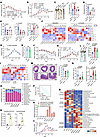 Figure 4
Dectin-2/calprotectin axis restricts intestinal colonization of L.j. WXY, which suppresses colitis via Treg-promoting metabolite. (A) Fecal microbiota from Clec4n–/– mice were cultured on MRS medium supplemented with neomycin for 3 days. Single colonies were isolated and identified by PCR amplification and sequencing of bacterial 16S rDNA. (B–F) L.j. WXY strain was isolated from mouse feces. WT mice were treated with antibiotics (ABX), followed by oral transfer of the indicated bacterial strains twice over 7 days. Whole fecal microbiota from normal WT mice were then transferred back for 3 days, followed by DSS treatment for 7 days and sacrifice on day 10. Body weight loss (B), DAI (C), colon length measurement (D), distal colon histology (E), and cLP neutrophil and Treg frequencies (F) (B–D, and F, PBS, n = 7; L.j. WXY, n = 7; Lactobacillus mixture, n = 8; E. coli, n = 7; E, n = 3 /group). (G) Correlation between fecal Lactobacillus abundance and colonic S100a8/S100a9 mRNA expression in C57BL/6J mice under steady-state conditions (n = 18). (H) L.j. WXY was cultured anaerobically at 37°C with recombinant S100A8 + S100A9 (1:1 mixture, 5 μg/mL each). Bacterial growth was quantified spectrophotometrically at 6 and 24 hours (n = 6 technical replicates/group). (I) Clec4n–/– mice received intrarectal administration of recombinant S100A8 + S100A9 for 5 hours, followed by quantification of fecal L.j. abundance by qPCR (n = 10). (J and K) WT and Clec4n–/– recipient mice were lethally irradiated and reconstituted with BM cells from WT or Clec4n–/– donors. After 30 days, colonic expression of S100a8 and S100a9 was assessed by qPCR (J), and fecal Lactobacillus abundance was measured by qPCR on days 10, 20, and 30 after transfer (K) (WT→WT, n = 8; WT→Clec4n–/–, n = 7; Clec4n–/–→WT, n = 8; Clec4n–/–→Clec4n–/–, n = 8.). (L–N) WT and Clec4n–/– mice were treated intraperitoneally with anti-Ly6G neutralizing Ab or isotype control IgG (100 μg/mouse) every other day for 5 doses. Two days after the final injection, colonic tissues and feces were collected. S100A8 and S100A9 protein levels in colon lysates were measured by ELISA (L), fecal L.j. abundance was determined by qPCR (M), and colonic Il6 and Tnf expression was assessed by qPCR (N) (control [con] IgG, n = 3–4; anti-Ly6G, n = 3–4). (O–S) WT mice were orally administered culture supernatant (sup.) from L.j. WXY or heat-killed (hk) bacteria daily for 3 days before and throughout 7 days of DSS treatment (n = 10 total administrations). Body weight loss (O), DAI (P), colon length measurement at sacrifice on day 9 (Q), distal colon histology (R), and cLP Treg frequencies (S) (PBS n = 8; WXY-sup. n = 8; WXY-hk n = 9). (T) CD11b+ and CD11c+ cells isolated from WT cLP were stimulated in vitro with L.j. WXY, Lactobacillus mixture, or E. coli. After 12 hours, Il10 and Tgfb1 mRNA expression was quantified by qPCR (n = 4 technical replicates/group). (U) CD62L+ naive CD4+ T cells isolated from WT spleen and lymph nodes were polarized toward Treg differentiation in the presence of L.j. WXY culture supernatant. After 6 days, Il10 and Tgfb1 expression was measured by qPCR (n = 9 technical replicates from 3 biological replicates/group). (V and W) ABX-treated WT mice received oral L.j. WXY or PBS, followed by fecal microbiota transplantation from normal WT mice and subsequent DSS treatment. Cecal contents were collected on day 10 for untargeted metabolomic analysis by liquid chromatography. Histogram (V) shows the top 20 enriched metabolites, and volcano plot (W) highlights significantly altered metabolites in WXY-treated mice. (X) Targeted metabolomic analysis of l-glutamic acid levels in cecal contents from 8-week-old WT and Clec4n–/– mice under physiological conditions (n = 3/group). (Y) l-Glutamic acid concentrations in culture supernatants of L.j. WXY, Lactobacillus mixture, or E. coli measured by targeted metabolomics (n = 3 replicates/group). Data in B–F, H–K, and O–S are pooled from 2 independent experiments. Data in B–F, J, L–U, X, and Y are presented as mean ± SD. Statistical analysis: 1-way ANOVA with Bonferroni’s multiple-comparison test (B, C, K, O, and P); 1-way ANOVA with Tukey’s multiple-comparison test (D–F, J, L–N, Q–T, and Y); Spearman’s correlation test (G); 2-way ANOVA test with repeated measures (H); paired Student’s t test (I); or 2-tailed unpaired Student’s t test (U and X).
Engyodontium colonization robustly induced colonic calprotectin (S100A8/S100A9) expression (Figure 1L and Supplemental Figure 1I), an effect impaired in Clec4n–/– and Card9–/– mice at steady state and after colonization (Figure 2F, Figure 3G, and Supplemental Figure 3, B and F). During DSS-induced colitis progression, neutrophils expanded by day 7 and remained elevated during recovery (day 35). Clec4n expression was enriched in activated neutrophils (Cd177+, Csf3r+) (Supplemental Figure 5I), and S100a8+Clec4n+ neutrophils peaked on day 7, correlating with S100a8/S100a9 expression (Supplemental Figure 4M, and Figure 4, J and K).
Direct stimulation with the Dectin-2 agonist α-mannan (15) induced S100a8/S100a9 in BM-derived neutrophils in a CARD9-dependent manner (Supplemental Figure 4, N and O). Similarly, cLP neutrophils stimulated with Engyodontium upregulated calprotectin (Supplemental Figure 4P). These results indicate that intestinal fungi, particularly Engyodontium, persistently activate neutrophils through the Dectin-2/CARD9 pathway to induce calprotectin production.
Intestinal fungus–induced colitis exacerbation is mediated by commensal bacteria. Because intestinal inflammation is shaped by host genetics and microbiota (26), WT and Clec4n–/– or Card9–/– mice were co-housed for 4 weeks (Supplemental Figure 6A). Co-housed Clec4n–/– or Card9–/– mice developed DSS colitis comparable to WT mice, including body weight loss, colon shortening, epithelial damage, and immune infiltration (Figure 5, A–D, G, and H, and Supplemental Figure 6, B, C, and E–G). Treg frequencies also normalized across groups (Figure 5E and Supplemental Figure 6, D and H), suggesting microbiota-driven regulation. In contrast, mRNA expression of innate inflammatory genes (Tnf, Il6, Cxcl2, S100a8, S100a9) remained reduced in Clec4n–/– or Card9–/– mice (Figure 5, F and I), indicating their direct regulation by Dectin-2/CARD9 signaling.
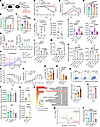 Figure 5
Attenuation of fungus-promoted colitis in Dectin-2–deficient mice is dependent on commensal microbiota. (A–F) WT and Clec4n–/– mice were separated or co-housed for 4 weeks and subsequently treated with DSS while maintained in housing conditions. (A) Body weight loss and (B) DAI. (C) Gross colon morphology and length measurements at sacrifice on day 9. (D) Representative H&E-stained distal colon sections. (E) Frequencies of cLP neutrophils and Treg cells measured by flow cytometry. (F) Heatmap of immune-related gene expression in colon tissues assessed by qPCR (A–C, n = 9/co-housed group, WT separated n = 14, Clec4n–/– separated n = 10; D, n = 6/group; E, n = 6/co-housed group, WT separated n = 10, Clec4n–/– separated n = 7; F, n = 4/group). (G–I) WT and Card9–/– mice were co-housed for 4 weeks and treated with DSS. DAI (G), histological analysis (H), and colon gene expression profiles (I) (G, n = 7/group; I, n = 4/group; H, n = 5/group). (J–N) Antibiotic-pretreated WT mice received fecal microbiota transplants from WT (WT f), Clec4n–/– (Clec4n–/– f), or Card9–/– (Card9–/– f) donor mice followed by DSS treatment. Body weight loss (J), DAI (K), gross colon morphology and length (L), distal colon histology (M), and cLP neutrophil and Treg frequencies (N) (J–L, and N, WT f, n = 9; Clec4n–/– f, n = 10; Card9–/– f, n = 10; M, n = 5/group). (O–S) 16S rDNA-Seq analysis of fecal microbiota from WT and Clec4n–/– mice under physiological conditions, showing phylum-level composition (O), β diversity by PCoA (P), family-level abundance (Q), abundance of selected taxa (R), and detectable lactic acid bacteria species (S) (n = 4/group). (T) DAI in WT and Clec4n–/– mice treated with DSS with or without vancomycin (Vanco) (WT, n = 6; Clec4n–/–, n = 8; Clec4n–/– Vanco, n = 8). Data in A–C, and G are pooled from 3 independent experiments, and data in D, E, J–L, N, and T are pooled from 2 independent experiments. Data in F and I are from 1 of 2 independent experiments. Data in A–E, G, H, J–L, R, and T are presented as mean ± SD. Statistical analysis: 1-way ANOVA with Bonferroni’s multiple-comparison test (A, B, J, K, T), 1-way ANOVA with Tukey’s multiple-comparison test (C–E and L–N), 2-tailed unpaired Student’s t test (F, H, and Q), and 2-way ANOVA test with repeated measures (G).
To directly test microbiota dependence, antibiotic-treated WT mice received fecal microbiota from WT, Clec4n–/–, or Card9–/– donors before DSS (Supplemental Figure 6I). Mice receiving Clec4n–/– or Card9–/– microbiota had milder disease severity, colon shortening, and histopathology (Figure 5, J–M, and Supplemental Figure 6J), along with increased numbers of colonic Tregs (Figure 5N and Supplemental Figure 6K).
16S rDNA-Seq revealed distinct bacterial communities in Clec4n–/– mice despite similar species-level microbiome structure (Supplemental Figure 6L), including a reduced Verrucomicrobiota population (Figure 5, O and P). Populations of members of Akkermansiaceae decreased, whereas those of Clostridia UCG-014 and Lactobacillaceae increased markedly (>28-fold and >21-fold, respectively) (Figure 5, Q and R). A dominant Lactobacillus strain, L. johnsonii WXY (L.j. WXY), was abundant in Clec4n–/– mice but absent in WT mice (Figure 5S).
Vancomycin-mediated depletion of Gram-positive bacteria abolished DSS resistance in Clec4n–/– mice, restoring colitis severity and reducing Tregs to WT levels (Figure 5T and Supplemental Figure 6, N–Q). Neutrophil-associated genes remained suppressed (Supplemental Figure 6R), indicating their independence from bacterial changes. Collectively, Dectin-2/CARD9–dependent fungal sensing exacerbates colitis indirectly by reshaping Gram-positive bacteria that may support Treg-mediated protection.
Calprotectin inhibits colonization of L.j. WXY, which ameliorates colitis via secreted metabolite(s). We isolated the single strain L.j. WXY and a Lactobacillus strain mixture from Clec4n–/– feces (Figure 4A). Colonization of antibiotic-treated WT mice with these strains, followed by WT fecal microbiota transfer and DSS challenge, significantly reduced weight loss, disease severity, colon shortening, epithelial damage, and inflammation compared with PBS or E. coli controls (Figure 4, B–E, Supplemental Figure 7, A–C). L.j. WXY increased cLP Foxp3+ Tregs (Figure 4F and Supplemental Figure 7D).
Calprotectin expression inversely correlated with Lactobacillus abundance (Figure 4G). Recombinant S100A8/S100A9 inhibited L.j. WXY growth in vitro (Figure 4H) and reduced fecal L. johnsonii after intrarectal administration, without affecting other bacteria (Figure 4I and Supplemental Figure 7E), indicating selective suppression.
BM chimera experiments showed that Clec4n–/– BM in WT hosts reduced calprotectin and increased Lactobacillus, whereas WT BM in Clec4n–/– hosts restored high levels of calprotectin and suppressed Lactobacillus (Figure 4, J and K). Neutrophil depletion similarly reduced calprotectin and increased L.j. WXY in both genotypes (Figure 4, L and M), without altering Il6 or Tnf (Figure 4N), identifying neutrophils as key regulators of calprotectin-mediated Lactobacillus control.
Functionally, L.j. WXY culture supernatant, but not heat-killed bacteria, protected against DSS colitis, reduced tissue pathology, and increased the population of cLP CD25+Foxp3+ Tregs (Figure 4, O–S, and Supplemental Figure 7, F and G), indicating metabolite-mediated protection. Consistently, the supernatant induced Il10 and Tgfb1 in Tregs but not CD11b+ or CD11c+ cells (Figure 4, T and U).
Metabolomic profiling revealed enrichment of amino acid–related pathways in L.j. WXY–colonized mice (Figure 4V). Filtering identified 22 candidate metabolites (Supplemental Table 1); based on reported inflammatory effects (27–29) and availability, l-glutamic acid and stachydrine were selected (Figure 4W). Clec4n–/– mice had elevated levels of l-glutamic acid (Figure 4X and Supplemental Figure 7H), and L.j. WXY produced substantial l-glutamic acid but not stachydrine (Figure 4Y and Supplemental Figure 7, H and I), identifying l-glutamic acid as a candidate metabolite for colitis protection.
L.j. WXY inhibits colitis by producing l-glutamic acid to promote the Treg population. Intrarectal administration of l-glutamic acid markedly alleviated DSS-induced colitis, reducing body weight loss, colon shortening, epithelial damage, and inflammatory infiltration compared with stachydrine or PBS (Figure 6, A–D, and Supplemental Figure 8A). l-Glutamic acid treatment decreased neutrophil infiltration and increased cLP Foxp3+ Treg cells (Figure 6E).
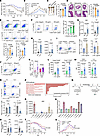 Figure 6
Glutamic acid secreted by L.j. WXY attenuates colitis by promoting Treg expansion through enhanced IL-2R signaling. (A–E) WT mice were orally administered l-glutamic acid (L-Glut.) or stachydrine daily for 3 days, followed by DSS treatment with continued daily metabolite administration sacrifice on day 10. Body weight loss (A), DAI (B), gross colon morphology and length (C), distal colon histology (D), and cLP neutrophil and Treg frequencies (E) (A–C, and E, PBS n = 9, stachydrine n = 8, l-glutamic acid n = 10; D, n = 6/group). P, PBS; S, Stachydrine; L, L-glutamic acid. (F–H) CD62L+ naive CD4+ T cells isolated from WT spleen and lymph nodes were polarized toward Treg differentiation and simultaneously stimulated with l-glutamic acid. After 6 days, Treg frequencies were assessed by flow cytometry (F), and mRNA expression of Tgfb1 and Il10 (G), as well as Il2ra and Il2 (H), was quantified by qPCR after stimulation with 400 μg/mL l-glutamic acid (n = 6 biological replicates/group). (I) CD62L+ naive CD4+ T cells were activated with anti-CD3 and anti-CD28 Abs and treated with 400 μg/mL l-glutamic acid. After 4 days, proportions of IL-2+ and CD25+ cells among CD4+ T cells were analyzed by flow cytometry (n = 6 biological replicates/group). (J–M) CD62L+ naive CD4+ T cells were polarized toward Treg differentiation in the presence of 400 μg/mL l-glutamic acid for 6 days. The proportions (J and K) and absolute numbers (L) of CD25+Foxp3+ and CD25+Foxp3– cells, as well as the MFI of CD25 in CD25+CD4+ and IL-2 in IL-2+CD4+ cells (M) were determined by flow cytometry (n = 6 biological replicates/group). (N and O) CD62L+ naive CD4+ T cells were polarized toward Th1 or Th17 differentiation in the presence of l-glutamic acid. After 5 days, the frequencies of IFN-γ+ and IL-17+ CD4+ T cells were measured by flow cytometry (N), and Ifng and Il17a mRNA expression was quantified by qPCR (O) (n = 6 biological replicates/group). (P) KEGG pathway annotation highlighting amino acid metabolism in L.j. WXY based on whole-genome sequencing. (Q) Chemical structural formula illustrating the metabolic conversion of l-glutamine to l-glutamic acid involving glutaminase. (R) Relative expression of the bacterial glutaminase-encoding gene glsA in the indicated Lactobacillus strains, normalized to 16S rDNA by qPCR (n = 6 technical replicates/group). (S) Indicated Lactobacillus strains (1 × 10⁷ CFU) were cultured in MRS medium for 24 hours, and glutamic acid concentrations in culture supernatants were measured using a glutamic acid assay kit (n = 2 replicates/group). (T and U) Clec4n–/– mice were administered anti-CD25 neutralizing Ab or isotype control IgG intraperitoneally every other day for 3 doses, followed by 7 days of DSS treatment with continued Ab administration for an additional 5 doses. Body weight loss (T) and DAI (U) were monitored daily (control IgG, n = 6; anti-CD25 Ab, n = 8; WT, n = 7). Data in A–O, R, T, and U are pooled from 2 independent experiments. Data in A–I, K–O, and R–U are presented as mean ± SD. Statistical analysis: 1-way ANOVA with Bonferroni’s multiple-comparison test (A, B, T, and U); 1-way ANOVA with Tukey’s multiple-comparison test (C–F), or 2-tailed unpaired Student’s t test (G–I and K–O).
In vitro, l-glutamic acid dose dependently enhanced Foxp3+CD4+ Treg differentiation and enhanced their Il10 and Tgfb1 expression (Figure 6, F and G). Mechanistically, l-glutamic acid upregulated Il2ra (CD25), but not Il2, increasing the proportion of CD25+ in CD4+ T cells without affecting IL-2 production (Figure 6, H and I). CD25 induction occurred in both Foxp3+ Treg and Foxp3– subsets (Figure 6, J–L), indicating global enhancement of IL-2 receptor (IL-2R) availability. l-Glutamic acid also intensified CD25 expression per CD25+ T cell without altering IL-2 intensity (Figure 6M). Consistent with enhanced IL-2R signaling, l-glutamic acid suppressed IL-17 but not IFN-γ production by CD4+ T cells (Figure 6, N and O), in line with competitive STAT5-STAT3 regulation (30).
Genome sequencing and Kyoto Encyclopedia of Genes and Genomes (KEGG) analysis of L.j. WXY revealed enrichment of the glutamate metabolism pathway (Figure 6P and Supplemental Figure 8B). Expression of glutaminase (glsA), which converts l-glutamine to l-glutamic acid, was high in L.j. WXY and L.j. NBRC13952, correlating with robust l-glutamic acid production, whereas L. gasseri LG21 had less expression and production (Figure 6, Q–S).
To assess the functional importance of IL-2 signaling in vivo, Clec4n–/– mice were treated with anti-CD25 Ab before DSS exposure (Supplemental Figure 8C). IL-2Rα blockade abolished the colitis resistance of Clec4n–/– mice, restoring disease severity, colon shortening, epithelial damage, inflammatory infiltration, and reducing CD25+Foxp3+ Tregs to WT levels (Figure 6, T and U, and Supplemental Figure 8, D–G). These results indicate that l-glutamic acid–driven IL-2R signaling is essential for Treg-mediated protection under Dectin-2 deficiency.
Engyodontium–DECTIN-2 axis in the human gut potentially contributes to IBD development. Using a Dectin-2-Fc fusion protein, Dectin-2–binding fungi were isolated from feces of healthy individuals and were dominated by Ascomycota members, with Engyodontium as the major genus (Figure 7A). In fecal samples from patients with CD, Engyodontium abundance was significantly increased (18-fold), whereas that of L. johnsonii was markedly reduced (23-fold) compared with healthy controls (Figure 7B). Similar microbial changes were observed in patients with UC (Figure 7C). Engyodontium and L. johnsonii abundances were inversely correlated, suggesting competitive exclusion (Figure 7, D and E), consistent with reduced L. johnsonii in Engyodontium-colonized mice (Figure 7F). Total Lactobacillus abundance did not differ significantly between groups (Supplemental Figure 9A).
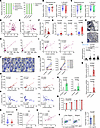 Figure 7
The Engyodontium–DECTIN-2 axis in the pathogenesis of human IBD. (A) Phylum- and genus-level composition of human fecal commensal fungi isolated using Dectin-2–Fc and identified by qPCR with species-specific primers. (B) Relative contents of Engyodontium sp. in fecal fungi and L.j. in fecal bacteria from patients with CD and healthy individuals (HC), determined by qPCR (Engyodontium: HC, n = 59; CD, n = 62. Lacutobacillus: HC, n = 62; CD, n = 63). (C) Relative contents of Engyodontium sp. in fecal fungi and L.j. in fecal bacteria from patients with UC and healthy individuals, determined by qPCR (HC, n = 36; UC, n = 25). (D) Correlation between Ct value of L.j. and Engyodontium sp. from human individuals as described in B (n = 97 [including HC, n = 48 and CD, n = 49]). (E) Correlation between Ct value of L.j. and Engyodontium sp. from human individuals as described in C (n=61 [including HC, n=36 and UC, n=25]). (F) C57BL/6J SPF mice were orally colonized with Engyodontium sp. (Engyod.) every other day for 3 administrations. Thirteen days later, fecal samples were collected, and the relative abundance of fecal L.j. was quantified by qPCR (n = 10 /group). (G) Relative expression of CLEC6A, S100A8, and S100A9 in colon tissues from patients with CD and healthy control (HC) individuals, determined by bulk RNA-Seq analysis (HC, n = 47; CD, n = 57). (H) Correlation between CLEC6A and S100A8 or S100A9 expression based on bulk RNA-Seq data described in G. (I) Correlation between CLEC6A and S100A8 or S100A9 relative expression in colon tissues of patients with UC, determined by qPCR (n = 25). (J) IHC staining for DECTIN-2 and S100A8/S100A9 proteins in serial inflammatory colon sections obtained from a patient with CD after surgical resection. (K) IHC staining for human DECTIN-2 in paired normal and inflamed colon regions from the patient with CD shown in J. (L) Transcriptional levels of CLEC6A in colon tissues from non-IBD control individuals and patients with colonic CD (cCD), ileal CD (iCD), or UC, analyzed by reprocessing a public bulk RNA-Seq dataset (GSE117993) (not IBD, n = 55; cCD, n = 31; iCD, n = 60; UC, n = 43). (M) Colon tissues from 3 patients with IBD were obtained after resection. cLP CD11b+ cells were isolated and stimulated with α-mannan in vitro for 6 hours. S100A8 and S100A9 relative expression was quantified by qPCR (n = 7). (N) Neutrophils isolated from peripheral blood of 2 patients with IBD were stimulated with α-mannan in vitro for 6 hours, and S100A8 and S100A9 relative expression was measured by qPCR (n = 7 technical replicates from 2 biological replicates/group). (O) Correlation between fecal Engyodontium sp. abundance and colonic expression of CLEC6A, S100A8, or S100A9 in patients with UC (n = 25). (P) Correlation between fecal L.j. abundance and colonic expression of CLEC6A, S100A8, or S100A9 in patients with UC (n = 25). (Q) CD11b+ cells isolated from cLP of resected colon tissues from 2 patients with IBD were stimulated with Engyodontium sp. for 24 hours in vitro, followed by qPCR analysis of S100A8 and S100A9 expression (n = 6 technical replicates from 2 biological replicates/group). non-stimu., nonstimulated. (R) Engyodontium sp. was cultured at room temperature with recombinant S100A8 + S100A9 (1:1 mixture, 5 μg/mL each) for 12, 24, and 48 hours. Fungus growth was quantified by CFU enumeration on PDA plates (n = 3 replicates/group). (S) Relative amount of glutamic acid in fecal samples from patients with CD and healthy control individuals, assessed by liquid chromatography for untargeted metabolomics (HC, n = 80; CD, n = 65). (T) Correlation between 1/Ct value of L.j. and fecal glutamic acid levels in patients with CD (n = 8). (U) Correlation between 1/Ct value of L.j. and glutamic acid concentration in colon tissues from patients with UC (n = 25). (V) Peripheral blood leukocytes from 2 healthy donors were isolated and induced toward Treg differentiation in the presence of l-glutamic acid. After 5 days, the proportion of Foxp3+CD4+ among CD45+ leukocytes was analyzed by flow cytometry (n = 6 technical replicates from 2 biological replicates/group). Data in F, M, N, Q, and V are pooled from 2 independent experiments. Data in B, C, G, and L are presented as mean ± SEM, and in F, N, Q, R, S, and V as mean ± SD. Statistical analysis: 2-tailed Mann-Whitney test (B, C, and G), 2-tailed unpaired Student’s t test (F, N, Q–S, and V), 1-way ANOVA with Kruskal-Wallis and Dunn’s test (L), Spearman’s correlation test (D, E, H, I, O, P, T, and U), or paired Student’s t test (M).
Bulk RNA-Seq of colonic tissues revealed increased CLEC6A (DECTIN-2), S100A8, and S100A9 expression in inflamed CD tissues (Figure 7G), with significant correlations between CLEC6A and calprotectin in CD and UC cohorts (Figure 7, H and I). IHC confirmed colocalization of DECTIN-2 with S100A8/S100A9-positive cells and extensive infiltration of DECTIN-2–positive inflammatory cells in inflamed regions (Figure 7, J and K). Public RNA-Seq data (GSE117993) showed elevated CLEC6A in inflamed UC and CD tissues, correlating with neutrophil markers (Figure 7L, Supplemental Figure 9B). scRNA-Seq (GSE202052) localized CLEC6A expression predominantly to neutrophils expressing CSF3R, G0S2, and S100A8/S100A9 (Supplemental Figure 9, C–E). Consistently, α-mannan stimulation induced calprotectin in human CD11b+ cLP cells and peripheral neutrophils (Figure 7, M and N).
Engyodontium abundance positively correlated with CLEC6A and calprotectin levels, whereas there was inverse correlation of L. johnsonii populations in patients with UC (Figure 7, O and P), recapitulating the mechanism observed in murine models. Engyodontium directly induced calprotectin in human CD11b+ cells (Figure 7Q); calprotectin did not inhibit Engyodontium growth (Figure 7R).
Metabolomic analysis revealed reduced fecal glutamic acid in patients with CD, with no change in glutamine (Figure 7S and Supplemental Figure 9F). Glutamic acid levels positively correlated with L. johnsonii abundance in patients with CD and those with UC (Figure 7, T and U). Moreover, l-glutamic acid promoted human FOXP3+ Treg differentiation in vitro (Figure 7V). Public scRNA-Seq data showed broad expression of glutamate transporters (SLC3A2, SLC7A5) across T cell subsets (Supplemental Figure 9, G–I). Lastly, neither Engyodontium nor L. johnsonii abundance correlated with clinical parameters in patients with CD (Supplemental Figure 10, A and B).
Collectively, these data mirror murine findings and support a conserved Engyodontium–DECTIN-2–calprotectin axis in humans, providing a mechanistic framework for how commensal fungi shape intestinal microbiota and the immune system that influence IBD consequently.


Copyright © 2026 American Society for Clinical Investigation
ISSN: 0021-9738 (print), 1558-8238 (online)