
Issue published February 2, 2026 Previous issue

- Volume 136, Issue 3
Go to section:
On the cover: Linking KRAS/ERK signaling to differentiation in pancreatic cancers
Zhong et al. report the critical role of oncogenic KRAS/ERK/JUNB signaling in suppressing GATA6, the key regulator of differentiation in pancreatic cancers. Oncogenic KRAS-activated ERK stabilizes JUNB protein, which suppresses GATA6 transcription. Nuclear JUNB protein in pancreatic cancer xenografts was detected by immunohistochemical staining; the resulting photomicrographs were enhanced with the DeeVid AI tool. Image credit: Zheng Zhong and Xinang Cao.
-
Reviews
×
Abstract
Cells release extracellular vesicles (EVs) with cargo that originates from distinct subcellular compartments, including the nucleus, cytoplasm, and plasma membrane. Given their diverse cargo, EVs play multiple roles in physiology and pathology, including in immune dysregulation and autoimmune pathogenesis. For example, EVs can act as autoantigens by transporting immunogenic molecules from the nucleus or cytoplasm, whereas EVs carrying membrane-bound MHCs from antigen-presenting cells can activate adaptive immunity by presenting self-antigens to T cells. EV-associated cytoplasmic peptidases or proteasomes contribute to immune regulation by modulating antigen processing and presentation. Moreover, EVs also drive inflammatory responses by shuttling a variety of proinflammatory molecules that sustain autoimmune responses. Intriguingly, emerging evidence indicates that EVs might contribute to autoimmune surveillance by activating cytosolic surveillance sensors, modulating immune checkpoints, regulating NK/T cell cytotoxicity, and altering macrophage and DC phagocytosis, representing an exciting and underexplored frontier in autoimmune research. By tackling critical knowledge gaps, this Review explores the emerging roles of EVs and their diverse cargo in driving autoimmune diseases, suggesting new perspectives on their potential as innovative therapeutic targets.
Authors
Yin Zhao, Xing Lyu, Xiuhua Wu, Yu Liu, Na Zhang, Wei Wei, Ming-Lin Liu
×Abstract
Circadian clocks govern daily rhythms in cellular and physiological processes, including cell cycle, DNA repair, metabolism, and immune function, that influence cancer development and treatment response. Disruption of circadian regulators either promotes or suppresses malignancy depending on tumor type and biological context. This duality likely reflects systemic rewiring of circadian physiology and direct interactions between clock components and oncogenic pathways. These insights hold clinical relevance for the field of chronotherapy, which seeks to enhance therapeutic efficacy and minimize toxicity by aligning drug administration with circadian rhythms or by targeting elements of the molecular clock. In this Review, we highlight the promise of integrating circadian biology into precision oncology and underscore the importance of cancer type–specific investigations to harness the full therapeutic potential of chronotherapy in cancer.
Authors
Rebecca M. Mello, Selma Masri, Katja A. Lamia
×Abstract
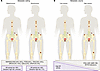
Metastatic hormone-sensitive prostate cancer (mHSPC) is a clinically and molecularly heterogeneous disease. Recent insights into the biology underlying disease presentation, volume of disease, and response to therapies are starting to point toward biomarkers to improve selection for intensified and deintensified treatment strategies. In addition, the therapeutic landscape is rapidly changing, with new biomarker-driven studies targeting genotype (e.g., BRCA or PTEN mutant) and phenotype (e.g., prostate-specific membrane antigen status) in development for mHSPC. A better understanding of tumor heterogeneity, clonal evolution, and metastatic homing in prostate cancer will hopefully inform future strategies for local and systemic disease control, personalized monitoring strategies, and improved patient outcomes.
Authors
Alice Bernard-Tessier, Himisha Beltran


-
Commentaries
×
Abstract
CRISPR/Cas9 base editing holds the potential to treat disease caused by single-nucleotide variants. In contrast with conventional CRISPR/Cas9 approaches, base editing enzymatically induces precise DNA alterations and can directly correct disease-causing variants. In this issue of JCI, Reever et al. used base editing to treat a mouse model of a severe neurodevelopmental disorder caused by a pathogenic missense variant in the voltage-gated sodium channel gene SCN8A. This work represents a starting point for the further refinement of base editing to treat genetic epilepsy.
Authors
Sophie F. Hill, Ethan M. Goldberg
×Abstract
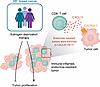
A major unmet need in estrogen receptor–positive (ER+) breast cancer is understanding the mechanisms that underlie resistance to endocrine therapy. Although accumulating evidence suggests an association between the tumor immune microenvironment (TIME) and endocrine response, the specific role of the TIME in mediating endocrine resistance remains unclear. In this issue of the JCI, Napolitano et al. analyzed tumor biopsies from patients with ER+ breast cancer and reported that endocrine-resistant tumors exhibited heightened CD8+ T cell infiltration and activation of the CXCL11 — CXCR3/-7 axis. Spatial and coculture analyses of these tumors demonstrated that the CD8+ T cell–associated chemokine CXCL11 drove estrogen-independent tumor growth. These findings identify an immune-mediated mechanism of endocrine resistance in breast cancer and identify CXCL11 as a potential biomarker and therapeutic vulnerability.
Authors
Tim Kong, Cynthia X. Ma
×Abstract
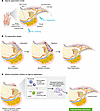
The fingertip is one of the only known complex structures in mammals that can fully regenerate following amputation. This phenomenon can be studied in mice using the amputation of the digit tip, the regenerative success of which has been shown to be reliant on effective bone clearance prior to new bone formation. In this issue of the JCI, Vishlaghi et al. investigated whether local lymphatic vessels are involved in this process. Interestingly, they found that inhibiting lymphangiogenesis resulted in accelerated clearance of damaged tissue and bone, thereby improving subsequent digit regeneration. This study is the first to our knowledge to report lymphatic involvement in digit regeneration and raises questions regarding the underlying mechanisms at play.
Authors
Matthijs Luxen, Francesca Lazzeri-Barcelo, Ralf H. Adams
×Abstract
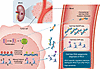
Circulating tumor DNA detection in renal cell carcinoma has long been limited by the disease’s low DNA shedding. An aggressive subtype termed translocation renal cell carcinoma (tRCC) is notably more difficult to detect than the common type, clear-cell RCC, in part due to interindividual variability of gene fusions of the transcription factor TFE3, the driving factor in tRCC. In this issue of the JCI, Garinet et al. reported on an epigenomic liquid biopsy approach that identified a TFE3 fusion–associated chromatin signature specific to tRCC. This work demonstrated that fusion-driven epigenomic alterations can be captured noninvasively and used to distinguish tRCC from other renal cancer subtypes. Beyond its diagnostic potential, the approach described by Garinet et al. may enable disease monitoring and subtype classification in other genetically quiet tumors. Epigenomic liquid biopsy is a promising framework to improve diagnostic accuracy and guide personalized management for tRCC.
Authors
Katsuhiro Ito, David A. Braun
×Abstract
Cardiac allograft vasculopathy (CAV) is a fibroproliferative form of transplant rejection with limited treatment options other than retransplantation. In this issue, See and colleagues examined human explanted allografts with CAV. They found that a high proportion of intragraft plasma cells produce antibodies that recognize the heme catabolic end product, bilirubin. Clonotypic profiling revealed that bilirubin-reactive antibody-producing plasma cells develop from graft-infiltrating innate-like B cells, a subset often characterized by their rapid production of polyreactive natural antibodies as an early defense against infection. CAV but not nonrejecting graft tissue contained bilirubin deposits along with macrophages that expressed genes involved in heme catabolism. These findings raise the intriguing possibility that graft-derived bilirubin-specific antibodies target local heme catabolism to promote CAV.
Authors
Fuyi Liao, Andrew E. Gelman
×Abstract
The retinoid chromophore 11-cis-retinal triggers an intracellular cascade known as phototransduction that converts light into electrochemical signals. Enzymatic regeneration of 11-cis-retinal sustains vision, prevents the buildup of toxic byproducts, and is supported largely by the retinal pigmented epithelium. Directly visualizing rapidly changing retinoid intermediates in patients with inherited retinal diseases (IRDs) could provide essential therapeutic insights. In this issue, Engfer et al. introduced a groundbreaking strategy using the mouse retina as a genetically malleable model for the mammalian eye. Using cell-specific expression of lecithin:retinol acyltransferase to trap mobile retinols, they mapped the availability of 11-cis- and all-trans-retinoids within different retinal compartments under normal and diseased conditions. Their findings elucidate retinoid distribution in the retina and highlight important differences between mouse and human Müller glia. Here, we contextualize these advances within decades of research defining the visual cycle and retinoid biology, outlining the profound implications for therapeutic development for IRDs.
Authors
Ala Moshiri, Akrit Sodhi
×Abstract
Neurodegeneration, along with amyloid and tau, define the AT(N) framework of Alzheimer’s disease that has shaped the development of diagnostics and therapeutics. Yet, biomarker development for neurodegeneration has lagged behind that for amyloid and tau, with limited definition of its heterogeneous microstructural aspects that may each serve as critical measures. In this issue of the JCI, Gong et al. leveraged diffusion MRI to derive a unique measure of axonal injury or axonal density index (ADI). Through cross-sectional and longitudinal analyses, they demonstrated that the ADI has superior performance in detecting, tracking, and predicting clinical impairment compared with prior diffusion MRI methods to evaluate axonal health and standard biomarkers of amyloid and tau. As such, the ADI measure may serve as an important expansion of the neurodegeneration biomarker repertoire.
Authors
Ryn Flaherty, Arjun V. Masurkar

-
Research Letter
×
Abstract
Authors
Maiko Sezaki, Tian Li, Mingzhe Pan, Zhihong Wang, Jie Bai, Justin G. Horowitz, Julia Z. Xu, Gang Huang

-
Research Articles
×
Abstract
Older individuals with somatic TP53 mutations manifest clonal hematopoiesis (CH) and are at high risk of developing myeloid neoplasms. However, the underlying mechanisms are not fully understood. Here, we show that inflammatory stress confers a competitive advantage to p53 mutant hematopoietic stem and progenitor cells (HSPCs) by activating the NLRP1 inflammasome and increasing the secretion of pro-inflammatory cytokines such as IL-1β, inhibiting WT HSPC fitness in a paracrine fashion. During aging, mutant p53 dysregulates pre-mRNA splicing in HSPCs, leading to enhanced NF-κB activation and increased secretion of IL-1β and IL-6, thereby generating a chronic inflammatory bone marrow microenvironment. Furthermore, blocking IL-1β with IL-1β neutralizing antibody or inhibiting IL-1β secretion using gasdermin D inhibitor decreases the fitness of p53 mutant HSPCs. Thus, our findings uncover an important role for mutant p53 in regulating inflammatory signaling in CH and suggest that curbing inflammation may prevent the progression of TP53-mutant CH to myeloid neoplasms.
Authors
Sisi Chen, Sergio Barajas, Sasidhar Vemula, Yuxia Yang, Ed Simpson, Hongyu Gao, Rudong Li, Farzaneh Behzadnia, Sarah C. Nabinger, David A. Schmitz, Hongxia Chen, Wenjie Cai, Shiyu Xiao, Ruyue Luo, Mohammed Abdullahel Amin, Maegan L. Capitano, James P. Ropa, Aidan Fahey, Shuyi Zhou, Tiffany M. Mays, Magdalena Sotelo, Hao Pan, Sophie K. Hu, Sophia Veranga, Moiez Ali, Maria Shumilina, Reuben Kapur, Kehan Ren, Yuzhi Jia, Huiping Liu, Irum Khan, Yasmin Abaza, Jessica K. Altman, Elizabeth A. Eklund, Lucy A. Godley, Christine R. Zhang, Peng Ji, Seth L. Masters, Ben A. Croker, H. Scott Boswell, George E. Sandusky, Zhonghua Gao, Lindsey D. Mayo, Sharon A. Savage, Stephanie Halene, Yali Dou, Leonidas C. Platanias, Madina Sukhanova, Yunlong Liu, Omar Abdel-Wahab, Yan Liu
×Abstract
The role of the tumor immune microenvironment (TIME) in modulating responses to antiestrogen therapy in hormone receptor–positive (HR+) breast cancers remains unclear. We analyzed pre- and on-treatment biopsies from patients with HR+ breast cancer treated with letrozole to induce estrogen deprivation (ED). Stromal tumor–infiltrating lymphocytes, assessed by H&E staining, and immune-related gene sets, including IFN-γ signaling genes, measured by RNA-Seq, were increased in ED-resistant tumors. Cyclic immunofluorescence and spatial transcriptomics revealed an abundance of CD8+ T cells and enhanced antigen processing and immune gene signatures in ED-resistant tumors. In this group, the expression of CXCL9, CXCL10, and CXCL11 — chemokine genes involved in CD8+ T cell recruitment — and the CXCR3 receptor were upregulated both before and after letrozole treatment. CXCL11 levels were higher in conditioned media from HR+ breast cancer cells cocultured with CD8+ T cells. Both recombinant CXCL11 and coculture with CD8+ T cells promoted MCF7 and T47D cell growth in estrogen-free conditions. Finally, deletion combined with silencing of the CXCL11 receptors CXCR3 and CXCR7 in MCF7 cells impaired proliferation in response to exogenous CXCL11 and to coculture with CD8+ T cells in estrogen-free conditions. These findings suggest that CD8+ T cell–associated CXCL11 in the TIME modulated the response of HR+ breast cancer cells to estrogen suppression.
Authors
Fabiana Napolitano, Yunguan Wang, Dhivya R. Sudhan, Paula I. Gonzalez-Ericsson, Luigi Formisano, Nisha Unni, Shahbano Shakeel, James Z. Zhu, Khushi Ahuja, Lei Guo, María Rosario Chica-Parrado, Yuki Matsunaga, Pamela Luna, Chang-Ching A. Lin, Yasuaki Uemoto, Kyung-Min Lee, Hongli Ma, Nathaniel J. Evans, Alberto Servetto, Saurabh Mendiratta, Spencer D. Barnes, Roberto Bianco, Yisheng V. Fang, Lin Xu, Jeon Lee, Tao Wang, Justin M. Balko, Gordon B. Mills, Marilyne Labrie, Ariella B. Hanker, Carlos L. Arteaga
×Abstract
The role of CARD9 in the pathogenesis of various chronic fungal infections has been established; however, the precise mechanisms underlying the pathobiology of these infections remain unclear. We investigated the specific cellular mechanisms by which CARD9 deficiency contributes to the pathogenesis of chronic fungal infections. Using single-cell RNA-seq, we analyzed the immune cell profiles in skin lesions from both murine and human samples. We focused on macrophage differentiation and signaling pathways influenced by CARD9 deficiency. We found that CARD9 deficiency promoted the differentiation of high levels of triggering receptor expressed on myeloid cells 2 (TREM2hi) monocyte–derived macrophages after fungal stimulation, impairing their antifungal functions and inducing exhaustion-like Th1 cells. Mechanistically, NF-κB pathway activation was restricted in CARD9-deficient macrophages, leading to enhanced CREB activation, which, in turn, exerted a positive regulatory effect on Trem2 expression by activating C/EBPβ. Notably, targeting TREM2 enhanced the antifungal immune response in vivo and in vitro, thereby alleviating the severity of CARD9-deficient subcutaneous dematiaceous fungal infection. Our findings highlight the important role of CARD9 in regulating cutaneous antifungal immunity and identify potential targets for immunotherapy in chronic dematiaceous fungal infections.
Authors
Lu Zhang, Zhichun Tang, Yi Zhang, Wenjie Liu, Haitao Jiang, Li Yu, Kexin Lei, Yubo Ma, Yang-Xin Fu, Ruoyu Li, Wenyan Wang, Fan Bai, Xiaowen Wang
×Abstract
GATA6 is a master regulator of differentiation in the pancreas, and its expression levels determine the 2 main molecular subtypes of pancreatic cancer. High GATA6 levels contribute to the classical pancreatic cancer subtype, which is associated with a higher degree of tumor differentiation and better disease prognosis. However, why GATA6 expression varies across pancreatic cancers and what regulates GATA6 expression remain elusive. Here, we report that oncogenic KRAS-activated ERK signaling suppresses GATA6 transcription in pancreatic cancers. GATA6 mRNA levels inversely correlated with KRAS/ERK activity in pancreatic tumors. A genome-wide CRISPR screen in a GATA6-EGFP reporter knockin cell line identified JUNB as the ERK-regulated transcriptional repressor for GATA6. Active ERK stabilized JUNB protein, while KRAS/ERK inhibition led to ubiquitin-independent proteasomal degradation of JUNB and increased transcription of GATA6. Upregulation of GATA6 enhanced chemosensitivity of pancreatic cancer cells, and KRAS/ERK inhibitors synergized with chemotherapy in a GATA6-dependent manner. Our study identifies how oncogenic KRAS/ERK signaling suppresses GATA6 to cause dedifferentiation in pancreatic cancer. Combining KRAS/ERK inhibitors with standard-of-care chemotherapies could be a promising therapeutic strategy for treating pancreatic cancers.
Authors
Zheng Zhong, Xinang Cao, Pei-Ju Liao, Raman Sethi, Jeffrey A. Klomp, Clint A. Stalnecker, Jinmiao Chen, Yue Wan, Channing J. Der, David M. Virshup
×Abstract
The regulation of the programmed cell death protein 1 (PD-1) gene, PDCD1, has been widely explored at transcription and posttranslational levels in T cell function and tumor immune evasion. However, the mechanism for PDCD1 dysregulation at the posttranscriptional level remains largely unknown. Here, we identify protein arginine methyltransferase 5 (PRMT5) as a RNA binding protein in a methyltransferase activity–independent manner, which promotes PDCD1 decay with WD repeat domain 77 protein (WDR77) and Argonaute2. Furthermore, the type-I IFN/STAT1 pathway transcriptionally activates PRMT5 and WDR77, thus enhancing PRMT5/WDR77 binding on a conserved AU-rich element of PDCD1 3′ UTR. Functionally, conditional knockout of either PRMT5 or WDR77 in T cells disrupts T cell effector function and sensitizes the tumors to anti–PD-1 therapy. Clinically, PRMT5 and WDR77 expression in tumor-infiltrating T cells are negatively correlated with PDCD1 expression and renders tumors resistant to PD-1–targeted immunotherapy. Moreover, fludarabine targeting STAT1 in combination with anti–PD-1 has a synergetic effect on suppressing tumor growth in mice. Overall, this study reveals that the RNA binding–dependent function of PRMT5 regulates PDCD1 and T cell effector function with WDR77 and identifies potential combinatorial therapeutic strategies for enhancing antitumor efficacy.
Authors
Yinmin Gu, Yongbo Pan, Chang Pan, Qiang Pang, Zhantong Tang, Yiwen Chen, Haojing Zang, Xiaodong Wang, Chang Huang, Qingqing Zhang, Facai Yang, Xiaofeng Zhu, Yibi Zhang, Xujie Zhao, Shan Gao
×Abstract
Although mammals generally demonstrate limited regenerative capacity compared with amphibians, the digit tip retains remarkable regenerative potential, providing a useful model to study successful mammalian regeneration. This process involves coordinated immune cell activity, vascular remodeling, and tissue reconstruction, yet the molecular checkpoints controlling regenerative versus fibrotic outcomes remain poorly understood. In mammals, regeneration of the digit tip (P3) proceeds through myeloid cell migration, early osteoclast-mediated osteolysis of the distal bone, and subsequent blastema-mediated regeneration. Here we test the hypothesis that lymphatic vessels regulate regenerative capacity by modulating local immune cell dynamics and osteoclast function. Using a lymphatic system–specific reporter line, we discovered that lymphatic vessels grow toward the nail region from the ventral side of the digit during quiescence and after amputation. These lymphatics closely surround, but do not invade, the native or regenerated bone. Unexpectedly, genetic, pharmacological, and surgical inhibition of lymphangiogenesis accelerated early osteolysis through enhanced transition of myeloid cells to osteoclasts, resulting in faster and more robust regeneration. These findings reveal a mechanism linking lymphatic vessel, immune regulation, and bone remodeling, suggesting that targeted manipulation of lymphatics dynamics may enhance regenerative outcomes after musculoskeletal injury.
Authors
Neda Vishlaghi, Trisha K. Ghotra, Monisha Mittal, Ji Hae L. Choi, Sneha Korlakunta, Mingquan Yan, Janna L. Crossley, Danielle Griswold-Wheeler, Elnaz Ghotbi, Conan Juan, Shiri Gur-Cohen, Babak Mehrara, David A. Brown, Michael T. Dellinger, Lindsay A. Dawson, Benjamin Levi
×Abstract
Autoimmune factor XIII (FXIII) deficiency is a rare hemorrhagic disease characterized by severe bleeding and a high mortality rate. However, the pathogenesis of this disease remains unclear. FXIII consumption caused by infections is becoming increasingly common. Our clinical investigation, combined with in vivo experiments, revealed that patients and mice with autoimmune FXIII deficiency displayed complement dysfunction and that pathogenic infection and autoantibody generation were positively correlated. Further analysis revealed the presence of combined FXIII-C3 autoantibodies in patients with autoimmune FXIII deficiency. These combined autoantibodies neutralize FXIII, cause bleeding, and form a complex with C3, inhibiting complement activation and complement-mediated adaptive immune responses. Therefore, compromised immune responses increase host susceptibility to pathogenic Candida albicans infections. Consequently, uncontrolled exogenous fungal infections further activate platelets and cause platelet-related CD40 ligand (CD40L) release. By interacting with the CD40 on the B cell surface, the released CD40L further promotes autoreactive B cell activation to produce more autoantibodies, thereby forming a self-amplification loop for the progressive consumption of FXIII. We believe this study provides a perspective on disease pathogenesis and therapeutic guidance for better treatment of autoimmune FXIII deficiency.
Authors
Shanshan Luo, Jun Deng, Yue Liu, Lv Xiong, Wanting Wang, Chaofan Wang, Yaohua Cai, Yajie Ding, Bahgat Fayed, Zhipeng Cheng, Lu Zhang, Min Zhang, Jun Fang, Gensheng Zhang, Rui Zhu, Haiqiang Jiang, Yunlun Li, Kun Huang, Xiang Cheng, Liang V. Tang, Chunyan Sun, Heng Mei, Peter F. Zipfel, Huafang Wang, Yadan Wang, Desheng Hu, Yu Hu
×Abstract
Metastatic progression in aggressive breast cancer (BC) depends on a tightly controlled vesicular recycling network regulated by RAB11, a small guanosine triphosphate enzyme (GTPase). In a cohort of more than 1,000 patients with BC, we identified SH3BP5L as the most highly expressed guanine nucleotide exchange factor (GEF) for RAB11A. High SH3BP5L expression marked an advanced tumor stage, distant metastasis, and poor prognosis, with significant associations in human epidermal growth factor receptor 2–positive (HER2+) and triple-negative breast cancer (TNBC). Using Förster resonance energy transfer (FRET) sensors and artificial intelligence– (AI-assisted) microscopy, we showed that cargo delivery to the plasma membrane required SH3BP5L-dependent activation of RAB11A and assembly of a complex with the anterograde motor KIF5B. This trafficking governed key metastatic features of TNBC, including β1 integrin recycling and α3β1 integrin surface exposure. Inhibition of SH3BP5L or its GEF activity reduced cell spreading in zebrafish and lung metastasis in mouse models, revealing a previously unidentified driver of BC dissemination and a potential therapeutic vulnerability.
Authors
Huayi Li, Maria Chiara De Santis, Francesco A. Tucci, Daniela Tosoni, Ping Zhang, Meredith L. Jenkins, Giulia Villari, Maria Grazia Filippone, Elisa Guerrera, Simone Tealdi, Luca Gozzelino, Federico Gulluni, Lorenzo Prever, Cristina Zanini, Marco Forni, Irene Franco, Miriam Martini, John E. Burke, Guido Serini, Carlo Cosimo Campa, Salvatore Pece, Jean Piero Margaria, Emilio Hirsch
×Abstract
Periodontal disease, a bacterial infection affecting a large percentage of the world’s population, is an important risk factor for several systemic diseases and is significantly worsened by diabetes. To investigate how diabetes exacerbates the inflammatory response to bacteria in this disease, we combined insights from murine and human studies. Through single-cell RNA-Seq, we identified a compelling hyperglycemia-driven molecular pathway: the upregulation of CD137L in dendritic cells (DCs) and increased expression of its receptor, CD137, in IL-17+ T cells. The CD137L-CD137 axis emerged as a pivotal mediator of diabetes-induced inflammatory tissue destruction. Antibody-mediated inhibition of CD137L markedly reduced diabetes-driven bone loss, neutrophil recruitment, expansion of γδ T cells, and excessive infiltration by IL-17A+ cells. In vitro studies further validated these findings and established that dysregulation of DCs mediated by high glucose levels dramatically altered γδ T cell activity in co-culture systems via CD137L. The essential role of DCs as CD137L producers in vivo was definitively established through lineage-specific Akt1 deletion, which abrogated CD137L expression in DCs and reversed the adverse effects of hyperglycemia on increased IL-17+ T cells and loss of Tregs in vivo. Conversely, activation of CD137 with an agonist in normal animals recapitulated diabetes-induced abnormalities in the inflammatory response and accelerated bone loss. These findings elucidate a key mechanism underlying diabetes-induced immune dysregulation and inflammatory damage, and point to the CD137L-CD137 pathway as a promising therapeutic target, offering potential insights into mitigating other diabetes-associated complications linked to inflammatory changes.
Authors
Xin Huang, Min Liu, Michael V. Gonzalez, Rahul Debnath, Hamideh Afzali, Yongwon Choi, Su Ah Kim, Kang I. Ko, Dana T. Graves
×Abstract
BACKGROUND Cardiac allograft vasculopathy (CAV) is consistently accompanied by immune infiltrates surrounding affected coronary arteries, including antibody-producing plasma cells (PC). The antigenic drivers of these intragraft PC responses remain poorly defined.METHODS We characterized graft infiltrating PC by single-cell RNA sequencing and immunoglobulin gene profiling. Using immunoglobulin sequences, we generated 37 recombinant monoclonal antibodies (mAb) from dominant intragraft PC clones and 24 control mAb from peripheral blood PC. Antigen reactivity was screened against chemical adducts, including bilirubin, a heme-degradation byproduct. Histologic and tissue analyses assessed bilirubin deposition as well as expression of hemecatabolic enzymes and the presence of Fe2+ in heart explants with CAV.RESULTS A majority of graft-derived mAb (21 of 37; approximately 57%) — but none of the mAb derived from blood PC — reacted to bilirubin. Bilirubin deposition was detected within lymphocytic aggregates in CAV grafts. In coronary arteries with CAV lesions, bilirubin accumulated in the cytoplasm and nuclei of smooth muscle cells in the tunica media, a pattern not observed in healthy heart tissue. Lastly, we detected the expression of heme-oxygenase-1 and biliverdin reductases in graft-infiltrating macrophages along with the presence of Fe2+ ion in the media of arteries with hyperplasia.CONCLUSION These findings suggest that local heme catabolism and resultant bilirubin accumulation create a prominent target for intragraft antibody responses in CAV. Bilirubin-specific antibodies and hemecatabolic pathways may contribute to CAV pathogenesis and represent potential mechanistic and therapeutic avenues for further investigation.FUNDING Grants AI116814, AI154845, AI184963, and AI176507, HL148528, RYC2022-036797-I, P30CA013696, UL1TR001873, S10OD020056.
Authors
Sarah B. See, Talita Aguiar, Max Dietzel, Mattea Ausmeier, Hang T.T. Nguyen, Shunya Mashiko, Laura Donadeu, Hector Cordero, Poulomi Roy, Lorea Roson, Charles C. Marboe, Matthias J. Szabolcs, Maryjane Farr, Jose González-Costello, Aleix Olivella, Yoshifumi Naka, Koji Takeda, Rodica Vasilescu, Kevin J. Clerkin, Gilles Benichou, Joren C. Madsen, R. Glenn King, Oriol Bestard, Evan P. Kransdorf, Emmanuel Zorn
×Abstract
TFE3 translocation renal cell carcinoma (tRCC), an aggressive kidney cancer driven by TFE3 gene fusions, is frequently misdiagnosed owing to morphologic overlap with other kidney cancer subtypes. Conventional liquid biopsy assays that detect tumor DNA via somatic mutations or copy number alterations are unsuitable for tRCC since it often lacks recurrent genetic alterations and because fusion breakpoints are highly variable between patients. We reasoned that epigenomic profiling could more effectively detect tRCC because the driver fusion constitutes an oncogenic transcription factor that alters gene regulation. By defining a TFE3-driven epigenomic signature in tRCC cell lines and detecting it in patient plasma using ChIP-seq, we distinguished tRCC from clear-cell RCC (AUC = 0.86) and samples of individuals without evidence of cancer (AUC = 0.92) at low tumor fractions (<1%). This work establishes a framework for noninvasive epigenomic detection, diagnosis, and monitoring of tRCC, with implications for other mutationally quiet, fusion-driven cancers.
Authors
Simon Garinet, Karl Semaan, Jiao Li, Ze Zhang, Prathyusha Konda, Ananthan Sadagopan, John Canniff, Noa Phillips, Kelly Klega, Medha Pandey, Hunter Savignano, Matthew P. Davidsohn, Kevin Lyons, Alessandro Medda, Prateek Khanna, Mingkee Achom, Brad J. Fortunato, Rashad Nawfal, Razane El Hajj Chehade, Jillian O’Toole, Jack Horst, Dory Freeman, Rachel Trowbridge, Cindy H. Chau, William D. Figg, Jacob E. Berchuck, Brian D. Crompton, Ji-Heui Seo, Toni K. Choueiri, Matthew L. Freedman, Sylvan C. Baca, Srinivas R. Viswanathan
×Abstract
KRAS mutations serve as key oncogenic drivers in the initiation and progression of pancreatic ductal adenocarcinoma (PDAC). Despite the advancement of KRAS inhibitors, such as MRTX1133, for PDAC treatment, intrinsic and acquired resistance remain major barriers to their clinical efficacy. This study underscored the role of histone deacetylase 5 (HDAC5) loss in mediating intrinsic resistance to KRASG12D inhibitors. Mechanistically, HDAC5 promoted c-Myc degradation by deacetylating K148, thereby facilitating NEDD4-mediated ubiquitination at this site. The loss of HDAC5 resulted in hyperacetylation of c-Myc at K148, impeding the ubiquitination and subsequent degradation process of c-Myc following deacetylation. Consequently, c-Myc stability and transcriptional activity were sustained even under KRAS/MEK/ERK pathway inhibition, reinforcing MAPK signaling and promoting cell survival despite KRAS suppression. Our data further demonstrated that pharmacological or genetic inhibition of c-Myc effectively reversed the resistance phenotype mediated by HDAC5 loss, suggesting a therapeutic strategy centered on KRAS-MYC dual-node blockade. Furthermore, the expression levels of HDAC5 and the acetylation status of c-Myc may serve as biomarkers for predicting the therapeutic response to MRTX1133. These findings provide insights into overcoming resistance to KRASG12D inhibitors and offer potential biomarkers and combinatorial therapeutic strategies for precision treatment of PDAC.
Authors
Taoyu Chen, Haixin Yu, Keshan Wang, Gengdu Qin, Yuhan Zhao, Xueyi Liang, Yuxuan Li, Tianhao Zou, Jiaying Liu, Jingyuan Zhao, Zhiqiang Liu, Ruozheng Wei, Bo Wang, Shanmiao Gou, Tao Yin, Heshui Wu, Xin Jin, Yingke Zhou
×Abstract
During vascular injury, platelets are essential for halting bleeding and recruiting neutrophils to prevent microbial invasion. However, in antibody-mediated autoimmune diseases occurring without vascular damage, neutrophils infiltrate tissues and contribute to pathology. Here, we investigated whether the dependence of neutrophils on platelets is conserved in the context of antibody-driven inflammation. Using human cells from individuals with rheumatoid arthritis and a microfluidic system mimicking physiological shear over IgG-containing immune complexes, we demonstrate that despite expressing Fc receptors, neutrophils required platelets to stably adhere to immune complexes under flow. Platelet Fcγ receptor 2a (FcγRIIA) binding was critical for resisting shear stress, while neutrophils used FcγRIIA and FcγRIIIB for immune complex recognition. Platelet P-selectin binding to neutrophil P-selectin glycoprotein ligand 1 (PSGL-1) was essential for recruitment, whereas macrophage-1 antigen (Mac-1) was dispensable. In a mouse model of autoantibody-mediated arthritis, intravital imaging confirmed that neutrophil recruitment relied on PSGL-1. Importantly, expression of FcγRIIA aggravated arthritis, and blockade of PSGL-1, but not Mac-1, in these mice abrogated both the platelet and neutrophil interactions and disease. These findings identify key molecular interactions in platelet-neutrophil cooperation and reveal that platelets are essential enablers of FcR-mediated neutrophil adhesion in antibody-driven inflammation.
Authors
Marie Bellio, Isabelle Allaeys, Etienne Doré, Myriam Vaillancourt, Tania Lévesque, Mélina Monteil, Nicolas Vallières, Philippe Desaulniers, Nicolas Bertrand, Valance A. Washington, Yotis Senis, Steve Lacroix, Paul Fortin, Clémence Belleannée, Eric Boilard
×Abstract
Traditional polysaccharide vaccines are constrained by streptococcus pneumoniae diversity. We propose a protein-based pneumococcal vaccine (PBPV) — formulated with conserved surface proteins P3296, P5668, PRx1, and pneumolysin (Ply) — that could potentially offer superior immune breadth independent of capsular polysaccharide serotypes. Here, we evaluated the multifunctional antibody responses induced by PBPV, including immunogenicity, Ply neutralization, opsonophagocytic activity (OPA), and such nonopsonic functions as NK cell activation (ADNKA), antibody-dependent cellular phagocytosis, and neutrophil phagocytosis (ADNP) in a cohort of 50- to 69-year-olds. While PBPV showed shorter-lasting immune responses, including reduced Ply-neutralizing capacity, it provided broader cross-serotype protection than 23-valent pneumococcal polysaccharide vaccine. Correlation analysis identified distinct PspA-specific IgG subclass roles: P3296-IgG1 correlated with OPA, and IgG3 correlated with ADNKA/ADNP; P5668-IgG2 correlated with ADNKA/ADNP, and IgG3 correlated with OPA; and PRx1-IgG2 correlated with OPA, and IgG3 correlated with ADNKA. Critically, while no efficacy data have yet confirmed the protective effect of PBPV, its targeting of conserved proteins rather than capsular polysaccharides enables simplified manufacturing and expanded coverage, positioning it as a promising alternative to traditional multipolysaccharide vaccines.
Authors
Kaiyi Li, Jinglu Yang, Xiaobing Zhai, Jinbo Gou, Xiuwen Sui, Bochao Wei, Yuan Wang, Xiaoling Su, Xiaoyun Yang, Shiqin Jin, Xuan Zhou, Yuxuan Zhang, Tao Zhu, Junxiang Wang, Zhongfang Wang
×Abstract
BACKGROUND Critically ill patients with acute respiratory distress syndrome (ARDS) and sepsis exhibit distinct inflammatory phenotypes with divergent clinical outcomes, but the underlying molecular mechanisms remain poorly understood. These phenotypes, derived from clinical data and protein biomarkers, were associated with metabolic differences in a pilot study.METHODS We performed integrative multiomics analysis of blood samples from 160 patients with ARDS in the ROSE trial, randomly selecting 80 patients from each latent class analysis–defined inflammatory phenotype (hyperinflammatory and hypoinflammatory) with phenotype probability greater than 0.9. Untargeted plasma metabolomics and whole-blood transcriptomics at day 0 and day 2 were analyzed using multimodal factor analysis (MEFISTO). The primary outcome was 90-day mortality, with validation in an independent critically ill sepsis cohort (EARLI).RESULTS Multiomics integration revealed 4 molecular signatures associated with mortality: (a) enhanced innate immune activation coupled with increased glycolysis (associated with hyperinflammatory phenotype), (b) hepatic dysfunction and immune dysfunction paired with impaired fatty acid β-oxidation (associated with hyperinflammatory phenotype), (c) interferon program suppression coupled with altered mitochondrial respiration (associated with hyperinflammatory phenotype), and (d) redox impairment and cell proliferation pathways (not associated with inflammatory phenotype). These signatures persisted through day 2 of trial enrollment. Within-phenotype analysis revealed distinct mortality-associated pathways in each group. All molecular signatures were validated in the independent EARLI cohort.CONCLUSION Inflammatory phenotypes of ARDS reflect distinct underlying biological processes with both phenotype-specific and phenotype-independent pathways influencing patient outcomes, all characterized by mitochondrial dysfunction. These findings suggest potential therapeutic targets for precise treatment strategies in critical illness.FUNDING NIH National Heart, Lung, and Blood Institute and National Institute of General Medical Sciences.
Authors
Narges Alipanah-Lechner, Lucile Neyton, Pratik Sinha, Carolyn Leroux, Kim Bardillon, Sidney A. Carrillo, Suzanna Chak, Olivia Chao, Taarini Hariharan, Carolyn Hendrickson, Kirsten Kangelaris, Charles R. Langelier, Deanna Lee, Chelsea Lin, Kathleen Liu, Liam Magee, Angelika Ringor, Aartik Sarma, Emma Schmiege, Natasha Spottiswoode, Kathryn Sullivan, Melanie F. Weingart, Andrew Willmore, Hanjing Zhuo, Angela J. Rogers, Kathleen A. Stringer, Michael A. Matthay, Carolyn S. Calfee
×Abstract
SCN8A encodes the voltage-gated sodium channel Nav1.6, which plays a key role in facilitating neuronal excitability. Mutations in SCN8A, particularly gain-of-function variants, cause SCN8A developmental and epileptic encephalopathy (DEE), a severe epilepsy syndrome characterized by seizures, cognitive dysfunction, movement disorders, and sudden unexpected death in epilepsy (SUDEP). The recurrent SCN8A variant R1872W impairs channel inactivation, causing neuronal hyperexcitability and seizures. Current treatments, including antiseizure medications, are often ineffective for patients with SCN8A DEE, highlighting the need for targeted therapies. We employed base editing to correct the R1872W SCN8A variant. An adenine base editor and guide RNA (SCN8A-ABE) were packaged within dual PhP.eB-adeno-associated viruses (AAVs) and administered to R1872W mice at P2. SCN8A-ABE significantly increased survival of mice expressing R1872W and either reduced seizure incidence and severity or eliminated seizure occurrence. Electrophysiological recordings revealed a rescue of seizure-associated neuronal hyperexcitability and suppression of the pathogenic persistent sodium current (INaP) in treated mice. Comorbidities, including diminished mobility and anxiety-like behaviors, were improved by SCN8A-ABE. These effects were achieved by a 32% absolute reduction in mutant transcripts, accompanied by conversion to SCN8A WT transcripts. Our findings demonstrate base editing as an effective targeted therapeutic approach for SCN8A DEEs by addressing the underlying genetic cause.
Authors
Caeley M. Reever, Alexis R. Boscia, Tyler C.J. Deutsch, Mansi P. Patel, Raquel M. Miralles, Shrinidhi Kittur, Erik J. Fleischel, Atum M.L. Buo, Matthew S. Yorek, Miriam H. Meisler, Charles R. Farber, Manoj K. Patel
×Abstract
BACKGROUND Axonal degeneration is believed to be an early hallmark of Alzheimer’s disease (AD). This study investigated the temporal trajectory of axonal loss and its association with cognitive and functional decline using a dMRI-derived axonal density index (ADI).METHODS Longitudinal dMRI, CSF, and PET data from the ADNI study were analyzed, including 117 subjects that were cognitively normal (CN) and 88 that were cognitively impaired (CI), consisting of 74 individuals with mild cognitive impairment (MCI) and 14 with AD. Linear mixed-effects models examined group differences and associations between baseline and longitudinal changes in ADI, CSF, or PET biomarkers and clinical outcomes. Results derived from larger CSF (n = 527) and PET (tau-PET: n = 870; amyloid-PET: n = 1,581) datasets are also presented.RESULTS Compared with the CN group, the CI group exhibited significantly lower baseline ADI values and steeper longitudinal decline (P < 10–6). Lower baseline ADI predicted faster cognitive and functional decline in the CI group (MMSE: P = 0.03; CDR-SB: P < 10–4), and longitudinal decreases in ADI were associated with worsening clinical outcomes (MMSE: P = 0.001; CDR-SB: P < 10–12). Compared with CSF and PET biomarkers, ADI demonstrated superior sensitivity in tracking disease progression and matched these biomarkers in predicting future cognitive and functional decline. Furthermore, decreases in ADI were significantly associated with declines in clinical outcomes; this association was observed only with amyloid-PET, but not CSF, biomarkers.CONCLUSION Axonal degeneration is an early and clinically meaningful feature of AD. ADI is a promising noninvasive biomarker for early detection, prognosis, and disease monitoring.TRIAL REGISTRATION ClinicalTrials.gov NCT00106899.FUNDING This work was supported by the National Institute on Aging Intramural Research Program.
Authors
Zhaoyuan Gong, John P. Laporte, Alexander Y. Guo, Murat Bilgel, Jonghyun Bae, Noam Y. Fox, Angelique de Rouen, Nathan Zhang, Aaliya Taranath, Rafael de Cabo, Josephine M. Egan, Luigi Ferrucci, Mustapha Bouhrara, Alzheimer’s Disease Neuroimaging Initiative
×Abstract
BACKGROUND Among antiretroviral therapy–suppressed (ART-suppressed) people with HIV (PWH), women have higher levels of some inflammatory markers than men, but the effect of sex on the inflammatory proteome, and whether age modifies these differences, remain unclear.METHODS Plasma inflammatory protein levels were assessed in ART-suppressed PWH from the Center for AIDS Research Network of Integrated Clinical Systems. The relationship between sex and plasma proteins — including 22 interferon-α response pathway proteins — was assessed, adjusting for confounders and assessing interactions by age.RESULTS Of 922 participants, 162 (18%) were female. The median age was 47, above which the majority of women had undetectable plasma anti-Müllerian hormone levels, a biomarker of ovarian reserve. Age modified the influence of sex on the inflammatory proteome. Older age (>47) was associated with greater increases among women than men in 194 proteins. Interferon-α response proteins were higher in men in those ≤ 47 but higher in women in those > 47 (interaction P < 0.001). Among the 131 proteins associated with mortality risk (q < 0.05), only 5 differed by sex among those ≤ 47, while 79 differed by sex in those > 47, with nearly all being higher in women. Women had decreased mortality than men ≤ 47 (P < 0.001) but had similar mortality > 47 (P = 0.84).CONCLUSION The menopausal transition appears to increase systemic type I interferon responses and inflammation in women with HIV, which may contribute to a loss of female advantage in mortality.FUNDING NIH National Heart, Lung, and Blood Institute; National Institute of Neurological Disorders and Stroke; National Institute of Allergy and Infectious Diseases.
Authors
Rebecca A. Abelman, Samuel R. Schnittman, Natalia Faraj Murad, Adam B. Olshen, Gabriele B. Beck-Engeser, Noah Aquino, Gabrielle C. Ambayec, Edward R. Cachay, Joseph J. Eron, Michael S. Saag, Robin M. Nance, Joseph A. Delaney, Stephanie A. Ruderman, Richard D. Moore, Kenneth H. Mayer, Jeffrey M. Jacobson, Heidi M. Crane, Peter W. Hunt, for the CFAR Network of Integrated Clinical Systems (CNICS) Group
×Abstract
Adoptive cell therapy (ACT) relies on durable and functional T cells to mediate tumor clearance. Th9 cells are a metabolically fit CD4+ T cell subset with strong persistence but limited cytotoxicity. Here, we identified endomelipeptide A (EpA), a cyclic peptide isolated from Ganoderma lucidum–associated endophytic fungi, as a potent enhancer of Th9 cell differentiation. EpA promoted a cytotoxic Th9 phenotype with enhanced mitochondrial function and metabolic fitness. Mechanistically, EpA dually targeted ZAP70 and SREBP1, coupling T cell receptor signaling activation with lipid metabolism suppression. EpA-treated Th9 cells mediated robust, CD8+ T cell–dependent tumor control and enhanced the efficacy of human Th9 CAR T cell therapy in vivo. These findings establish EpA as a distinct cyclic peptide that reprograms Th9 cells and provides a potential approach to boost ACT efficacy.
Authors
Wenli Zhao, Yang Zhou, Yuyang Chen, Yicheng Sun, Jiaxin Tang, Yihan Zhu, Jie Ren, Tianxu Du, Handuo Wang, Yuan Gao, Yu Hu, Ling Jiang, Tomohiko Ohwada, Qi Luo, Enguang Bi
×Abstract
Programmed cell death 1 ligand 1–targeted (PD-L1–targeted) immune checkpoint inhibitors are revolutionizing cancer therapy. However, strategies to induce endogenous PD-L1 degradation represent an emerging therapeutic paradigm. Here, we identified proanthocyanidins (PC) as a potent inducer of PD-L1 degradation through an endoplasmic reticulum–associated degradation (ERAD) mechanism. Mechanistically, PC exerted dual effects: First, it targeted and stabilized LKB1 to activate AMPK in tumor cells, subsequently inducing the phosphorylation of PD-L1 at Ser195 — a disruption that in turn impaired glycosylation of PD-L1 and promoted its retention in the ER. Second, PC directly bound to the E3 ubiquitin ligase SYVN1 to increase its protein stability, which strengthened PD-L1–SYVN1 binding, thereby accelerating K48-linked ubiquitination and proteasomal degradation of ER-retained PD-L1. This cascade culminated in the activation of CD8+ T cell–dominated antitumor immune responses, accompanied by suppression of myeloid-derived suppressor cells and regulatory T cells. In preclinical models of lung and colorectal cancer, PC exhibited synergistic antitumor efficacy when combined with anti–cytotoxic T lymphocyte antigen 4 (anti–CTLA-4) antibodies. Notably, PC also potently inhibited the progression of azoxymethane/dextran sodium sulfate–induced orthotopic colorectal cancer in mice. Collectively, our findings unveil an antitumor mechanism of PC, establishing this small-molecule compound as an ERAD pathway–exploiting immune checkpoint modulator with promising translational potential for cancer therapy.
Authors
Mengting Xu, Xuwen Lin, Hanchi Xu, Hongmei Hu, Xinying Xue, Qing Zhang, Dianping Yu, Saisai Tian, Mei Xie, Linyang Li, Xiaoyu Tao, Xinru Li, Simeng Li, Shize Xie, Yating Tian, Xia Liu, Hanchen Xu, Qun Wang, Weidong Zhang, Sanhong Liu
×Abstract
EGFR-mutant lung adenocarcinomas (LUADs) that are vulnerable to the EGFR antagonist osimertinib (Osi) eventually relapse, owing in part to the emergence of drug-tolerant persister (DTP) cells that arise through epigenetic mechanisms. Intratumoral DTP cells can herald a worse clinical outcome, but the way in which DTP cells influence LUAD progression remains unclear. Osi-resistant (OR) cells exhibit typical DTP cell features, including a propensity to undergo senescence and epithelial-mesenchymal transition (EMT), which can activate heightened secretory states. Therefore, we postulated that OR cells influence LUAD progression through paracrine mechanisms. To test this hypothesis, we utilized congenic pairs of EGFR-mutant LUAD cell lines in which drug-naive (DN) cells were rendered OR by chronic exposure to escalating doses of Osi. Cocultured in vitro or coinjected into mice, paracrine signals from OR cells enhanced the growth and metastatic properties of DN cells. EMT and senescence activated nonoverlapping secretomes, and OR cells governed DN cells by undergoing EMT but not senescence. Mechanistically, Osi rapidly increased TGF-β2 levels to initiate EMT, which triggered a Golgi remodeling process that accelerated the biogenesis and anterograde trafficking of secretory vesicles. The protumorigenic activity of OR cells was diminished by depletion of EMT-dependent secreted proteins or the EMT-activating transcription factor ZEB1. These findings identify paracrine mechanisms by which OR cells drive LUAD progression.
Authors
Madhurima Ghosh, Chao Wu, Abhishek Kumar, Monique Nilsson, John V. Heymach, Weina Zhao, Jiang Yu, Xin Liu, Na Ding, Shike Wang, Guan-Yu Xiao, Angelo Chen, Kate Grimley, William K. Russell, Chad J. Creighton, Xiaochao Tan, Jonathan M. Kurie
×Abstract
Vinculin (VCL), a linker between cells and their environment, has rarely been linked to disease. This study examines the role of VCL in the development of the enteric nervous system (ENS) and its relationship to Hirschsprung disease (HSCR). Using whole-genome sequencing and in vitro assays, we identified 4 VCL mutations associated with HSCR, most causing loss of function. Neural crest–specific Vcl knock-out mice (Vcl cKO) displayed ENS defects resembling short-segment HSCR, including partial colonic aganglionosis and abnormal gut musculature. Single-cell transcriptomics revealed dysregulation of genes involved in neuronal differentiation and MAPK signaling. Spatial RNA-seq revealed reduced ENS-mesenchyme interactions in Vcl cKO mice, accompanied by significant disruption of the Pleiotrophin (PTN) pathway; Ptn knock-out mice exhibited phenotypes similar to those of Vcl cKO mice, underscoring the importance of ENS-mesenchyme crosstalk. VCL works as a hub gene crucial for cell connection and signaling pathways essential for ENS formation. VCL deficiency subtly impacts various developmental stages and neighboring cells, cumulatively leading to a phenotype similar to short-segment HSCR. This research highlights the role of VCL in maintaining cellular interactions and signaling pathways, such as MAPK and PTN, which are crucial for ENS development and may inform therapeutic targets for ENS disorders.
Authors
Lifang Liu, Xixin Wang, Mingxuan Liang, Peiting Li, Cindy Yifei Yan, Patrick Ho-Yu Chung, Kenneth Kak-Yuen Wong, Asif Javed, Maria-Mercedes Garcia-Barcelo, Elly Sau-Wai Ngan
×Abstract
11-cis-Retinal is essential for light perception in mammalian photoreceptors (PRs), and aberrations in retinoid transformations cause severe retinal diseases. Understanding these processes is crucial for combating blinding diseases. The visual cycle, operating within PRs and the retinal pigment epithelium (RPE), regenerates 11-cis-retinal to sustain light sensitivity. Retinoids are also present in Müller glia (MG), hypothesized to supply 11-cis-retinol to cone PRs and retinal ganglion cells (RGCs). To trace retinoid movement through retinal cell types, we used cell-specific knockin of lecithin:retinol acyltransferase (LRAT), which converts retinols into stable retinyl esters (REs). Ectopic LRAT expression in murine PRs, MG, and RGCs resulted in RE synthesis, with REs differing in abundance and isomeric composition across cell types under genetic and light-based perturbations. PR inner segments showed high 11-cis-RE content, suggesting a constant 11-cis-retinoid supply for pigment regeneration. In MG expressing LRAT, all-trans-REs were detected, contrasting with 11-cis-REs in PRs. The MG-specific LRAT phenotype mirrored the RE-rich human neural retina, suggesting human MG may utilize LRAT to maintain retinoid reservoirs. Our findings reveal tightly controlled retinoid flux throughout the mammalian retina that supports sustained vision, expanding understanding of the visual cycle to combat retinal diseases.
Authors
Zachary J. Engfer, Grazyna Palczewska, Samuel W. Du, Jianye Zhang, Zhiqian Dong, Carolline Rodrigues Menezes, Jun Wang, Jianming Shao, Budd A. Tucker, Robert F. Mullins, Rui Chen, Philip D. Kiser, Krzysztof Palczewski








In-Press Preview - More
Abstract
Alternative splicing-triggered nonsense-mediated mRNA decay (AS-NMD) critically regulates gene expression, but the extent to which neuronal genes are regulated by AS-NMD remains understudied. Here, we identified more than 3,000 developmentally regulated AS-NMD exons in mouse and human brains, and validated them in cultured neurons. AS-NMD suppresses synaptic genes during brain development and differentially regulates more than 200 causal genes for neurodevelopmental disorders (NDDs). We detected an AS-NMD exon in GRIA2 and identified splice-switching antisense oligonucleotides that suppressed GRIA2 NMD and increased its functional isoforms. In summary, this study uncovers genes repressed by AS-NMD in the brain and nominates amenable splice-switching targets for treating dominant NDDs such as autism spectrum disorders and developmental epileptic encephalopathy.
Authors
Kaining Hu, Runwei Yang, Jiaming Qiu, Xinran Feng, Kayleigh J. LaPre, Jessica Tanouye, Yalan Yang, Xiaochang Zhang
Abstract
Fibroblast growth factor receptor 1 (FGFR1) is recurrently mutated at p.N546 in neuroblastoma. We here sought to examine whether mutant FGFR1 is an oncogenic driver, a predictive biomarker, and an actionable vulnerability in this malignancy. FGFR1 mutations at p.N546 were associated with high-risk disease and rapid tumor progression, resulting in dismal outcome of these patients. Ectopic expression of FGFR1N546K induced constitutive down-stream signaling and interleukin-3-independent growth in Ba/F3 cells, indicating oncogene addicted proliferation. In FGFR1N546K;MYCN transgenic mice, neuroblastoma developed within the first days of life with fatal outcome within 3 weeks, reflecting the devastating clinical phenotypes of patients with FGFR1 mutant high-risk neuroblastoma. Treatment with FGFR inhibitors impaired proliferation and pathway activation in FGFR1N546K-expressing Ba/F3 and patient-derived FGFR1N546K mutant neuroblastoma cells, and inhibited tumor growth in FGFR1N546K;MYCN transgenic mice and in a chemotherapy-resistant patient-derived xenograft mouse model. In addition, partial regression of FGFR1N546K mutant tumor lesions occurred upon treatment with the FGFR inhibitor futibatinib and low-intensity chemotherapy in a patient with refractory neuroblastoma. Together, our data demonstrate that FGFR1N546K is a strong oncogenic driver in neuroblastoma that is associated with failure of current standard chemotherapy, and suggest potential clinical benefit of FGFR-directed therapies in FGFR1 mutant high-risk patients.
Authors
Lisa Werr, Jana Boland, Josephine Petersen, Fiorella Iglesias, Stefanie Höppner, Christoph Bartenhagen, Carolina Rosswog, Anna-Maria Hellmann, Yvonne Kahlert, Nadine Hemstedt, Nadliv Ibruli, Marcel A. Dammert, Boris Decarolis, Jan-Michael Werner, Florian Malchers, Kathrin Schramm, Olaf Witt, Klaus Hermann Beiske, Anne Gro Wesenberg Rognlien, Maria Winther Gunnes, Karin P.S. Langenberg, Jan Molenaar, Marie Bernkopf, Sabine Taschner-Mandl, Debbie Hughes, Sally L. George, Louis Chesler, Johannes H. Schulte, Giuseppe Barone, Mario Capasso, Lea F. Surrey, Rochelle Bagatell, Julien Masliah-Planchon, Gudrun Schleiermacher, Holger Grüll, Frank Westermann, Anne M. Schultheis, Reinhard Büttner, Anton G. Henssen, Angelika Eggert, Martin Peifer, Neerav N. Shukla, Thorsten Simon, Barbara Hero, H. Christian Reinhardt, Roman K. Thomas, Matthias Fischer
Abstract
BACKGROUND. Susceptibility to human immunodeficiency virus type 1 (HIV-1) infection varies between individuals, but the biological determinants of acquisition risk remain poorly defined. METHODS. We conducted a case-control study nested within a high-risk cohort in Kenya. We compared the plasma extracellular RNA collected before HIV-1 acquisition with matched uninfected controls to identify immunological processes linked to infection risk. RESULTS. Individuals who later acquired HIV-1 exhibited upregulation of immune processes that facilitate viral infection, including T cell suppression, type II interferon and Th2 immune responses. In contrast, processes associated with antiviral defence and tissue repair, such as neutrophil and natural killer cell responses, type I interferon responses, wound healing, and angiogenesis, were downregulated. CONCLUSION. These findings highlight dampened antiviral immunity prior to exposure as a correlate of increased risk for subsequent HIV-1 acquisition. TRIAL NUMBERS. Not applicable. FUNDING. This work was supported by a Wellcome Trust Award (209289/Z/17/Z) and the Sub-Saharan African Network for TB/HIV Research Excellence (SANTHE) through the DELTAS Africa programme [Del-22-007], supported by the Science for Africa Foundation, Wellcome Trust, the UK Foreign, Commonwealth & Development Office, and the European Union. Additional support was provided by the Bill & Melinda Gates Foundation, Gilead Sciences Inc., Aidsfonds, and the Ragon Institute of Mass General, MIT, and Harvard. The cohort study was supported by PEPFAR through USAID. The views expressed are those of the authors.
Authors
Mwikali Kioko, Shaban Mwangi, Lynn Fwambah, Amin S. Hassan, Jason T. Blackard, Philip Bejon, Eduard J. Sanders, Thumbi Ndung'u, Eunice W. Nduati, Abdirahman I. Abdi
Abstract
Obesity is accompanied by increases in free fatty acids (FFAs) in the systemic circulation, and obese patients often develop cardiac hypertrophy and diastolic dysfunction, termed obesity cardiomyopathy. Proinflammatory cytokines, including IL-6, have been implicated in the pathogenesis of the cardiac dysfunction associated with obesity cardiomyopathy. Elevation of FFAs induced by high fat diet (HFD) consumption induced diastolic dysfunction in the heart as early as after one month. HFD consumption directly stimulated IL-6 production in cardiomyocytes before local inflammation developed and induced diastolic dysfunction even in the presence of macrophage depletion with clodronate in the heart. PPARα played an essential role in mediating Il6 transcription in response to HFD consumption by forming a heterodimer with p50/RelA and binding to the NFκB element in cardiomyocytes. Local production of IL-6 in cardiomyocytes, in turn, mediated the development of diastolic cardiac dysfunction. HFD-induced diastolic dysfunction was attenuated by cardiac-specific deletion of either Ppara or Il6, as well as by interference with the PPARα-NFκB heterodimer formation by a molecular decoy. These results suggest that elevated FFAs directly upregulate Il6 through the PPARα-NFκB heterodimer in cardiomyocytes and highlight autocrine production of IL-6 as a key downstream mechanism in the initial development of diastolic dysfunction.
Authors
Shin-ichi Oka, Eun-Ah Sung, Peiyong Zhai, Kevin B. Schesing, Santosh Bhat, Adave Chin, Jiyeon Park, Yeun-Jun Chung, Akihiro Shirakabe, Takanobu Yamamoto, Yoshiyuki Ikeda, Wataru Mizushima, Shohei Ikeda, Mingming Tong, Jaemin Byun, Michinari Nakamura, Samuel I. Kim, Jamie Francisco, Dominic P. Del Re, Junichi Sadoshima
Abstract
Prion diseases are a family of transmissible, neurodegenerative conditions caused by mis-folded proteins called prions. Human cerebral organoids can be infected with prions from sporadic Creutzfeldt-Jakob Disease (sCJD) brain tissue. Initial experiments indicated that the cerebral organoids may be able to differentiate biological properties of different sCJD subtypes and, if so, it would be possible to investigate the pathogenic similarities and differences. Herein, we investigated multiple infections of cerebral organoids with two sCJD subtypes, comparing hallmark features of disease as well as neuronal function and health. Our results show that while all infections produced seeding capable PrP, which increased from 90-180 days post infection, a sCJD subtype preference for protease resistant PrP deposition was observed. Both subtypes caused substantial electrophysiological dysfunction in the infected organoids, which appeared uncoupled from PrP deposition. Neuronal dysfunction was associated with changes in neurotransmitter receptors that differed between the subtypes but produced the same outcome of a shift from inhibitory toward excitatory neurotransmission. Further changes indicated shared deficits in mitochondrial dynamics, and subtype influenced alterations in intracellular signaling pathways, cytoskeletal structure, and the extracellular matrix. We conclude that cerebral organoids demonstrate both common mitochondrial deficits and sCJD subtype specific changes in neurotransmission and organoid architecture.
Authors
Katie Williams, Bradley R. Groveman, Simote T. Foliaki, Brent Race, Arielle Hay, Ryan O. Walters, Tina Thomas, Gianluigi Zanusso, James A. Carroll, Cathryn L. Haigh
View more articles by topic:
Sign up for email alerts
Review Series - More
Series edited by Daniel J Drucker
Clinical innovation and scientific progress in GLP-1 medicine
Series edited by Daniel J Drucker
Therapies targeting the glucagon-like peptide 1 (GLP-1) receptor have revolutionized the treatment of obesity and diabetes. This series of reviews, curated by Dr. Dan Drucker, describes the latest research in this fast-moving in field, from our evolving understanding of the mechanism of GLP-1 receptor signaling to the medicines’ impact on inflammation and the consequences for heart, kidney, and brain health. The reviews also explore the impact of these medicines on conditions beyond their initial indications, including cancer and neurodegenerative disease risk.
×
Latest Video Abstract - More
Protective, subtype antibody family targets the active site of influenza A virus neuraminidase
In this episode, Dr. Seth J. Zost presents an antibody lineage from a single donor that binds the active site of influenza neuraminidase, cross-reacts with antigenically diverse viruses, and protects mice from infection...


Copyright © 2026 American Society for Clinical Investigation
ISSN: 0021-9738 (print), 1558-8238 (online)